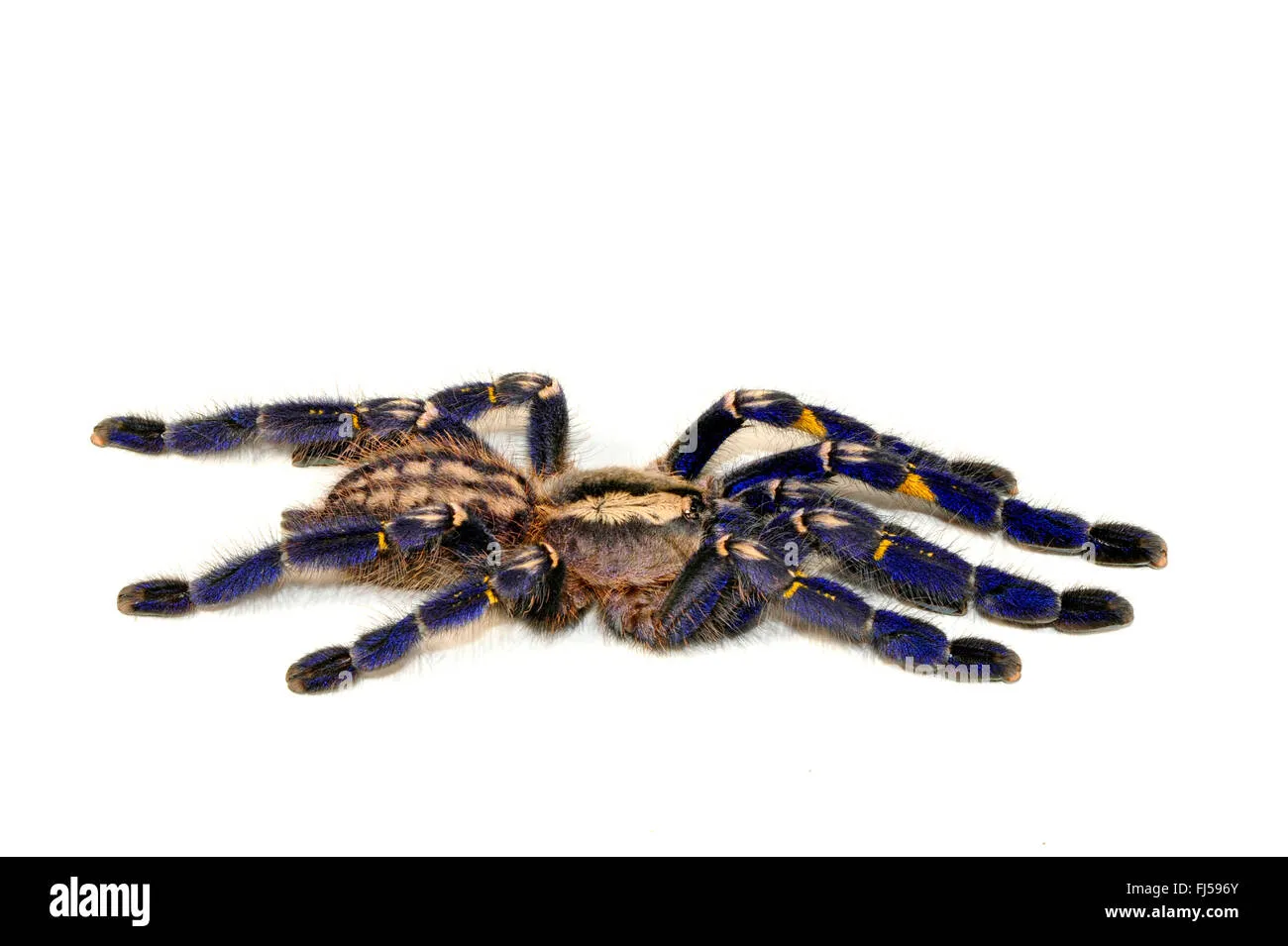
What is a Gooty Sapphire Tarantula?
The Gooty Sapphire Tarantula (Poecilotheria metallica) is a stunning arboreal tarantula species, highly sought after by enthusiasts for its vibrant blue and metallic coloration. Native to a small region of India, these spiders are known for their beauty but also for their potent venom and, in many cases, a tendency towards aggression. This article delves into the top 5 signs that your Gooty Sapphire Tarantula may be feeling aggressive and how to interpret its behavior. Understanding these signs is crucial for responsible tarantula ownership, ensuring both the safety of the keeper and the well-being of the spider. Careful observation and a proactive approach to handling are key to a positive experience with these beautiful but potentially challenging creatures.
Understanding Gooty Sapphire Tarantula Aggression
Aggression in Gooty Sapphire Tarantulas is often a response to perceived threats or stressors. Unlike some other tarantula species that might be more docile, the Gooty Sapphire Tarantula can be quick to display defensive behaviors. These spiders are primarily nocturnal hunters, and their natural instincts drive them to protect themselves within their arboreal habitats. Recognizing the root causes of aggression, such as environmental factors or handling, is the first step in managing it. These behaviors are typically warnings, indicating that the spider feels threatened and is ready to defend itself. By familiarizing yourself with these signals, you can avoid potentially dangerous situations and create a safer environment for both you and your pet.
Sign 1 Defensive Posture

The defensive posture is the most basic warning sign. The tarantula elevates its front legs, often raising its fangs in a threatening display. This posture is a clear indication that the spider feels threatened and is preparing to strike. The spider will also typically lift its abdomen slightly, readying itself to release urticating hairs if it feels further provoked. The defensive posture is the first visual cue that your Gooty Sapphire Tarantula is not comfortable with your presence or the current situation.
Recognizing the Defensive Posture
Recognizing the defensive posture is the first step in avoiding a bite or the release of urticating hairs. The spider’s stance will change noticeably. Look for the front legs lifted, the fangs visible, and the body slightly raised. It will appear alert and tense. If your tarantula assumes this posture, it is best to back away slowly and leave the spider alone. Avoid any sudden movements or loud noises, as these can startle the spider and provoke a strike. Observe the spider from a distance and ensure that its enclosure is secure before leaving it.
Why Defensive Posture Indicates Aggression
This posture is a clear sign of a stress response. In the wild, it’s a defense mechanism against predators. In captivity, this posture indicates the tarantula feels threatened by something in its environment. Potential triggers include handling, vibrations, bright lights, or perceived disturbances to its territory. Ignoring this sign can lead to escalation, increasing the risk of a defensive bite or the release of urticating hairs, both of which can be unpleasant for the keeper. Understanding the reasons behind the posture helps in modifying the environment to reduce stress.
Sign 2: Fangs Display

The display of fangs is a more advanced warning sign and indicates a higher level of agitation. If a Gooty Sapphire Tarantula shows its fangs, it is essentially saying, “I am ready to bite.” This behavior is a direct threat display and should be taken seriously. Unlike a defensive posture which is more of a warning, displaying fangs suggests that the spider is actively preparing to attack. This is a critical moment, as the tarantula is now highly likely to bite if it feels further threatened or if you try to handle it.
What Does Fang Display Mean?
Fang display is a clear indication that the tarantula perceives a direct threat. It is a last resort before striking. The spider is essentially warning you to back off. The fangs are the primary means by which a tarantula delivers its venom, and a display of fangs indicates the spider is poised to use them. The tarantula is likely to bite, and you should not approach or attempt to handle the spider at this point. The display is a sign of extreme distress or defensiveness.
Situations Triggering Fang Display
Fang display is often triggered by direct disturbances, such as reaching into the enclosure, attempting to handle the tarantula, or sudden movements near its territory. It can also be triggered by loud noises or vibrations. Ensure the enclosure is in a quiet area and avoid any actions that might startle or threaten the spider. If the tarantula displays its fangs, immediately cease any interaction and leave it undisturbed. Assess the environment to determine what might be causing the spider’s stress.
Sign 3: Hissing or Stridulation

Hissing, or stridulation, is a hissing sound that certain tarantula species, including the Gooty Sapphire Tarantula, can make. This is produced by rubbing the legs together or against the fangs. The sound itself is a warning, often accompanying other aggressive behaviors. The hiss serves as a loud alert, meant to scare off potential threats. The intensity of the hissing can vary, but it is always a sign that the spider is feeling threatened and is ready to defend itself.
The Sound of Aggression
The hissing sound is a clear auditory cue of aggression. If you hear this sound, you know that the spider is agitated and likely feeling threatened. The hissing is produced by the rubbing of the chelicerae and legs together, amplifying the sound. The sound is an early warning sign that should not be ignored. It’s a sign of active aggression.
Why Tarantulas Hiss
Hissing is a defensive behavior. Tarantulas hiss to deter perceived threats. They are essentially making themselves seem larger and more intimidating to scare off predators. In captivity, the spider may hiss at anything it views as a threat, including your hand, movements around its enclosure, or even changes in the environment. Understanding the reason for hissing can help you to identify and address the root causes of the stress.
Sign 4: Rapid Movements

Rapid movements or erratic behavior can be a sign of heightened anxiety. The spider might dart around its enclosure, making sudden, jerky movements. This erratic behavior shows the tarantula is stressed and looking for an escape route. These movements often accompany other aggressive behaviors, and they indicate that the spider is agitated and on high alert, ready to either flee or attack. Quick movements and a general flight response are often indicative of aggression.
Interpreting Rapid Movements
If your tarantula is moving erratically, it is a clear sign that something is amiss. The spider might be trying to escape or find a safe place. Observe the environment to identify potential stressors. Avoid making sudden movements or noises near the enclosure. These actions can escalate the spider’s stress level, increasing the likelihood of a defensive reaction. Rapid movements often indicate that the spider is preparing to defend itself.
Causes of Rapid Movements
Erratic movements can be triggered by various factors, including stress, fear, or environmental changes. Common causes include sudden noises, vibrations, or perceived threats. Overhandling or frequent disturbances to the enclosure can also contribute to this behavior. Always handle the enclosure and environment of the Gooty Sapphire Tarantula in a way that it is not feeling disturbed. By carefully examining the surroundings and the spider’s recent activities, you can determine the likely causes of these movements. Modifying the environment to reduce these stressors can promote calmer behavior.
Sign 5: Abdominal Flicking

Abdominal flicking is a warning sign unique to some tarantula species. The Gooty Sapphire Tarantula will rapidly flick its abdomen towards a perceived threat, often accompanied by the release of urticating hairs. This behavior is a last-ditch effort to deter potential predators. These hairs can cause skin irritation, and sometimes, they can be more serious depending on the individual. When the spider flick the hairs it means it feels an extreme level of threat.
Understanding Abdominal Flicking
Abdominal flicking is a clear signal that the spider feels extremely threatened. The rapid flicking of the abdomen and the potential release of urticating hairs indicate the spider is ready to defend itself by any means necessary. Avoid getting too close to the tarantula if it displays this behavior, as the hairs can cause skin and eye irritation. If the spider is flicking hairs, it is a strong signal to back away and leave the spider undisturbed.
What Does It Mean?
Abdominal flicking signifies a high level of defensive behavior. It is a sign that the tarantula is ready to protect itself. If the spider is flicking hairs, it means that the situation is critical, and the spider views you as a threat. Avoiding the area around the enclosure and allowing the spider to calm down is the best course of action. If the spider is flicking hairs, do not attempt to handle or interact with it.
How to Handle an Aggressive Gooty Sapphire Tarantula

Handling an aggressive Gooty Sapphire Tarantula requires caution and a thorough understanding of its behavior. Always prioritize your safety and the spider’s well-being. It’s important to never force an interaction and respect the spider’s signals of aggression. Handling should be limited to necessary tasks, such as enclosure cleaning or health checks, and should be done with extreme care. Always be prepared to deal with a possible bite or a release of urticating hairs. This means having the correct protective gear and the resources necessary to assist if needed.
Handling with Care
When you need to interact with an aggressive Gooty Sapphire Tarantula, use long tongs to move the spider if required. Avoid handling directly unless absolutely necessary and only if the spider is calm and showing no signs of aggression. Move slowly and deliberately, avoiding any sudden movements that could startle the spider. Always keep the tarantula in a safe enclosure, and avoid handling in high or unstable areas to prevent the spider from falling and getting injured. Regular maintenance and careful observation are key to keeping the animal and yourself safe.
Creating a Safe Environment
Creating a safe and secure environment is essential for reducing the stress of your Gooty Sapphire Tarantula. Provide a suitable enclosure with appropriate substrate, hiding places, and temperature gradients. Maintain a consistent humidity level to mimic its natural habitat. Avoid loud noises, vibrations, and direct sunlight. Ensure that the enclosure is in a quiet area and that the spider has access to fresh water and a balanced diet. Regular enclosure checks and maintenance can help prevent stress and promote a happier, more docile tarantula.
When to Seek Expert Help

If your Gooty Sapphire Tarantula displays persistent aggression, or if you are unsure how to handle its behavior, seek help from an experienced arachnid keeper or a veterinarian. They can provide valuable insights and guidance on handling techniques, enclosure setups, and environmental adjustments. Avoid unnecessary stress, and prioritize the well-being of your pet. A professional can help you identify the root causes of the aggression and implement the best solutions for you and your tarantula.