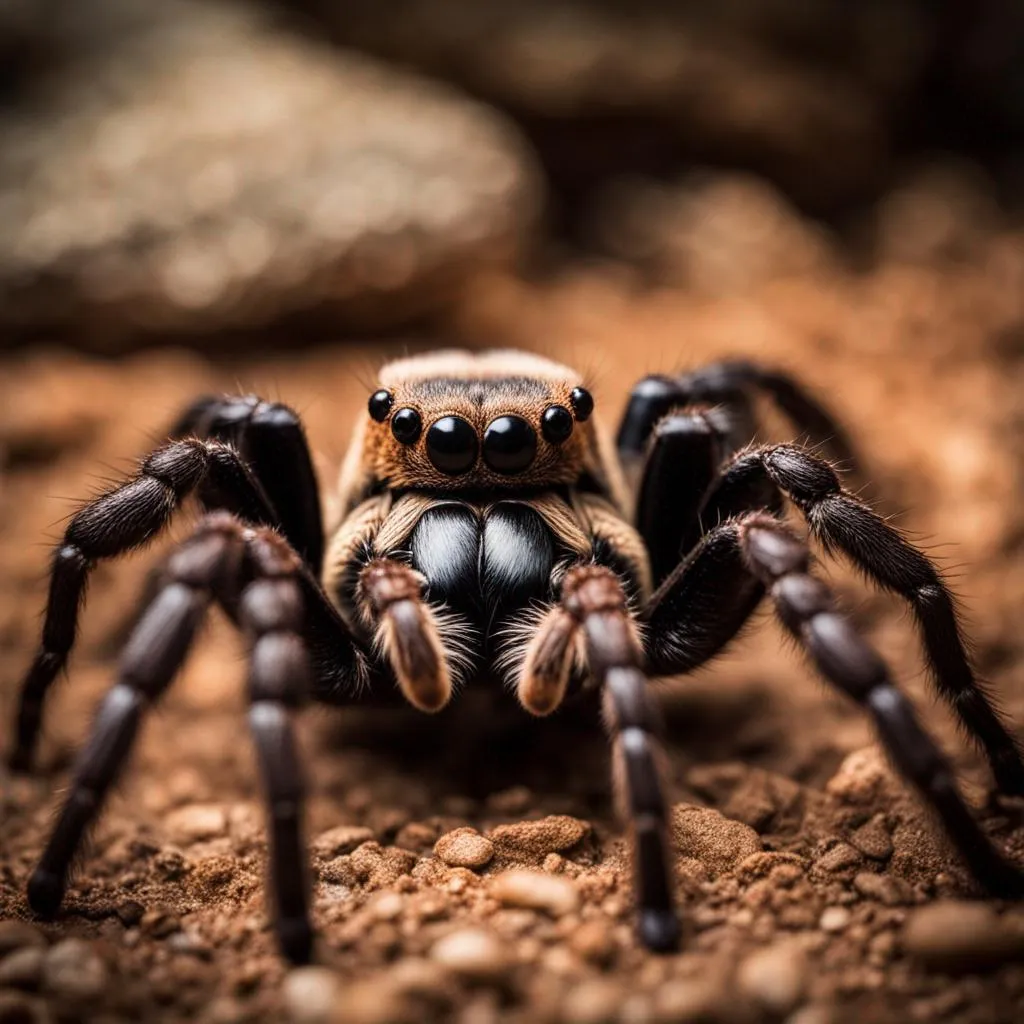
Goliath Birdeater Tarantula: Top 5 Classification Facts
The Goliath Birdeater Tarantula, scientifically known as Theraphosa blondi, is one of the largest spiders in the world, captivating the attention of arachnid enthusiasts and scientists alike. Understanding its classification is crucial for appreciating its place in the animal kingdom and recognizing its unique characteristics. This article will delve into the top 5 classification facts about this fascinating creature, providing a clear and concise overview of its taxonomic position. By examining its kingdom, phylum, class, order, family, genus, and species, we can gain a deeper understanding of the Goliath Birdeater Tarantula and its evolutionary relationships. Let’s begin exploring the incredible world of this giant spider and discover the key facts that define its scientific classification and also the incredible biodiversity of the Amazon rainforest
Fact 1 Taxonomy and Kingdom
The very first step in classifying any organism involves understanding its place within the grand scheme of life. The Goliath Birdeater Tarantula, like all animals, belongs to the Kingdom Animalia. This kingdom encompasses all multicellular, eukaryotic organisms that are heterotrophic, meaning they obtain nutrition by consuming other organic matter. This basic categorization helps scientists quickly understand fundamental aspects of the creature’s biology. Within the Kingdom Animalia, the Goliath Birdeater shares key characteristics with all other animals, setting the stage for further classification into more specific groups. The kingdom classification signifies the organism’s primary role as a consumer within its ecosystem, highlighting its dependence on other life forms for sustenance. Furthermore, the tarantula’s animal nature also dictates several biological features, including the presence of complex organ systems and the capacity for movement, key attributes differentiating it from plants and other kingdoms. In addition, it is part of the animalia kingdom as it relies on capturing other organisms for food, and it is not capable of producing its own food.
Detailed Look at the Kingdom Animalia

The Kingdom Animalia is incredibly diverse, encompassing a vast array of life forms, from microscopic organisms to the largest mammals. This kingdom is characterized by multicellularity, meaning the organisms are composed of multiple cells working together to perform various functions. The animal kingdom is further defined by the lack of a cell wall and the presence of specialized tissues and organ systems. Animals are heterotrophic organisms, meaning they obtain their nutrients by consuming other organic matter. They exhibit various modes of reproduction, including sexual and asexual methods. This intricate system allows animals to adapt to a variety of environmental conditions, allowing it to prosper in different ecosystems. Understanding the Kingdom Animalia is fundamental to comprehending the place of the Goliath Birdeater Tarantula within the broader context of life on Earth.
Exploring the Phylum Arthropoda
Moving down the classification hierarchy, the Goliath Birdeater belongs to the Phylum Arthropoda. This phylum is the most diverse in the animal kingdom, encompassing insects, arachnids, crustaceans, and myriapods. Arthropods are characterized by a hard exoskeleton made of chitin, segmented bodies, and paired jointed appendages. The exoskeleton provides protection and support, while the segmented body allows for flexibility and movement. The jointed appendages are adapted for a variety of functions, such as walking, feeding, and sensing. The Goliath Birdeater Tarantula shares these key features, identifying it as an arthropod. This phylum represents a critical evolutionary step, facilitating terrestrial life through the exoskeleton for protection, and diverse modes of movement thanks to the jointed limbs. This classification points to an evolutionary success story, as arthropods dominate many ecosystems. The features that allow the tarantula to survive, like the exoskeleton, the segmented body and paired limbs, can be found on other species in this phylum, such as insects or crabs.
Understanding the Class Arachnida
Within the Phylum Arthropoda, the Goliath Birdeater is classified under the Class Arachnida. Arachnids are characterized by having eight legs, two body segments (cephalothorax and abdomen), and the absence of wings or antennae. This class includes spiders, scorpions, mites, and ticks. Arachnids possess specialized appendages called chelicerae and pedipalps, which are used for feeding, sensing, and reproduction. The Goliath Birdeater Tarantula exemplifies these traits with its eight legs, two body segments, and chelicerae, clearly placing it within this class. This class is defined by the absence of wings, which makes the group of arachnids different from insects that can fly and have more body segments. This classification highlights evolutionary specializations, such as the division into cephalothorax and abdomen. The class also provides insights into the arachnid’s sensory capabilities, using the chelicerae and pedipalps to grasp prey.
Fact 2 Order Araneae Insights

Further down the classification path, the Goliath Birdeater falls under the Order Araneae, which encompasses all spiders. Spiders are distinguished by their ability to produce silk, which they use for various purposes, including web-building, prey capture, and creating egg sacs. They also possess chelicerae that are often equipped with fangs for injecting venom. The Goliath Birdeater Tarantula shares these characteristics, confirming its place within this order. The Order Araneae presents a significant evolutionary innovation: the ability to spin silk for various survival strategies, this characteristic marks a key distinction from other arachnids. Furthermore, it also introduces key biological adaptations, such as venom delivery through fangs, and a diverse range of silk-based behaviors. The order signifies the evolution of sophisticated hunting strategies and complex social behaviors that distinguish spiders from other arachnids.
Defining the Order of Spiders
The Order Araneae encompasses a vast diversity of spider species, each with unique adaptations for their specific ecological niches. Spiders are characterized by their two-part body plan (cephalothorax and abdomen), eight legs, and the presence of spinnerets that produce silk. They exhibit diverse hunting strategies, including ambush predation, web-building, and active hunting. Spiders play a crucial role in ecosystems as predators, controlling insect populations and serving as a food source for other animals. Understanding the order of spiders helps us to contextualize the Goliath Birdeater Tarantula among many species, including some that have more specialized web building. They are also critical components of many food webs and can be found in nearly every terrestrial habitat on Earth. The wide range of adaptations and specializations within the Araneae order showcase the evolutionary success of spiders.
Goliath Birdeater Tarantula Belonging
The Goliath Birdeater Tarantula’s position within the Order Araneae is based on its shared traits with other spiders. Key characteristics include the presence of spinnerets for silk production, a two-part body plan, and the ability to inject venom. This classification places the Goliath Birdeater in a group of animals with common ancestry and similar survival strategies. The tarantula’s belonging to this order provides a more in-depth understanding of the species’ evolutionary history and also its relationship with other spiders. The tarantula’s biology, which depends on the spinnerets, venom, and body plan, is very common in all the members of this order. Recognizing the commonalities shared by spiders helps us to understand how the species have adapted and survived for millions of years.
Fact 3 Family Theraphosidae

The Goliath Birdeater is part of the Family Theraphosidae, which includes all tarantulas. Tarantulas are generally large, hairy spiders known for their impressive size and diverse coloration. They are typically nocturnal hunters and possess potent venom. The Goliath Birdeater’s classification within the Theraphosidae family signifies its evolutionary relationships with other tarantula species and highlights the common traits they share. This family is characterized by several morphological traits, including the presence of urticating hairs that the tarantula can use as a defense mechanism. The classification also signifies a similar predatory lifestyle, and a habitat with a similar environment. The family classification is a key characteristic of all the members of this family, and showcases the specialized adaptations of the species for a terrestrial life and predator characteristics.
Characteristics of Theraphosidae
The Family Theraphosidae is characterized by several key features. These spiders are known for their large size, hairy bodies, and robust builds. They possess chelicerae that are often quite powerful, used to capture and subdue prey. Many tarantulas have urticating hairs on their abdomen, which they can flick at potential threats as a defense mechanism. Tarantulas are typically nocturnal hunters, employing ambush strategies or actively pursuing their prey. They can be found in diverse habitats across the world, from tropical rainforests to deserts. These attributes, along with many others, provide a good base to comprehend the common characteristics of this family. These adaptations contribute to their success as apex predators in their respective ecosystems. The family is known for its size, with the Goliath Birdeater being the largest of them all.
Key Traits of the Goliath Birdeater Tarantula
The Goliath Birdeater Tarantula displays all of the key traits associated with the Theraphosidae family. Its massive size, covered in dense hairs, is a striking feature. It has powerful chelicerae and uses its fangs to subdue prey. The tarantula also possesses urticating hairs, which it uses as a defensive mechanism. These adaptations contribute to the Goliath Birdeater’s success as an apex predator in its native habitat. Understanding these key traits offers a deeper appreciation of the tarantula’s unique adaptations and evolutionary journey. The key traits demonstrate the ecological role of the Goliath Birdeater within its ecosystem and the features that enable it to thrive as a top predator. Its defensive mechanisms, along with its size, are a formidable weapon against a variety of threats.
Fact 4 Genus Theraphosa

Within the Family Theraphosidae, the Goliath Birdeater belongs to the Genus Theraphosa. The genus Theraphosa includes only a few species of very large tarantulas. This classification denotes a closer evolutionary relationship among these species. The shared characteristics within this genus include size, habitat preferences, and certain morphological traits. The Genus classification is critical in showing a shared evolutionary history and identifies the unique adaptations of this group of tarantulas. The Genus helps to understand the shared traits and specializations that make the Theraphosa group distinct within the larger tarantula family. The Theraphosa genus contains the largest tarantula species in the world.
What Does Theraphosa Mean
The name Theraphosa comes from the Greek words ’theros,’ meaning ‘summer’ or ‘heat,’ and ‘phos,’ meaning ’light’ or ‘shining.’ This name may refer to the tarantula’s large size and the impression it makes, or perhaps to its coloration. The name emphasizes the animal’s striking appearance and imposing presence, linking it to the natural world. The etymology of the name provides insights into how scientists first perceived this impressive species. The name Theraphosa also speaks to the initial interactions and the awe it must have inspired in those who first encountered it. The name has lasted through the years and is still relevant today because it evokes a striking and magnificent animal.
Identifying Characteristics
The species within the genus Theraphosa are identified by a number of physical features. The Goliath Birdeater is known for its exceptional size, reddish-brown coloration, and the presence of urticating hairs. The tarantulas in this genus tend to inhabit burrows in the ground, often in humid environments. Identifying the distinct characteristics of this species, allows scientists to differentiate them from other tarantulas. These characteristics provide valuable clues to understand the tarantula’s evolutionary relationships and its ecological role. The defining characteristics reflect the tarantulas’ unique adaptations and its place within its ecosystem.
Fact 5 Species Theraphosa blondi

Finally, the Goliath Birdeater Tarantula is specifically classified as Theraphosa blondi. The species name blondi honors the French naturalist and explorer, M.E. Blondeau, for his contribution to the scientific study of arachnids. The species epithet serves to distinguish the Goliath Birdeater from other species within the genus. The species name signifies the unique genetic makeup and distinct characteristics that differentiate the Goliath Birdeater from other closely related tarantulas. The species name is vital because it gives a level of specificity to differentiate them. The scientific name reflects a combination of both the scientific work and the recognition of individuals who have worked on the scientific field.
Species Name and Meaning
The species name Theraphosa blondi is a binomial nomenclature, and is universally accepted by scientists, providing a consistent way to refer to the Goliath Birdeater. The name is crucial for clear communication and scientific accuracy in the study of arachnids. The scientific name provides a universally recognized identifier, it also honors the contributions of scientists who have worked in the field of biology. Understanding the species name is essential for accurate research and effective communication among scientists and tarantula enthusiasts. Also, the name demonstrates that this is a distinct species in its genus.
Unique Aspects of Theraphosa blondi
The Goliath Birdeater Tarantula, Theraphosa blondi, is characterized by its immense size, reddish-brown coloration, and the presence of urticating hairs. Its habitat includes the rainforests of South America, where it lives in burrows. The Goliath Birdeater has the ability to produce a hissing sound as a defense mechanism. Its diet primarily consists of insects, but can also include small mammals, birds, and reptiles, hence the name “birdeater.” Understanding these unique aspects sheds light on the remarkable adaptations and evolutionary path of this colossal spider. It’s one of the largest spiders in the world and also a highly specialized predator in its environment. The Goliath Birdeater is an excellent example of adaptation and survival in the world of nature.
In conclusion, the Goliath Birdeater Tarantula’s scientific classification, from Kingdom Animalia to the species Theraphosa blondi, provides a comprehensive understanding of its biological characteristics and its relationship to the broader animal kingdom. Each level of classification reveals key traits and evolutionary adaptations that make this creature unique. Appreciating its classification highlights its ecological importance and the fascinating world of arachnids. The Goliath Birdeater is an exceptional example of evolution and adaptation. This giant tarantula continues to intrigue both scientists and enthusiasts alike.