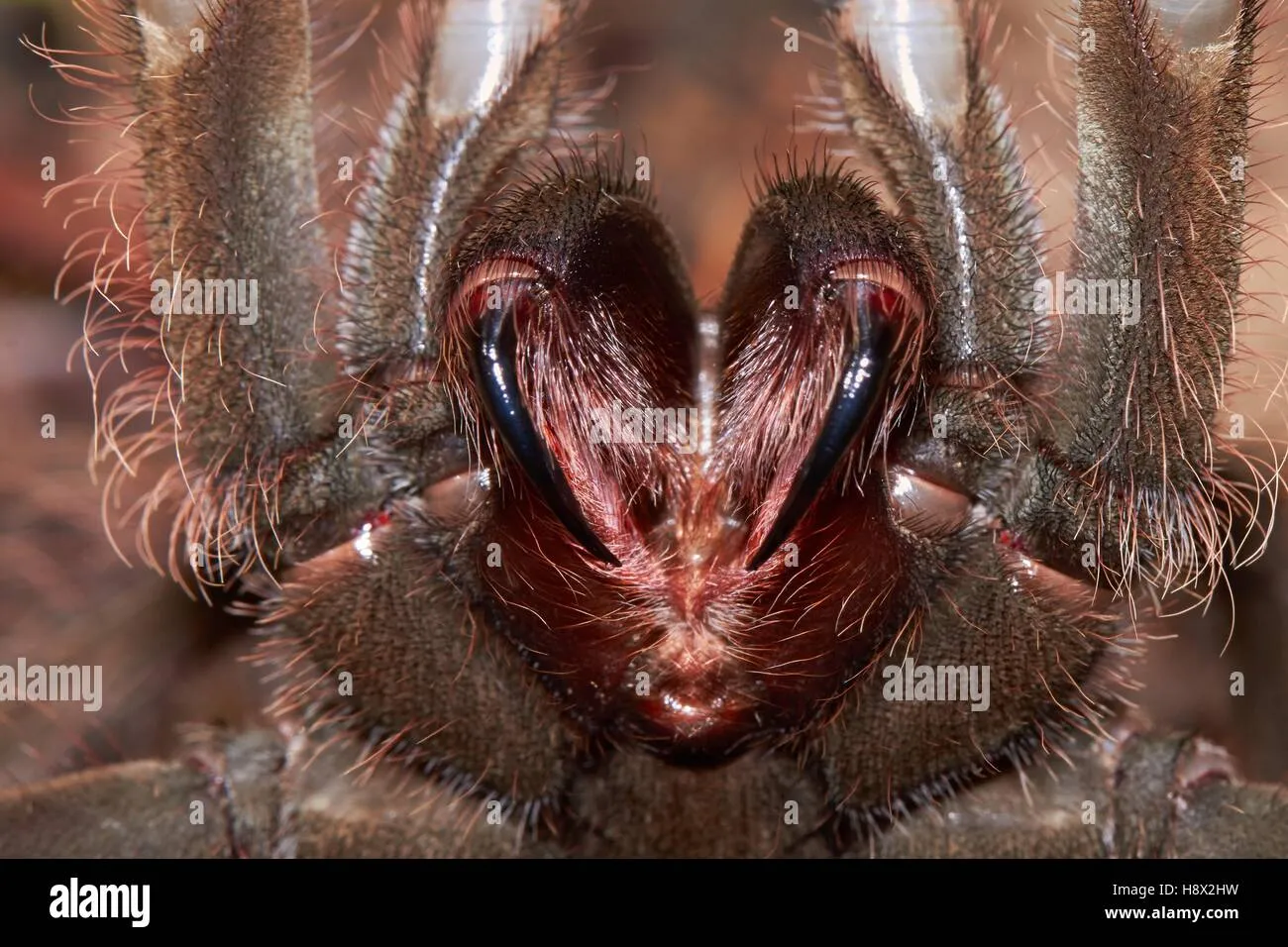
What is the Goliath Bird Eating Tarantula (GBET)
The Goliath Bird Eating Tarantula, scientifically known as Theraphosa blondi, is one of the largest spiders in the world. This impressive arachnid is a fascinating creature that often sparks both curiosity and apprehension. Its massive size and unique characteristics make it a popular subject of discussion among arachnid enthusiasts and those with a general interest in wildlife. Despite its name, the Goliath Bird Eating Tarantula rarely consumes birds; its diet primarily consists of insects and other invertebrates, and sometimes small vertebrates. This introduction will delve into the world of this giant spider, providing an overview of its key features and highlighting why it continues to capture the imagination of people around the globe. Its imposing stature and intriguing behaviors make it a remarkable species within the diverse world of spiders.
GBET Characteristics
Size and Appearance

The Goliath Bird Eating Tarantula is renowned for its extraordinary size. With a leg span that can reach up to 12 inches (30 cm) and a body length of up to 4.7 inches (12 cm), this spider is truly a giant in the arachnid world. Their bodies are covered in hairs that range in color from light brown to dark brown, providing excellent camouflage in their natural environment. The presence of urticating hairs on their abdomen is another notable feature; these hairs can be flicked off as a defense mechanism, causing irritation to potential predators. The sheer size and imposing appearance of the Goliath Bird Eating Tarantula make it one of the most recognizable and awe-inspiring spiders on the planet. (Image: goliath-bird-eating-tarantula-size)
Lifespan
The Goliath Bird Eating Tarantula has a relatively long lifespan compared to many other spider species. Female Goliath Bird Eating Tarantulas can live for 12 to 25 years, while males typically have a shorter lifespan, often only living for 3 to 6 years after reaching maturity. This longevity contributes to their appeal as pets, as owners can enjoy their presence for many years. Factors such as proper care, including a suitable environment and a nutritious diet, play a crucial role in maximizing the lifespan of these impressive creatures. The extended lifespan is a significant aspect of what makes them a captivating subject of study and admiration within the realm of arachnology. The longer lifespan is a compelling reason for enthusiasts to take them in as pets.
Habitat and Distribution
Where They Live

The Goliath Bird Eating Tarantula is native to the rainforests of northern South America. Their natural habitat includes countries such as Brazil, Venezuela, Guyana, Suriname, and French Guiana. They are primarily terrestrial spiders, meaning they spend most of their time on the ground. They prefer humid environments with plenty of leaf litter and dense vegetation where they can build burrows or find shelter under rocks and logs. The specific environmental conditions, including temperature and humidity, are essential for their survival and well-being. Understanding their habitat is critical for both conservation efforts and providing appropriate care in a captive environment. (Image: goliath-bird-eating-tarantula-habitat)
GBET Behavior and Diet
Feeding Habits
Despite their name, Goliath Bird Eating Tarantulas rarely consume birds. Their diet primarily consists of insects, such as crickets, beetles, and mealworms. They are opportunistic hunters, meaning they will eat almost any prey they can overpower. In the wild, they might also consume small vertebrates, such as lizards, frogs, and even small snakes. Their powerful fangs and potent venom are used to subdue their prey. In captivity, their diet is typically controlled, ensuring they receive a balanced and nutritious intake. Observing their feeding behavior is a fascinating aspect of their care and a window into their natural instincts. (Image: goliath-bird-eating-tarantula-feeding)
Hunting Techniques

Goliath Bird Eating Tarantulas are ambush predators, which means they wait for their prey to come to them. They are not active hunters; instead, they often remain in their burrows or under cover, patiently waiting for an unsuspecting insect or animal to wander within striking distance. When prey comes close, they strike quickly, injecting venom through their fangs. The venom paralyzes the prey, allowing the spider to consume it. Their hunting strategy is a remarkable example of adaptation and efficiency, showcasing the intricate behaviors that have allowed them to thrive in their native environments. Their stealth and patience are key to their success as predators.
GBET as Pets
Housing Requirements
Keeping a Goliath Bird Eating Tarantula as a pet requires careful consideration of their housing needs. A spacious enclosure is essential, with dimensions that allow for natural behaviors such as burrowing. The enclosure should have a substrate layer of several inches deep, typically consisting of a mix of peat moss, vermiculite, and coconut fiber, which helps to maintain humidity and allows the spider to burrow. The enclosure should also include hiding places, such as cork bark or artificial hides, to provide a sense of security. Proper ventilation is crucial to prevent mold and maintain air quality. (Image: goliath-bird-eating-tarantula-housing)
Temperature and Humidity

Maintaining the correct temperature and humidity levels is vital for the health and well-being of a Goliath Bird Eating Tarantula. The ideal temperature range is between 75°F and 85°F (24°C and 29°C). A heat source, such as an under-tank heater or a low-wattage heat lamp, can be used to maintain this temperature. Humidity levels should be kept between 75% and 85%, which can be achieved by misting the enclosure regularly and providing a water dish. Regular monitoring with a hygrometer and thermometer is essential to ensure the environment meets the spider’s needs. Correct environmental parameters are directly linked to the spider’s molting process and overall vitality.
Handling and Safety
Handling a Goliath Bird Eating Tarantula should be done with extreme caution, and ideally, it should be avoided. While their venom is not considered lethal to humans, their bite can be painful and cause significant discomfort. Additionally, they have urticating hairs on their abdomen, which can cause skin irritation and allergic reactions. If handling is necessary, it should only be done by experienced keepers, and it is essential to use appropriate tools and techniques to minimize the risk of injury to both the spider and the handler. It’s always better to admire them from a distance, prioritizing both the spider’s and the keeper’s safety. (Image: goliath-bird-eating-tarantula-handling)
Common Myths
Many myths surround Goliath Bird Eating Tarantulas, often fueled by sensationalized media. One common myth is that they are highly aggressive and attack humans on sight. In reality, they are generally docile and prefer to hide or flee when threatened. Another myth is that their venom is deadly. While their bite can be painful, their venom is not typically life-threatening to humans, though allergic reactions are possible. It is crucial to dispel these myths and rely on accurate information to ensure responsible pet ownership and a balanced understanding of these fascinating creatures. Being informed helps in appreciating them and avoiding unnecessary fears.
GBET Facts Summary

The Goliath Bird Eating Tarantula, a remarkable species found in the rainforests of South America, captivates with its massive size and intriguing behaviors. Its imposing presence, combined with its specific habitat needs and unique characteristics, make it a fascinating subject of study and admiration. While often misunderstood, the GBET is a generally docile species whose care requires knowledge of its housing, temperature, and humidity requirements. By understanding their natural habitat and behaviors, enthusiasts can better appreciate the complexity and beauty of these incredible arachnids. Their long lifespan and unique traits make them a captivating species. (Image: goliath-bird-eating-tarantula-overview)