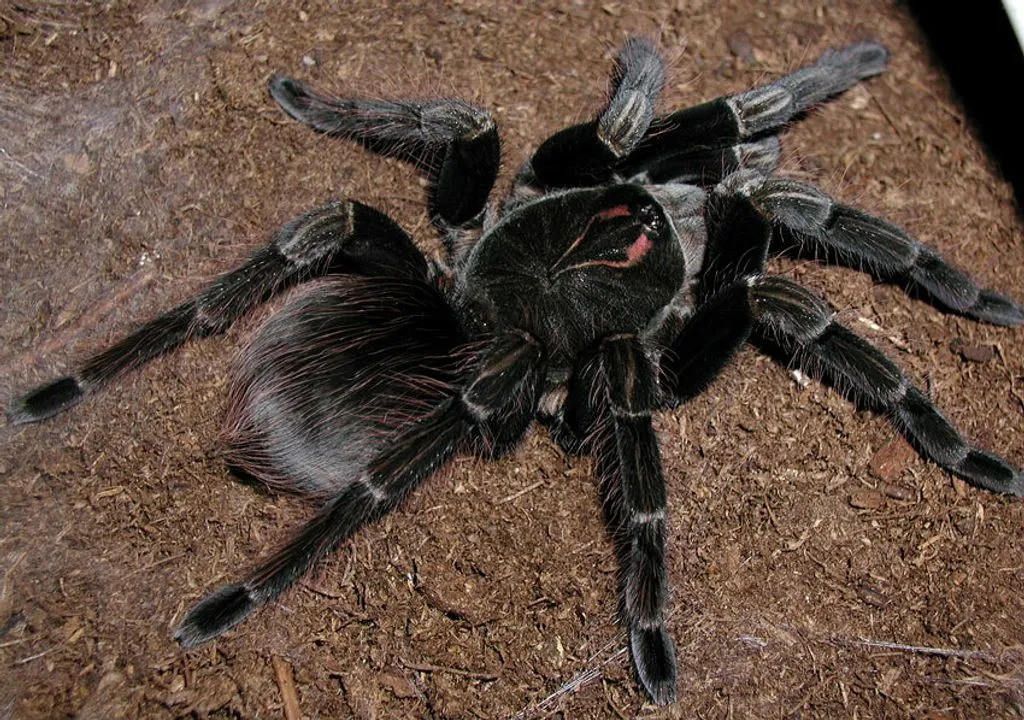
What is a Giant Blue Bloom Tarantula (GBB)?
The Giant Blue Bloom Tarantula, scientifically known as Chromatopelma cyaneopubescens, is a stunning and highly sought-after species in the tarantula hobby. Native to the semi-arid regions of Venezuela, this New World tarantula is famous for its vibrant coloration and relatively docile temperament, making it a popular choice for both novice and experienced keepers. These spiders are known for their beautiful display of colors, with adults showcasing a metallic blue sheen on their legs, orange-red abdomens, and a carapace that can range from gold to bronze. Their manageable size, reaching a leg span of up to 6 inches, further adds to their appeal. This guide provides a comprehensive overview of everything you need to know about owning a GBB, from where to buy them to how to care for them.
Appearance and Characteristics
The GBB tarantula’s captivating appearance is arguably its most attractive feature. Spiderlings start with a more muted color palette, but as they mature, their colors intensify dramatically. The adult females display a striking contrast of blue legs, a fiery orange abdomen, and a carapace that gleams with metallic shades. The males are typically less vibrantly colored than the females, and their legs might be slightly duller. They also possess tibial hooks, which are used for mating. Aside from the coloration, the GBB is also recognized for its relatively slender build and the web-spinning prowess. Unlike many other tarantula species, they are avid web-spinners, creating elaborate webs that provide both shelter and a hunting ground within their enclosure. This web-spinning behavior is a fascinating aspect of their natural habits, adding another dimension to their appeal as a pet.
Origin and Habitat

The Giant Blue Bloom Tarantula originates from the Paraguaná Peninsula in Venezuela, a region known for its arid and semi-arid climate. Their natural habitat consists of dry scrubland and coastal areas, where they create elaborate webs in shrubs, low-lying vegetation, and sometimes even in crevices. The environmental conditions in their native habitat heavily influence their care requirements. The temperature in the region is consistently warm, and the humidity is relatively low, which is why they need a dry, well-ventilated enclosure to thrive. They are terrestrial tarantulas, and their lifestyle revolves around their web, which they use not only for shelter but also to ambush prey. Understanding their natural habitat is crucial for replicating the necessary conditions in captivity, ensuring that your GBB tarantula leads a healthy and happy life.
Why Choose a GBB Tarantula?
The GBB is a popular choice for tarantula keepers for a multitude of reasons. They are visually striking and offer a fascinating display of colors. They are also relatively docile compared to some other species, making them easier to handle (though handling is still generally discouraged). Their web-spinning habits add an interactive element to their care; watching them build and maintain their elaborate webs can be quite enjoyable. The GBB’s manageable size is also a plus, requiring less space than some of the larger species. Furthermore, they are not particularly difficult to care for, making them a suitable choice for intermediate keepers who are already familiar with basic tarantula care. They typically live for a considerable amount of time, offering a long-term companion for those who are prepared to provide proper care.
Reasons to own
- Stunning Appearance: Vibrant colors and unique appearance.
- Docile Temperament: Generally less aggressive than other species.
- Web-spinning Behavior: Offers an engaging experience for keepers.
- Manageable Size: Easier to accommodate in a home.
- Moderate Care Requirements: Suitable for intermediate keepers.
Things to consider before Buying

Before purchasing a GBB tarantula, it is important to consider several factors. First, research the species thoroughly and understand its specific care requirements, including enclosure setup, temperature, humidity, and feeding. Make sure you are prepared to provide the appropriate environment and food. Also, evaluate your commitment level, as tarantulas can live for many years. Consider the cost of the tarantula itself, as well as the ongoing expenses for substrate, food, and other supplies. Finally, ensure you have a safe and secure location to house the tarantula, away from children and other pets. Also, do you have an allergy to any insects?
Where to Buy a Giant Blue Bloom Tarantula
Finding a Giant Blue Bloom Tarantula for sale requires research and a good understanding of the options available. The most common places to purchase a GBB include reptile shows, reputable online vendors specializing in exotic pets, and sometimes local pet stores. Always prioritize the health and welfare of the tarantula when choosing a seller. Look for vendors who can provide information on the spider’s origin, age, and feeding history. Furthermore, ensure the seller is knowledgeable and able to answer any questions you have about the GBB. Buying from a reputable source ensures that you receive a healthy tarantula and reduces the risk of acquiring a sick or poorly cared-for spider.
Reputable Breeders vs. Pet Shops
Reputable breeders often provide healthier and better-documented tarantulas. They are usually more informed about the species and can offer valuable insights into their care. In contrast, pet shops may offer a wider range of options, but the quality of care and information can vary significantly. Breeders typically specialize in specific species and have a deep understanding of their needs. Pet shops sometimes source their tarantulas from various suppliers, which can make it harder to trace the spider’s origin and health history. Before buying, it is a good idea to inspect the tarantula for any signs of illness or stress, such as lethargy, lack of appetite, or unusual behaviors.
Online vs. Local

Online vendors offer a convenient way to purchase tarantulas, often with a wider selection of species and easier access to breeders across the country. However, buying online means that you cannot personally inspect the tarantula before purchase. Therefore, you must rely on the vendor’s reputation and any available photos or videos of the spider. Local pet shops allow for immediate inspection, but the options might be more limited, and the level of expertise may vary. If buying online, ensure the vendor offers a live-arrival guarantee and is experienced in shipping tarantulas safely. Also, consider whether the tarantula has to be sent through extreme weather conditions. Weigh the pros and cons of both options before deciding where to buy your GBB.
How to Care for Your GBB Tarantula
Proper care is essential for the health and well-being of your Giant Blue Bloom Tarantula. This involves providing the right enclosure, maintaining appropriate environmental conditions, feeding it a nutritious diet, and monitoring its health. Consistent care will ensure your tarantula lives a long and healthy life. The GBB thrives in a dry, well-ventilated environment that mimics its natural habitat. Avoid overcrowding the enclosure and always prioritize the tarantula’s safety and comfort. Creating the optimal environment will allow it to exhibit its natural behaviors and fully showcase its beautiful colors and personality. This part of the guide will provide all the necessary details on how to care for your GBB.
Enclosure Setup
The ideal enclosure for a GBB should be at least 10 gallons, but a larger enclosure is preferable, especially for adult females. The enclosure should be made of glass or clear plastic, providing good visibility. It should also have a secure, escape-proof lid. The enclosure must have proper ventilation, as GBBs need a dry environment. A well-ventilated enclosure will help prevent the buildup of excess humidity, which can lead to health issues such as fungal infections. Provide a substrate that is several inches deep, such as a mix of peat moss, vermiculite, and a small amount of coco fiber to aid burrowing and webbing. Include decorations like cork bark or artificial plants to provide hiding places and climbing opportunities.
Substrate and Humidity

A suitable substrate is crucial for maintaining the correct humidity levels. The GBB needs a substrate that allows for some burrowing and web-spinning. A mixture of peat moss, vermiculite, and a small amount of coco fiber works well, providing the necessary drainage and humidity control. The substrate should be kept relatively dry, with a humidity level of 60-65%. You can monitor the humidity with a hygrometer, and the enclosure should have good ventilation to prevent excess moisture. Misting the enclosure lightly once every few weeks can provide a small amount of moisture without raising the humidity too much. Regular spot cleaning of the substrate is necessary to maintain a healthy environment.
Temperature and Lighting
The ideal temperature range for a GBB is between 75-85°F (24-29°C). This temperature range mimics their natural habitat and is essential for their metabolism and overall well-being. A heating pad placed on the side or behind the enclosure can help maintain this temperature if necessary. Always monitor the temperature with a thermometer to ensure the enclosure is at the correct level. Avoid direct sunlight, as this can overheat the enclosure. While GBBs do not require special lighting, a regular light cycle of 12 hours of light and 12 hours of darkness is beneficial. This can be achieved with a simple light bulb, but make sure it does not produce too much heat, which would stress the tarantula. A well-regulated temperature and light cycle will help ensure they thrive.
Feeding and Hydration
Feeding your GBB involves providing a diet of appropriately sized insects. Crickets, roaches, and mealworms are all suitable options. The frequency of feeding depends on the age and size of the tarantula. Spiderlings can be fed every other day, while adults might only need to be fed once or twice a week. Remove any uneaten insects within 24 hours to prevent them from stressing the tarantula. A shallow water dish is essential to provide a constant source of water. Make sure the water dish is shallow enough to prevent the tarantula from drowning. Regularly check the water dish and refill it with fresh, clean water. Hydration is vital for molting and overall health.
Health and Common Issues

Like all pets, GBB tarantulas can experience health problems. Understanding common health issues and how to prevent them will help to ensure your pet’s longevity and well-being. By maintaining a clean and well-regulated enclosure, you can significantly reduce the likelihood of your tarantula developing health problems. Regular observation and quick action can make all the difference.
Common Health Problems
Common health issues in GBB tarantulas include dehydration, fungal infections, and parasitic infestations. Dehydration can be caused by insufficient water or low humidity. Fungal infections often occur in enclosures with excessive humidity or poor ventilation. Parasitic infestations are rare in captive-bred tarantulas but can happen. Other issues include injuries from falls or from the tarantula getting stuck during a molt. Watch for symptoms such as lethargy, loss of appetite, or unusual behavior.
Preventative Measures
Preventative measures are key to keeping your GBB healthy. Regularly monitor the humidity and temperature levels to ensure they are within the appropriate range. Provide a clean water source and ensure the enclosure is well-ventilated. Use a substrate that is appropriate for maintaining the correct humidity levels and change the substrate periodically to prevent the buildup of bacteria and fungus. Quarantine any new tarantulas before introducing them to your existing collection. Regular observation of your tarantula’s behavior and appearance can help to detect any issues early on, when they are most treatable.
Handling and Safety

Handling a GBB tarantula is generally discouraged, as they can be quite skittish and may bite if they feel threatened. Their venom is generally not considered medically significant to humans, but a bite can still be painful. However, handling poses a risk of dropping the spider, which can lead to serious injury or even death. The focus of this section will be on how to interact safely with your tarantula and what precautions to take.
Handling Guidelines
As a general rule, it’s best to avoid handling your GBB tarantula. If handling is necessary (e.g., for enclosure maintenance), do so with extreme caution. Gently coax the tarantula into a container, such as a deli cup, to move it. Handle the tarantula over a soft surface to minimize the risk of injury if it falls. Always be aware of the tarantula’s behavior and body language. If it appears agitated or defensive, do not attempt to handle it. If you are handling a GBB, make slow, deliberate movements and avoid startling the spider.
Safety Precautions
If you must handle your GBB, take precautions to minimize the risk of a bite or injury. Wear gloves to protect your hands and wash your hands thoroughly after handling. Keep children and other pets away from the tarantula and its enclosure. Make sure the enclosure is always securely closed to prevent escape. If a bite occurs, wash the area with soap and water, and monitor for any signs of allergic reaction. Though the GBB is generally not considered a dangerous species, it’s crucial to take all the necessary precautions.
Breeding Giant Blue Bloom Tarantulas

Breeding GBB tarantulas can be a fascinating but challenging endeavor. It requires careful planning, expertise, and the appropriate setup. The process involves introducing a mature male to a receptive female and providing the necessary conditions for mating. The following sections will guide you through the basic steps involved in breeding GBBs.
Mating Process
To breed GBB tarantulas, you need a mature male and a receptive female. The male must have matured and developed tibial hooks, which are used to secure the female’s fangs during mating. The female needs to be well-fed and ready to molt. Introduce the male to the female’s enclosure under supervision, as the female might attack and kill the male. If the female is receptive, the mating process can be relatively quick. After mating, separate the male from the female to avoid him being eaten.
Egg Sac and Spiderlings
If the mating is successful, the female will create an egg sac, which she will guard diligently. The incubation period can vary, but it typically lasts for several weeks to months. Once the spiderlings hatch, they will go through several molts. The spiderlings are tiny and require special care, including smaller food items and a humid environment. It is best to raise the spiderlings in individual enclosures to prevent cannibalism. This can be a very rewarding experience for dedicated breeders.
GBB Tarantula Cost and Availability
The cost and availability of GBB tarantulas can vary depending on several factors, including the breeder, the spider’s age, and the overall demand. Understanding these factors can help you find the best deal and make an informed purchase.
Factors Affecting Price
The price of a GBB tarantula is influenced by a number of factors. The spider’s size (spiderlings generally cost less than adults) influences the cost. The breeder’s reputation and experience may also affect the price. The quality and health of the tarantula is essential; spiders from reputable breeders are often priced higher because of their health and genetics. Overall demand also plays a role, with higher demand often leading to higher prices. The market can vary, so it’s a good idea to compare prices from multiple sources.
Finding a GBB for sale
When searching for a GBB for sale, start by looking at reptile shows, specialty online vendors, and local pet stores. Research breeders to ensure their reputation and expertise. Ask for detailed information about the tarantula’s origin, age, and feeding history. Inspect the spider for any signs of illness or stress. Compare prices from different sources and consider factors like shipping costs and guarantees. Make sure the vendor offers a live-arrival guarantee and is experienced in shipping tarantulas safely. By doing your research and carefully considering these factors, you can find a healthy GBB tarantula.
Conclusion
The Giant Blue Bloom Tarantula is a beautiful and fascinating species that can make a rewarding pet for the right keeper. This guide has provided a comprehensive overview of their care, from setting up their enclosure and providing them with the appropriate diet to understanding their health and safety. Buying a GBB is an exciting adventure, and providing appropriate care is your responsibility. Remember to always prioritize the tarantula’s well-being and handle it with care. With proper care and attention, your GBB tarantula can thrive and provide you with years of enjoyment. Always conduct thorough research and prepare yourself for the long-term commitment. Happy keeping!