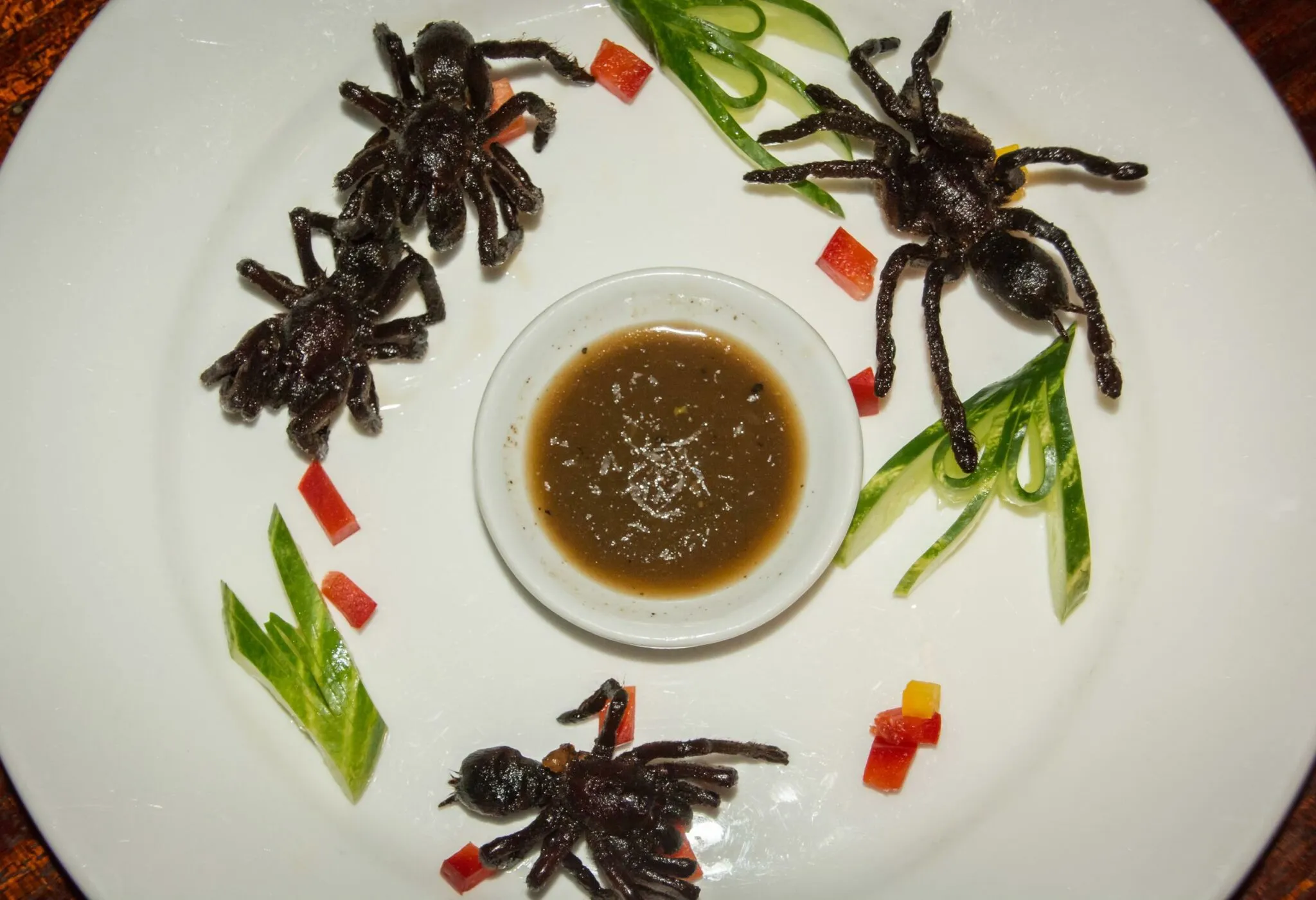
What are Fried Tarantula Legs?
Fried tarantula legs represent a unique and adventurous culinary experience, often associated with specific cultures and cuisines, particularly in Southeast Asia, such as Cambodia. These aren’t just a novelty; they’re a food source with a history. The practice of consuming tarantulas, particularly the species Haplopelma albostriatum, dates back generations, often stemming from necessity or as a means of survival. In recent times, however, they have also become a delicacy, attracting both locals and daring tourists. Preparing and eating these arthropods requires understanding and respect for the cultural context. Understanding the origins adds depth to the eating experience, turning a simple meal into a cultural exploration. Therefore, the context of tarantula consumption is an important aspect to consider when approaching this unique dish, from its cultural significance to the unique challenges involved in its preparation.
Why Eat Fried Tarantula Legs?
There are several reasons why one might consider eating fried tarantula legs. Firstly, they provide a unique culinary experience. For adventurous eaters, it’s a chance to try something outside of their comfort zone and broaden their palate. Secondly, they offer a potential source of protein. Insects, including tarantulas, can be more sustainable protein sources than traditional livestock. Thirdly, fried tarantula legs provide a connection to different cultures. In regions where tarantulas are consumed, eating them is part of the local traditions. Finally, some people may eat them simply out of curiosity. The chance to taste a dish that few others have tried can be a powerful motivator. Therefore, fried tarantula legs can be a unique culinary experience that offers protein and a connection with different cultures.
Nutritional Value of Fried Tarantula Legs

Fried tarantula legs can offer a surprisingly good nutritional profile. They are relatively high in protein, which is essential for building and repairing tissues in the body. The protein content is comparable to some meats, making them a potential source of protein. Additionally, tarantulas contain various minerals like iron, zinc, and magnesium. These minerals play crucial roles in various bodily functions, including oxygen transport, immune function, and bone health. However, the nutritional content can vary based on the tarantula species, its diet, and the cooking method used. Furthermore, the preparation process, such as frying, can affect the nutritional profile. The amount of oil used and the cooking time can impact the fat content of the dish. Therefore, while fried tarantula legs provide nutritional benefits, it’s essential to consider factors that can affect the nutritional content and overall health impact.
Essential Ingredients and Equipment
The ingredients needed for preparing fried tarantula legs are relatively simple. You’ll need fresh or frozen tarantulas. The choice depends on availability and personal preference, but fresh is generally preferred for the best taste and texture. You’ll also need cooking oil. Peanut oil or vegetable oil are commonly used because of their high smoke points, which is important for frying. For seasoning, salt and pepper are standard, but feel free to experiment with other spices such as garlic powder, onion powder, or paprika. The equipment needed is equally straightforward. A deep fryer or a large frying pan is crucial for the cooking process. Tongs are useful for safely handling the tarantulas during frying. A strainer or paper towels will be needed to drain excess oil. Finally, a plate is necessary for serving. Therefore, while the dish itself is exotic, the required ingredients and equipment are accessible.
Selecting the Right Tarantulas
When choosing tarantulas for cooking, the species and quality are important factors. Not all species are ideal for consumption. Some may be toxic or have a less desirable flavor profile. In Cambodia, the species Haplopelma albostriatum is commonly used, known for its palatable taste. The quality of the tarantulas should also be carefully considered. Freshness is critical, as it affects both the taste and safety of the dish. Look for tarantulas that appear lively and healthy. Avoid any that seem sluggish or have a strange odor, as this could indicate they are not fresh. The size of the tarantulas is also something to consider. Smaller tarantulas may be easier to cook and eat, but larger ones might offer more meat. If purchasing from a market or vendor, make sure they are reputable and can ensure the quality and safety of the product. Therefore, the selection of tarantulas requires careful consideration of both species and quality to ensure the best possible eating experience.
Preparing the Tarantula Legs

Preparing the tarantula legs for cooking involves several critical steps. Start by gently removing the legs from the tarantula body. This can be done by carefully snipping or pulling them off. Make sure to retain as much of the leg meat as possible. Next, you’ll need to clean the legs thoroughly. Rinse them under cold water to remove any dirt or debris. If you are not using the body, you may choose to discard it, or save it for other preparations. Now it is time to season the legs. Keep the seasoning simple, with salt and pepper to allow the natural flavors of the tarantula to shine through. If you prefer a more elaborate flavor, you can add spices like garlic powder, onion powder, or a pinch of chili. Then, it is time to let the seasoning sit. Make sure that all the legs are evenly coated with the seasoning. Therefore, the steps of preparation ensure both hygiene and the enhancement of flavor before cooking, thus making the eating experience enjoyable.
Cleaning and Prepping the Legs
Cleaning and prepping the legs is a crucial step in ensuring the safety and palatability of the fried tarantula legs. After removing the legs from the body, they must be cleaned thoroughly to remove any potential contaminants. The cleaning process involves rinsing the legs under cold, running water. This helps to wash away any dirt, debris, or residual substances. Ensure that you are gently but effectively cleaning each leg. After rinsing, some cooks choose to lightly pat the legs dry with paper towels. This step is important for removing excess moisture, which can affect the frying process. Proper cleaning reduces the risk of foodborne illnesses and enhances the overall dining experience. Therefore, thorough cleaning and drying are essential to produce a safe and tasty dish.
Seasoning and Flavoring Options
Seasoning and flavoring can significantly enhance the taste of fried tarantula legs. While keeping the seasoning simple is usually the best approach, many different options can be employed to provide a personalized culinary experience. Salt and pepper are standard and complement the natural flavor of the tarantula. Garlic powder, onion powder, and paprika can also be used to add depth. For a bit of heat, consider adding a pinch of chili powder or cayenne pepper. You could also explore Asian-inspired seasonings like five-spice powder. Experimenting with different flavor profiles can make each dish unique. When seasoning, make sure to coat the legs evenly, allowing the flavors to penetrate. Allow the seasoned legs to sit for a few minutes before frying. Therefore, adjusting the seasonings allows you to create fried tarantula legs that are customized to your individual taste preferences.
The Perfect Frying Process

Achieving the perfect fried tarantula legs requires a well-executed frying process. First, heat the cooking oil in a deep fryer or frying pan to the appropriate temperature. Next, carefully add the seasoned tarantula legs to the hot oil. Avoid overcrowding the pan, as this can lower the oil temperature and result in soggy legs. Fry the legs until they are golden brown and crispy, turning them occasionally to ensure even cooking. Once they are done, remove the legs from the oil using tongs or a slotted spoon. Place the fried tarantula legs on a plate lined with paper towels to drain any excess oil. The entire process is designed to ensure a crispy exterior and a tender interior. Therefore, following these steps will help ensure your fried tarantula legs are perfectly cooked and delicious.
Optimal Frying Temperature and Time
The frying temperature and time are vital for achieving the desired texture and taste. The optimal frying temperature for tarantula legs is typically between 350°F and 375°F (175°C and 190°C). This temperature range ensures that the legs cook quickly enough to develop a crispy exterior without overcooking the inside. The frying time will depend on the size of the legs and the oil temperature, but generally, it takes between 2-4 minutes. Small legs cook faster, while larger ones may take slightly longer. Monitor the legs closely during frying to prevent burning. If the oil temperature is too low, the legs will absorb too much oil and become greasy. If the oil is too hot, the legs will burn on the outside before the inside is cooked. Therefore, using a reliable thermometer and carefully monitoring the cooking time are important for achieving the perfect fried tarantula legs.
Achieving the Ideal Crispiness
Achieving the ideal crispiness in fried tarantula legs is a balance of several factors. Firstly, drying the legs thoroughly after cleaning and seasoning is crucial. Excess moisture can lead to a less crispy result. Ensure the oil is at the correct temperature, as described previously. The temperature should be high enough to quickly sear the exterior, creating a crisp crust. Do not overcrowd the frying pan or fryer, as this will lower the oil temperature and result in a less crispy texture. Fry the legs in batches, if necessary. Flipping the legs frequently during frying ensures that all sides cook evenly and become crispy. Pay attention to the color. The legs are usually ready when they are golden brown. However, the best way to determine doneness is to taste-test a leg to ensure it has the perfect balance of crispiness and tenderness. Therefore, the combination of drying, proper temperature, and careful frying techniques will provide the ideal crunchy texture.
Serving and Enjoying Fried Tarantula Legs

Serving and enjoying fried tarantula legs can be as important as the cooking process. Arrange the fried legs on a plate. Serving the legs immediately after frying is recommended for the best taste and texture. They are best enjoyed while they are still hot and crispy. Consider the presentation. A simple, clean presentation can be visually appealing, or you may choose to garnish the dish with fresh herbs or a squeeze of lemon for added flavor and visual appeal. The best way to enjoy fried tarantula legs is to eat them by hand. Be prepared for a unique texture and flavor. The legs are typically crunchy on the outside and have a slightly meaty interior. It is best to savor the experience, appreciating the cultural significance and the unique taste. Therefore, the presentation and immediate consumption are important factors when serving and enjoying this exotic dish.
Accompaniments and Sides
The choice of accompaniments and sides can greatly enhance the overall dining experience of fried tarantula legs. Traditionally, fried tarantula legs are often served with dipping sauces. These sauces can help to balance the flavors and add a variety of tastes. Garlic aioli, spicy chili sauce, or sweet and sour sauce are common choices. Rice is a staple side dish in many cultures where tarantulas are consumed. It helps to balance the richness of the fried legs. Fresh vegetables, like cucumber, carrots, and other greens, can provide a refreshing counterpoint to the fried dish. The goal is to offer contrasting flavors and textures to create a well-rounded meal. Therefore, selecting the right accompaniments ensures a balanced and enjoyable culinary experience.
Safety and Considerations
Safety should be the highest priority when preparing and consuming fried tarantula legs. Source the tarantulas from a reputable supplier or market to ensure their quality and safety. Make sure they are fresh and free from any signs of spoilage. Handle the tarantulas with care to avoid being bitten or stung. Although tarantulas are generally not venomous when cooked, it’s important to exercise caution. Cook the tarantula legs thoroughly. Under-cooked legs can pose health risks. Be mindful of any allergies. People with shellfish or crustacean allergies may also experience an allergic reaction to tarantulas. Therefore, practicing proper food safety protocols, sourcing from trusted providers, and being aware of potential allergens are crucial when preparing and enjoying fried tarantula legs. Always cook them thoroughly to eliminate any potential health risks.
Where to Source Tarantula Legs

Sourcing tarantula legs can be a challenge, depending on your location and access to exotic food markets. In regions where tarantulas are traditionally consumed, such as Cambodia, they are often readily available in local markets. If you are not in such an area, you may need to explore other options. Check with specialty food stores, Asian markets, or insect farms. These places may carry or be able to source tarantulas. Online retailers can also be a possibility. Several online stores specialize in exotic foods, but ensure you choose a reputable vendor with good reviews. When sourcing, prioritize suppliers that can guarantee the quality and safety of their products. It is important to check for any necessary certifications and to ensure the tarantulas have been sourced ethically. If you plan to catch tarantulas yourself, it is crucial to follow local regulations and to do so safely. Therefore, knowing the various options is vital when trying to get the ingredients necessary for this dish.
Allergies and Health Concerns
Before consuming fried tarantula legs, it’s essential to consider potential allergies and health concerns. Individuals with shellfish or crustacean allergies should exercise caution, as tarantulas are arthropods, and cross-reactivity is possible. Symptoms of an allergic reaction may range from mild skin reactions to severe anaphylaxis. People with known allergies should consult with a healthcare professional before trying this dish. Furthermore, the nutritional content, while potentially beneficial, should be viewed in moderation. Fried foods, in general, can be high in fat and calories, so consuming them regularly may have adverse health effects. Consider the preparation method; excessive use of oil can increase the dish’s fat content. As with any food, if you have any underlying health conditions, consult your doctor before consuming fried tarantula legs. Therefore, it is necessary to be aware of potential health concerns and allergies before trying this exotic dish.