Grammostola Pulchra Tarantula For Sale Guide
Are you captivated by the idea of owning a captivating Grammostola pulchra, often known as the Brazilian Black Tarantula? These impressive arachnids are sought after by both novice and experienced hobbyists. This guide provides everything you need to know before buying a Grammostola pulchra for sale, from understanding their characteristics and proper care to finding reputable sources. With their striking appearance and relatively docile temperament, these tarantulas make a unique addition to any pet enthusiast’s collection. This guide will explore all aspects of acquiring and caring for a Grammostola pulchra, ensuring a fulfilling experience for both you and your new pet. We’ll cover everything, making sure you’re fully prepared to welcome one of these amazing creatures into your home.
What is a Grammostola Pulchra Tarantula?
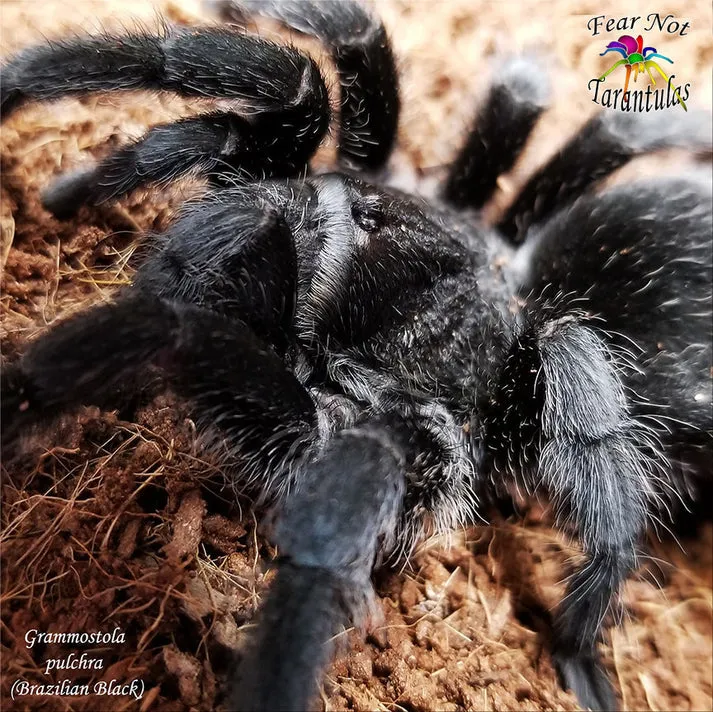
The Grammostola pulchra, or Brazilian Black Tarantula, is a species of tarantula native to the grasslands of southern Brazil. Known for their solid black coloration and relatively calm demeanor, these tarantulas are popular in the pet trade. They are terrestrial spiders, meaning they spend most of their time on the ground rather than in trees. They are characterized by their robust build and slow, deliberate movements. Their striking appearance and manageable temperament make them an appealing choice for tarantula keepers of various experience levels. They are known for being relatively docile compared to some other tarantula species, making them suitable for those new to tarantula ownership. The Grammostola pulchra is a fascinating creature that can bring joy and wonder to any home.
Appearance and Characteristics of the Grammostola Pulchra

The Grammostola pulchra is instantly recognizable by its velvety black appearance, which gives it a sleek and elegant look. This deep black coloration is consistent throughout their entire body, including the legs, carapace, and abdomen. Their bodies are covered in fine hairs, which add to their velvety texture. These tarantulas have a relatively stout build, with strong legs designed for burrowing and climbing. They also possess chelicerae, which are the mouthparts used for feeding. The size of a mature Grammostola pulchra can range from five to seven inches in leg span, making them a medium-sized tarantula. The males and females look very similar until they mature, making it difficult to sex them without specialist knowledge.
Lifespan and Size of the Grammostola Pulchra
The Grammostola pulchra has a moderate lifespan, which is an important consideration for potential owners. Females can live for up to 20-25 years or even longer under optimal conditions, making them a long-term commitment. Males, however, have a significantly shorter lifespan, often living only a few years after reaching maturity. In terms of size, these tarantulas typically reach a leg span of 5 to 7 inches. This size is considered medium compared to other tarantula species. Their growth rate is relatively slow compared to some other tarantulas, especially during their early years. The size and lifespan of a Grammostola pulchra can be affected by factors such as diet, temperature, and overall care. Proper care is crucial to ensure your tarantula lives a long and healthy life.
Where to Buy a Grammostola Pulchra Tarantula
Finding a Grammostola pulchra for sale involves identifying reputable sources that prioritize the health and well-being of the tarantulas. Several options exist for acquiring this species, including online retailers, reptile expos, and specialized breeders. When choosing a source, it’s essential to consider factors such as the seller’s reputation, the health of the tarantulas, and their shipping practices. Avoid purchasing from sources that seem untrustworthy or do not provide adequate information about their tarantulas’ origins and care. Researching the seller and reading reviews can help you make an informed decision and ensure a positive experience. Before making a purchase, always check the seller’s policies regarding the health guarantee and shipping conditions.
Reputable Breeders and Online Sources

Reputable breeders are often the best option for acquiring a Grammostola pulchra for sale, as they typically have a deep understanding of the species and prioritize the health of their tarantulas. Look for breeders with positive reviews, transparent breeding practices, and a willingness to answer your questions. Online sources can also be a convenient option, but it’s crucial to research the retailer thoroughly. Check for a well-established website, clear care instructions, and a good reputation within the tarantula-keeping community. Many online retailers specialize in exotic pets and provide detailed information about their animals. Always ensure that the seller offers a health guarantee and proper shipping procedures to ensure the tarantula arrives safely. Buying from a reputable source is the first step to ensuring the health and well-being of your new pet.
Factors to Consider When Choosing a Tarantula for Sale
When selecting a Grammostola pulchra, several factors can influence your decision and the long-term well-being of the tarantula. First, consider the tarantula’s health and appearance. Look for a tarantula with a robust build, clear eyes, and no signs of injury or illness. Avoid tarantulas that appear lethargic, have a shrunken abdomen, or show signs of mites or parasites. Consider the tarantula’s size, as this can indicate its age and growth stage. Choose a tarantula that is well-fed, active, and alert. Observe its behavior and ensure it responds appropriately to stimuli. Look for tarantulas that are displaying good molting habits. Also, be sure to consider the temperament of the tarantula, as this will affect how comfortable you feel handling it. Also, consider the size of the enclosure you will need based on the size of the tarantula. Choosing a healthy tarantula will contribute to the enjoyment of your new pet.
Health and Appearance
Assessing the health and appearance of a Grammostola pulchra is crucial before purchasing. A healthy tarantula should have a well-filled abdomen, indicating it is well-fed. Check for any signs of injuries, such as missing legs or damaged fangs. The tarantula’s body should be free from parasites and mites, which can be identified by examining the carapace and abdomen. The tarantula should also be alert and responsive to its environment, with clear eyes. Look for signs of lethargy or unusual behavior, which could indicate illness. Also, look at the overall condition of the tarantula, and make sure it seems in good health. Avoid tarantulas that appear dehydrated or have a sunken abdomen. Make sure to ask the seller about the tarantula’s feeding history, molting schedule, and any health issues it may have had.
Temperament and Handling

Grammostola pulchra tarantulas are known for their relatively docile temperament, which makes them a good choice for beginners. However, it’s still essential to handle them with caution and respect. Before purchasing, inquire about the tarantula’s handling history and observe its behavior. While they are generally not aggressive, they can become defensive if they feel threatened. Avoid sudden movements and loud noises that could startle them. It’s often best to start by observing your tarantula in its enclosure for a while before attempting to handle it. If you choose to handle your tarantula, do so over a soft surface to prevent injury if it falls. Always wash your hands before and after handling to avoid transferring any substances to the tarantula. Always remember that each tarantula is an individual, and their temperament can vary.
Setting Up a Habitat for Your Grammostola Pulchra
Creating an appropriate habitat for your Grammostola pulchra is essential for its well-being and longevity. The enclosure should provide a secure, comfortable environment that mimics their natural habitat. The choice of enclosure, substrate, and environmental conditions, such as temperature and humidity, play a vital role in your tarantula’s health. Correct setup ensures your tarantula feels safe and secure, which, in turn, promotes good health and behavior. Properly setting up your tarantula’s habitat is one of the most important steps in providing care.
Choosing the Right Enclosure
The enclosure should be appropriately sized for your Grammostola pulchra, allowing it enough space to move around comfortably. A good rule of thumb is to choose an enclosure that is at least three times the tarantula’s leg span in width and length. The enclosure should be made of glass or clear plastic, allowing you to easily observe your tarantula. Ensure the enclosure has a secure lid to prevent escapes. Good ventilation is essential to prevent the buildup of excessive humidity and to promote air circulation. The enclosure should also have a suitable substrate, such as coconut fiber or peat moss, which will help maintain humidity and allow the tarantula to burrow. The enclosure should be placed in a location away from direct sunlight and excessive heat. A properly chosen enclosure is essential for your tarantula’s well-being.
Substrate and Decor

The substrate provides a base for your tarantula’s habitat and plays a crucial role in maintaining humidity. Coconut fiber, peat moss, or a mixture of both are suitable choices. The substrate should be deep enough for the tarantula to burrow, approximately 4 to 6 inches deep. This depth provides security and allows the tarantula to create a comfortable burrow. Decorate the enclosure with items that mimic its natural environment. Include hides such as cork bark, artificial plants, or half logs. Avoid using anything sharp or anything that could potentially injure the tarantula. Adding these decorations provides enrichment and creates a more natural environment. Always ensure that the decor is non-toxic and won’t harm the tarantula. The proper substrate and decor significantly contribute to the overall well-being and happiness of your pet.
Temperature and Humidity
Maintaining the correct temperature and humidity levels is vital for the health of your Grammostola pulchra. The ideal temperature range is between 75-85°F (24-29°C). Use a heat mat or a low-wattage bulb to maintain this temperature, ensuring the heat source doesn’t directly touch the enclosure. Humidity levels should be kept between 60-70%. Use a hygrometer to monitor humidity levels and adjust as needed. Increase humidity by misting the enclosure with water, especially during molting. Ensure good ventilation to prevent the growth of mold or mildew. The correct temperature and humidity levels are critical for the tarantula’s health, molting process, and overall well-being. Regularly monitor and adjust these environmental conditions to create a healthy habitat for your tarantula.
Feeding and Caring for Your Grammostola Pulchra
Proper feeding and care are essential for the health and longevity of your Grammostola pulchra. Providing the right diet, maintaining adequate hydration, and addressing common health issues are critical to ensuring your tarantula thrives. Regular feeding and proper care will help your tarantula live a long and healthy life. Understanding their dietary needs, providing access to clean water, and recognizing the signs of potential health problems are key components of good tarantula care. A well-cared-for tarantula is not only more likely to live longer, but it will also be more enjoyable to observe and interact with.
Diet and Feeding Schedule

Grammostola pulchra tarantulas are insectivores, meaning their diet consists primarily of insects. Provide a varied diet of appropriate-sized insects, such as crickets, mealworms, dubia roaches, or locusts. The size of the insects should be approximately the same size as the tarantula’s body. Feed juveniles once or twice a week, and adults every 1-2 weeks, depending on their size and appetite. Always remove uneaten insects after 24 hours to prevent them from stressing the tarantula. Ensure the insects are gut-loaded with nutritious food before feeding them to your tarantula. This helps to provide your tarantula with a balanced diet. Offer a variety of insects to ensure your tarantula receives a balanced diet. Overfeeding can lead to health problems, so monitor your tarantula’s weight and adjust the feeding schedule accordingly.
Water and Hydration
Providing clean water is essential for the hydration and well-being of your Grammostola pulchra. Always have a shallow water dish available, filled with fresh, clean water. Use a small, shallow dish to prevent the tarantula from drowning. Change the water regularly, at least once or twice a week, to prevent bacterial growth. Some keepers use a water gel to provide hydration, but a water dish is generally preferred. Monitoring the tarantula’s hydration level is also important. A healthy tarantula will have a plump abdomen. If the abdomen appears shrunken or wrinkled, it may be a sign of dehydration. In addition to the water dish, mist the enclosure lightly, especially during molting, to maintain humidity and provide additional water droplets. Adequate hydration is critical for your tarantula’s health.
Common Health Issues and Prevention
While Grammostola pulchra tarantulas are relatively hardy, they can still be susceptible to certain health issues. One of the most common issues is dehydration, which can be prevented by providing access to fresh water and maintaining the correct humidity levels. Mites and parasites can also be a problem, but they can be controlled by maintaining a clean environment and quarantining any new additions before introducing them to your existing collection. Respiratory infections can occur if the humidity is too high. Always monitor the temperature and humidity levels and adjust them as needed. Signs of illness include lethargy, loss of appetite, or unusual behaviors. Regularly inspect your tarantula for any signs of illness, and consult with an experienced keeper or veterinarian if you notice any health concerns. Regular and attentive care is key to preventing and addressing health issues.
Molting Process and What to Expect

Molting is a natural process where tarantulas shed their exoskeleton to grow. The frequency of molting depends on the tarantula’s age and growth rate, with juveniles molting more often than adults. Before molting, your tarantula may appear lethargic, stop eating, and become less active. You may notice a change in the color of their abdomen. The tarantula will typically lie on its back, and the process can take several hours. Do not disturb the tarantula during molting, and avoid handling it. Once the molt is complete, the tarantula will be vulnerable and soft. Allow the tarantula time to harden, usually a week or two, before feeding it. Molting is a sign of a healthy tarantula, and it’s a fascinating process to observe.
Signs of a Healthy Tarantula
Recognizing the signs of a healthy Grammostola pulchra is important for ensuring their well-being. A healthy tarantula will have a plump abdomen, indicating it is well-fed and hydrated. They should be active and responsive to their environment, with clear eyes. The legs and body should be free from injuries, parasites, and mites. A healthy tarantula will eat regularly, showing a good appetite. Their behavior should be normal, with no signs of lethargy or unusual movements. The tarantula should show a good molting cycle, shedding its exoskeleton without difficulty. A healthy tarantula is a sign of proper care and a well-managed habitat. Pay attention to your tarantula’s behavior and appearance to catch any health issues early on. A healthy tarantula is a happy tarantula.
Handling Your Grammostola Pulchra Safely
Handling your Grammostola pulchra should be done with care, as it is crucial for the safety of both you and your tarantula. While the Grammostola pulchra is relatively docile, they can still bite if they feel threatened. If you choose to handle your tarantula, do so cautiously, and always handle it over a soft surface, in case it falls. Avoid sudden movements or loud noises that could startle it. Wash your hands thoroughly before and after handling, as this will protect you and your tarantula from bacteria or unwanted substances. Be patient and gentle when handling your tarantula, and be sure to support its body. Handling should be kept to a minimum, especially when the tarantula is molting. Regular, gentle handling can sometimes help you develop a bond with your pet, but the tarantula’s well-being should always be the priority.
Handling Guidelines

Before handling your Grammostola pulchra, make sure to prepare the environment and yourself. First, remove any potential hazards from the area, and be sure to work over a soft surface. Wash your hands thoroughly, and remove any rings or other jewelry that could accidentally injure the tarantula. Use a soft brush to gently guide the tarantula onto your hand. Support its body gently, and do not squeeze or apply any pressure. Observe the tarantula’s behavior, and be ready to place it back in its enclosure if it shows signs of stress. Avoid handling your tarantula if it is close to molting. If your tarantula does become agitated, calmly place it back in its enclosure. The more you handle your tarantula, the better you will understand its personality and its comfort levels.
Potential Risks and Precautions
While Grammostola pulchra tarantulas are not considered highly venomous, their bite can still cause discomfort. Always exercise caution when handling them. Tarantulas can also release urticating hairs from their abdomen as a defense mechanism, which can irritate the skin and eyes. Avoid rubbing your face or eyes after handling your tarantula. If bitten or exposed to the urticating hairs, wash the affected area thoroughly with soap and water. Consult with a doctor if the symptoms are severe. Always supervise children around tarantulas, and never allow them to handle them unsupervised. Always prioritize the safety of both you and your tarantula. Taking these precautions will create a safer and more enjoyable experience for everyone.
Conclusion: Enjoying Your Grammostola Pulchra Tarantula
Owning a Grammostola pulchra can be a rewarding experience, offering the opportunity to observe and appreciate these fascinating creatures. By following this guide, you can provide the proper care and ensure your tarantula thrives. From choosing the right enclosure and providing the appropriate diet to recognizing signs of illness, you’re now well-equipped to provide a safe and enriching environment. Remember to always prioritize the well-being of your tarantula and handle it with respect. With proper care, your Grammostola pulchra can provide years of enjoyment, making it a unique and captivating pet. Enjoy the journey of tarantula ownership, and the beauty of this amazing species.