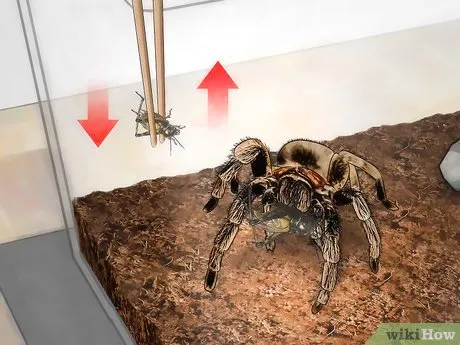
Understanding Tarantula Feeding Needs
Feeding a tarantula might seem straightforward, but understanding their specific needs is crucial for their health and longevity. These fascinating creatures have unique dietary requirements that differ greatly from other common pets. Their feeding habits are directly tied to their growth, activity levels, and overall well-being. Providing the right amount of food at the appropriate intervals ensures that your tarantula thrives in captivity. This guide delves into the various factors that influence how often you should feed your tarantula, from their size and age to the environmental conditions they live in.
Factors Influencing Feeding Frequency
Several elements affect how often you should feed your tarantula. It is important to consider these to create a feeding plan that suits your spider’s unique requirements. These factors include the tarantula’s size, age, species, and the environmental conditions in its enclosure. Understanding these influences will enable you to tailor your feeding schedule to ensure your tarantula receives adequate nutrition without overfeeding, which can lead to health issues.
Tarantula’s Size and Age

The size and age of your tarantula are primary determinants of its feeding frequency. Spiderlings, the youngest tarantulas, require more frequent meals due to their rapid growth rate. As they mature, their feeding needs change. Juvenile tarantulas need regular meals, while adult tarantulas can be fed less often. This shift reflects the slower metabolism and reduced growth of older spiders. Adjusting the feeding schedule according to these factors ensures your tarantula receives the correct amount of nutrients at each stage of its life.
Tarantula’s Species
Different tarantula species have varying metabolisms and activity levels, which affect their feeding requirements. Some species are naturally more voracious eaters, while others are more reserved. Researching the specific feeding habits of your tarantula’s species is essential. This research will give you insight into their typical appetite and the appropriate intervals for feeding. For example, faster-growing species may need more frequent meals than slower-growing ones. Consulting online resources, experienced keepers, or a herpetological expert can provide valuable species-specific feeding advice.
Environmental Conditions
Environmental factors significantly impact a tarantula’s feeding habits. Temperature and humidity levels within the enclosure play a critical role in the tarantula’s metabolism and appetite. Warmer temperatures generally increase metabolism, potentially leading to a greater appetite. Conversely, cooler temperatures can slow down the metabolism, reducing the need for food. Humidity levels also influence a tarantula’s health and willingness to eat; a dry environment can cause them to become less active and feed less. Maintain optimal environmental conditions to encourage healthy feeding habits and overall well-being for your tarantula.
Feeding Frequency for Spiderlings
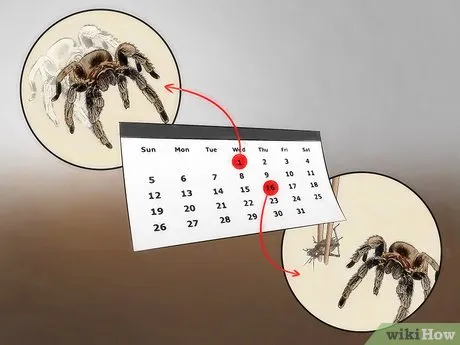
Spiderlings, the baby tarantulas, require the most frequent feeding. Due to their fast growth, they need a consistent supply of nutrients. Generally, spiderlings should be fed every other day or even daily. The frequency may depend on how quickly they eat and their species-specific requirements. It’s vital to offer small, appropriately sized prey items to avoid overwhelming them. Remove any uneaten prey within 24 hours to prevent stress and potential harm to the spiderling. Regularly observing the spiderling’s abdomen size can help you determine if you’re feeding the right amount.
Feeding Frequency for Juvenile Tarantulas
Juvenile tarantulas, which are in their growing phase, need a consistent feeding schedule, though less frequent than spiderlings. They should be fed approximately once or twice a week. Their feeding frequency will vary depending on their species and activity level. The size of the prey should increase to match the juvenile’s growing size. Provide a varied diet to ensure they receive essential nutrients for healthy growth. Regularly monitor your juvenile tarantula’s condition, adjusting the feeding schedule accordingly to keep them in good shape.
Feeding Frequency for Adult Tarantulas
Adult tarantulas can be fed less frequently than younger spiders, typically once every one to two weeks. Some keepers feed their adult tarantulas even less often, such as once a month, depending on the individual spider and its species. It is crucial to observe your adult tarantula to adjust the schedule to their needs. Ensure the prey items are of appropriate size to satisfy their nutritional needs. Always maintain fresh water and provide an environment that supports their health and well-being.
Choosing the Right Prey for Your Tarantula

Selecting appropriate prey is crucial for a tarantula’s health. Crickets, mealworms, dubia roaches, and other feeder insects make suitable food sources. The key is to select prey that are easy for your tarantula to catch and consume. Consider the nutritional value of the insects and whether they have been properly gut-loaded with nutritious foods before feeding them to your tarantula. Gut-loading ensures the prey provides the maximum amount of vitamins and minerals. Offer a variety of prey to ensure a balanced diet for your spider.
Appropriate Prey Size
The size of the prey should match the tarantula’s size. For spiderlings, small prey like pinhead crickets or pre-killed fruit flies are ideal. Juvenile tarantulas can handle larger prey, such as medium crickets or small roaches. Adult tarantulas can eat appropriately sized insects. Do not offer prey that is too large, as it can stress the tarantula or cause it to injure itself. As a general rule, the prey should be no larger than the tarantula’s abdomen.
Nutritional Value of Prey
The nutritional value of the prey directly impacts your tarantula’s health. Gut-loading the feeder insects with nutritious food before feeding is vital. This process involves feeding the insects a diet rich in vitamins and minerals, which are then passed on to the tarantula. Ensure the prey is pesticide-free and healthy. A well-balanced diet for the prey will provide your tarantula with the essential nutrients needed for growth and overall health. Consider using commercial gut-loading products to ensure the highest nutritional value.
Feeding Techniques and Best Practices

Proper feeding techniques contribute to the tarantula’s safety and well-being. Always be cautious and follow best practices to ensure a stress-free feeding experience. Always use tongs to offer prey to prevent the tarantula from attacking your hand. Provide a clean and accessible water source at all times. Regularly clean the enclosure to prevent the buildup of waste and bacteria. Monitor the tarantula’s feeding habits and adjust your approach as needed. Regularly assess the enclosure and make necessary adjustments for optimum conditions.
Offering Prey Safely
Offering prey safely protects both you and your tarantula. Use long tongs to handle feeder insects to minimize the risk of being bitten. Place the prey in front of the tarantula, allowing it to catch the food naturally. Avoid startling the tarantula during feeding. Some tarantula species may prefer to ambush their prey, so it is often best to offer the food and then step back. Observe the tarantula’s behavior during feeding to learn its preferences.
Removing Uneaten Prey
Remove any uneaten prey within 24 hours to prevent stress to the tarantula and potential harm. Uneaten insects can stress the tarantula, and in some cases, may even bite the tarantula during molting. Removing the prey also helps maintain cleanliness. This step prevents the buildup of waste and reduces the risk of bacterial growth in the enclosure. If you notice that your tarantula is not eating its prey, assess the environmental conditions, the health of the tarantula, and the size of the prey.
Monitoring Your Tarantula’s Health

Monitoring your tarantula’s health is vital for their care. Regular observation will help you recognize changes in behavior or physical condition, which may indicate health issues. Note any changes in appetite, activity levels, or appearance. Monitor the abdomen size to ensure you are providing an appropriate feeding schedule. A healthy tarantula is active, alert, and has a plump abdomen. By being observant, you can identify any problems early and provide the necessary care.
Recognizing Overfeeding or Underfeeding
Recognizing the signs of overfeeding or underfeeding is key to providing proper care. Overfeeding can lead to obesity, which may impact a tarantula’s health. Signs of overfeeding include a very large abdomen and lethargy. Underfeeding, conversely, can cause the tarantula to become thin and weak. A tarantula that refuses food for an extended period may be an indication of a problem with the environment or a health issue. Adjust the feeding schedule appropriately based on the signs you observe.
Signs of a Healthy Tarantula
A healthy tarantula shows several positive signs. It is typically active, alert, and has a plump abdomen. It eats regularly and molts without any difficulties. A healthy tarantula exhibits normal behavior and responds to stimuli appropriately. The enclosure should also look clean and well-maintained. If you observe these signs, it is a good indicator that you are providing adequate care. Make sure to maintain a healthy environment to keep your tarantula happy and healthy.