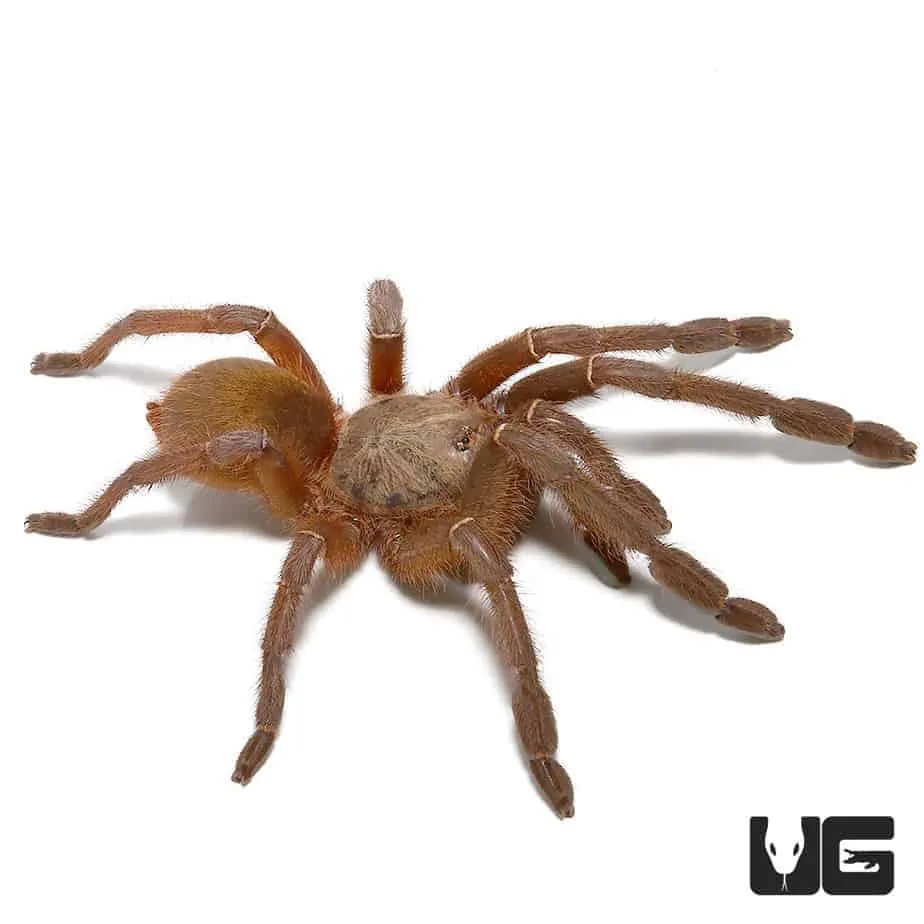
Choosing Your Emerald Skeleton Tarantula
Embarking on the journey of owning an Emerald Skeleton Tarantula can be incredibly rewarding. These striking arachnids, with their unique skeletal markings, make fascinating pets. However, success starts with making informed choices. This guide provides comprehensive care instructions, ensuring a healthy and happy tarantula. The first step is to find a reputable seller. Avoid purchasing from unreliable sources, as the tarantula’s health is paramount. Always prioritize healthy, well-cared-for specimens. Prepare the enclosure beforehand so your new pet has a comfortable home immediately.
Selecting a Healthy Tarantula
Choosing a healthy Emerald Skeleton Tarantula is crucial for its longevity and your enjoyment. Observe the tarantula closely before making a purchase. Look for a tarantula that is active, alert, and responsive to its environment. A healthy tarantula should have a plump abdomen, free from any wrinkles or indentations. The legs should be intact, without any missing limbs or signs of injury. The fangs should be present and in good condition. Avoid tarantulas that appear lethargic, have a shrunken abdomen, or display any unusual behaviors.
Signs of a Healthy Tarantula

Several signs indicate a healthy Emerald Skeleton Tarantula. A good appetite is a positive indicator, with the tarantula readily accepting food. Look for a clean, well-kept enclosure; a healthy tarantula typically resides in a clean environment. The exoskeleton should appear vibrant and free from any discoloration or damage. Check for smooth, coordinated movements; the tarantula should be able to walk and climb without difficulty. Finally, observe the tarantula’s posture; a healthy one generally holds its legs normally.
Acquiring Your Tarantula
When acquiring your Emerald Skeleton Tarantula, consider the source. Choose reputable breeders or pet stores that specialize in exotic pets. These sources are more likely to provide healthy specimens and offer guidance on care. Inquire about the tarantula’s origin and age. Younger tarantulas are typically more adaptable to new environments, but older ones have already been established. After purchase, transport the tarantula carefully in a secure container, ensuring it remains safe and protected during the journey. Be prepared to set up its enclosure immediately upon arrival to minimize stress.
Setting Up the Perfect Enclosure
Creating the perfect enclosure is essential for the well-being of your Emerald Skeleton Tarantula. The right setup will mimic the natural environment, providing security and promoting healthy behavior. The enclosure must have appropriate size, substrate, hiding places, and temperature and humidity controls. A well-designed enclosure minimizes stress, allowing the tarantula to thrive. A proper enclosure is key to successfully keeping an Emerald Skeleton Tarantula and helps ensure its longevity.
Enclosure Size and Type

The size and type of enclosure are critical considerations. A glass or clear plastic terrarium is ideal, allowing for easy observation. The enclosure should be large enough for the tarantula to move around comfortably, with enough floor space for burrowing or web-building, depending on its habits. For juveniles, a smaller enclosure is preferable to help them feel secure. As the tarantula grows, upgrade the enclosure to a larger size. A general guideline is to provide an enclosure that is at least three times the tarantula’s leg span in width and length, with adequate height for arboreal species.
Substrate Selection
The substrate is a crucial part of the enclosure. It provides a base for the tarantula to walk on, burrow in, and establish its habitat. The best substrate should retain moisture, allowing the creation of proper humidity levels. A mixture of peat moss, coconut fiber, and a bit of vermiculite works well. Avoid using substrates that can be harmful, such as cedar or pine shavings. The substrate depth should be sufficient for burrowing species, typically 4-6 inches. The substrate should be regularly checked and cleaned to prevent the buildup of mold and bacteria, ensuring a healthy environment for your tarantula.
Providing Hiding Places
Emerald Skeleton Tarantulas are shy and benefit from having hiding places. These provide security and reduce stress. A piece of cork bark, a hollow log, or a commercially available hide is perfect. The hide should be appropriately sized, allowing the tarantula to retreat and feel safe. Ensure the hide is securely placed and won’t topple over. Regular checks are needed to make sure your tarantula has not outgrown its hiding place. Adding live or artificial plants can also create a more natural and secure environment.
Temperature and Humidity Control

Maintaining the right temperature and humidity levels is crucial for the health of your Emerald Skeleton Tarantula. Use a thermometer and hygrometer to monitor the conditions within the enclosure. The ideal temperature range is between 75-85°F (24-29°C). Humidity levels should be maintained at 65-75%. Use a spray bottle to mist the enclosure regularly, providing the necessary humidity. Ensure good ventilation to prevent mold and bacterial growth. A heat source, such as a heat lamp or mat, can be used if needed, but always avoid direct contact with the tarantula.
Feeding Your Emerald Skeleton Tarantula
Proper feeding is vital for your Emerald Skeleton Tarantula’s health and growth. Understanding the right food choices, feeding frequency, and hydration methods ensures the tarantula receives the necessary nutrients. A well-fed tarantula is a healthy tarantula, and these instructions will help you provide the best diet. A proper diet will help your tarantula thrive and keep it healthy.
Appropriate Food Choices
Emerald Skeleton Tarantulas are carnivores, and their diet should consist primarily of insects. Crickets, mealworms, and roaches are excellent choices. Always ensure the insects are gut-loaded with nutritious food for a day before feeding them to the tarantula. Avoid feeding wild-caught insects, as they may carry parasites or pesticides. Offer a variety of insects to provide a balanced diet. Size matters, so ensure the prey is no larger than the tarantula’s body. Remove uneaten food within 24 hours to prevent mold and unwanted pests.
Feeding Frequency and Amount

Feeding frequency depends on the tarantula’s age and size. Young tarantulas, or spiderlings, can be fed every 2-3 days. Adults can be fed once or twice a week. Observe the tarantula’s behavior and body condition to adjust the feeding schedule. A tarantula that refuses food may be in premolt, the period before shedding its exoskeleton. Overfeeding can lead to a bloated abdomen and other health problems, so it’s essential to observe the tarantula’s eating habits and adjust the portions. Remove any uneaten food within a day to prevent mold growth.
Watering and Hydration
Providing fresh water is crucial for your Emerald Skeleton Tarantula. Offer water in a shallow dish to prevent drowning. Use a water dish that is easy to clean and refill. The water should always be clean. Some tarantula keepers mist the enclosure regularly to increase humidity, which is also a form of hydration. For larger tarantulas, occasionally offer water by dripping water droplets near their mouth with a syringe. Always ensure that the water dish is in a safe location and easily accessible to your pet.
Handling and Interaction
Handling an Emerald Skeleton Tarantula is not generally recommended unless necessary. These spiders are often skittish and can be easily stressed by handling. However, understanding proper handling techniques and potential risks is important. Always handle with care and respect, and prioritize the tarantula’s well-being. Proper handling techniques and knowledge of their behavior are critical for the safety of both you and your pet.
When to Handle

Handling should be limited to essential situations, such as when cleaning the enclosure or moving the tarantula for medical reasons. Avoid handling unless it is truly necessary. Minimize stress by keeping interactions brief and calm. Observe the tarantula’s behavior to gauge its comfort level. If the tarantula appears stressed or defensive, immediately cease handling. Respect their space and avoid unnecessary disturbances.
Proper Handling Techniques
If handling is necessary, approach the tarantula slowly and gently. Never grab or corner the tarantula. Gently coax the tarantula onto your hand, allowing it to walk onto your palm. Handle the tarantula close to the ground or a soft surface to minimize the risk of injury if it falls. Avoid sudden movements or loud noises that might startle the tarantula. Always wash your hands before and after handling to remove any potential contaminants.
Potential Risks and Precautions
Emerald Skeleton Tarantulas possess urticating hairs on their abdomen, which can cause skin irritation if disturbed. Avoid touching the abdomen directly. Tarantulas can also bite if they feel threatened. While their venom is not typically life-threatening to humans, it can cause pain and swelling. Keep a safe distance from the fangs. Be especially cautious when handling during molting, as the tarantula is more vulnerable. Teach children the importance of respecting the tarantula’s space.
Recognizing and Addressing Health Issues
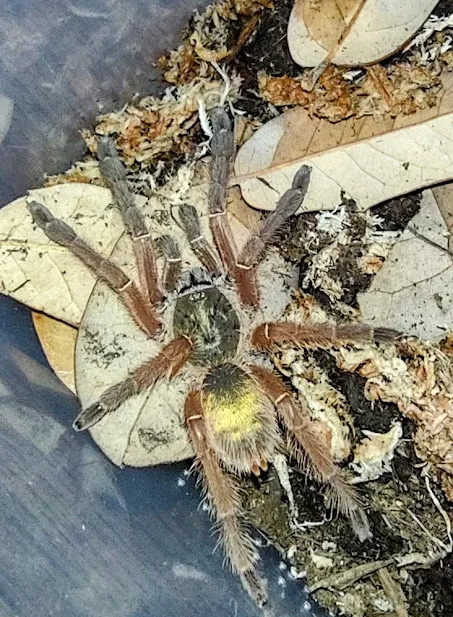
Knowing how to recognize and address potential health issues is vital for ensuring the longevity and well-being of your Emerald Skeleton Tarantula. Regular monitoring of the tarantula’s behavior, appearance, and environment can help identify problems early on. Early detection can significantly improve the chances of successful treatment. Quick responses to problems are crucial.
Common Health Problems
Several common health problems can affect Emerald Skeleton Tarantulas. Parasites are a risk, so it’s essential to use healthy prey. Respiratory infections can occur if the humidity is too high. Always maintain the appropriate humidity levels. Injuries from falls or handling can happen, so handle with care and ensure a safe environment. Poor molting is another common issue; this can happen if the humidity is too low. The symptoms include a loss of appetite, lethargy, and unusual behaviors. Seek professional veterinary advice if you notice any health concerns.
Preventative Care and Maintenance
Preventative care plays a key role in maintaining the health of your tarantula. Keep the enclosure clean by removing uneaten food and waste regularly. Maintain the correct temperature and humidity levels to prevent respiratory problems. Provide a balanced diet and fresh water. Regularly inspect the tarantula for signs of illness, injury, or parasites. Learn about the molting process and provide the proper environment. Consult with a veterinarian experienced in exotic pets if you have any concerns. The healthier your tarantula, the better.
Breeding Your Emerald Skeleton Tarantula
Breeding Emerald Skeleton Tarantulas requires advanced knowledge and experience. This process can be complex, and it’s crucial to research and understand the specific needs of this species before attempting to breed them. This guide offers basic guidelines. Breeding should only be attempted by experienced keepers. Ensure you are fully prepared for the commitment involved in breeding and raising spiderlings.
Sexing Your Tarantula
Determining the sex of your tarantula is the first step in breeding. The easiest way is to examine the molt of the tarantula. Look for the presence of spermathecae, or sperm storage organs, in females. In males, look for a pair of modified pedipalps, which resemble boxing gloves. Sexing can also be done by an experienced breeder by examining the underside of the tarantula under magnification. Proper sexing is essential for pairing and breeding your tarantulas.
Mating and Egg Sac Care
Mating requires careful planning and observation. Introduce the male to the female’s enclosure, and supervise the interaction closely. Be prepared to separate them immediately if the female shows aggression. If successful, the female will lay an egg sac. The egg sac must be carefully monitored and maintained. Incubate the egg sac at the appropriate temperature and humidity, turning it occasionally to prevent the eggs from sticking together. Spiderlings should be separated soon after hatching. Proper care is key to successful breeding and the survival of the spiderlings. Raising spiderlings involves a lot of effort and requires specialized knowledge.
In conclusion, caring for an Emerald Skeleton Tarantula requires dedication and attention to detail. By following these guidelines, you can ensure that your tarantula lives a long, healthy, and fulfilling life. Remember to provide a suitable environment, offer appropriate food, and handle your tarantula with care. Enjoy the unique experience of owning one of these fascinating creatures. Proper research and care will bring you a rewarding experience with this amazing pet.