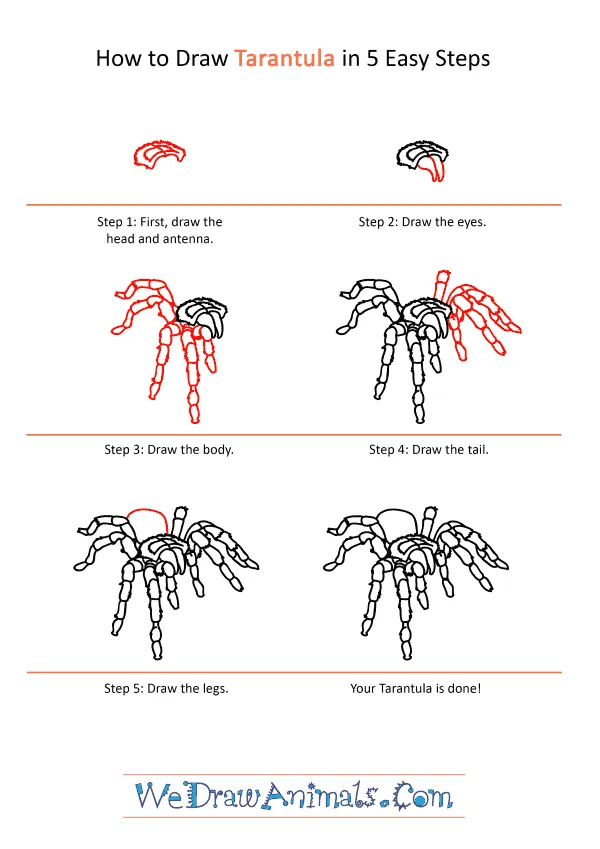
Learning how to draw a cartoon tarantula is a fun and engaging activity for artists of all levels. This step-by-step guide will walk you through the process, making it easy and enjoyable. Whether you’re a beginner or an experienced artist, you’ll find the instructions clear and the outcome rewarding. Get ready to unleash your creativity and bring a cute, cartoon tarantula to life on paper!
Supplies You’ll Need to Draw a Tarantula
Before you begin, gather your art supplies. You won’t need much, but having the right tools will make the process smoother and more enjoyable. Here’s what you’ll need:
- Pencil
- Eraser
- Paper
- Coloring Pencils, Markers, or Crayons (optional)
- A reference image of a tarantula (optional, but helpful)
Step 1 Draw the Tarantula’s Body
The body of your cartoon tarantula is the foundation of your drawing. Start with simple shapes and build from there. This initial step is crucial for getting the proportions right and ensuring your tarantula looks balanced and appealing. Remember, cartoon characters often exaggerate features, so don’t be afraid to be playful with the shapes.
Creating the Main Body Shape

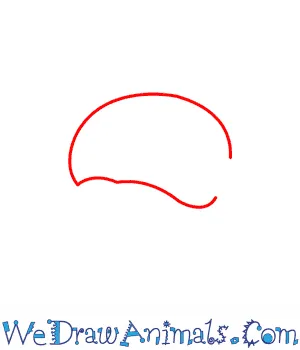
Begin by drawing a rounded, slightly oval shape for the abdomen. This will be the largest part of the tarantula’s body. Next, draw a smaller, more circular shape above it for the cephalothorax (the head and chest combined). The cephalothorax should be connected to the abdomen, creating a cohesive body structure. See the image tarantula-body-shape.webp for guidance.
Defining the Cephalothorax
Refine the cephalothorax by slightly flattening the top. This will give it a more distinct look. Add a subtle curve where the head meets the body, and make sure the overall shape is smooth and rounded, avoiding any sharp edges. This helps create a friendly and approachable cartoon tarantula.
Step 2 Sketching the Legs
Now, it’s time to add the legs! Tarantulas have eight legs, and in a cartoon, you can simplify the process while still capturing their essence. Think about how the legs will connect to the cephalothorax and how they will be positioned to give the impression of movement or stance. See the image tarantula-legs.webp for visual reference.
Adding the Front Legs
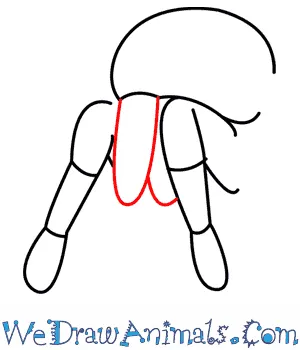
Start by drawing the front legs. These legs are usually the longest and often held out in front. Draw two pairs of legs extending from the sides of the cephalothorax. Keep the lines simple and slightly curved, and consider adding small, pointed tips to indicate the claws. The front legs help to give a sense of character.
Positioning the Rear Legs
Next, draw the rear legs. These legs are generally shorter and positioned more to the sides and back of the body. As with the front legs, use simple curved lines. Consider varying the angle of the legs to create a sense of movement or personality. Making one leg raised can convey the cartoon character’s emotion.
Step 3 Detailing the Eyes and Fangs
Now that you have the basic shape and legs, let’s add the details that will bring your cartoon tarantula to life. The eyes and fangs are key elements in expressing the character’s personality. Decide what kind of expression you want to convey — friendly, mischievous, or something else—and let that guide your drawing choices. See tarantula-eyes-fangs.webp for a reference.
Drawing the Eyes
Tarantulas have multiple eyes, but in a cartoon, you can simplify this by drawing two large, expressive eyes. Position the eyes on the front of the cephalothorax. You can make them round, oval, or any shape that suits your style. Add pupils and highlights to make the eyes seem bright and engaging. Remember, the eyes are the windows to the soul!
Adding the Chelicerae Fangs
Below the eyes, add the chelicerae (fangs). You can draw these as small, curved lines or slightly larger, pointed shapes, depending on the style you’re going for. In a cartoon, you can make the fangs exaggerated to add to the character’s personality. They can look sharp, cute, or even comically small.
Step 4 Adding Texture and Color
With the basic structure in place, it’s time to add texture and color to your cartoon tarantula. This will make your drawing more visually interesting and bring it to life. Consider the various textures of a real tarantula, such as the hairy body and smooth legs, and try to capture these elements in your drawing. Refer to tarantula-texture.webp for a reference.
Adding Hair and Texture

To add a hairy texture, you can use short, quick strokes to create a fuzzy effect on the body and legs. Vary the length and direction of the strokes to add depth and visual interest. You can also add small dots or dashes for added texture. Remember to adjust the texture according to the style you want for your drawing.
Choosing the Right Colors
When it comes to color, tarantulas come in a variety of shades, from brown and black to vibrant oranges and reds. Choose colors that you like and that fit the style of your drawing. You can use coloring pencils, markers, or crayons. Consider shading and highlights to give your tarantula a three-dimensional appearance. Lightly shaded areas make a more realistic and dynamic drawing.
Step 5 Final Touches and Shading
The final touches and shading can make a big difference in the overall look of your cartoon tarantula. Adding shadows and highlights will give your drawing depth and make it appear more realistic. Pay attention to where the light source is coming from and adjust your shading accordingly. See the image tarantula-shading.webp for a reference.
Adding Shadows

Decide on your light source and then add shadows to create depth. Areas that are hidden from the light source will have darker shadows. You can use a pencil, marker, or crayon to create these shadows. Adding shadows creates a more realistic effect. Start with a light shading and progressively darken areas to add shadows. Use the reference image as guidance.
Finalizing the Drawing
Once you’ve added the shadows and highlights, take a step back and look at your drawing. Make any final adjustments to the lines, colors, and details. You can also add a background or other elements to enhance the composition. Your goal is to create a drawing that is appealing, fun, and captures the essence of a cartoon tarantula. Take a look at tarantula-final-drawing.webp to see how the final drawing might look.
Congratulations, you’ve learned how to draw a cartoon tarantula! Keep practicing, experiment with different styles, and most importantly, have fun. Drawing is a skill that improves with practice, so the more you draw, the better you’ll become. Enjoy the process of creating your own unique cartoon tarantula!