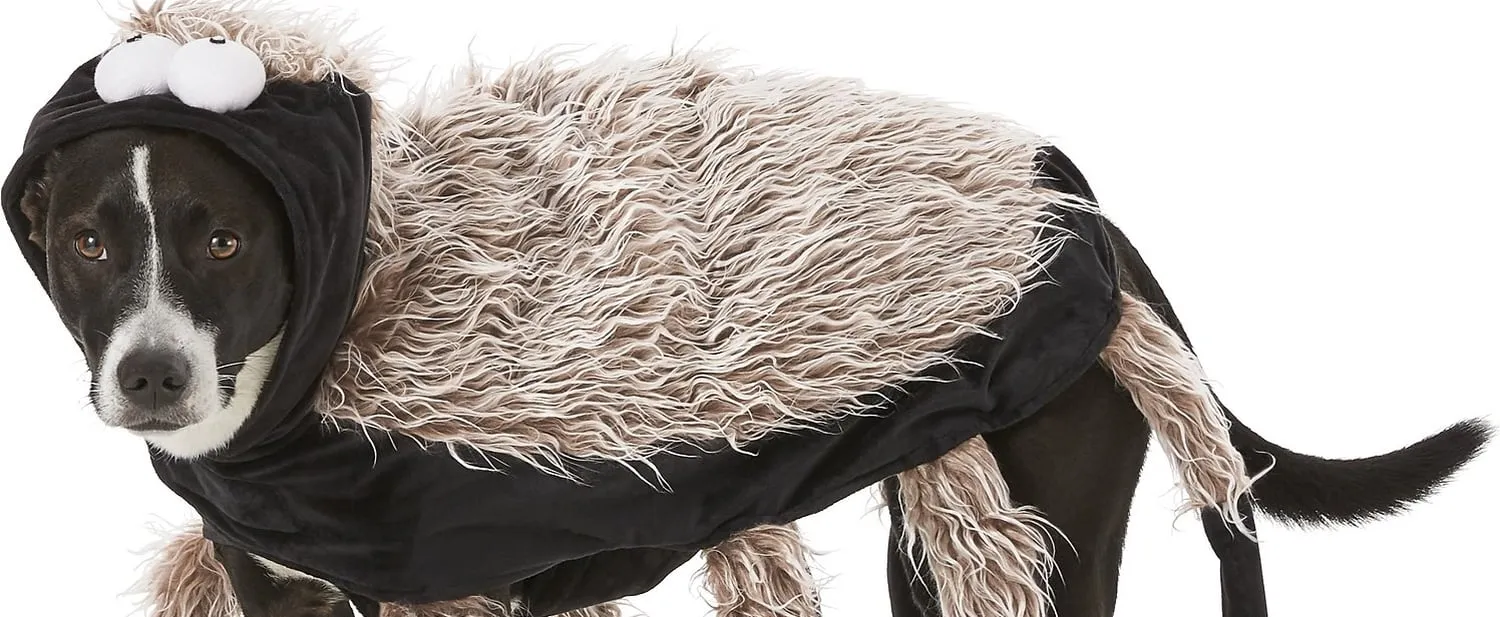
Transform your furry friend into a spooky sensation this Halloween with a DIY dog tarantula costume! This guide provides easy-to-follow instructions for creating a fun and comfortable costume that will make your dog the star of the neighborhood. Get ready to unleash your creativity and make this Halloween unforgettable. Whether you’re a seasoned crafter or a beginner, this guide will help you every step of the way. Let’s get started creating a memorable Halloween experience for both you and your dog.
What You’ll Need for Your DIY Tarantula Dog Costume
Before diving into the fun, gather all the necessary materials and tools. This ensures a smooth crafting process and prevents any last-minute trips to the store. Preparing your workspace and gathering your supplies will make the project much more enjoyable. Here’s a comprehensive list of what you’ll need to create an amazing DIY dog tarantula costume. Be sure to have everything ready before you begin to maximize your crafting time.
Materials
The materials you choose will significantly impact the costume’s look and comfort. Consider your dog’s size, breed, and sensitivity when selecting these items. Opt for lightweight, non-toxic materials to ensure your pet’s safety and comfort. Here is a list of essential materials you’ll need for your project. Remember, you can always adjust the materials based on your preferences and the look you’re aiming for.
- Black or brown felt (for the body and legs)
- Foam sheets (for structure)
- Elastic bands or Velcro straps (for securing the costume)
- Hot glue gun and glue sticks
- Scissors or craft knife
- Measuring tape
- Pencil or marker
- Optional decorations (googly eyes, spiderweb fabric)
Tools

Having the right tools at hand makes the crafting process easier and more efficient. These tools will help you cut, shape, and assemble the costume components with precision. Proper tools not only make the job easier but also contribute to the overall quality of the finished product. Double-check that you have all the necessary tools before you begin to prevent any interruptions during your crafting session. Remember to use caution while handling sharp tools.
- Scissors or craft knife
- Hot glue gun and glue sticks
- Measuring tape
- Pencil or marker
- Ruler
Choosing the Right Size for Your Dog
A well-fitting costume is crucial for your dog’s comfort and safety. Before you start crafting, accurately measure your dog to ensure the costume fits properly. A costume that’s too tight can restrict movement and cause discomfort, while one that’s too loose might be a tripping hazard. Taking the time to measure your dog correctly ensures a safe and enjoyable experience for your furry friend. Proper sizing also enhances the overall appearance of the costume.
Measuring Your Dog
Accurate measurements are the foundation of a well-fitting costume. Use a flexible measuring tape to measure your dog’s chest, neck, and back length. These measurements will help you determine the correct size for the costume’s body. Precise measurements will help you create a costume that’s both comfortable and visually appealing. Consider taking multiple measurements and averaging them for the most accurate results. Always measure while your dog is standing.
- Chest circumference (measure around the widest part of the chest)
- Neck circumference (measure around the neck where the collar sits)
- Back length (measure from the base of the neck to the base of the tail)
Considering Dog Breed and Comfort

Consider your dog’s breed and comfort when designing the costume. Some breeds have unique body shapes that require specific adjustments. Prioritize materials that are soft, breathable, and non-irritating. Think about how the costume will affect your dog’s movement and activities. A well-designed costume accommodates your dog’s natural movements, ensuring they can still play, walk, and eat comfortably. Consider the weather conditions and choose materials accordingly to keep your dog safe and happy.
Step-by-Step Instructions
Follow these detailed step-by-step instructions to create your dog’s tarantula costume. We’ll guide you through each stage, from creating the body to attaching the legs. Take your time, and don’t be afraid to make adjustments as needed. With patience and attention to detail, you’ll create a fantastic costume that your dog will love (or at least tolerate!). Remember to have fun and enjoy the process of crafting something special for your furry companion. Each step is designed to be easy to follow.
Creating the Body
The body of the tarantula costume is the foundation. Start by cutting two oval shapes from felt or foam sheets, based on your dog’s measurements. These ovals will form the top and bottom of the body. You can then attach these shapes together with glue or stitching. Consider the overall size and shape of the body to ensure it complements your dog’s form. This step sets the stage for the rest of the costume, so ensure it fits well and is comfortable for your dog.
Use the foam sheets to provide the structure of the tarantula body. Cut out the shapes to create the body of the costume, and then glue the felt on the foam to create the shape that will be comfortable on your dog. Make sure to not use materials that could potentially hurt the dog.
Constructing the Legs

The legs give the tarantula costume its distinctive look. Cut eight long, slender legs from felt or another sturdy fabric. For a more realistic look, you can add some bend or curve to the legs. Using a hot glue gun, attach a wire (optional) inside each leg to make them posable. The legs should be proportionate to the body, so they are not too long or too short. Shape the legs for a natural tarantula look. The right leg design will make your costume stand out.
Attaching the Legs to the Body
Attach the legs to the body of the costume. Evenly space the legs around the body. Use hot glue or strong adhesive to secure them firmly. Make sure that the legs are positioned so they don’t impede your dog’s movement. The way you attach the legs impacts the final look. Careful and secure attachment ensures the costume’s durability. Test the position of the legs before gluing to ensure they are aesthetically pleasing and functional.
Adding Finishing Touches
Once the main structure is complete, it’s time to add finishing touches. This is where you can get creative and personalize the costume. Adding eyes, fangs, or other decorations can make your dog’s costume truly unique. Finishing touches can enhance the costume’s visual appeal and create a memorable Halloween experience. These small additions can greatly improve the overall look of the costume. Let your creativity shine through the finishing details.
Ensuring Dog Safety

Your dog’s safety is paramount. Always use non-toxic materials and ensure that the costume doesn’t restrict your dog’s movement, vision, or breathing. Avoid small, detachable parts that could be a choking hazard. Regularly inspect the costume for any signs of wear and tear. Safety is the most important part of your project. Always monitor your dog while they are wearing the costume. A safe costume ensures a worry-free Halloween.
Testing the Costume
Before your dog wears the costume for an extended period, conduct a test run. Let your dog wear the costume for a short time in a controlled environment. Observe their behavior to see if they are comfortable and can move freely. Check for any signs of discomfort or anxiety. Make any necessary adjustments to ensure a perfect fit. A trial run allows you to identify and fix any potential issues. A well-tested costume guarantees a fun and safe experience.
Styling Ideas and Variations
Get creative with styling! You can customize your dog’s tarantula costume with various colors, materials, and accessories. Experiment with different design elements to create a unique and personalized look. From simple to elaborate designs, there is no limit to the possibilities. Incorporating styling ideas will make your dog’s costume more eye-catching and fun.
Color and Material Choices

Consider the color scheme and materials to create a striking costume. Black and brown are classic choices for a tarantula, but feel free to experiment with other colors. Choose materials that are comfortable, durable, and easy to work with. Your choice of color and material greatly impacts the costume’s overall appearance. Select colors that complement your dog’s fur and personality. Experiment with different textures to create a unique look.
Adding Spiders or Webs
Enhance the tarantula theme by adding spiderwebs or even small toy spiders to the costume. Use fabric paint or adhesive to create web patterns. Attach small toy spiders to the costume using glue or stitches. Adding these details will increase the creepiness and make the costume even more realistic. These little additions will add a wow factor. Let your dog’s costume stand out with these spooky details.
Frequently Asked Questions
Here are some common questions and answers to help you create the perfect DIY dog tarantula costume. Address common concerns about costume care, dog comfort, and troubleshooting. This FAQ section provides additional guidance and support. Reviewing these questions will provide you with the knowledge and confidence to create an exceptional costume. Find the answers to common issues.
How to clean the costume

To clean your dog’s tarantula costume, gently spot clean it with a damp cloth and mild soap. Avoid using harsh chemicals that could irritate your dog’s skin or damage the materials. Allow the costume to air dry completely before storing or using it again. Regularly cleaning your costume ensures your dog’s comfort and extends its lifespan. Proper care will keep the costume looking its best for many Halloweens.
What to do if my dog doesn’t like the costume
If your dog shows signs of discomfort or distress, remove the costume immediately. Gradually introduce the costume to your dog, letting them wear it for short periods. Reward them with treats and praise to create positive associations. If your dog is still unwilling, consider modifying the costume or trying a simpler design. Never force your dog to wear a costume they dislike. Prioritize your dog’s comfort and happiness.
With this guide, you’re well on your way to creating a fantastic DIY dog tarantula costume. Have fun crafting, and enjoy the spooky season with your furry friend! Remember to prioritize your dog’s safety and comfort above all else. Happy Halloween!