What is the Desert Blonde Tarantula?
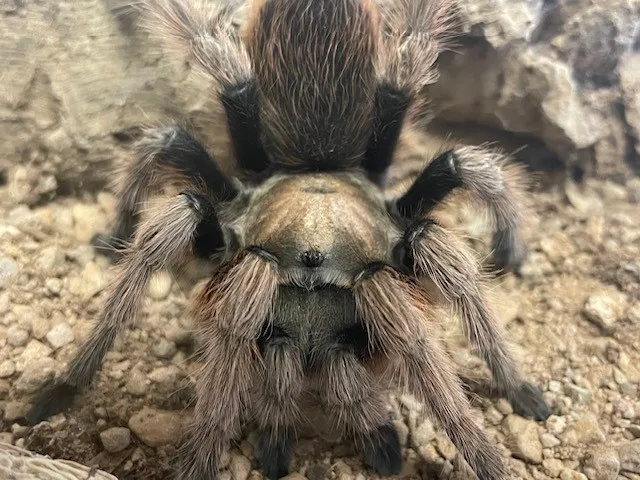
The Desert Blonde Tarantula (Aphonopelma chalcodes) is a captivating arachnid native to the arid regions of the southwestern United States and northern Mexico. Known for its docile temperament and striking appearance, this tarantula has become a popular choice for pet enthusiasts. Characterized by its golden-brown coloration, the Desert Blonde Tarantula blends seamlessly with its desert habitat. They are ambush predators, patiently waiting in their burrows or under rocks for unsuspecting prey. Despite their imposing size, these tarantulas are generally not aggressive, making them relatively easy to handle and observe. Understanding the characteristics, size, and behaviors of the Desert Blonde Tarantula offers a deeper appreciation for these fascinating creatures and their role in the desert ecosystem. Their presence adds a unique element of biodiversity to the harsh landscapes they call home.
Physical Characteristics
The Desert Blonde Tarantula boasts a distinctive appearance that contributes to its allure. The most prominent feature is its overall coloration, ranging from a light tan to a golden-brown hue, which provides excellent camouflage in its desert environment. The carapace, the protective shell covering the cephalothorax (fused head and chest), often displays a slightly darker shade than the rest of the body. Fine hairs cover the tarantula’s body, giving it a velvety texture. These hairs also play a crucial role in sensory perception and defense. The eight legs are sturdy and proportionate, allowing for efficient movement across various terrains. Their chelicerae, or fangs, are relatively large and used for capturing prey and self-defense. The abdomen, which is typically oval-shaped, can expand or contract depending on the tarantula’s feeding habits. The overall appearance of the Desert Blonde Tarantula is one of elegance and adaptability, perfectly suited for its desert life.
Size and Leg Span

The size of a Desert Blonde Tarantula is a frequently asked question, and the answer varies depending on several factors. Generally, adult females are larger than males. Females typically reach a body length of 2 to 2.5 inches (5 to 6.5 cm), with a leg span that can extend up to 5 to 6 inches (12.7 to 15.2 cm). Males, on the other hand, tend to be slightly smaller, with a body length of about 1.5 to 2 inches (3.8 to 5 cm) and a leg span of 4 to 5 inches (10.2 to 12.7 cm). The leg span is measured from the tip of one leg to the tip of the opposite leg when the tarantula is fully extended. These measurements provide a general understanding, but individual sizes can fluctuate based on the availability of food, the environment, and the age of the tarantula. While not the largest tarantula species, the Desert Blonde Tarantula’s size contributes to its impressive presence and appeal.
How to Measure a Desert Blonde Tarantula’s Size
Measuring a Desert Blonde Tarantula requires a gentle approach, focusing primarily on the leg span as the most common size indicator. To measure accurately, it is best to have the tarantula on a clear, flat surface. The easiest method involves using a ruler or a measuring tape. Carefully extend the tarantula’s legs as much as possible, ensuring they are straight, and then measure the distance from the tip of one leg to the tip of the opposite leg on the same side. For body length, you can gently measure from the front of the carapace to the end of the abdomen. Always handle the tarantula with care and avoid stressing it. Observing the tarantula’s behavior during the measurement process is crucial; if it appears agitated, stop immediately. It is also vital to remember that tarantulas are delicate, and excessive handling should be avoided. Regular size monitoring can also be done during molting, as the discarded exoskeleton will provide an accurate size reference.
Factors Influencing Size
Several factors influence the size of a Desert Blonde Tarantula. Nutrition is a significant factor; a diet rich in a variety of insects and other invertebrates can lead to larger growth. The availability of food during the tarantula’s growth stages is crucial, with regular feeding contributing to a larger size. The environment also plays a vital role; proper temperature and humidity levels optimize molting and growth. The tarantula’s genetics also dictate its ultimate size; larger individuals are more likely to produce larger offspring. Furthermore, the sex of the tarantula is an important determinant, with females typically growing larger than males. The age of the tarantula is a critical factor, as they continue to grow with each molt until they reach maturity. A healthy and stable environment, combined with a balanced diet and genetic predisposition, ensures the Desert Blonde Tarantula reaches its full size potential.
Diet and Nutrition

A balanced diet is critical for the proper growth and development of the Desert Blonde Tarantula. Their diet primarily consists of insects, including crickets, mealworms, and roaches. The size and type of prey should be appropriate for the tarantula’s size; smaller tarantulas require smaller insects to avoid any harm. They benefit from a varied diet, offering a range of nutrients. Feeding frequency depends on the tarantula’s age and size; younger, growing tarantulas will need to be fed more often than adults. Overfeeding should be avoided, as it can lead to health problems. It is essential to remove any uneaten prey from the enclosure to prevent stress and potential harm to the tarantula. Regular access to fresh water is equally important; a shallow water dish should always be available. Providing proper nutrition and hydration supports healthy molting and overall well-being.
Age and Growth
The growth of a Desert Blonde Tarantula is an ongoing process until it reaches adulthood. They grow by molting, a process where they shed their exoskeleton to reveal a new, larger one. Young tarantulas molt frequently, sometimes every few months, while adults molt less often, perhaps once a year or even less. The molting process is a vulnerable time for the tarantula, and it should not be disturbed. The frequency of molting slows as the tarantula ages; the more molts, the larger the tarantula becomes. The age of a Desert Blonde Tarantula can be estimated based on its size and molting history. A tarantula’s lifespan can vary; females can live for over 20 years, while males typically live for around 5 to 10 years. Understanding the growth cycle is essential for providing proper care and ensuring the tarantula’s health and longevity. The Desert Blonde Tarantula’s life is a testament to the marvels of natural growth and adaptation.
Male vs Female Size Differences
A notable difference between male and female Desert Blonde Tarantulas is their size. Females generally reach a larger size than males. This size difference is primarily due to the reproductive roles of the sexes. Females invest significant energy in producing eggs, and thus, they have a longer lifespan and a larger size to support reproduction. Males, on the other hand, tend to mature faster and have a shorter lifespan after reaching sexual maturity. In addition to size, other physical characteristics can help differentiate between the sexes. Males often have smaller bodies, longer legs, and more pronounced mating hooks on their front legs, which they use during the mating process. The presence of these features indicates a mature male. Understanding these distinctions is essential for both pet owners and researchers when caring for or studying these fascinating creatures.
Comparing Desert Blonde Tarantula Size to Other Species

Compared to other tarantula species, the Desert Blonde Tarantula is considered of moderate size. While not the largest tarantulas in the world, such as the Goliath Birdeater (Theraphosa blondi), which can have a leg span of over 10 inches (25 cm), the Desert Blonde Tarantula still presents an impressive presence. When compared to other common pet tarantulas, like the Chilean Rose Hair Tarantula (Grammostola rosea), the Desert Blonde is often slightly larger, particularly in females. The size can depend on the individual’s lineage and care. The Desert Blonde Tarantula’s size is a well-balanced aspect of its appeal, offering a manageable size for hobbyists while still providing an exciting display of nature’s artistry. Its size makes it easier to handle and observe compared to larger species while presenting a unique appearance.
Common Misconceptions about Size
There are several misconceptions about the size of Desert Blonde Tarantulas. One common myth is that they are extremely venomous and can grow to gigantic sizes. While they possess venom, it is not typically considered dangerous to humans, and their size is moderate compared to other tarantula species. Another misconception involves their aggressiveness; these tarantulas are known for their relatively docile nature, and they tend to be less aggressive than some other tarantula species. Misconceptions can lead to unnecessary fear or unrealistic expectations. Understanding their true size, behavior, and potential risks is crucial for responsible pet ownership and conservation. It is essential to rely on accurate information from reliable sources to dispel these myths and foster a greater appreciation for these amazing creatures.