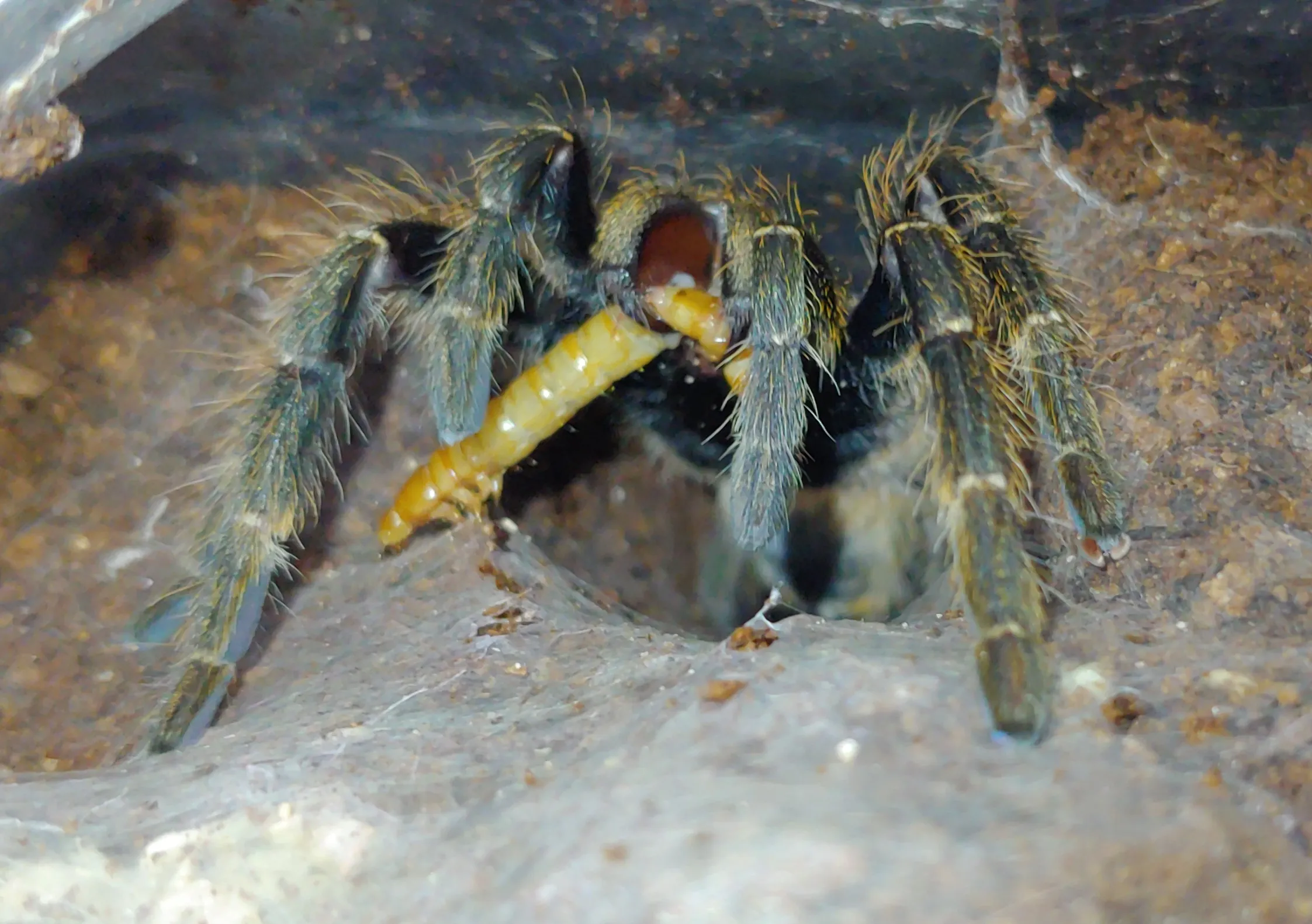
What is a Darlingi Tarantula?
The Darlingi Tarantula, scientifically known as Megaphobema robustum, is a fascinating and relatively uncommon species within the tarantula family. Belonging to the New World tarantulas, this species is known for its striking appearance and unique characteristics. While not as frequently kept as some other tarantula species, the Darlingi Tarantula offers an exciting challenge for experienced arachnid enthusiasts. Understanding its origins, habitat, and specific needs is crucial for anyone considering keeping this magnificent creature as a pet. They are known for their impressive size and defensive behaviors, making them a captivating subject of study and admiration for those who appreciate the intricacies of the natural world. Their presence adds a touch of exoticism to any collection, yet they demand respect and careful attention from their keepers. This guide will delve into the essential aspects of Darlingi Tarantula care, ensuring you are well-informed before bringing one home.
Origin and Habitat of the Darlingi Tarantula
The Darlingi Tarantula originates from the tropical rainforests of South America, specifically found in countries like Brazil, Colombia, and Venezuela. In their natural habitat, these tarantulas live in burrows, often under the protection of logs, rocks, or leaf litter. The humid and warm environment of the rainforest is essential for their survival, as it provides the necessary moisture and temperature conditions. They thrive in an environment rich with insects and other invertebrates, which form the basis of their diet. Understanding their natural habitat helps to replicate their needs in captivity, ensuring their well-being and longevity. The Darlingi Tarantula’s behavior and physical adaptations have evolved to suit the conditions of its native ecosystem, and this knowledge is fundamental to providing appropriate care in a domestic setting. Replicating the temperature, humidity, and substrate of their natural environment is essential for their health and happiness. This knowledge allows keepers to create a suitable habitat and support the tarantula’s natural behaviors.
Appearance and Characteristics of Darlingi Tarantulas

Darlingi Tarantulas are known for their robust build and striking appearance. Their bodies are typically covered with a dense coat of hairs, which can vary in color from dark brown to reddish-brown, providing them with camouflage in their natural environment. They possess large, powerful chelicerae, used for capturing and subduing prey. The legs are thick and sturdy, facilitating their movement both on the ground and within their burrows. Their overall appearance reflects their predatory lifestyle, making them a truly impressive sight. These features showcase their adaptation to their environment, including their defense and hunting mechanisms. The tarantula’s appearance, including the unique coloration and hair patterns, serves various purposes, such as thermoregulation, protection, and communication. Observing these physical characteristics helps in understanding the spider’s biology, behavior, and needs. The Darlingi Tarantula’s physical traits exemplify the fascinating adaptations that have evolved to ensure survival in their native habitat.
Size and Coloration
Darlingi Tarantulas are among the larger tarantula species, with a leg span that can reach up to 8 inches (20 cm) or more. The coloration is generally a mix of dark browns and reddish hues, which can vary slightly between individuals. The carapace, or the top of the cephalothorax, often features a distinctive pattern, contributing to the spider’s striking appearance. Their large size and vibrant colors add to their appeal, making them a favorite among tarantula enthusiasts. Understanding the size and coloration is crucial when choosing appropriate housing and creating a visually appealing enclosure. The visual characteristics of the Darlingi Tarantula can also provide insights into its overall health and well-being. Color changes can sometimes signal molting, stress, or other health-related issues, making it an important aspect of the keeper’s monitoring process. Observing these changes is a core element of proper Darlingi Tarantula care.
Behavior and Temperament
Darlingi Tarantulas are known for their defensive temperament. They are generally not recommended for handling, as they can be quick to exhibit threat postures, such as raising their front legs and showing their fangs. They may also flick urticating hairs from their abdomen as a defense mechanism. It is crucial to respect their space and understand their behavior to ensure both the safety of the keeper and the well-being of the spider. These spiders are not typically aggressive if left undisturbed, and they prefer to retreat to their burrows when feeling threatened. Understanding their behavior allows keepers to create a safe and enriching environment, where the tarantula can thrive without unnecessary stress. Observing their behavior is an essential part of ensuring their welfare, preventing any potential harm. Approaching them with caution and observing their actions allows for an enriching experience for both the keeper and the spider.
Key Facts About Darlingi Tarantula

- Origin: South American rainforests (Brazil, Colombia, Venezuela)
- Size: Up to 8 inches (20 cm) leg span
- Temperament: Defensive, not recommended for frequent handling
- Habitat: Terrestrial, burrowing species
- Lifespan: Females can live for 10-15 years or more, males shorter
Feeding Habits and Diet
Darlingi Tarantulas are carnivores, and their diet in the wild consists mainly of insects and other invertebrates. They are ambush predators, waiting patiently for prey to come within striking distance. Their chelicerae are equipped with fangs that inject venom, paralyzing or killing their prey. In captivity, it’s essential to provide them with a varied and nutritious diet to keep them healthy. Their natural predatory instincts shape their feeding behavior, and providing a suitable diet is vital for their overall well-being. Understanding their feeding habits helps in creating an enriching environment. They also play a crucial role in controlling populations of insects in their natural environment. Their feeding mechanisms are a fascinating aspect of their biology, and observing them hunt and consume food offers valuable insight into their lifestyle.
What Do Darlingi Tarantulas Eat?
In captivity, Darlingi Tarantulas should be fed a diet primarily composed of insects. Suitable options include crickets, mealworms, dubia roaches, and other commercially available insect feeders. The size of the prey should be appropriate for the tarantula’s size; juveniles should be given smaller insects, while adults can handle larger ones. It is also advisable to dust the feeder insects with a calcium and vitamin D3 supplement to ensure the tarantula gets the necessary nutrients for proper growth and health. Variety in the diet can also benefit the tarantula, and occasionally offering a pinkie mouse (for adults) can provide additional nutrition. Always ensure the insects are from a reliable source, free of pesticides or parasites, which can harm your tarantula. Monitoring the tarantula’s feeding response and body condition is a good way to ensure it’s receiving an adequate diet.
How to Feed Your Darlingi Tarantula

Feeding frequency depends on the age and size of the tarantula. Spiderlings should be fed more frequently, possibly every other day, while adults can be fed once or twice a week. Place the live prey into the enclosure, and allow the tarantula to hunt and consume it. Remove any uneaten prey after 24 hours to prevent them from stressing the tarantula or causing potential injury. Always provide a shallow water dish with fresh water for the tarantula to drink. Observe the tarantula’s feeding behavior and adjust the feeding schedule accordingly. Overfeeding can lead to obesity and health issues, while underfeeding can stunt growth. The goal is to strike a balance that ensures the tarantula’s health. Regular cleaning and maintenance, including the removal of any leftover food, are essential to maintain a healthy environment.
Darlingi Tarantula Lifespan and Reproduction
The Darlingi Tarantula, like other tarantula species, has a significant lifespan. Females can live for 10 to 15 years or even longer, while males typically have a shorter lifespan, often only living for a few years after reaching maturity. Understanding these lifespans is crucial for prospective owners, as they need to be committed to providing care for an extended period. The lifespan is influenced by several factors, including genetics, care, and environment. Female Darlingi Tarantulas, in particular, can become long-term companions if properly cared for. This long lifespan is one of the many captivating aspects of owning a tarantula. Knowing the lifespan is vital when making the commitment to care for a Darlingi Tarantula, providing insight into what to expect over its life cycle.
Mating and Egg Sacs
Breeding Darlingi Tarantulas in captivity can be challenging and requires careful planning and experience. The male tarantula will need to be introduced to the female, and the keeper must monitor the pair closely for signs of aggression. If mating is successful, the female will produce an egg sac, which she will guard and care for. The egg sac contains numerous eggs, and the spiderlings will eventually hatch. The process from mating to hatching involves several stages. The entire breeding process is delicate, requiring constant attention and a suitable environment. Providing the proper environment, including temperature and humidity, is key to successful breeding. The spiderlings will go through several molts. The complexity of breeding and the unique behaviors involved offer a rewarding opportunity for experienced keepers.
Caring for Darlingi Tarantula

Providing appropriate care is essential to the health and well-being of a Darlingi Tarantula. This includes creating a suitable habitat, providing a proper diet, and maintaining the correct environmental conditions. The Darlingi Tarantula’s needs are specific, and understanding them will greatly increase the chance of a successful, healthy, and long-lived spider. Regular monitoring for any signs of illness or stress is equally important. Properly caring for a Darlingi Tarantula is a rewarding experience, allowing keepers to observe the fascinating life cycle and behavior of this captivating species. By following these guidelines, keepers can ensure that their Darlingi Tarantula thrives, providing years of enjoyment. Understanding these aspects is an important part of successful tarantula care.
Enclosure Setup
The enclosure should be spacious enough to allow the tarantula to move comfortably, with dimensions suitable for its size. A glass or acrylic terrarium with a secure lid is recommended. The enclosure should be well-ventilated to ensure proper air circulation. The substrate should be deep enough for burrowing, ideally consisting of a mixture of peat moss, vermiculite, and coconut fiber. This mixture will help retain moisture and allow the tarantula to create its burrow. Decorations should include a hide or shelter, such as a piece of cork bark, to provide a secure place for the tarantula to retreat. Live or artificial plants can also be added to provide visual interest. The overall setup should mimic the tarantula’s natural habitat, providing the right conditions for its well-being. Maintaining the right balance of elements is key to creating an enriching and comfortable environment.
Humidity and Temperature
Darlingi Tarantulas require a specific range of humidity and temperature to thrive. The ideal temperature range is between 75°F and 85°F (24°C and 29°C). A heat source, such as a heat mat or ceramic heat emitter, can be used to maintain the temperature, but it should be regulated with a thermostat to prevent overheating. The humidity should be kept between 70% and 80%. This can be achieved by misting the enclosure regularly with water. A hygrometer should be used to monitor humidity levels. Adequate ventilation is essential to prevent the buildup of mold and bacteria. The correct temperature range is essential for their health and well-being. Humidity is crucial for facilitating successful molting and preventing dehydration. Regularly monitoring the environmental conditions within the enclosure is key to maintaining optimal living conditions.
Handling and Safety
Due to their defensive temperament, Darlingi Tarantulas are not recommended for handling. If handling is necessary (e.g., for enclosure maintenance), it should be done with extreme caution and only by experienced keepers. Avoid sudden movements and be aware that the tarantula can be quick to bite or flick urticating hairs. If bitten, the bite is not typically life-threatening but can be painful. Always wear gloves and eye protection when handling or cleaning the enclosure. Urticating hairs can cause skin irritation and respiratory issues, so it is important to take precautions. A safe approach helps both the keeper and the spider. Respecting the spider’s boundaries and understanding its behavior is key to safe handling and care. The safety of the keeper should be prioritized, and knowledge and caution are essential.
Health and Common Issues
Like all tarantulas, Darlingi Tarantulas can be prone to certain health issues. Common problems include dehydration, mites, and fungal infections. Dehydration can be prevented by providing a constant supply of fresh water and maintaining appropriate humidity levels. Mites can often be addressed by maintaining a clean enclosure and quarantining new additions before introducing them to the main enclosure. Fungal infections can be minimized by ensuring proper ventilation and substrate hygiene. Regular observation for any changes in behavior or physical appearance is essential for early detection and treatment of any health concerns. If you notice any signs of illness, it is crucial to consult with a veterinarian experienced in treating exotic animals. Preventing and promptly treating these conditions will ensure the Darlingi Tarantula thrives in its captivity.
In conclusion, the Darlingi Tarantula is a fascinating and rewarding species for experienced tarantula keepers. By understanding their needs and providing proper care, you can enjoy observing their unique behaviors and appreciate the wonders of the arachnid world. Remember to research thoroughly, provide a suitable environment, and prioritize safety and respect for this remarkable species. With proper care, Darlingi Tarantulas can thrive and provide years of enjoyment. Their distinctive characteristics and unique habits will make them a rewarding addition to any collection. Remember that responsible pet ownership is key to ensuring the well-being and longevity of these amazing creatures.