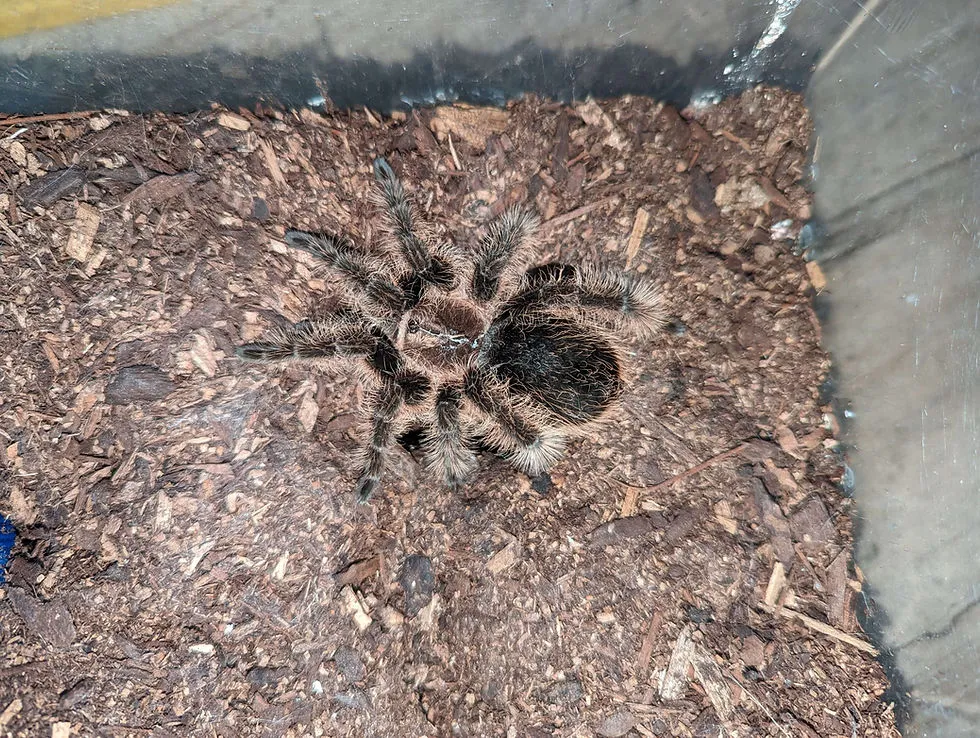
What is a Pink Curly Hair Tarantula?
The Pink Curly Hair Tarantula (Tliltocatl albopilosus), often simply called the Curly Hair Tarantula, is a popular choice for both novice and experienced tarantula keepers. These fascinating creatures are known for their docile nature, unique appearance, and manageable size. This species originates from Central America and is recognized by the distinctive reddish-brown hairs that curl across their body, giving them a charming and easily recognizable look. Their overall color typically ranges from dark brown to black, providing a striking contrast to the lighter, sometimes pinkish, hairs. They are relatively hardy and adaptable, which adds to their appeal as pets.
Appearance and Identification
Identifying a Pink Curly Hair Tarantula is usually quite straightforward. They are medium-sized tarantulas, with a leg span typically reaching up to 5-6 inches. The most defining feature is the presence of numerous curly hairs, especially on their carapace (the top of their cephalothorax) and legs. These hairs are not only visually appealing but also serve a defensive purpose. Their bodies are a deep, rich brown color, and the contrasting curly hairs can range from a reddish-brown to a lighter, almost pink hue, particularly noticeable in younger specimens. The combination of the dark body and lighter hairs makes for a beautiful and intriguing appearance.
Habitat and Natural Environment

In the wild, Pink Curly Hair Tarantulas primarily inhabit the tropical and subtropical regions of Central America. They are terrestrial spiders, meaning they live on the ground, and are well-adapted to burrowing. They prefer habitats with moist, well-drained soil, often under leaf litter, rocks, or within the roots of plants. These tarantulas are nocturnal hunters, spending the daylight hours in their burrows to avoid the heat and predators. The availability of prey, along with appropriate humidity and temperature levels, is crucial for their survival in their natural environment. Understanding their natural habitat is key to providing the correct care in a captive environment.
Origin and Geographic Location
The Pink Curly Hair Tarantula is native to the tropical forests of Costa Rica and Nicaragua. This specific geographical origin influences their needs in captivity, especially concerning the conditions in which they thrive. The warm, humid environment of these regions is mirrored in the recommended care guidelines for keeping them as pets. Knowledge of their origin helps keepers replicate the appropriate conditions within an enclosure, leading to healthier and happier tarantulas. This connection to their natural environment is a core element of providing excellent care.
Top 5 Interesting Facts about Curly Tarantulas
Fact 1: The ‘Curly’ Hairs

The namesake ‘curly’ hairs of this tarantula are not just for show they also play a role in the spiders defense. The hairs are called urticating hairs. When the tarantula feels threatened, it will flick these hairs off its abdomen toward the threat. These hairs can cause irritation to the skin and eyes, deterring potential predators. The curl of the hairs adds to their effectiveness, ensuring they stick and irritate more effectively. This unique defense mechanism is a key aspect of their survival in the wild, setting them apart from many other tarantula species.
Fact 2: Their Defensive Mechanism
Aside from their urticating hairs, Pink Curly Hair Tarantulas are also known for their generally docile temperament. While they may flick their hairs as a first line of defense, they rarely bite unless severely provoked. They often prefer to flee or hide when they feel threatened. This makes them a popular choice for pet owners. This combination of defensive mechanisms and a generally calm demeanor contributes to their appeal as manageable and relatively safe pets.
Fact 3: Lifespan of a Curly Hair Tarantula
Pink Curly Hair Tarantulas can live for a considerable amount of time, particularly females. Females typically live for 10 to 12 years, sometimes even longer with optimal care. Males, however, have a shorter lifespan, usually only surviving for 3 to 5 years after reaching maturity. The extended lifespan of females makes them a long-term companion for tarantula enthusiasts. This longevity is another reason why many find them to be such rewarding pets to keep.
Fact 4: Feeding Habits and Diet

In the wild and captivity, Pink Curly Hair Tarantulas are opportunistic predators, feeding on a variety of insects. Their diet usually consists of crickets, mealworms, and occasionally, small cockroaches. The size of the prey should be appropriate for the tarantula’s size. They typically eat once or twice a week, depending on their age and growth stage. These tarantulas are known for their voracious appetites when they are growing. A balanced diet ensures they receive all the necessary nutrients for healthy growth and development.
Fact 5: The Tarantula’s Behavior
Pink Curly Hair Tarantulas are generally docile and adaptable. They spend most of their time in their burrows or under cover. They are crepuscular or nocturnal, meaning they are most active during dawn and dusk or at night. They are not very fast moving, which also contributes to their calm demeanor. They are fascinating to observe, especially during feeding time. Watching their behaviors provides valuable insight into their natural instincts and preferences. Their behaviors makes them enjoyable to own.
Caring for Your Pink Curly Hair Tarantula
Creating the Ideal Enclosure

Creating a suitable enclosure is essential for the well-being of a Pink Curly Hair Tarantula. A 10-gallon tank is often sufficient for an adult, but a larger enclosure can be provided. The enclosure should have secure ventilation to prevent the buildup of excess humidity, but not so much that it dries out the enclosure too quickly. The substrate should be a mix of peat moss, coconut fiber, and a little bit of soil to help maintain humidity and provide a good burrowing environment. It should be deep enough for the tarantula to burrow comfortably. Providing a hide, such as a piece of cork bark or a half-log, is also important for the tarantula to feel secure.
Temperature and Humidity Requirements
Maintaining the correct temperature and humidity levels is crucial for the health of a Pink Curly Hair Tarantula. The ideal temperature range is between 75 to 85 degrees Fahrenheit (24 to 29 degrees Celsius). The humidity level should be maintained between 65-75%. This can be achieved by misting the enclosure once or twice a week, depending on the ventilation and humidity levels in your home. A hygrometer is recommended to monitor humidity levels accurately. Proper temperature and humidity help the tarantula to molt successfully and stay healthy.
Feeding and Watering Schedule
Feeding your Pink Curly Hair Tarantula is a straightforward process. Feed juveniles 2-3 times a week, and adults 1-2 times a week. Offer appropriately sized insects, such as crickets or mealworms. Remove any uneaten prey within 24 hours to prevent stress. Always provide a shallow water dish filled with fresh, clean water. Change the water regularly to prevent bacterial growth. This simple feeding and watering schedule helps ensure your tarantula remains well-nourished and hydrated.
Potential Health Issues and Preventative Care

Like all pets, Pink Curly Hair Tarantulas can experience health issues. Common problems include dehydration, mites, and issues with molting. To prevent these, maintain proper humidity and cleanliness in the enclosure. Check for mites regularly, and quarantine new additions before introducing them to your existing tarantula collection. Ensure your tarantula has enough space to successfully molt. Regular observation and preventative care will help to keep your tarantula healthy and happy.
Final Thoughts
The Pink Curly Hair Tarantula is a fascinating and relatively easy-to-care-for pet, making it a great choice for both beginners and experienced keepers. Their unique appearance, docile nature, and manageable care requirements contribute to their popularity. By understanding their natural needs and providing proper care, you can enjoy the company of these amazing creatures for many years. Their unique features, interesting behaviors, and the ease of care make them a rewarding and enjoyable pet to have.