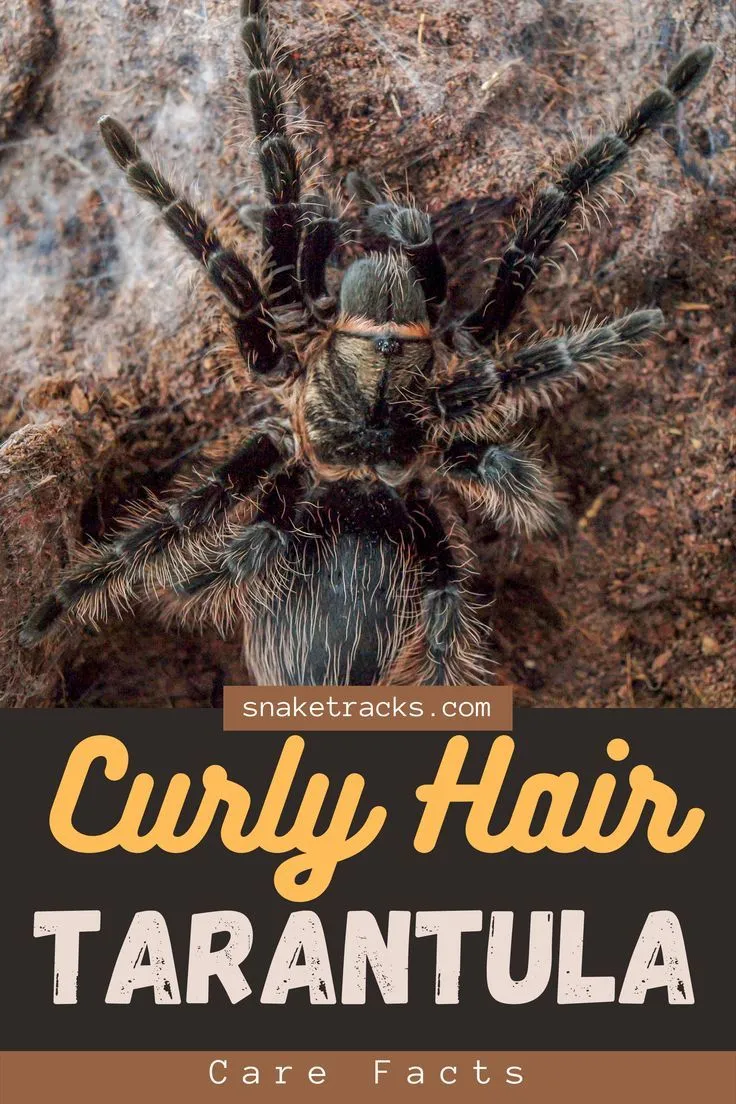
Choosing Your Curly Hair Tarantula Sling
Embarking on the journey of owning a curly hair tarantula sling is an exciting experience. These captivating creatures, known for their docile nature and distinctive appearance, make fascinating pets. The first step in providing excellent care involves choosing a healthy sling. This section will guide you through the essential aspects of selecting your new pet, ensuring you start with a robust and thriving tarantula. A well-chosen sling is the foundation for a long and rewarding relationship with your eight-legged friend. Understanding the initial selection process is crucial to minimize potential challenges and maximize the enjoyment of tarantula ownership. It lays the groundwork for all subsequent care practices, impacting the sling’s overall health and well-being.
Where to Buy a Curly Hair Tarantula Sling
The source of your curly hair tarantula sling significantly impacts its health and future. Reputable breeders are your best bet, as they prioritize the well-being of their tarantulas and have expertise in their care. Local reptile and invertebrate shows offer opportunities to meet breeders, view their stock, and ask questions. Online forums and social media groups dedicated to tarantulas can also provide recommendations for trusted breeders. Avoid buying from pet stores that source their animals from questionable origins, as the slings may come with underlying health issues or parasites. Always research the breeder’s reputation and read reviews before making a purchase. This due diligence ensures you obtain a healthy sling and supports ethical breeding practices, contributing to the overall well-being of the tarantula community.
What to Look for in a Healthy Sling
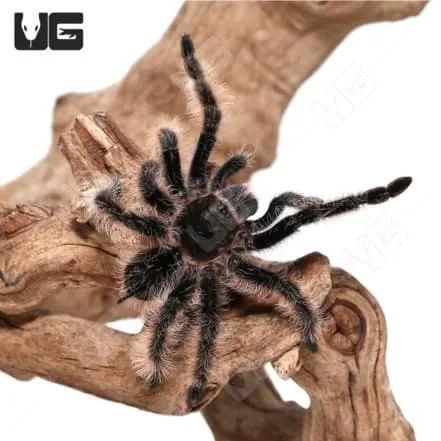
Identifying a healthy curly hair tarantula sling is paramount. Look for an active sling with a plump abdomen, indicating it is well-fed and hydrated. The legs should be intact and move freely, without any signs of injury or weakness. Examine the abdomen for any signs of parasites or infections, such as discoloration or lesions. The sling’s fangs should appear clean and undamaged. A healthy sling will also exhibit a good feeding response, eagerly accepting food when offered. Avoid slings that appear lethargic, have a shrunken abdomen, or exhibit any unusual behavior. Purchasing a healthy sling from the start increases the likelihood of a successful and enjoyable ownership experience, allowing you to witness the fascinating development of your tarantula as it grows. Inspect the sling carefully. (image: healthy-curly-hair-tarantula-sling.webp)
Setting Up the Perfect Habitat for Your Sling
Creating the ideal habitat is essential for the health and happiness of your curly hair tarantula sling. Their environment plays a crucial role in their development and overall well-being. It is important to mimic their natural habitat as closely as possible. This section will provide a step-by-step guide on how to create a suitable environment, ensuring your sling thrives. Properly setting up the habitat is not just about providing a place to live; it’s about creating an environment that supports their natural behaviors, promotes healthy growth, and minimizes stress. A well-designed habitat is a key component of successful tarantula care. The appropriate habitat will contribute to the long-term health of your tarantula.
Choosing the Right Enclosure
Selecting the right enclosure is the first and perhaps most crucial step in habitat setup. For a curly hair tarantula sling, a small, secure container is ideal. A clear plastic deli cup or a small terrarium specifically designed for arachnids works well. The enclosure should be appropriately sized to prevent the sling from feeling overwhelmed. The size of the enclosure is important because a sling may feel stress if the enclosure is too large. Ensure the enclosure has adequate ventilation to prevent the buildup of humidity and mold. The lid should fit securely to prevent escape, and the material should be transparent, allowing for easy observation of your sling. Providing a correctly sized enclosure helps the tarantula sling to feel secure and promotes healthy behavior.
Substrate Selection for Optimal Comfort

The substrate, or bedding, is another critical element of the enclosure, providing a comfortable and functional base for your sling. The best choice for curly hair tarantula slings is a substrate that retains some moisture while allowing for proper drainage. A mix of peat moss, coco coir, and a small amount of vermiculite is an excellent option. Avoid using substrates with sharp particles that could injure the sling. The substrate should be deep enough for the sling to burrow, if it chooses. The depth and composition of the substrate contribute to humidity regulation, which is essential for molting. The substrate serves as a place of refuge to retreat to when the sling feels threatened. (image: tarantula-sling-substrate.webp)
Providing Essential Humidity Levels
Maintaining the correct humidity level is crucial for a curly hair tarantula sling’s health, especially during molting. While they are relatively tolerant, they still require adequate humidity. The ideal humidity range for a curly hair tarantula sling is between 60-70%. You can monitor the humidity level using a hygrometer, which you can purchase at most pet supply stores. To maintain the appropriate humidity, lightly mist the substrate with dechlorinated water every few days. Avoid over-misting, as this can lead to mold growth. Proper humidity supports the molting process, ensuring the sling can shed its exoskeleton successfully. The moisture in the enclosure will allow the sling to stay hydrated.
Maintaining the Ideal Temperature
Temperature is a critical factor in your sling’s health and activity levels. The ideal temperature range for a curly hair tarantula sling is between 75-80°F (24-27°C). Providing a consistent temperature is important. You can achieve this by placing the enclosure in a room that maintains a consistent temperature, or by using a small heat mat placed on the side of the enclosure (never directly under). Avoid placing the enclosure in direct sunlight or near heat sources, as this can lead to overheating. Monitoring the temperature with a thermometer is essential to ensure it stays within the recommended range. Maintaining the ideal temperature ensures that your tarantula sling stays active, eats well, and can digest its food properly. Keeping the enclosure warm is an essential care requirement.
Feeding Your Curly Hair Tarantula Sling

Proper feeding is essential for the growth and development of your curly hair tarantula sling. Slings have specific nutritional needs that must be met to thrive. This section will provide guidance on how to provide your sling with a balanced diet, ensuring it receives the necessary nutrients for healthy growth. Feeding is a key component of tarantula care. The right feeding practices will promote the sling’s well-being. This section will cover the best practices.
Understanding the Nutritional Needs
Curly hair tarantula slings, like all tarantulas, are carnivores and require a diet primarily consisting of insects. They need a diet that is rich in protein to support their growth. The slings have a simple diet, consisting of insects. The diet should include nutrients such as protein, fats, and minerals. Slings will also require vitamins. It is important to select insects that provide these nutrients. The size and type of the insects will change as the tarantula grows. The proper nutritional intake will ensure healthy growth and molting.
Choosing Appropriate Food Sources
Appropriate food sources for curly hair tarantula slings include flightless fruit flies, pinhead crickets, and small mealworms. It is important to vary the diet to provide a range of nutrients. Gut-load the insects before feeding them to your sling. This means feeding the insects a nutritious diet for 24-48 hours before offering them to your tarantula. This ensures the insects are packed with nutrients. Remove uneaten food within 24 hours to prevent mold growth and maintain a clean environment. The quality of the food directly impacts the health of your sling. (image: curly-hair-tarantula-sling-feeding.webp)
Feeding Frequency and Portion Control

The feeding frequency for a curly hair tarantula sling varies depending on its size and growth rate. Generally, slings should be fed 2-3 times per week. Observe your sling to determine its appetite. A well-fed sling will have a plump abdomen. Offer an amount of food that the sling can consume within a few hours. Overfeeding can lead to waste and uneaten insects in the enclosure. Adjust the feeding frequency as the sling grows and molts, and closely monitor the size of the abdomen, which will indicate the tarantula’s condition. Feeding properly will ensure the slings thrive.
Watering Your Curly Hair Tarantula Sling
Providing a clean and accessible water source is essential for keeping your curly hair tarantula sling hydrated. Dehydration can be detrimental to a sling’s health, particularly during molting. This section will provide guidance on the correct methods for watering your sling, ensuring it remains healthy and well-hydrated. Water is essential for sustaining life and is therefore extremely important in the enclosure. The proper watering practices will allow your tarantula to live a longer life.
Providing a Clean Water Source
For a curly hair tarantula sling, a small, shallow water dish is ideal. It is important to select a water dish that is shallow enough to prevent the sling from drowning, and that is also easily accessible. If you are using a deli cup, you can use the lid as a shallow water dish. Alternatively, a bottle cap filled with water is a suitable option. Ensure the water dish is kept clean to prevent bacterial growth. Replace the water every day or every other day. Providing a clean water source will ensure that your tarantula has access to clean water. (image: curly-hair-tarantula-sling-water.webp)
Maintaining Proper Hydration

In addition to providing a water dish, misting the enclosure lightly with dechlorinated water is another way to maintain proper hydration for your sling. Misting helps to increase humidity and provides water droplets the sling can drink from. Mist the enclosure once or twice a week, depending on the humidity levels. Avoid over-misting, as excessive moisture can lead to mold growth. Regularly observe your sling to ensure it is drinking and well-hydrated. The tarantula needs hydration for molting and overall health.
Molting Process and What to Expect
Molting is a natural process for tarantulas, during which they shed their exoskeletons to grow. It is a vulnerable time for slings, so it’s important to understand the process and provide the necessary care. This section will provide guidance on recognizing the signs of molting, providing the necessary support during the process, and troubleshooting any issues that might arise. The molting process is a key aspect of the tarantula’s life cycle.
Recognizing Pre-Molting Signs
Before molting, a curly hair tarantula sling will exhibit certain behaviors and physical changes. One of the most common signs is a change in appetite, with the sling refusing to eat for several days or weeks before molting. The abdomen may appear darker and more swollen. The sling may also become less active, spending more time hiding or burrowing. You may observe the sling preparing a molting mat by creating a web mat to assist with the molting process. Recognizing these signs can help you prepare the enclosure and minimize disturbance during molting. Observing these changes will help you prepare the sling’s environment. (image: tarantula-sling-molting.webp)
Caring for Your Sling During Molt

During molting, it is crucial to minimize disturbance. Avoid handling the sling or disturbing the enclosure. Maintain the appropriate temperature and humidity levels. Ensure the enclosure is free of potential hazards, such as sharp objects or loose substrate. If the sling flips onto its back, do not attempt to intervene unless absolutely necessary. In most cases, the sling will successfully molt on its own. After the molt, do not offer food for at least a week, as the tarantula’s fangs and exoskeleton will still be hardening. Providing the correct environment will allow the molting process to go smoothly. The sling must not be disturbed during the process.
Handling Your Curly Hair Tarantula Sling
Handling your curly hair tarantula sling is a delicate matter. These spiders are generally docile, but they can still be unpredictable. Understanding safe handling practices and when to avoid handling is crucial for both your safety and the well-being of your sling. This section will provide you with the necessary guidelines. Handling should only be done when necessary. The sling’s safety should always be your primary concern.
Safe Handling Practices
If you choose to handle your curly hair tarantula sling, do so with caution. The best practice is to handle the tarantula close to the ground or a soft surface, in case it falls. Gently coax the sling onto your hand. Do not squeeze or apply pressure. Always supervise the sling closely and be aware of its behavior. If the sling shows signs of stress or aggression, such as raising its front legs or flicking hairs, gently place it back in its enclosure. When handling the sling, move slowly. Handling is best done with a calm mindset, and in a quiet area. (image: curly-hair-tarantula-sling-handling.webp)
When to Avoid Handling
There are several situations when you should avoid handling your curly hair tarantula sling. Avoid handling immediately after a molt, as the exoskeleton is still soft and vulnerable. Do not handle the sling if it is showing signs of stress or aggression. Avoid handling during feeding time or shortly after feeding. Handle slings only when necessary, such as for enclosure maintenance. Minimizing unnecessary handling reduces stress. The sling’s well-being should be the priority.
Common Health Issues and Prevention
Like all animals, curly hair tarantula slings can be susceptible to certain health issues. Understanding these potential problems and implementing preventative measures is crucial for ensuring your sling’s well-being. This section will provide information on common health issues and how to prevent them. Providing a healthy environment will assist in the long-term health of the sling.
Identifying Potential Health Problems
Regularly observe your curly hair tarantula sling for any signs of health problems. Common issues include mites, which appear as tiny, moving specks on the tarantula or in the enclosure, fungal infections, and injuries. Other indicators of problems include lethargy, loss of appetite, or unusual behavior. If you notice any of these signs, consult with a veterinarian specializing in exotic animals or a knowledgeable tarantula breeder for advice. Early detection and intervention are critical for successful treatment. Knowing what to watch for can help prevent problems. (image: healthy-curly-hair-tarantula-sling.webp)
Preventative Care Measures
Preventative care is key to maintaining your sling’s health. Provide a clean and properly maintained enclosure, maintaining the correct temperature and humidity levels. Feed your sling a balanced diet of appropriate insects, removing uneaten food promptly. Regularly inspect the enclosure for any signs of mites or mold, and take appropriate action if necessary. Always wash your hands before and after handling your sling or its enclosure. By following these preventative measures, you can minimize the risk of health problems and ensure your sling lives a long, healthy life. The best way to help the sling is to prevent illness or disease.
Troubleshooting Common Issues
Despite your best efforts, you may encounter common issues while caring for your curly hair tarantula sling. This section will address common problems and provide solutions. Addressing these common issues can improve the overall experience. The troubleshooting steps can provide solutions to common challenges.
Addressing Feeding Problems
If your curly hair tarantula sling refuses to eat, assess the situation carefully. First, make sure the temperature and humidity are appropriate. Check for signs of molting. Ensure the enclosure is clean and free of distractions. Offer a variety of food sources and ensure the prey is the correct size. If the sling continues to refuse food, consult with a veterinarian or a tarantula expert for advice. Often, the sling will eat when the issues are addressed. It may take some time for the sling to start eating.
Managing Humidity and Temperature Issues
If the humidity is too low, mist the enclosure more frequently, or add a larger water dish. If the humidity is too high, improve ventilation or use a dehumidifier. If the temperature is too low, use a heat mat. If the temperature is too high, move the enclosure to a cooler location, and ensure there is proper ventilation. Use a thermometer and hygrometer to monitor these variables. These adjustments may resolve the problems. Correcting the problems is essential to maintaining the health of the sling.