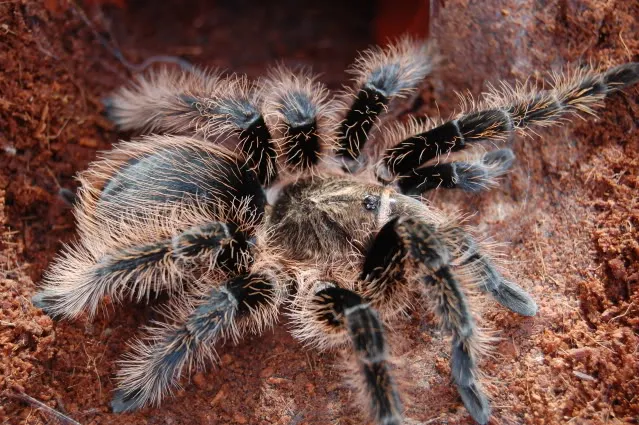
Curly Hair Tarantula Diet Overview
The Curly Hair Tarantula (Tliltocatl albopilosus), a beloved species in the pet trade, hails from the rainforests of Central America. Providing a proper diet is crucial for their health, growth, and overall well-being. This guide will delve into the essential aspects of a curly hair tarantula diet, ensuring you’re equipped to provide the best possible care for your eight-legged friend. Understanding their dietary needs, from the types of food they consume to the frequency of feeding, is fundamental to their longevity and vitality. A well-balanced diet is not just about survival; it contributes significantly to the vibrant colors, activity levels, and overall health of your tarantula. The following facts will help you master the art of feeding your Curly Hair Tarantula, promoting a thriving and healthy life for your pet.
What Do Curly Hair Tarantulas Eat?
Curly Hair Tarantulas are primarily insectivores, meaning their diet consists mainly of insects. In their natural habitat, they consume a variety of invertebrates. As pets, their diet should mimic this as closely as possible. The most common and readily available food sources for pet tarantulas include crickets, mealworms, and dubia roaches. These insects are relatively easy to acquire, inexpensive, and provide the necessary nutrients for your tarantula’s growth and maintenance. Variety is key to providing a well-rounded diet, so it’s beneficial to rotate different types of insects to ensure a range of nutrients. Supplementing with the occasional waxworm or superworm can also offer dietary diversity. It is important to remember that the size of the prey should be appropriate for the tarantula; the general rule is that the prey should be no larger than the tarantula’s abdomen.
Prey Selection

When selecting prey for your Curly Hair Tarantula, quality is paramount. Always opt for insects that are gut-loaded, which means they’ve been fed a nutritious diet before being offered to your tarantula. This process enriches the insects with essential vitamins and minerals, which are then passed on to your spider, improving its nutritional intake. Additionally, it is important to ensure that the insects you choose are free from pesticides or any harmful substances. These can be toxic to your tarantula. Always observe the insects before feeding them to your tarantula. Insects should be lively and active. Dead or dying insects should be discarded as they may harbor bacteria and pose a risk to your pet’s health. Crickets, mealworms, and roaches are generally good choices, and their availability makes them convenient options.
Feeding Frequency
The frequency with which you feed your Curly Hair Tarantula varies based on its age and size. Spiderlings, the younger and smaller tarantulas, require more frequent feeding compared to adults. The feeding schedule should be adjusted according to your tarantula’s size, growth stage, and molting cycle. Overfeeding can be as detrimental as underfeeding, so it’s essential to strike a balance. Always monitor your tarantula’s abdomen for signs of being overfed or underfed. Adjust the feeding schedule accordingly. A healthy, well-fed tarantula will exhibit a plump abdomen without being excessively bloated. The feeding schedule is a cornerstone of your tarantula’s health, contributing significantly to its well-being.
Feeding Schedule for Spiderlings
Spiderlings, being in their growth phase, need to be fed more frequently. Generally, spiderlings should be fed every other day or every three days, depending on their appetite and growth rate. Provide appropriately sized prey, ensuring it is not larger than the spiderling’s body. Observe the spiderling after feeding to make sure it has consumed its prey. If the spiderling is not consuming the prey, you might need to adjust the prey size or feeding frequency. It’s also essential to maintain a clean and suitable environment, as this supports the spiderling’s health and appetite. As spiderlings molt and grow, you’ll need to adjust the size of the prey and the feeding schedule accordingly, always observing their behavior and body condition to ensure they receive the optimal nutrition.
Feeding Schedule for Adults

Adult Curly Hair Tarantulas have slower metabolisms and thus require less frequent feeding. Adult tarantulas can be fed once a week or every other week, based on their body condition and appetite. Monitor the abdomen; a well-fed adult tarantula will have a slightly rounded abdomen. If the abdomen appears too thin or concave, you might increase the feeding frequency slightly. It’s crucial to avoid overfeeding, as this can stress the tarantula. During the molting process, adult tarantulas may refuse food. In such instances, remove any uneaten prey from the enclosure to prevent stress or injury to the tarantula. Feeding adult tarantulas is about maintaining their health and vitality, ensuring they live a long and fulfilling life.
Water and Hydration
Water is as essential to tarantulas as food. They need a constant supply of fresh water to remain hydrated and healthy. Dehydration can lead to serious health issues, so it’s crucial to provide a reliable water source. Clean, fresh water supports all bodily functions, including molting and general health. A consistently hydrated tarantula is an indication of a well-cared-for spider. Proper hydration plays a critical role in their survival and well-being. Keep in mind that maintaining water hygiene is just as important as ensuring adequate hydration.
Importance of Fresh Water
Fresh, clean water is vital for your Curly Hair Tarantula. Always provide a shallow water dish filled with fresh water. Replace the water regularly, ideally every one to two days, to prevent the buildup of bacteria and contaminants. The water dish should be shallow enough to prevent drowning. A water dish with a sponge or cotton ball inside can offer a safe drinking surface for smaller spiderlings. Monitoring the water source helps prevent potential health issues. Keep the water clean and readily available for your tarantula at all times. Consistent access to clean water supports their overall health, contributing to their ability to thrive in your care.
Hydration Methods

Besides a water dish, other methods can provide hydration. Misting the enclosure can also provide water droplets for the tarantula to drink. However, avoid over-misting, as excessive humidity can lead to mold and other health problems. Another effective method is to offer water-soaked cotton balls or sponges. Ensure these are clean and replaced regularly. The choice of method depends on your tarantula’s preferences and the humidity levels in the enclosure. Varying methods can also ensure your tarantula has access to water in different situations. The aim is to make water accessible in a safe and convenient manner.
Essential Nutrients
While insects form the primary food source, understanding the nutrients within that food is crucial. A balanced diet provides the necessary building blocks for your tarantula’s health, growth, and molting. This includes proteins, fats, vitamins, and minerals. Gut-loading the insects you feed your tarantula is one of the best ways to ensure they receive these essential nutrients. Gut-loaded insects will pass these nutrients on to your tarantula, resulting in a healthier, more vibrant spider. A nutrient-rich diet supports overall health, bolstering its immune system and contributing to vibrant coloration and activity. A balanced diet is a building block of your spider’s long-term health and well-being.
Calcium and Vitamins
Calcium and vitamins are critical for the overall health of a Curly Hair Tarantula. Calcium supports the formation of a strong exoskeleton, and vitamins facilitate various bodily functions. Gut-loading insects with calcium and vitamin supplements can help in this aspect. Although the insects you feed them might already contain some levels of vitamins and minerals, supplementing their diet can be beneficial, especially during growth and molting. Vitamin D3 is also vital, as it aids in calcium absorption. However, it is essential to avoid over-supplementation, as this can lead to health problems. Consult a veterinarian or a tarantula specialist for the best supplements. Always remember that a balanced intake of nutrients is the key to a healthy tarantula.
Avoiding Overfeeding

Overfeeding is a common mistake that can lead to serious health complications in Curly Hair Tarantulas. A tarantula’s metabolism is relatively slow, and overfeeding can stress their internal organs and impact their ability to molt. Avoid overfeeding at all costs. Too much food can lead to a bloated abdomen, which can hinder movement and create health issues. It can also cause the tarantula to become less active, reducing their lifespan. Always feed the tarantula the appropriate amount of food, and always be vigilant about the amount of food you are giving them. The general rule is to remove uneaten prey within 24 hours to prevent stress and potential health issues. Understanding and avoiding the signs of overfeeding is key to the health and longevity of your tarantula.
Recognizing Signs of Overfeeding
Recognizing the signs of overfeeding is essential for the well-being of your Curly Hair Tarantula. An overfed tarantula will have a distended abdomen, looking abnormally large and round. The spider may also become less active, spending more time resting. Additionally, you might observe uneaten prey lingering in the enclosure. If you spot any of these signs, immediately reduce the feeding frequency. Allowing the tarantula to fast for a while can help it return to a healthy condition. Always prioritize the health and well-being of your tarantula over your desire to feed it. Regularly monitoring your tarantula’s condition and adjusting your feeding routine accordingly is crucial for its health.
In conclusion, providing a well-balanced diet is paramount for the health and longevity of your Curly Hair Tarantula. By understanding what to feed them, the frequency of feeding, the importance of fresh water, essential nutrients, and how to avoid overfeeding, you’re taking a significant step toward ensuring your pet thrives. Careful observation and adjustments to the feeding schedule based on your tarantula’s individual needs are key. Remember, a happy, healthy Curly Hair Tarantula is a testament to your responsible pet ownership.