Understanding the Curly Hair Tarantula
The Curly Hair Tarantula (Tliltocatl albopilosus), a captivating New World species, has become a favorite among tarantula enthusiasts. Its docile nature, striking appearance, and relatively simple care requirements make it an excellent choice for both novice and experienced keepers. This comprehensive guide will delve into every aspect of curly hair tarantula care, ensuring your pet thrives and brings you years of enjoyment. From understanding their natural habitat to mastering feeding techniques and recognizing signs of illness, we’ll cover everything you need to know to provide the best possible life for your captivating arachnid companion.
Origin and Habitat of the Curly Hair Tarantula
Native to the tropical dry forests of Central America, specifically Costa Rica, the Curly Hair Tarantula has adapted to a warm and humid environment. In the wild, they are terrestrial creatures, spending most of their time burrowing in the forest floor or hiding under rocks and logs. They are opportunistic hunters, feeding on insects and other invertebrates. Understanding their natural habitat is crucial for replicating their needs in captivity and ensuring their well-being. The dry forest environment provides a base to work from when you design your enclosure and set up the conditions.
Physical Characteristics and Appearance

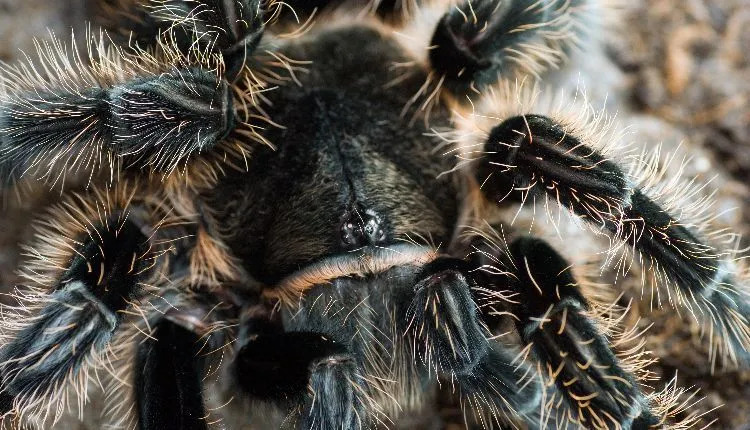
The Curly Hair Tarantula is aptly named for the abundance of brown, curly hairs that cover its body. These hairs, also known as setae, give the tarantula its distinctive appearance. The body is primarily a dark brown or black color, with the characteristic golden or tan hairs providing a beautiful contrast. Adult females can reach up to 6 inches in leg span, while males tend to be slightly smaller. Their impressive size and captivating appearance make them a stunning addition to any tarantula collection. Regular observations of your tarantula allow you to monitor any changes in appearance, which could indicate health issues.
Creating the Perfect Habitat
Creating the right habitat is critical for the health and happiness of your Curly Hair Tarantula. The enclosure should provide a safe, secure, and comfortable environment that mimics their natural surroundings. This includes selecting the correct enclosure size, substrate, temperature, and humidity levels. A well-designed habitat not only supports your tarantula’s physical needs but also provides opportunities for enrichment and natural behaviors. It will also make the tarantula feel safe and comfortable, reducing stress. Investing time and effort in setting up their home will pay off in a healthy and thriving tarantula.
Enclosure Size and Type
A suitable enclosure for a Curly Hair Tarantula should be appropriately sized to allow for comfortable movement and burrowing. For a juvenile, a 5-gallon terrarium or a container of similar size is sufficient. As the tarantula grows, you’ll need to upgrade to a larger enclosure. An adult Curly Hair Tarantula will thrive in a 10-20 gallon terrarium. The enclosure should have a secure lid to prevent escape and provide adequate ventilation to maintain proper humidity levels. Consider the long-term needs and anticipate growth when choosing the enclosure size to avoid frequent upgrades. Glass or acrylic enclosures are both suitable options.
Substrate Selection

The substrate is the bedding material that covers the bottom of the enclosure and is essential for maintaining humidity and providing a suitable environment for burrowing. A good substrate for a Curly Hair Tarantula should be able to retain moisture and allow the tarantula to create burrows. A mix of substrate is also good. A popular choice is a mixture of peat moss, coconut fiber (Eco Earth), and a small amount of vermiculite. This combination retains humidity well, allows for burrowing, and is safe for your tarantula. Avoid substrates that are toxic or contain harmful chemicals. The substrate should be deep enough, usually 4-6 inches, to allow for burrowing and provide a sense of security.
Temperature and Humidity
Maintaining the correct temperature and humidity levels is critical for your Curly Hair Tarantula’s health and well-being. The ideal temperature range is between 75-85°F (24-29°C). You can use a heat mat or a ceramic heat emitter to maintain the temperature, but always ensure the heat source is regulated and doesn’t overheat the enclosure. Humidity levels should be kept between 60-70%. You can monitor humidity using a hygrometer. To maintain humidity, lightly mist the substrate with dechlorinated water every few days, but avoid oversaturating the enclosure. Adequate ventilation will prevent the buildup of mold and mildew, which can harm your tarantula. It is also good to place the water bowl.
Essential Curly Hair Tarantula Care Feeding Guide
Feeding your Curly Hair Tarantula is a crucial part of their care, providing the energy and nutrients they need to thrive. Understanding the right foods, feeding frequency, and proper hydration techniques is essential for keeping your tarantula healthy and happy. Always provide fresh water and avoid overfeeding to prevent health issues. A well-fed tarantula will display vibrant colors and exhibit healthy growth patterns. Feeding is more than just providing food; it’s an opportunity to observe your tarantula’s behavior and overall health, allowing you to spot potential issues early on.
What to Feed Your Tarantula

Curly Hair Tarantulas are insectivores, meaning their diet consists primarily of insects. The most common and easily accessible food source is crickets, but you can also feed them other insects, such as mealworms, roaches, and locusts. Variety in the diet is beneficial, so consider offering a mix of different insects. Ensure the insects you feed your tarantula are gut-loaded with nutritious food, such as vegetables and insect-specific diets, for optimal nutritional value. Always remove any uneaten insects from the enclosure after 24 hours to prevent them from stressing or harming your tarantula. Never feed wild-caught insects, as they may carry pesticides or parasites.
Feeding Frequency and Portion Sizes
The feeding frequency depends on the tarantula’s age and size. Spiderlings (young tarantulas) should be fed two to three times a week. As they grow, you can reduce the feeding frequency to once a week for juveniles and adults. Observe your tarantula’s abdomen to determine if it is appropriately fed; a slightly plump abdomen is a good indicator. The portion size should be appropriate for the tarantula’s size. Avoid overfeeding, as this can lead to health problems, such as obesity. Adjust the amount of food based on how much your tarantula consumes and the size of its abdomen. If the tarantula refuses to eat, it could be preparing to molt.
Watering and Hydration
Providing fresh water is essential for keeping your Curly Hair Tarantula hydrated. A shallow water dish should always be available in the enclosure. Use dechlorinated or bottled water to avoid harmful chemicals. Regularly check the water dish and refill it as needed. Some tarantula keepers also mist the enclosure to maintain humidity and provide a source of drinking water. However, avoid excessive misting that could lead to the substrate becoming waterlogged. Consistent access to fresh water is vital for preventing dehydration and supporting the tarantula’s overall health and well-being. Place the water dish on the cool side of the enclosure, away from the heat source.
Handling and Safety Precautions

While Curly Hair Tarantulas are generally docile, handling them requires caution and respect. Their venom is not typically life-threatening to humans, but their bite can be painful, and their urticating hairs can cause skin irritation. Understanding the proper handling techniques and taking the necessary safety precautions will help you avoid injury to both yourself and your tarantula. It is also important to respect the animal and understand when it is best to avoid handling. Safe handling minimizes stress on the tarantula and reduces the risk of accidents. Always supervise children when they are near the enclosure.
Safe Handling Techniques
Handling a Curly Hair Tarantula should be done with care and only when necessary. If you must handle your tarantula, do so gently and slowly. Approach the tarantula calmly and avoid sudden movements. Encourage it to walk onto your hand; never try to force it. Handle the tarantula over a soft surface, such as a bed or a couch, in case it falls. Avoid handling your tarantula frequently, as this can be stressful. Always wash your hands before and after handling your tarantula. If your tarantula displays defensive behaviors, such as raising its front legs or flicking its hairs, it’s best to leave it alone.
Recognizing Signs of Stress or Illness
It’s essential to recognize signs of stress or illness in your Curly Hair Tarantula to provide prompt care. Common signs include loss of appetite, lethargy, changes in posture, and unusual behavior. A tarantula that is consistently refusing food or is not active may be experiencing health issues. Look for any signs of injury, such as missing limbs or wounds. Excessive flicking of urticating hairs can also indicate stress. If you notice any of these signs, assess the enclosure conditions to ensure they are optimal. If the problem persists, it’s essential to consult with a veterinarian specializing in exotic animals. Early detection and intervention can significantly improve the tarantula’s chances of recovery.
Common Health Issues and Solutions

Like all living creatures, Curly Hair Tarantulas can experience health problems. Being aware of common issues and how to address them will help you provide the best possible care. Most health problems in tarantulas are related to improper husbandry, such as incorrect humidity, temperature, or diet. Regular observation of your tarantula and its environment can help you catch problems early. Prevention is key to maintaining a healthy tarantula, so always prioritize proper care and a suitable environment. If you’re unsure about the health of your tarantula, seek professional advice.
Molting Process Explained
Molting is a natural process in which tarantulas shed their exoskeleton to grow and develop. The frequency of molting decreases as the tarantula ages. During the molting process, the tarantula will typically stop eating and may spend more time in a burrow or lying on its back. The old exoskeleton will split open, and the tarantula will slowly emerge with a new, softer exoskeleton. The tarantula is very vulnerable during this period and should not be disturbed. After molting, the tarantula’s new exoskeleton will harden, and it will regain its strength. Provide a humid environment during molting to prevent the tarantula from drying out.
How to Prepare for a Molt
Preparing for a molt involves providing a safe and stable environment for your tarantula. Maintain proper humidity and temperature levels, and avoid disturbing your tarantula during the molting process. Do not feed your tarantula when it is in premolt. Once the tarantula has molted, wait a week or two before offering food, as its fangs need to harden. Ensure the tarantula has access to fresh water during and after molting. If your tarantula struggles to molt, consult with a veterinarian experienced in exotic animals. Providing the right conditions minimizes stress and makes the molting process easier for the tarantula. Be patient and let the tarantula go through the process at its own pace.
Breeding and Reproduction

Breeding Curly Hair Tarantulas is a fascinating but complex process that requires careful preparation and understanding. It’s a rewarding experience for experienced keepers, but it is important to be fully prepared before attempting to breed them. Understanding the tarantula’s life cycle and the specific requirements for successful breeding will increase your chances of success. Breeding should only be attempted by experienced keepers who can provide the necessary care for both the adults and the spiderlings. The process can be intricate, and proper knowledge and precautions are necessary.
Identifying Sex
Identifying the sex of a Curly Hair Tarantula is essential for breeding. The most accurate method is to examine the tarantula’s molt under magnification. The presence of a spermatheca (a sac that stores sperm) indicates a female. Males have modified pedipalps (mouthparts) that resemble boxing gloves, and they also have tibial hooks on their front legs. Determining the sex can be difficult in younger tarantulas, but it becomes easier as they mature. Consulting with experienced keepers or using online resources can help you identify the sex of your tarantula.
Mating and Egg Sac Care
Mating Curly Hair Tarantulas involves introducing a mature male to a receptive female. The male will typically drum on the substrate to signal his interest. If the female is receptive, the mating process will begin. After mating, the female will create an egg sac, which she will guard carefully. The egg sac contains the eggs, which will hatch into spiderlings. The female may or may not eat the male after mating. The egg sac requires specific conditions, including stable temperature and humidity, to ensure successful hatching. Raising the spiderlings requires specialized care, including providing small food items and maintaining appropriate enclosure conditions. Providing proper care throughout the process increases the chances of successful breeding.
Conclusion
Caring for a Curly Hair Tarantula is a rewarding experience, offering a unique opportunity to observe and appreciate these fascinating creatures. By following the guidelines in this comprehensive guide, you can provide your tarantula with a thriving and enriching life. From creating the perfect habitat and mastering feeding techniques to understanding handling safety and recognizing signs of illness, this guide equips you with the knowledge needed to become a successful tarantula keeper. Remember that responsible pet ownership is about providing the best possible care and ensuring the well-being of your captivating arachnid companion. Enjoy the journey of learning and connecting with your amazing Curly Hair Tarantula!