Cricket vs Tarantula Top 5 Showdowns
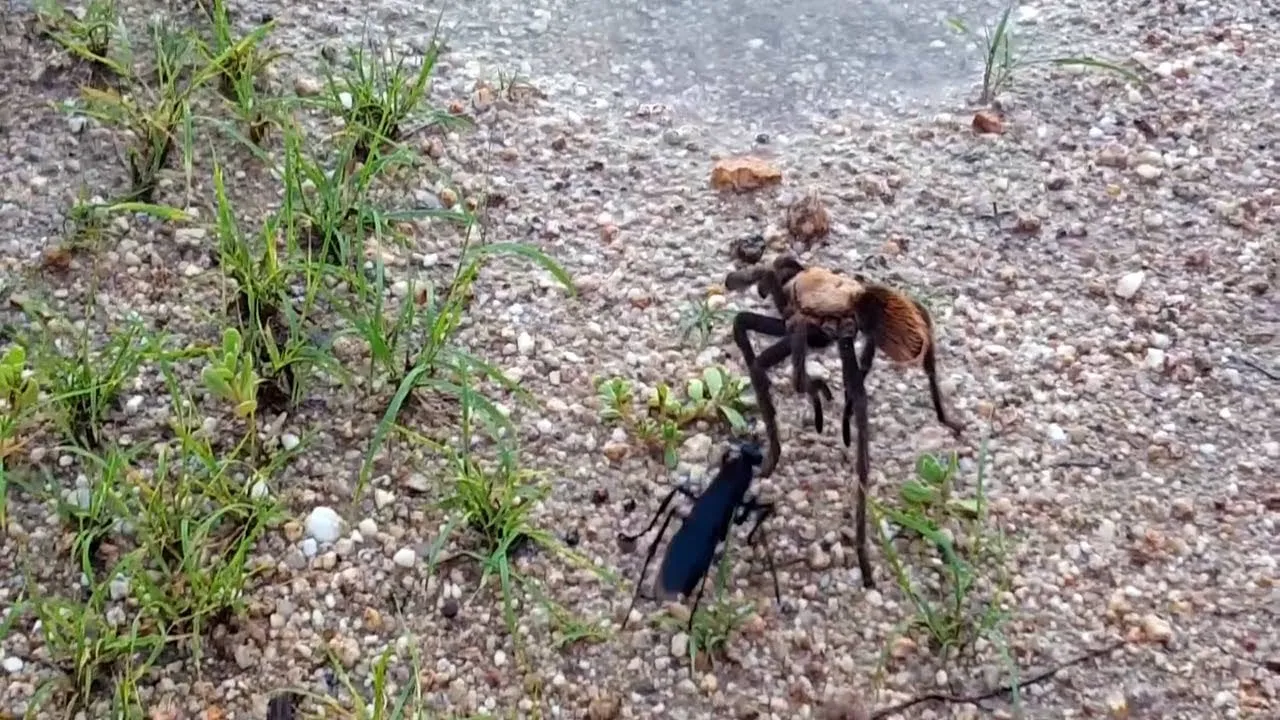
The natural world is a stage for countless dramas, and few are as captivating as the predator-prey relationship. This is especially true when observing the dynamic between a tarantula and a cricket. The tarantula, a large, hairy spider, is a formidable predator, while the cricket, a small, agile insect, is a common prey item. Their encounters are not just about survival they are intricate battles of strategy, strength, and instinct. This article delves into five key showdowns between these fascinating creatures, offering a glimpse into their unique adaptations and survival techniques.
Showdown 1 The Ambush
The first showdown often begins with an ambush. Tarantulas are primarily ambush predators, meaning they lie in wait, often concealed in burrows or under cover, until an unsuspecting cricket ventures too close. The success of this strategy hinges on the tarantula’s patience and its ability to remain perfectly still, blending seamlessly with its surroundings. This requires the tarantula to be extremely aware of its environment, using its sensory hairs to detect vibrations caused by the cricket’s movements. For the cricket, survival depends on its awareness of its surroundings and its ability to quickly identify and evade potential threats.
The Cricket’s Perspective

From the cricket’s perspective, the world is a dangerous place. Crickets rely on their antennae to detect changes in air currents and vibrations, which can alert them to the presence of a predator. They also have excellent vision, which helps them identify threats from a distance. Their primary defense is to flee at the first sign of danger, using their strong hind legs to jump and escape. The cricket’s focus is on feeding and avoiding becoming a meal, always remaining vigilant.
The Tarantula’s Strategy
The tarantula’s strategy is to wait for the perfect moment. It conserves energy, remaining still until the cricket is within striking distance. The tarantula uses its powerful legs to lunge at the cricket, delivering a swift and precise attack. Success depends on surprise, speed, and the accuracy of the strike. The tarantula is a master of stealth, using its camouflage and patience to its advantage, knowing that a single successful strike means a meal, and a chance to live another day. The spider utilizes its entire body during the hunting, the movement must be precise and powerful.
Showdown 2 Size Matters
In the arena of predator versus prey, size often plays a significant role. While the size difference between a tarantula and a cricket can vary, the tarantula generally holds a considerable advantage. This difference impacts both the physical capabilities of each creature and the strategies they employ. The bigger size provides a strength advantage in the confrontation. Also, the tarantula may have some disadvantages related to the movement, but the overall strategy will allow it to overcome any obstacles.
Cricket’s Defensive Tactics
Despite being smaller, crickets aren’t defenseless. Their primary defensive tactic is evasion, relying on their ability to jump long distances and quickly change direction to escape a tarantula’s grasp. When caught, a cricket might try to bite or kick at the tarantula, though these attempts are usually futile. Crickets often will also try to hide, crawling under rocks or any available protection they can find. Their survival depends on being quicker and more agile than their predator, taking advantage of any opportunity to escape.
Tarantula’s Hunting Prowess
The tarantula’s size gives it a significant advantage in a physical confrontation. They are equipped with strong fangs and powerful legs, allowing them to subdue a cricket quickly. They also possess venom that helps paralyze their prey, making it easier to handle. Tarantulas use their size and strength to overcome any resistance from the cricket, aiming for a swift and decisive kill. They will use their fangs to inject venom which will stop the cricket defense mechanisms.
Showdown 3 The Chase
While ambushes are common, sometimes a chase ensues. This is especially true if the cricket is alerted to the tarantula’s presence before the spider can launch a successful attack. The chase highlights the differences in speed, agility, and endurance between the two creatures. This will be a test for both animals and their survival chances depend on their actions and choices during the fight. Also, the terrain will impact the final result, a cricket is more agile in bushes than a tarantula.
Cricket’s Speed and Agility

Crickets are built for speed and agility. Their powerful hind legs allow them to jump long distances, often covering several body lengths in a single leap. They can also change direction quickly, making it difficult for a tarantula to predict their movements. They use their ability to squeeze into tight spaces, under rocks, and into crevices to evade capture. The cricket’s success in a chase depends on its ability to outmaneuver the tarantula and make a quick escape.
Tarantula’s Patience and Persistence
Tarantulas, while not as fast or agile as crickets, possess a different set of skills. They are incredibly patient and persistent, willing to pursue their prey over a considerable distance. They can also use their sensory hairs to track the cricket’s movements, even if the cricket is out of sight. The tarantula relies on its superior strength and the element of surprise, trying to close the distance and overwhelm the cricket with a sudden attack.
Showdown 4 The Weapons
The outcome of a cricket-tarantula showdown is often decided by the weapons each creature possesses. These weapons are not only physical attributes but also innate behaviors honed by millions of years of evolution. The comparison of these weapons shows the different adaptations to become a successful predator or survive a threat. Each of these creatures will use the weapons nature gave to them to survive the challenges.
Cricket’s Mandibles

Crickets have strong mandibles, which are used for chewing and defense. While these mandibles are not a significant threat to a tarantula, they can inflict a painful bite if the cricket is able to latch onto the spider. The mandibles may be used as a last resort, when cornered. Crickets cannot cause much damage but they can try to distract the enemy giving them a chance to escape.
Tarantula’s Fangs and Venom
Tarantulas are equipped with a pair of large fangs that they use to inject venom into their prey. This venom paralyzes the cricket, making it easier for the tarantula to subdue and consume its meal. They are also covered with urticating hairs which they can flick towards the enemy, causing irritation. The tarantula’s fangs are a highly effective weapon. The venom is a blend of chemicals designed to quickly subdue the prey.
Showdown 5 Survival of the Fittest
Ultimately, the showdown between a cricket and a tarantula is a testament to the power of natural selection. The creatures that are best adapted to their environment, and most skilled in the art of survival, are those that are most likely to pass on their genes. The constant pressure to adapt and improve has resulted in two very different, yet equally fascinating, survival strategies. The survival chance will also depend on the environment, for example, a tarantula has a great advantage if there is not enough space for a cricket to escape.
Cricket’s Escape Attempts

When faced with a tarantula, a cricket’s primary goal is escape. This means using its speed and agility to evade capture, often jumping erratically to confuse the predator. If caught, the cricket might try to bite or kick, but its chances of success are slim. The cricket is constantly seeking opportunities to get free, searching for any crack, crevice, or opening that could provide an escape route. The survival relies on quick thinking and instinctive reactions.
Tarantula’s Feeding Habits
Tarantulas are opportunistic predators, and crickets are a valuable source of nutrients. After subduing a cricket, the tarantula will often inject digestive enzymes, which break down the cricket’s tissues. The tarantula then sucks up the liquefied remains, leaving behind only the exoskeleton. The spider’s survival depends on the ability to successfully capture and consume prey. The more successful they are, the better their chances of survival and reproduction. The tarantula will hunt again once it gets hungry.
In conclusion, the battle between a cricket and a tarantula is a captivating display of nature’s design. Each creature has evolved unique adaptations that help them survive in their environment. From the ambush tactics of the tarantula to the escape strategies of the cricket, every showdown is a fascinating example of the struggle for survival. These interactions remind us of the complexity and beauty of the natural world.