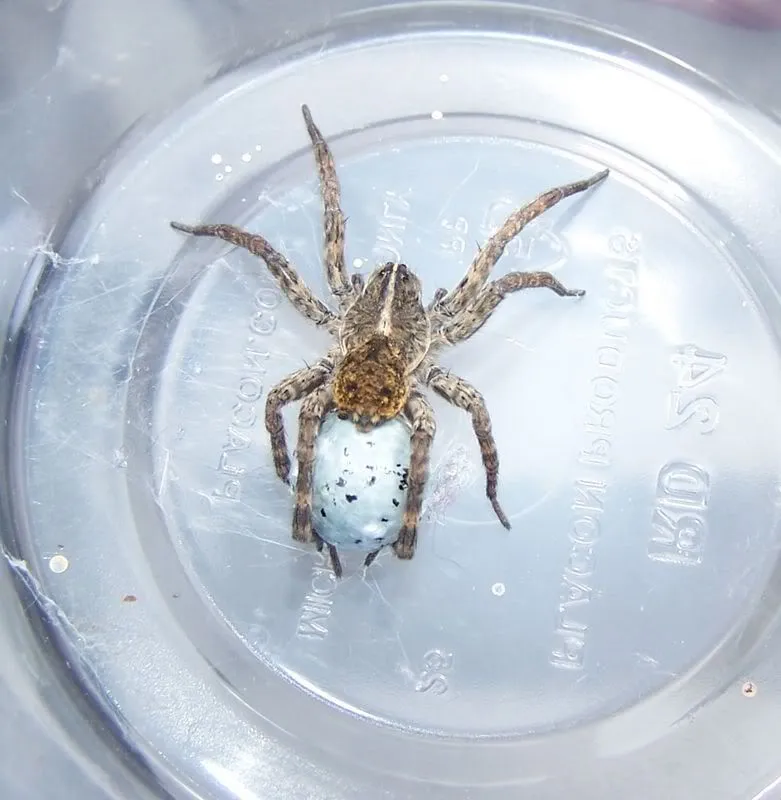
What is a Tarantula Crab Spider
The term ’tarantula crab spider’ is a bit of a misnomer, as it doesn’t refer to a single species, but rather a group of spiders that share characteristics with both tarantulas and crab spiders. These fascinating arachnids are known for their crab-like appearance, with legs that extend outwards and to the sides, allowing them to move sideways, much like a crab. While they might resemble tarantulas in size and appearance, they belong to the family Thomisidae, commonly known as crab spiders. These spiders are ambush predators, relying on camouflage and stealth to catch their prey.
Appearance and Identification
Physical Characteristics

Tarantula crab spiders typically have a flattened body shape, which helps them to blend in with their surroundings. Their legs are strong and robust, and the front two pairs are usually longer than the others, giving them a crab-like stance. They have eight eyes, arranged in two rows, which provide them with excellent vision to spot prey and predators. The size of these spiders can vary depending on the species, but they can range from a few millimeters to several centimeters in length. Their bodies are covered in fine hairs, which aid in camouflage and sensory perception.
Color Variations
One of the most remarkable features of tarantula crab spiders is their ability to change color to match their environment. Many species can adapt their coloration to blend in with the flowers, leaves, or bark where they are hunting. This camouflage helps them to ambush unsuspecting insects and other small creatures. The color variations can range from bright yellows and whites to greens, browns, and even pinks, depending on the surrounding habitat and the spider’s age and health. This chameleon-like ability makes them masters of disguise, allowing them to remain hidden from both prey and predators.
Habitat and Distribution
Where They Live

Tarantula crab spiders can be found in a variety of habitats, including gardens, forests, meadows, and even deserts. They are often seen on flowers, where they wait patiently for insects to come within striking distance. Some species prefer to live under rocks, in leaf litter, or on tree bark. Their habitat preferences depend on the species and their specific needs for camouflage and access to prey. These spiders are generally solitary creatures, except during mating season, and they establish their territories where they can effectively hunt and find shelter. They are found worldwide, inhabiting all continents except Antarctica.
Geographical Range
The geographical distribution of tarantula crab spiders is extensive, with different species adapted to various climates and regions. They are found across North and South America, Europe, Asia, Africa, and Australia. Certain species are more prevalent in tropical and subtropical regions, where they can thrive in warm, humid environments. Others have adapted to temperate climates, while some species are even found in arid and semi-arid regions. Their wide distribution highlights their adaptability and ability to colonize diverse habitats, making them a common sight in many parts of the world.
Diet and Hunting
What They Eat

Tarantula crab spiders are primarily carnivorous, feeding on a variety of insects and other small invertebrates. Their diet includes flies, bees, butterflies, beetles, and even smaller spiders. They are opportunistic hunters, meaning they will consume whatever prey they can successfully capture. Some species specialize in hunting certain types of insects, while others have a more varied diet. They don’t actively chase their prey; instead, they use their camouflage to wait for their meals to come close enough to be ambushed.
Hunting Techniques
The hunting strategy of tarantula crab spiders relies heavily on camouflage and stealth. They often sit motionless on flowers or leaves, blending in with the surrounding vegetation. When an unsuspecting insect approaches, the spider strikes with lightning speed, grabbing its prey with its strong front legs and injecting venom to paralyze it. They then use their chelicerae (mouthparts) to pierce the insect’s exoskeleton and begin feeding. Their ambush tactics make them highly effective predators, capable of capturing prey much larger than themselves. This patience and skill make them a fascinating part of their ecosystem.
Behavior and Life Cycle
Mating and Reproduction

The mating process of tarantula crab spiders involves intricate courtship rituals. The male spiders approach the females cautiously, often using a combination of visual and tactile signals to attract them. After mating, the female produces an egg sac, which she carefully guards. The number of eggs in a sac can vary depending on the species. The female spider often finds a safe place to attach the egg sac, such as under a leaf or in a crevice. She stays with the eggs until they hatch, protecting them from predators and ensuring their survival. Then, the spiderlings emerge, ready to start their lives.
Lifespan
The lifespan of tarantula crab spiders varies depending on the species and environmental factors. Most species live for about one year, completing their life cycle within a single season. Some larger species, however, can live for several years, undergoing multiple molts as they grow. The spiders molt their exoskeletons periodically to allow for growth, shedding their outer layer to reveal a new, larger one. During the molting process, the spiders are vulnerable and must find a safe place to hide. The lifespan of these spiders is influenced by factors like prey availability, predator presence, and climate conditions.
Interaction with Humans
Are They Dangerous?

Tarantula crab spiders are generally not considered dangerous to humans. Their venom is not potent enough to cause serious harm. While they can bite if threatened, the bite is usually mild, causing only minor pain and redness, similar to a mosquito bite. These spiders are more of a benefit to humans because they prey on insect pests in gardens and agricultural areas, helping to control populations of unwanted insects. They are not aggressive and usually prefer to flee from humans rather than confront them. Despite their intimidating appearance, they pose very little risk to people.
Benefits and Importance
Tarantula crab spiders play an important role in the ecosystem. As predators, they help control insect populations, which prevents them from overrunning gardens and crops. They also serve as a food source for other animals, such as birds, lizards, and other spiders, contributing to the balance of the food chain. Their presence in an environment indicates a healthy ecosystem, where a variety of species can thrive. These spiders are a great example of nature’s balance, with their predatory habits impacting the survival of various other organisms. Their role is significant in maintaining ecological stability.
Conservation Status
Threats to Survival

The conservation status of tarantula crab spiders varies depending on the species and their specific habitat. Some species are considered common and widespread, while others may be more vulnerable due to habitat loss, pesticide use, and climate change. Habitat destruction, often caused by deforestation, urbanization, and agricultural practices, is a significant threat to their survival. Pesticides can also directly harm the spiders or reduce their food sources, affecting their population. Global warming and changing weather patterns also pose potential risks. It is important to understand these threats to devise effective conservation measures.
Conservation Efforts
Conservation efforts for tarantula crab spiders focus on protecting their habitats and mitigating the threats they face. This includes preserving natural areas, promoting sustainable land management practices, and reducing the use of pesticides. Education and awareness campaigns can also help to inform people about the importance of these spiders and the role they play in the ecosystem. Researchers are studying the spiders’ populations and habitats to determine the most effective conservation strategies. Citizen science initiatives, where people can report spider sightings, can contribute to monitoring and understanding their distribution.
Interesting Facts About Tarantula Crab Spiders
Unique Adaptations
Tarantula crab spiders possess a variety of unique adaptations that allow them to thrive in their environment. Their ability to change color for camouflage is one of the most remarkable. Some species can also mimic the appearance of other objects, such as bird droppings or twigs, to avoid detection by predators. Their crab-like posture and sideways movement help them to blend in and move quickly when needed. These adaptations showcase the incredible diversity of life and the fascinating ways in which organisms have evolved to survive. Their abilities are truly astounding.
Camouflage Techniques
The camouflage techniques used by tarantula crab spiders are highly effective. They utilize both their body shape and color to blend seamlessly with their surroundings. They will often position themselves on flowers or leaves that match their coloration. The spiders are masters of disguise, able to remain completely hidden until the perfect moment to strike. Their ability to select specific locations and adapt their appearance makes them a success in their environments. These camouflage tactics are key to their survival and help them to be successful hunters.
Conclusion
Tarantula crab spiders are fascinating creatures that play a vital role in their ecosystems. Their unique adaptations, hunting strategies, and overall contribution to the environment make them essential. They are a reminder of the amazing diversity of life on our planet. By understanding their habits, threats, and importance, we can appreciate and protect these incredible arachnids for future generations. Their study and conservation are of great importance for maintaining ecological balance and preserving the beauty of the natural world. Their existence is a testament to the intricate beauty of nature.