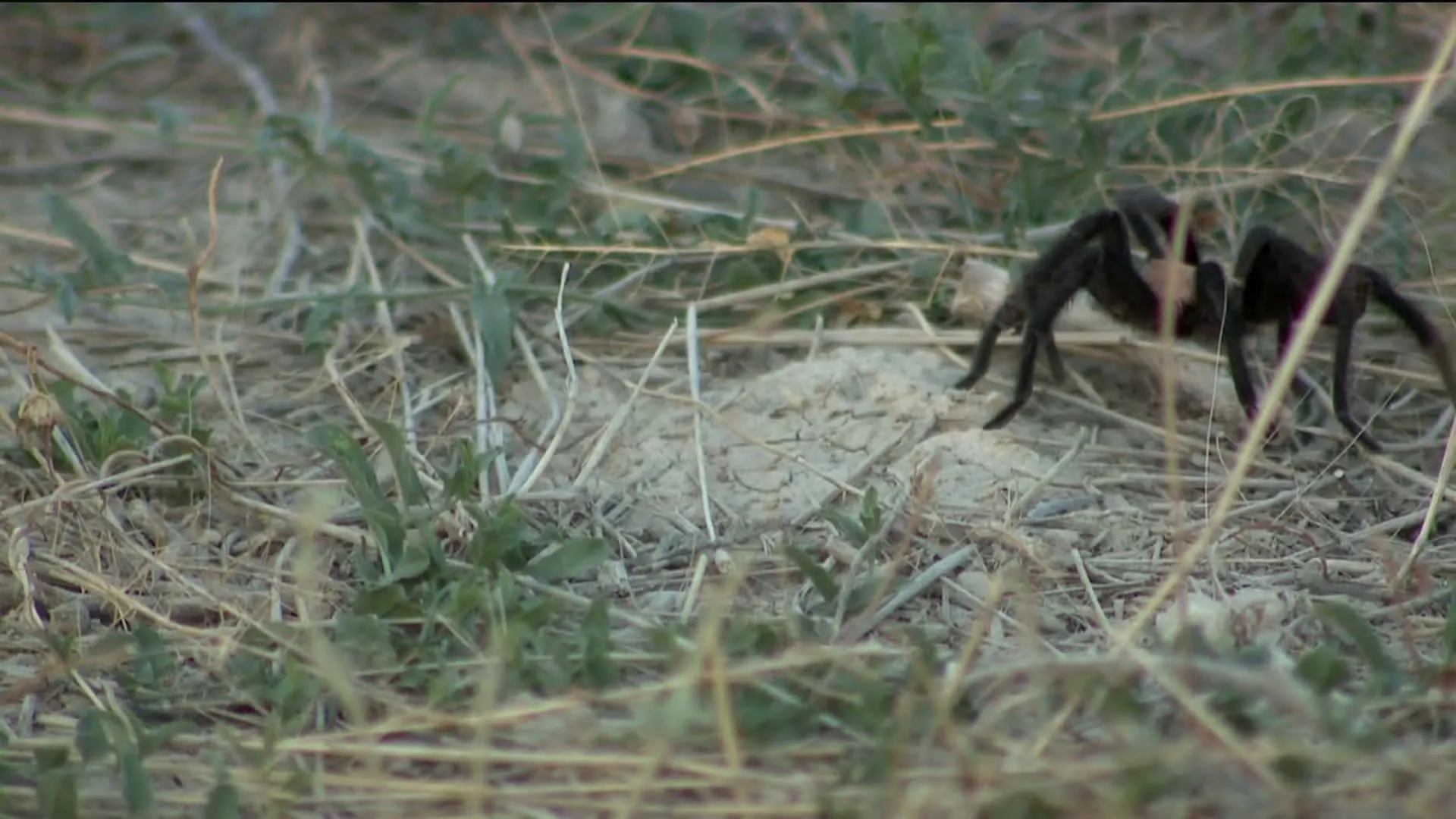
What is the Colorado Tarantula Migration?
The Colorado tarantula migration is a remarkable natural phenomenon that occurs annually, typically in the late summer and early fall. During this time, thousands of male tarantulas embark on a journey, often traversing miles of terrain in search of a mate. This spectacle provides a unique opportunity for wildlife enthusiasts and nature lovers to witness these impressive arachnids in action. The migration is not only a fascinating display of animal behavior but also plays a crucial role in the tarantulas’ reproductive cycle, ensuring the continuation of their species. Understanding the specifics of the migration, including its timing and the factors that influence it, is key to appreciating this natural wonder and its ecological significance. The event highlights the intricate balance of nature, where survival and reproduction drive the behaviors of these creatures.
The Timing of the Colorado Tarantula Migration
The timing of the Colorado tarantula migration is quite predictable, generally commencing in late August and extending through September and sometimes into early October. The exact start and end dates can vary slightly each year, depending on weather conditions, particularly temperature and rainfall. Warm, humid conditions often trigger the migration, while colder temperatures can delay it. The peak of the migration usually occurs during a specific window of a few weeks, when the majority of the male tarantulas are actively seeking mates. Monitoring local weather forecasts and observing previous years’ patterns can help anticipate the optimal viewing times. For those planning to observe, it is important to stay updated on the local conditions to maximize their chances of witnessing the migration.
Factors Influencing the Migration

Several factors influence the Colorado tarantula migration. The primary trigger is the mating season, where mature male tarantulas leave their burrows in search of receptive females. Temperature plays a significant role; warmer temperatures are often the catalyst for migration. Humidity levels are also a factor, with increased humidity making the environment more suitable for the spiders. The availability of prey for the females is another influencing factor, as it affects their readiness to mate. Geographical factors, such as the terrain and presence of suitable mating habitats, further shape the migration patterns. These elements interact to create the timing and extent of the migration, making it a dynamic event that varies slightly from year to year. Understanding these influencing factors can help observers predict and appreciate the migration more fully.
Fact 1: The Purpose of the Migration
The primary purpose of the Colorado tarantula migration is reproduction. Male tarantulas, once they reach maturity, embark on their journey solely to find a mate and reproduce. This journey is a critical part of their life cycle, ensuring the continuation of their genes. The males travel, often over considerable distances, guided by pheromones released by the females. Their single-minded focus on mating is reflected in their behavior, as they exhibit elaborate courtship rituals to attract females. After mating, the males typically die, having fulfilled their reproductive duty. The female tarantulas, after mating, will lay eggs, which will hatch, continuing the cycle. This behavior demonstrates the powerful driving force of natural selection and species survival, illustrating the vital role of this annual migration.
Fact 2: The Tarantula Species Involved
The primary species involved in the Colorado tarantula migration is the Oklahoma brown tarantula (Aphonopelma hentzi). These large, hairy spiders are native to the southwestern United States and are well-adapted to the semi-arid climate of Colorado. Adult males are easily identifiable by their wandering behavior during the migration. While the migration is largely composed of this specific species, other tarantula species or related spider groups could be present in the area, although less prominently. Understanding the specific species involved helps in appreciating the ecological significance of the migration and provides a focus for observation and conservation efforts. The tarantulas involved play a crucial role in the local ecosystem, and the migration is an integral part of their life cycle, highlighting their importance in the food chain and ecological balance.
Fact 3: The Duration of the Migration

The duration of the Colorado tarantula migration varies, typically spanning several weeks, often from late August to late September or early October. The length of the migration depends on various factors, including weather conditions, the density of the tarantula population, and the success of the mating process. During peak migration times, large numbers of male tarantulas can be seen actively seeking mates. The spiders’ movement is not constant; periods of activity may be interspersed with periods of rest or seeking shelter. The entire migration cycle, from the first sightings to the decline in activity, illustrates the seasonal nature of this event, providing both researchers and enthusiasts with a defined window to observe and study the tarantulas’ behavior and reproduction cycle. The span of the migration gives ample opportunities to observe these fascinating creatures.
Fact 4: Best Locations for Viewing
Several locations in Colorado offer excellent opportunities to witness the tarantula migration. Areas with open grasslands, such as the Pawnee National Grassland, are particularly popular viewing spots. These locations provide the necessary habitat for the tarantulas and often have fewer obstacles for observation. Other suitable areas include specific parts of the Arkansas River valley and certain regions in the southern and southwestern parts of the state. It’s important to research specific trails or areas within these locations for optimal viewing, considering accessibility and safety. Remember to respect private property and follow all park regulations when visiting any of these areas. Checking with local nature centers or wildlife organizations can provide the most up-to-date information on viewing locations and the best times to observe the migration each year.
Fact 5: Unique Behaviors During Migration
During the Colorado tarantula migration, the spiders exhibit several unique behaviors. Male tarantulas, driven by the urge to mate, often engage in an array of fascinating activities. They actively search for females, sometimes traveling for miles. They display elaborate courtship rituals, involving drumming their pedipalps (small appendages near the mouth) and palps on the ground to attract potential mates. They also display defensive behaviors, such as rearing up on their hind legs, showing their fangs, and flicking urticating hairs if threatened. The females, when they find a mate, may become aggressive if the male does not exhibit the correct behavior and courtship ritual. Observing these behaviors firsthand provides a captivating look into the complex social dynamics of these arachnids. Witnessing the unique behaviors of the tarantulas offers a truly memorable experience.
Tips for Observing the Migration Safely

Observing the Colorado tarantula migration can be an exciting experience, but it is important to do so safely. Maintain a respectful distance from the tarantulas, avoiding any direct interaction. These spiders are not aggressive unless provoked, but a bite can be painful. Wear sturdy shoes and long pants to protect against potential bites and the elements. It’s wise to stay on designated trails and avoid disturbing the natural habitat. Always bring plenty of water and sunscreen, particularly when exploring in open areas. Be aware of your surroundings, watch out for other wildlife, and avoid approaching the spiders or handling them. Keep pets on a leash and under control. Report any unusual behavior or sightings to park rangers or wildlife officials. Following these safety tips ensures a pleasant and safe experience for both the observer and the tarantulas.
Respecting the Tarantulas and Their Habitat
To fully appreciate the Colorado tarantula migration, it’s crucial to approach the experience with respect for the tarantulas and their habitat. Avoid any actions that could disturb or harm the spiders, such as trying to handle them or interfering with their natural behaviors. Refrain from littering or making excessive noise, as this can disrupt the environment and stress the tarantulas. Stay on established trails to minimize your impact on the ecosystem. Educate yourself and others about the importance of these arachnids and their role in the ecosystem. Share your observations responsibly, avoiding sensationalism or misinformation. Support conservation efforts aimed at protecting their habitat and promoting responsible wildlife viewing. By respecting the tarantulas and their environment, you contribute to preserving this unique natural spectacle for future generations.