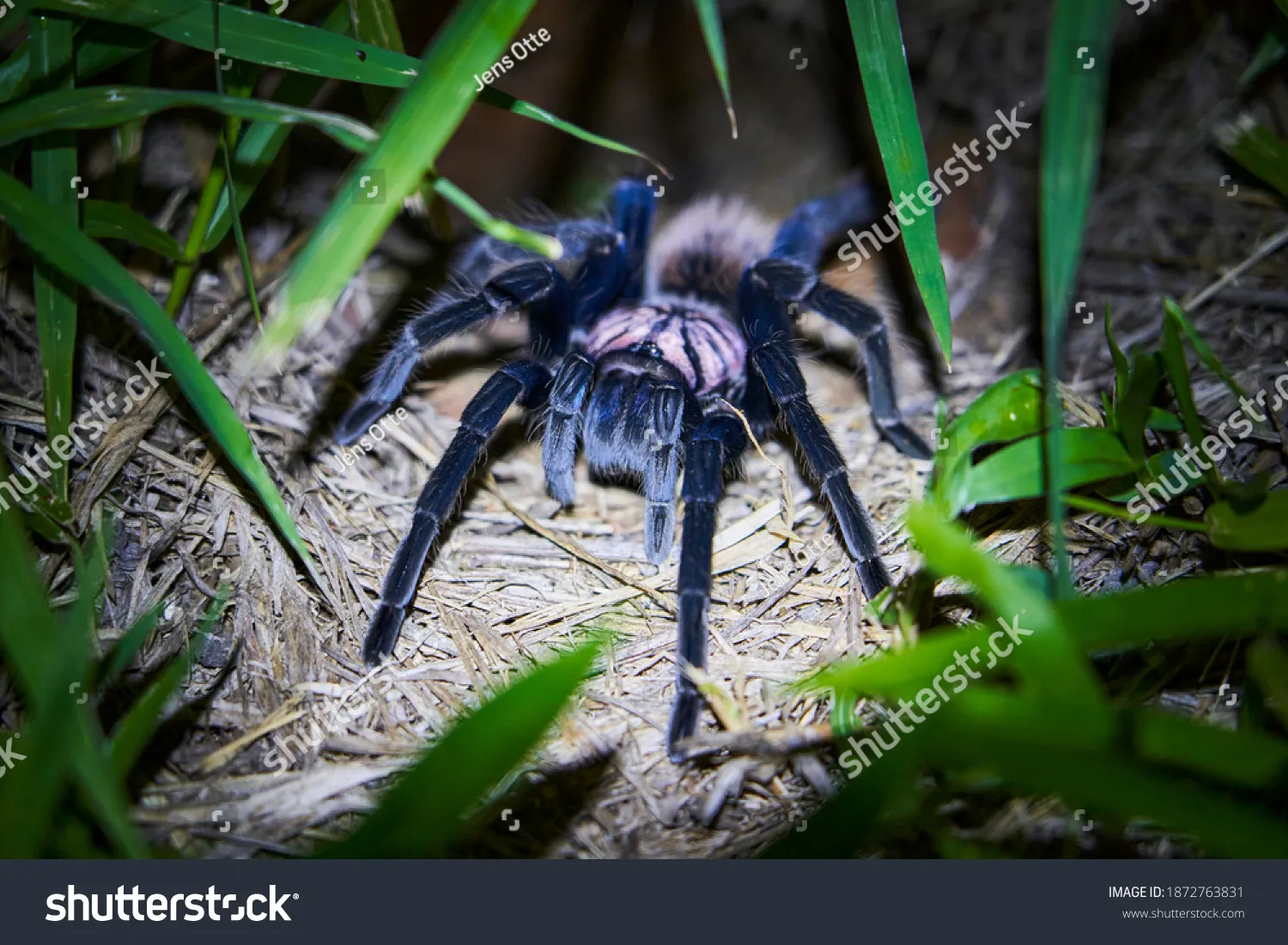
What Makes a Tarantula Shop in Colombia Special
Colombia’s unique biodiversity contributes significantly to the variety of tarantulas available in local shops, making these shops fascinating destinations for arachnid enthusiasts. Shops often specialize in both native Colombian species and a selection of exotic tarantulas from around the globe, offering a diverse range for both beginners and experienced keepers. The shops are not just retail spaces; they also serve as educational hubs, providing valuable information and resources for responsible tarantula ownership. Furthermore, the presence of specialized Colombian tarantula shops reflects a growing interest in exotic pets and the country’s rich natural heritage. These establishments contribute to the local economy while promoting conservation awareness and ethical practices in the pet trade, which is a great benefit.
Diversity of Tarantula Species Available
Colombia tarantula shops typically boast a wide array of tarantula species, catering to diverse preferences and levels of experience. This diversity is influenced by factors such as import regulations, breeding programs, and the popularity of certain species among hobbyists. From the vibrantly colored species to the more subdued, cryptic varieties, the options available are extensive. This variety ensures that potential owners can find a tarantula that suits their lifestyle, enclosure space, and personal fascination. Shops often have knowledgeable staff to guide customers through the selection process, helping them choose a tarantula that aligns with their ability to provide proper care and the specific needs of the species.
Common Tarantula Species Found

The most commonly found tarantula species in Colombian shops include those known for their docile temperament and ease of care, making them ideal for beginners. These often include species such as the Chilean Rose Hair (Grammostola rosea), known for its gentle nature and longevity, and the Mexican Red Knee (Brachypelma hamorii), recognizable by its striking orange and black markings. These tarantulas are generally hardy and relatively easy to maintain, requiring a moderate humidity level and a simple substrate. Shops often provide starter kits including enclosures, substrate, and care guides, making it easier for new owners to get started. The popularity of these species contributes to their consistent availability in local shops, ensuring a steady supply for those entering the world of tarantula keeping.
Rare and Exotic Tarantulas
For experienced keepers, Colombian tarantula shops may also offer rare and exotic species. These tarantulas often command higher prices due to their scarcity, unique appearance, and more complex care requirements. Examples might include the vibrant Cobalt Blue tarantula (Cyaneopubescens), the stunningly patterned Gooty Sapphire Ornamental (Poecilotheria metallica), or other species that require specialized environments, such as high humidity or specific temperature gradients. These rare species can be a challenge to obtain, requiring shops to work closely with reputable breeders and adhere to strict import regulations. The presence of these rare species makes Colombian shops a destination for serious hobbyists seeking to expand their collections and delve deeper into the world of tarantulas. Responsible shops will always prioritize the well-being of the tarantulas, ensuring they are ethically sourced and housed in optimal conditions.
Legal Considerations for Tarantula Ownership
Owning a tarantula in Colombia comes with legal considerations that ensure both the welfare of the animal and the preservation of local ecosystems. These regulations are typically in place to prevent the introduction of invasive species and to protect native wildlife. The requirements can vary by region, but generally involve permits, registration, and adherence to specific care guidelines. Owners must be aware of and comply with these regulations, which often include providing information about the tarantula’s origin, species, and planned housing. Failure to comply can result in penalties, including fines and the confiscation of the animal. It is the responsibility of potential owners to research and understand the legal requirements before purchasing a tarantula, as shops will often ask for permit information before selling. The aim is to guarantee the sustainable and responsible keeping of these fascinating creatures.
Permits and Regulations

The specifics of permits and regulations for tarantula ownership in Colombia can vary depending on local and national laws. These regulations often cover aspects such as the species allowed, the documentation needed to prove legal acquisition, and the standards of care required. Permits may be necessary to import or export tarantulas, as well as to keep certain species within the country. Regulations can also dictate specific housing requirements, including enclosure size, substrate, temperature, and humidity levels. Regular inspections might be conducted to ensure owners are following the required standards. It is important for prospective owners to research these regulations in their specific area. Local authorities, such as environmental agencies or wildlife departments, can provide accurate information about the permit application process and the ongoing requirements for tarantula ownership, to maintain the safety of both the public and the welfare of the animals.
Conservation and Ethical Sourcing
Conservation and ethical sourcing practices are fundamental aspects of the tarantula trade in Colombia, helping to ensure that the hobby is sustainable and does not harm wild populations. Reputable tarantula shops prioritize sourcing their animals from ethical breeders who adhere to responsible breeding practices. This includes avoiding the collection of tarantulas from the wild and supporting captive-bred populations, which reduces the pressure on natural habitats. Conservation efforts also include educating customers about the importance of responsible ownership, providing information about tarantula species and their conservation status. By choosing to patronize shops that demonstrate a commitment to these practices, hobbyists can contribute to the preservation of tarantula populations and the health of ecosystems. Shops that promote ethical sourcing contribute to conservation efforts and the long-term sustainability of the hobby.
Essential Supplies at a Colombia Tarantula Shop
A well-stocked tarantula shop in Colombia should provide all the essential supplies needed for tarantula care. These items help owners create a suitable habitat and maintain the tarantula’s health and well-being. Having the right supplies is crucial, from the enclosure itself to the food and supplements. Providing proper care ensures a long and healthy life for the tarantula and a rewarding experience for the keeper. A good shop will also offer advice on how to use these items, helping beginners avoid common mistakes and providing the tarantula the best possible care.
Enclosure and Habitat Setup

The enclosure is one of the most important purchases, serving as the tarantula’s home and protecting it from environmental hazards. Colombian tarantula shops offer a variety of enclosure options, ranging from glass terrariums to plastic containers with secure lids. The size of the enclosure should be appropriate for the tarantula’s species and size, providing enough space for movement and burrowing or webbing. Shops typically provide advice on the best enclosure size and type for each species. Ventilation is another critical aspect, ensuring that the enclosure provides fresh air while maintaining the appropriate humidity levels. A well-designed enclosure also includes features like secure lids to prevent escape and easy access for cleaning and maintenance.
Substrate and Decoration
The substrate is the bedding material at the bottom of the enclosure, providing a surface for the tarantula to walk on, burrow in, or use to create webs. Colombian tarantula shops usually sell different types of substrate, including coconut fiber, peat moss, and vermiculite, each with its own benefits. Coconut fiber is a popular choice for its ability to retain moisture and maintain humidity, while peat moss can provide a more naturalistic look. The choice of substrate often depends on the species of tarantula and its specific needs. Decorations, such as cork bark, artificial plants, and hides, add visual appeal and offer the tarantula places to hide and feel secure. These decorations enhance the enclosure environment by mimicking the tarantula’s natural habitat.
Heating and Lighting
Heating and lighting are vital for maintaining the correct environmental conditions for tarantulas. While many species do not require specialized lighting, some benefit from a low-wattage bulb or LED strip to simulate daytime and nighttime cycles. Heating is crucial, especially in cooler climates, and it can be provided using a heat mat or ceramic heat emitter. These devices should be connected to a thermostat to prevent overheating. Shops will offer a selection of heating and lighting options and can advise on the appropriate setup for different species and climates. Proper temperature control ensures the tarantula’s metabolism functions correctly, supporting its health and well-being. The shop can also provide guidance on the ideal temperature range for each species, helping owners avoid common mistakes and make sure their tarantula thrives.
Feeding and Nutrition

Providing a balanced diet is essential for a tarantula’s health and longevity. Colombian tarantula shops typically carry a variety of live feeders, which are the main source of food for these predators. The choice of feeder insects should be appropriate for the tarantula’s size, with crickets, mealworms, and roaches being common options. Shops can also offer guidance on how often to feed the tarantula and how to prepare the feeders, such as gut-loading them with nutritious foods to enhance the tarantula’s diet. Fresh water should always be available, usually provided in a shallow dish or a water gel. Proper nutrition and hydration are fundamental for keeping the tarantula healthy and promoting its well-being.
Live Feed Options
Live feeders are a primary component of a tarantula’s diet, and Colombian tarantula shops will usually offer a variety of options to cater to different tarantula species and sizes. Crickets are a staple, offering a good source of protein, while mealworms are another popular choice for smaller tarantulas or as a supplementary food source. Roaches, such as Dubia roaches, are often favored for their nutritional value and ease of maintenance. The shop staff can provide advice on which feeders are best suited for a specific tarantula species and offer tips on feeder care, such as keeping them well-fed and hydrated to maximize their nutritional value. Offering a varied selection of feeders ensures a balanced diet and helps meet the tarantula’s dietary needs.
Supplements and Vitamins
In addition to live feeders, supplemental vitamins and minerals can be beneficial to a tarantula’s health. Colombian tarantula shops may carry calcium and vitamin supplements, which can be dusted on the feeders before they are offered to the tarantula. These supplements help ensure that the tarantula receives essential nutrients that may be lacking in the feeders’ diet. The shop staff can offer guidance on which supplements are most appropriate, how to use them, and how often to supplement the tarantula’s diet. Providing proper supplementation helps ensure the tarantula’s overall health and proper development, particularly during growth phases or during molting, when nutrient needs are higher.
Expert Advice and Support from Shop Owners

Tarantula shops in Colombia often distinguish themselves by offering expert advice and ongoing support to their customers. The shop owners and staff are usually experienced arachnid keepers and can provide valuable insights into the care, feeding, and housing of tarantulas. This support is essential, from helping beginners choose their first tarantula to assisting experienced keepers with more complex issues. It helps to ensure that tarantulas are kept responsibly and safely. The shops play a crucial role in promoting the well-being of the tarantulas and fostering a thriving community of arachnid enthusiasts.
Tarantula Care Tips and Tricks
The shop owners are typically a wealth of knowledge, sharing practical care tips and tricks to help keepers manage their tarantulas effectively. This includes advice on proper enclosure maintenance, such as regular cleaning and substrate replacement. Advice on feeding is also common, including how often to feed, the appropriate sizes of feeders, and techniques for handling and feeding the tarantulas. Other useful information provided is on how to identify signs of illness or distress, and how to prevent or treat common issues. Shops provide care sheets specific to each species, offering detailed instructions on its care requirements, helping to ensure that keepers have the information they need to provide excellent care for their tarantulas. The expertise can greatly improve the tarantula-keeping experience.
Health and Disease Prevention
Maintaining the health of tarantulas involves a range of preventative measures. The shop staff can offer guidance on recognizing common tarantula ailments and provide tips on how to keep them healthy. These tips include maintaining proper hygiene, such as cleaning the enclosure regularly and removing uneaten food, which helps prevent the growth of mold and bacteria. They also offer advice on providing an appropriate environment, including temperature and humidity, and how to ensure the tarantula has access to fresh water. The shop can also provide information on the signs of illness, such as lethargy, loss of appetite, or abnormal behavior, and when to seek professional veterinary care. Shops may also be able to direct owners to specialized veterinarians who have experience with arachnids.
Breeding and Reproduction

For those interested in breeding, tarantula shops in Colombia can be a valuable resource, offering information and support to help navigate the process. Staff may provide advice on selecting suitable breeding pairs, determining the correct conditions for breeding, and the steps to take to ensure successful mating. They can also offer insight into the care of spiderlings, including housing and feeding requirements, and offer guidance on how to avoid common pitfalls. Information about legal requirements related to breeding, such as permits and registration, is also often provided. Shops help promote responsible breeding practices, encouraging hobbyists to contribute to the sustainable population of tarantulas. Shops often play a key role in educating customers on the complexities of tarantula breeding, which increases the success rate and fosters a more informed community.
Community and Events
Tarantula shops often serve as hubs for the arachnid-keeping community, organizing events and creating spaces where enthusiasts can connect, share experiences, and learn from one another. These initiatives build a sense of community and offer opportunities for education and social interaction among people who share a common interest. These events can also provide valuable support for new owners, helping them overcome common challenges and feel a part of a larger group. By fostering this sense of community, shops ensure that the hobby remains engaging and accessible. They also contribute to the overall well-being of the tarantulas by improving knowledge and ensuring owners are better informed about best care practices.
Tarantula Shows and Meetings
Tarantula shops might organize or participate in tarantula shows and meetings, which provide a great opportunity for hobbyists to gather, share knowledge, and admire a variety of tarantulas. These events may include displays of different species, presentations by expert keepers, and opportunities to purchase tarantulas, supplies, and related merchandise. The meetings are also chances to learn about breeding, handling, and other advanced care topics. They also serve as an excellent forum for exchanging experiences, sharing tips, and discussing current issues within the community. Shows help to promote responsible pet ownership, with an emphasis on education and ethical practices. Participating in these events can enhance the hobbyist’s knowledge and appreciation for these fascinating creatures.
Online Resources and Forums

In addition to in-person events, tarantula shops often provide information about online resources, such as forums, social media groups, and websites, where keepers can connect with other enthusiasts. These online platforms are invaluable for sharing information, asking questions, and getting support from experienced keepers worldwide. They can offer an extensive database of care sheets, troubleshooting guides, and discussions of current issues and developments within the tarantula-keeping community. They also enable owners to share photos and videos of their tarantulas, which helps build community and allows for visual comparisons. Shops can guide new owners to these online resources, expanding their access to information and helping them stay connected to the larger community. Online platforms provide invaluable support to tarantula keepers and contribute to the hobby’s growth.
The Future of Tarantula Shops in Colombia
The future of tarantula shops in Colombia is likely to be shaped by evolving trends, technological innovations, and a continued emphasis on sustainability and ethical practices. These shops are set to grow as interest in exotic pets expands, and the internet allows for further knowledge dissemination. They are also more likely to incorporate sustainable business practices and continue to build strong relationships with the communities they serve. The growth of these shops will depend on many factors.
Trends and Innovations
Several trends and innovations are expected to influence the future of tarantula shops in Colombia. One key trend is the increasing adoption of online retail and e-commerce platforms. Shops are likely to establish or expand their online presence, providing customers with easy access to tarantulas, supplies, and care information. Another trend is the growing demand for rare and exotic species, which could lead to an increase in specialized shops. Technological innovations, such as improved enclosure designs, automated environmental control systems, and advanced monitoring tools, might become available to improve the care of tarantulas. The shops could also offer live-streaming sessions of tarantulas, virtual tours, and online care consultations, which increase customer interaction and educational content. The combination of these trends could result in a more dynamic and engaging experience for both shop owners and their customers.
Sustainability and Best Practices
Sustainability and adherence to best practices will be fundamental to the future of tarantula shops in Colombia. This includes a commitment to sourcing tarantulas ethically, supporting captive breeding programs to reduce pressure on wild populations, and providing educational content to promote responsible pet ownership. Environmentally friendly packaging, waste reduction programs, and sustainable sourcing of supplies are also important considerations. The shops that embrace these practices will be better positioned to succeed in the long term. These shops will likely prioritize the well-being of tarantulas, and will work to ensure a positive impact on the communities they serve. The shops can contribute to a more responsible, sustainable, and informed tarantula-keeping environment.