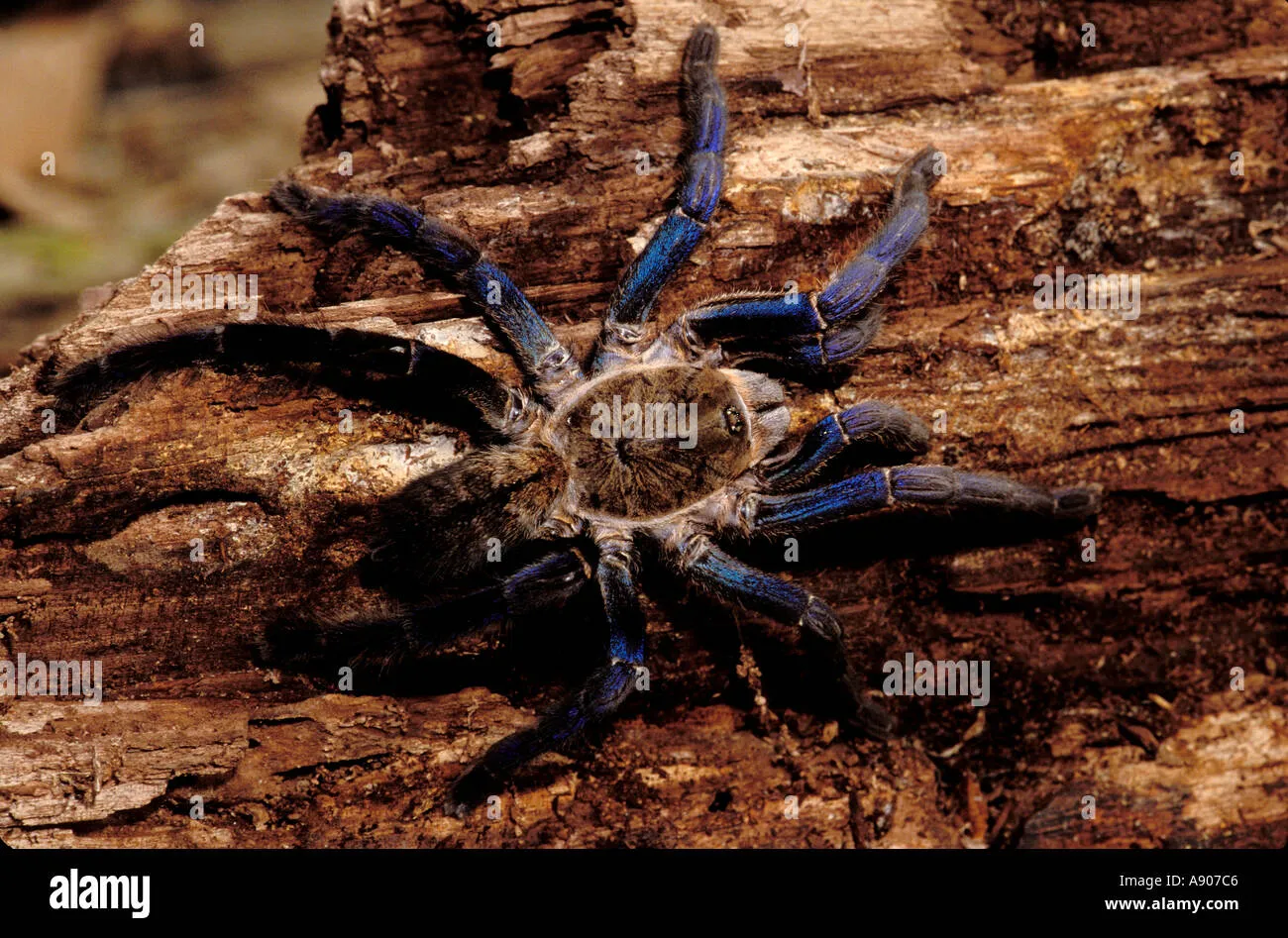
What is a Cobalt Blue Tarantula
The Cobalt Blue Tarantula (Cyriopagopus lividus) is a strikingly beautiful and venomous spider native to the rainforests of Myanmar and Thailand. Its name comes from the brilliant blue coloration that adorns its legs, a vivid contrast to its darker body. These spiders are popular among arachnid enthusiasts, not only for their appearance but also for their unique behaviors. They are terrestrial spiders that often burrow or hide in the undergrowth, adding to the intrigue surrounding them. The Cobalt Blue Tarantula is a fascinating creature, and the opportunity to see pictures of this stunning spider is a treat for any nature or animal lover. This article will guide you on how to find stunning pictures of this amazing creature.
Appearance and Characteristics
One of the primary reasons people seek out pictures of the Cobalt Blue Tarantula is its distinctive appearance. The vivid blue coloration on its legs is the most recognizable feature, often appearing as a metallic or electric blue. This coloration is most prominent on juveniles, with the blue sometimes becoming less intense as the spider matures. The carapace (the top part of the cephalothorax) can range from a light bronze to a darker gray, while the abdomen is usually dark. Cobalt Blue Tarantulas are medium to large-sized spiders, with a leg span that can reach up to 5–6 inches. They possess potent venom, which, while not usually fatal to humans, can cause significant pain and discomfort.
Habitat and Distribution

Cobalt Blue Tarantulas are naturally found in the tropical rainforests of Myanmar and Thailand. They are known to inhabit burrows in the ground and amongst the roots of trees. The humid and warm environment of their natural habitat is critical to their survival. Their distribution is limited to these specific geographic areas, making it more challenging to observe them in the wild. Given their restricted habitat, pictures of Cobalt Blue Tarantulas provide a valuable glimpse into an environment many people may never have the chance to experience firsthand. The preservation of their natural habitat is essential to ensuring future generations can enjoy pictures of this magnificent species.
Finding Cobalt Blue Tarantula Pictures
The Internet is a treasure trove of Cobalt Blue Tarantula pictures. However, finding high-quality and reliable images requires some effort. Several sources offer various images, from professional photographs to amateur shots. When seeking pictures of these spiders, consider factors like image quality, the context of the image, and the photographer’s reputation. Be sure to verify the source’s credibility. The goal is to find images that are both visually appealing and scientifically accurate. Many websites dedicated to arachnids, exotic pets, and nature photography provide such images, but be cautious of mislabeling or potentially harmful photography practices. Taking the time to identify reliable sources will ensure that you enjoy your search.
Online Resources for Pictures
Numerous websites and online databases specialize in nature photography and animal images. Platforms such as Flickr, Unsplash, and Getty Images offer a variety of pictures of Cobalt Blue Tarantulas. When browsing these resources, use specific keywords like ‘Cobalt Blue Tarantula,’ ‘Cyriopagopus lividus,’ or ’tarantula photography’ to refine your search. Always check the licensing of the images before use, ensuring that you comply with the photographer’s terms. Another great resource is dedicated animal and pet websites, often featuring galleries and articles with high-quality pictures. Remember to look for professional photographers’ work, as they tend to provide the best quality. Also, check the description to identify any information about the spider’s behavior or the photographer’s approach.
Social Media for Pictures

Social media platforms such as Instagram and Facebook are also valuable sources for Cobalt Blue Tarantula pictures. Search for relevant hashtags such as #CobaltBlueTarantula, #TarantulaLove, or #SpiderPhotography to discover images posted by enthusiasts, breeders, and professional photographers. Engage with these accounts, follow the photographers, and appreciate their work. Remember to verify the authenticity of the images and avoid using images without proper attribution. Many tarantula keepers and photographers also have dedicated pages, offering a more in-depth view of their care practices or photography techniques. However, be mindful of the ethical implications of social media posts, especially when it comes to handling or presenting the spiders.
Photography Tips for Tarantulas
Capturing great pictures of Cobalt Blue Tarantulas requires some technical skill. Understanding the best lighting techniques and camera settings is crucial. Close-up shots often provide the best views of the spider’s intricate details. When taking pictures, it’s essential to respect the animal’s well-being. Always avoid causing stress or harm to the spider. Patience is key in tarantula photography; these spiders are often slow-moving and can be easily startled. Learning some basic photography concepts will substantially enhance your ability to capture captivating images of Cobalt Blue Tarantulas.
Lighting Techniques
Proper lighting is critical for capturing the vibrant colors and details of the Cobalt Blue Tarantula. Natural light is often ideal, as it provides soft and even illumination. When using natural light, position the tarantula near a window or in a well-lit outdoor space. If natural light is unavailable, consider using artificial lighting such as softboxes or ring lights. Avoid using the camera’s built-in flash, as it can create harsh shadows and potentially disturb the spider. Instead, use a diffused light source to soften the shadows and highlight the spider’s colors and features. Experiment with different lighting angles to see what best showcases the cobalt blue hues.
Camera Settings

For close-up photography, a macro lens is highly recommended to capture intricate details. Use a low aperture (high f-stop number) to achieve a large depth of field, ensuring that the entire spider is in focus. Adjust your ISO to maintain a proper exposure without excessive noise. A tripod is essential to stabilize the camera and prevent blur, especially when using low light or long exposure times. Experiment with different camera settings, such as shutter speed and aperture, to achieve the desired effect. Take multiple shots, varying the settings slightly each time, to ensure you capture the perfect picture. Consider using manual focus for greater control.
Ethical Considerations
Ethical considerations are paramount when taking or viewing pictures of Cobalt Blue Tarantulas. The well-being of the spider should always be prioritized. Avoid any actions that might cause the animal stress or harm. Before taking pictures, observe the spider’s behavior to gauge its comfort level. Do not handle the tarantula unless you are experienced and understand the risks involved. When sharing images, give credit to the photographer and avoid misrepresenting the spider’s natural behavior. Encourage responsible practices and educate others on the importance of animal welfare.
Respecting the Tarantula
Always approach tarantula photography with respect for the animal’s safety. Minimize disturbance and avoid unnecessary handling. Make sure the environment is safe and free from potential hazards. Keep the spider within its enclosure for the majority of the time and only remove it briefly for a photoshoot if you are comfortable and confident. Consider the tarantula’s perspective and ensure that your actions are not causing distress. Prioritize responsible viewing to educate yourself and others about the importance of preserving these magnificent creatures. This approach guarantees that both the photographer and viewer can enjoy the beauty of the Cobalt Blue Tarantula pictures without endangering the spiders.
Avoiding Disturbances

When photographing, minimize sudden movements, loud noises, and bright lights. These actions can scare the tarantula and cause it to retreat. Maintain a safe distance and allow the spider to move at its own pace. Avoid blocking the spider’s access to water or shelter. Refrain from disturbing its natural environment, and if shooting outdoors, ensure that the location is secure and that the tarantula is not exposed to extreme temperatures or weather conditions. Ethical photography is not just about taking pictures but about showing respect and promoting conservation.
Where to See Cobalt Blue Tarantulas
While the best pictures can be found online, seeing a live Cobalt Blue Tarantula requires visiting specific locations. Zoos and educational institutions are among the best places to observe these spiders in a controlled environment. They provide an opportunity to see these creatures up close while ensuring their safety and well-being. Visiting these locations not only provides an educational experience but also supports conservation efforts. Always check with the venue for specific guidelines or times of availability before your visit.
Zoos and Exhibits
Many zoos around the world feature exhibits dedicated to arachnids, including the Cobalt Blue Tarantula. These exhibits often provide educational information and allow visitors to view the spiders in a safe and controlled environment. Look for zoos with dedicated invertebrate sections, and always consult the zoo’s website or visitor guide for information on current exhibits. The exhibits often replicate the tarantula’s natural habitat, allowing visitors to see them in a more natural setting, thus leading to better picture opportunities and greater appreciation for their beauty. Many zoos have trained staff on hand to answer questions and provide additional insights into the lives of these fascinating creatures.
Educational Institutions

Educational institutions, such as universities and museums, often display exotic insects and spiders in their exhibits. These institutions are often involved in research and conservation efforts. Visiting these exhibits offers the chance to learn more about the Cobalt Blue Tarantula and its role in the ecosystem. They often feature detailed information about the spider’s biology, behavior, and conservation status. Many educational institutions also offer workshops or lectures about spiders, which can provide you with valuable knowledge. By visiting these institutions, you not only see pictures but also have the opportunity to learn about the life cycle of the species.
Responsible Viewing
Responsible viewing is critical to both the animals’ safety and your experience. Always follow the guidelines provided by the venue. Do not tap on the glass or make sudden movements that might startle the tarantulas. Avoid using flash photography, as it can be harmful to the spiders. Instead, rely on natural light or the exhibit’s lighting to capture pictures. By practicing responsible viewing, you are supporting the conservation efforts of the location. It’s about enjoying the beauty of these creatures while showing respect and adhering to the rules established to protect them.
Maintaining a Safe Distance
Always maintain a safe distance from the exhibits. Avoid leaning too close to the glass or making excessive noise. Keep small children under supervision, and instruct them not to touch the glass. Some tarantulas may be sensitive to vibrations or sudden movements. A safe distance helps minimize stress and allows you to focus on the beauty and detail of the Cobalt Blue Tarantula. This practice shows respect and allows you to better appreciate the animal.
Avoiding Flash Photography

Flash photography can be harmful to tarantulas, as it can cause stress and potentially damage their eyes. The bright flash can startle the spiders and interfere with their natural behavior. When taking pictures at an exhibit, turn off the flash or use alternative lighting methods. Utilize the exhibit’s lighting or increase your camera’s ISO to capture well-lit pictures without harming the animal. This method improves your experience and ensures the well-being of the Cobalt Blue Tarantulas. Ethical photography requires careful consideration for the animal and its environment.