Cobalt Blue Tarantula Overview
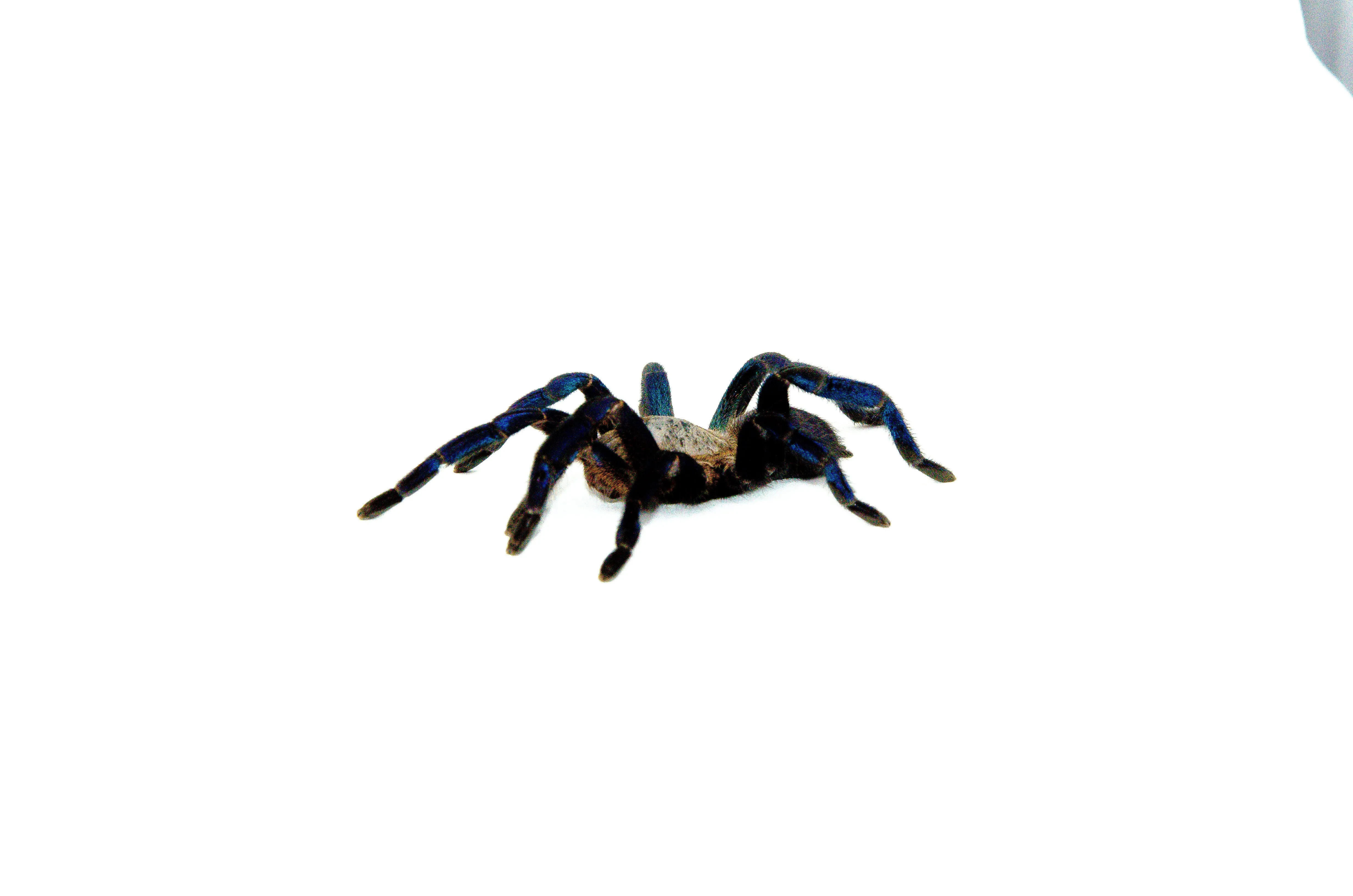
The Cobalt Blue Tarantula (Cyaneopubescens) is a striking and vibrant species, highly sought after by tarantula enthusiasts. Its brilliant blue coloration, especially noticeable on the legs, makes it a visually stunning addition to any collection. Native to the tropical forests of Myanmar and Thailand, these tarantulas are known for their relatively fast growth rate and impressive size. While they can be fascinating pets, potential owners must understand their specific care requirements to ensure their health and well-being. This guide will provide comprehensive information on how to properly care for your Cobalt Blue Tarantula, from enclosure setup to feeding and health management.
Origin and Habitat
Understanding the natural habitat of the Cobalt Blue Tarantula is crucial for replicating its ideal living conditions. These tarantulas are endemic to the tropical rainforests of Southeast Asia, specifically Myanmar and Thailand. In their natural environment, they typically inhabit burrows in the ground or utilize existing crevices for shelter. The climate in these regions is characterized by high humidity and consistent temperatures. The soil composition is usually rich in organic matter, providing a suitable environment for burrowing and anchoring their silk webs. Replicating these environmental factors in captivity is key to the tarantula’s health and successful adaptation.
Appearance and Characteristics

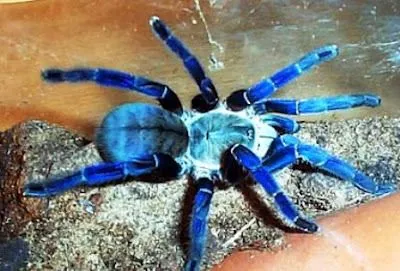
The Cobalt Blue Tarantula is easily recognizable by its striking coloration. Mature adults, especially females, display a brilliant iridescent blue hue on their legs and carapace. The abdomen and the rest of the body can vary in color, often appearing dark gray or black. These tarantulas can reach a leg span of up to 5-6 inches (12-15 cm), with females typically being larger than males. Their appearance is not just about aesthetics; their coloring potentially serves purposes like camouflage or mating displays in the wild. Knowing their physical characteristics will help you to correctly identify and evaluate the health of your pet.
Enclosure Setup for Your Cobalt Blue Tarantula
Creating a suitable enclosure is fundamental to the well-being of your Cobalt Blue Tarantula. The setup should closely mimic its natural habitat. A well-designed enclosure provides the necessary space, environmental conditions, and security for your tarantula to thrive. Proper enclosure setup includes factors like tank size, substrate, decoration, temperature, and humidity levels. Incorrect setup will lead to stress, health problems, and a generally unhappy tarantula. It’s essential to prioritize the creation of a comfortable and enriching environment.
Tank Size and Type
The size of the enclosure depends on the tarantula’s size. A juvenile Cobalt Blue Tarantula can thrive in a small terrarium, such as a 10-gallon tank. However, as it grows, it will need a larger space. An adult Cobalt Blue Tarantula typically requires a 20-gallon long tank. The enclosure should be made of glass or clear plastic, allowing you to easily observe your pet. Ensure the enclosure has a secure lid to prevent escapes. Ventilation is also important, so the enclosure should have adequate ventilation holes, avoiding any drafts.
Substrate and Decoration

The substrate in the enclosure should mimic the tarantula’s natural habitat. A good choice is a mix of coconut fiber (coir), peat moss, and a small amount of vermiculite. This mixture holds humidity well and allows the tarantula to burrow. The substrate should be deep enough (4-6 inches) to allow the tarantula to create a burrow if it desires. Decorations such as cork bark, artificial plants, and sturdy hides should be added to the enclosure to provide security and enrichment. These decorations help the tarantula feel safe and give it a place to retreat. Ensure that all decorations are non-toxic and securely placed to prevent them from falling on the tarantula.
Temperature and Humidity
Cobalt Blue Tarantulas thrive in a warm and humid environment. The ideal temperature range is between 75-85°F (24-29°C). You can use a heat pad or heat lamp to maintain this temperature, but always avoid placing the heat source directly inside the enclosure to prevent burns. Humidity levels should be maintained between 70-80%. You can measure humidity using a hygrometer and increase it by misting the enclosure with dechlorinated water a few times a week. Adequate ventilation is also critical, ensuring that the enclosure doesn’t become stagnant and preventing mold growth. Regularly monitor both temperature and humidity to ensure the proper conditions for your tarantula.
Feeding Your Cobalt Blue Tarantula
Proper nutrition is essential for the health and growth of your Cobalt Blue Tarantula. Tarantulas are carnivores and require a diet of live insects. Feeding frequency and the type of insects depend on the tarantula’s age and size. Overfeeding can lead to health issues, so it’s important to follow a proper feeding schedule. Always ensure that the insects you feed are healthy and free from pesticides. The diet needs to be varied to provide all the nutrients your tarantula needs to thrive. A balanced diet is one of the most important elements for a healthy tarantula.
Diet and Feeding Schedule
Juvenile Cobalt Blue Tarantulas should be fed 2-3 times per week. Adult tarantulas can be fed once a week or every other week. The size of the prey should be appropriate for the tarantula’s size, with the prey being no larger than the tarantula’s abdomen. Suitable food items include crickets, mealworms, roaches, and occasionally, small vertebrates like pinkie mice (for adults only). Remove any uneaten food within 24 hours to prevent mold growth. Always provide a small, shallow water dish with fresh, clean water available at all times.
Water and Hydration
Cobalt Blue Tarantulas need a constant supply of fresh water. Provide a shallow water dish filled with clean, dechlorinated water. The dish should be small enough that the tarantula cannot fall in and drown. Regularly check and refill the water dish to ensure it’s always clean. In addition to the water dish, misting the enclosure can help maintain humidity, which is crucial for the tarantula’s well-being. Misting also allows the tarantula to drink droplets of water, which is part of their hydration process.
Handling and Safety Precautions
While Cobalt Blue Tarantulas are not generally aggressive, they can bite if they feel threatened. Their venom is typically not life-threatening to humans, but it can cause pain, swelling, and muscle cramps. It is best to avoid handling them unless absolutely necessary, such as when transferring them to a new enclosure. Always take proper safety precautions when handling these tarantulas to minimize the risk of bites and ensure both your and the tarantula’s safety. Understanding their behavior is the key to safe interaction.
Understanding Cobalt Blue Tarantula Behavior

Cobalt Blue Tarantulas are generally shy and secretive. They spend most of their time in their burrows or hides. They are more likely to be seen at night. Their behavior can vary depending on their mood, environment, and individual personality. They may flick hairs from their abdomen as a defense mechanism. Observing your tarantula’s behavior will help you understand its needs and any potential health issues. Recognizing signs of stress or discomfort is vital to avoid any negative interactions.
Safe Handling Techniques
If you need to handle your Cobalt Blue Tarantula, do so with extreme care and caution. Avoid sudden movements that could startle the tarantula. Use a soft brush or a container to gently guide the tarantula, rather than picking it up with your hands. Always keep your hands steady and close to the ground in case it falls. Never handle your tarantula if you are unsure of its mood, and avoid handling after a recent molt. Thoroughly wash your hands before and after handling, and never touch your face or eyes during or after handling to prevent irritation or allergic reactions.
Health and Common Issues
Like any pet, Cobalt Blue Tarantulas can experience health problems. Understanding common health issues and their symptoms allows you to take timely action. Regular monitoring of your tarantula’s behavior, eating habits, and appearance is crucial for identifying and addressing any health concerns. Prevention is key to maintaining a healthy tarantula, which includes providing a suitable environment, proper nutrition, and hygiene.
Molting and Growth
Molting is a natural process where tarantulas shed their exoskeleton to grow. During molting, your Cobalt Blue Tarantula will typically stop eating and may become lethargic. They will often lie on their backs. Avoid disturbing them during this time. Molting frequency varies depending on age, with juveniles molting more frequently than adults. After molting, the tarantula’s exoskeleton will be soft for a few days. During this time, they are vulnerable, so avoid handling them. The entire process can take several hours to several days.
Identifying and Treating Illness
Some common health issues for Cobalt Blue Tarantulas include mites, fungal infections, and parasites. Mites can be identified by tiny, moving spots on the tarantula or in its enclosure. Fungal infections can be identified by discoloration or lesions. Parasites can be found in the feces or on the tarantula itself. If you notice any signs of illness, consult with a veterinarian experienced in exotic animals immediately. Treatment options depend on the specific problem, but early detection and intervention are key. Maintaining good hygiene and providing a proper environment can prevent many common issues.
Caring for a Cobalt Blue Tarantula can be a rewarding experience. By following the guidelines in this care guide, you can provide a healthy and enriching life for your pet. Remember to always prioritize your tarantula’s well-being. With proper care, your Cobalt Blue Tarantula can thrive, providing you with years of enjoyment. Happy Tarantula keeping!