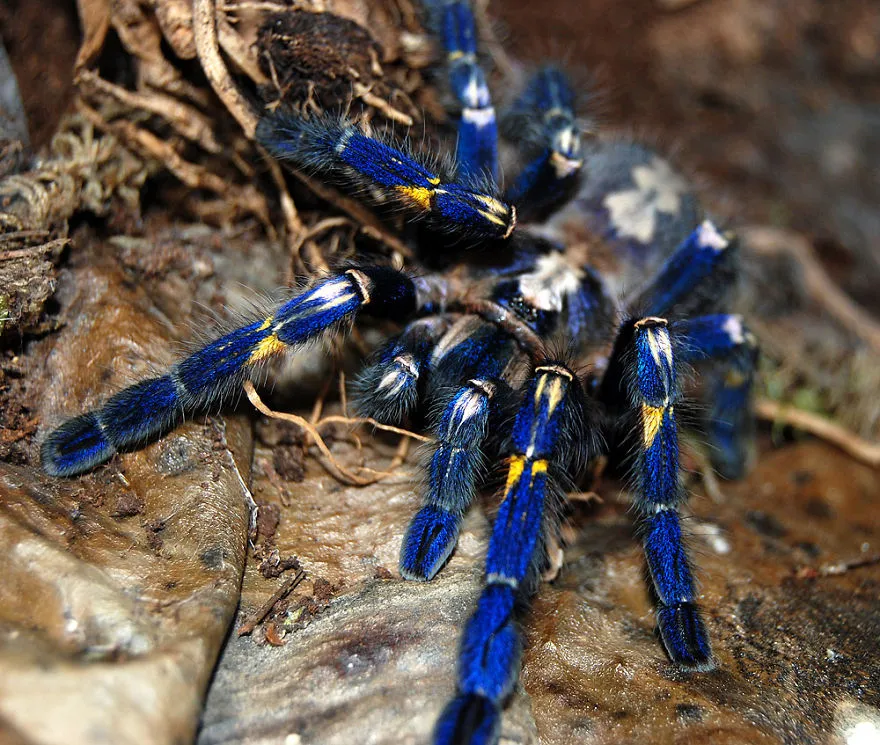
The cobalt blue tarantula (Cyriopagopus lividus) is a stunning and captivating arachnid, known for its vibrant blue coloration and relatively manageable care requirements. However, understanding their specific needs is crucial to ensuring a long, healthy, and fulfilling life for your pet tarantula. This comprehensive guide offers 101 amazing tips for cobalt blue tarantula care, covering everything from habitat and feeding to lifespan and safety, empowering you to provide the best possible environment for your fascinating eight-legged friend. This guide will help you navigate the world of cobalt blue tarantula ownership with confidence and enjoy the unique experience of caring for this beautiful species.
Understanding the Cobalt Blue Tarantula
Before diving into the specifics of care, it’s essential to understand the cobalt blue tarantula’s origins and characteristics. This knowledge forms the foundation for providing appropriate housing, diet, and overall care. Knowing where these tarantulas come from provides valuable insights into their natural behaviors and preferences, allowing you to create a habitat that mimics their natural environment as closely as possible. This understanding also extends to their physical attributes and growth patterns, which influence everything from enclosure size to feeding frequency.
Origin and Habitat
Cobalt blue tarantulas are native to the tropical rainforests of Myanmar (Burma) and Thailand. They are a terrestrial species, meaning they primarily live on the ground, but they will often create burrows or hide under rocks and logs to feel safe. The warm, humid environment of their natural habitat is a critical factor in their well-being. Replicating this environment in captivity is essential for their health and longevity. These tarantulas thrive in a stable environment free from sudden temperature or humidity fluctuations, much like their native surroundings.
Natural Habitat

In the wild, cobalt blue tarantulas inhabit humid environments with dense foliage and ample hiding places. They often construct burrows in the soil or utilize natural crevices for shelter. The forest floor provides a constant source of moisture and a variety of insects, their primary food source. Understanding these habitat specifics allows you to create a more natural and enriching environment for your pet tarantula, promoting its overall health and reducing stress. This also influences the types of substrate you select for the enclosure, which should mimic the natural forest floor composition.
Appearance and Characteristics
The cobalt blue tarantula is known for its striking appearance. This is a large spider, with females growing larger than males. These tarantulas have a relatively aggressive temperament and are known for their defensive behavior. However, they are still sought-after pets due to their unique coloration and manageable care. The stunning blue hue, combined with their size, makes them a popular choice for experienced tarantula keepers. Their appearance is a significant part of their appeal, and understanding their characteristics is essential for responsible ownership.
Distinctive Blue Coloration
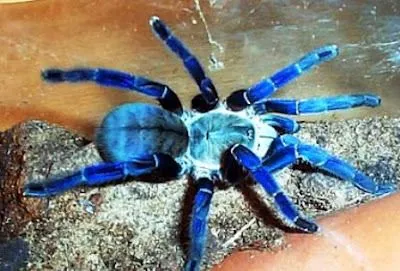
The most captivating feature of the cobalt blue tarantula is, of course, its vibrant blue coloration. This color is most prominent on the legs, carapace (the top of the cephalothorax), and sometimes the abdomen. The intensity of the blue can vary depending on factors such as age, molting cycle, and lighting conditions. The blue color is not pigment-based, but rather structural, meaning it’s created by the way light reflects off the hairs and scales of the tarantula’s exoskeleton. This iridescent effect contributes to the spider’s overall beauty and makes them a truly unique pet.
Size and Growth

Cobalt blue tarantulas are relatively fast-growing spiders. Females can reach a leg span of up to 6 inches (15 cm), while males are typically smaller. The growth rate depends on factors such as feeding frequency, temperature, and overall health. They molt periodically, shedding their exoskeleton to grow. Each molt reveals a slightly larger and more vibrant spider. It’s important to provide the right environment and diet to support healthy growth, ensuring your tarantula thrives in captivity. Regular observation of your tarantula’s size will help you assess if their environment needs adjustment.
Caring for Your Cobalt Blue Tarantula
Providing proper care is vital for your cobalt blue tarantula’s well-being. This includes creating a suitable enclosure, maintaining the correct environmental conditions, and offering a nutritious diet. The following tips and practices are essential for ensuring your tarantula lives a long and healthy life in captivity. From the initial setup of their habitat to the ongoing maintenance, each aspect of their care plays a crucial role in their overall health. Regular monitoring of their environment and behavior is also crucial for detecting any potential issues.
Choosing the Right Enclosure
The enclosure is your tarantula’s home, so choosing the right one is paramount. It should be appropriately sized, secure, and provide the necessary environmental conditions. A well-designed enclosure will not only keep your tarantula safe but also make it easier for you to observe and care for your pet. Proper ventilation and substrate are equally important for maintaining a healthy habitat. Regular cleaning and maintenance are also important to prevent the build-up of harmful bacteria or mold.
Size and Material

The size of the enclosure depends on the size of your tarantula. A good rule of thumb is to provide an enclosure that is at least three times the tarantula’s leg span in width and length. Glass or acrylic terrariums are suitable options, offering good visibility and ease of cleaning. Make sure the enclosure has a secure lid to prevent escapes, as cobalt blue tarantulas are known to be relatively quick. A well-sized enclosure also allows for a temperature and humidity gradient, which is beneficial for your tarantula’s health. A larger enclosure also gives the tarantula room to move and establish its territories.
Ventilation and Security
Proper ventilation is crucial to prevent mold and mildew growth and maintain healthy air quality. Cross-ventilation is ideal. Ensure the enclosure has a secure lid with a tight fit to prevent escapes. Tarantulas are escape artists, so a secure enclosure is an absolute necessity. Regularly check the enclosure for any gaps or weaknesses. The lid should also be heavy enough to prevent accidental opening. Ensuring security should be a top priority, as losing a tarantula can be difficult and stressful for both the owner and the spider.
Substrate and Environment
The substrate is the bedding material in the enclosure. It serves multiple purposes, including providing a surface for the tarantula to walk on, maintaining humidity, and allowing the tarantula to burrow if it chooses. The right substrate will also contribute to the overall aesthetics of the enclosure, mimicking their natural habitat. The substrate should be deep enough to allow for burrowing behavior and provide a comfortable environment. Regular maintenance of the substrate is also crucial for the overall health of your tarantula.
Substrate Choices

A good substrate for cobalt blue tarantulas should retain moisture, allow for burrowing, and be free of harmful chemicals. Some suitable options include a mix of coconut fiber, peat moss, and a small amount of vermiculite. Avoid using wood shavings, as they can be irritating to the tarantula. The substrate should be kept slightly moist but not waterlogged. The depth of the substrate should be at least 4-6 inches to accommodate the tarantula’s burrowing behavior. Regular spot cleaning of the substrate is important to maintain a healthy environment.
Temperature and Humidity
Cobalt blue tarantulas thrive in a warm, humid environment. The ideal temperature range is between 75-85°F (24-29°C). Humidity levels should be maintained between 70-80%. Use a thermometer and hygrometer to monitor temperature and humidity levels. You can maintain humidity by misting the enclosure with dechlorinated water a few times a week. Proper ventilation is also crucial to prevent the build-up of mold and mildew. Ensure that your enclosure is not placed in direct sunlight to avoid overheating. A stable environment is essential for the health and well-being of your tarantula.
Feeding Your Cobalt Blue Tarantula
Providing a proper diet is essential for your cobalt blue tarantula’s health and growth. A well-balanced diet provides all the necessary nutrients for their survival and development. Overfeeding can lead to obesity and other health problems, so it’s crucial to offer an appropriate amount of food. Monitoring your tarantula’s appetite and body condition is also important. Ensure the food items are safe and free of any pesticides or contaminants. Providing a varied diet that is tailored to the tarantula’s specific needs is a fundamental aspect of their care.
Diet and Feeding Frequency
Cobalt blue tarantulas are insectivores. They primarily feed on insects. Suitable food items include crickets, roaches, mealworms, and other commercially available insects. The feeding frequency depends on the tarantula’s age and size. Spiderlings should be fed 2-3 times a week, while adults can be fed once a week or every other week. Remove any uneaten food within 24 hours to prevent mold growth. The size of the food items should be appropriate for the size of your tarantula. Always make sure the insects you feed are healthy and have been properly gut-loaded.
Water and Hydration
Fresh, clean water is essential for your tarantula’s hydration. Provide a shallow water dish with fresh, dechlorinated water at all times. The water dish should be shallow enough to prevent drowning. You can also mist the enclosure regularly to provide additional moisture. The frequency of misting depends on the humidity levels in the enclosure. Always ensure that the water source is clean and free of any contaminants. Regularly check the water dish and refill it as needed.
Cobalt Blue Tarantula Lifespan
Understanding the lifespan of a cobalt blue tarantula is important for responsible pet ownership. While the precise lifespan can vary depending on several factors, knowing the average longevity can help you plan for the long-term care of your pet. Creating the appropriate environment and giving them the best possible care will maximize their lifespan. Knowing their expected lifespan is also beneficial for managing expectations and making informed decisions regarding your pet’s care.
Factors Influencing Lifespan

The lifespan of a cobalt blue tarantula can vary, but females typically live longer than males. Females can live for 12-15 years or even longer, while males typically live for 3-5 years after reaching maturity. Factors that influence lifespan include genetics, care, diet, and environmental conditions. Providing a proper diet, maintaining the correct temperature and humidity, and avoiding stress can all contribute to a longer lifespan. Regular check-ups and prompt treatment of any health issues also play a crucial role.
Sexing Your Tarantula
Sexing a cobalt blue tarantula can be done by examining the molt. After each molt, the tarantula sheds its exoskeleton, and the underside of the old exoskeleton can be examined to determine the sex. Males have modified pedipalps (small leg-like appendages near the mouth) that are used for mating, and they also have a sperm web, which is a small silk mat where they deposit sperm. Females do not have these features. Sexing your tarantula can provide valuable information for determining its lifespan and potential breeding behaviors.
Molting Process
Molting is a natural process where tarantulas shed their exoskeleton to grow. During molting, the tarantula is very vulnerable, so it is crucial to maintain a safe environment. The frequency of molting depends on the tarantula’s age and growth rate. Before molting, the tarantula may stop eating and become lethargic. The molting process can take several hours or even days. It’s important not to disturb the tarantula during molting. After molting, the tarantula’s new exoskeleton will be soft, and they should not be fed for a few days. The newly molted exoskeleton can also provide the opportunity to determine the tarantula’s sex.
Handling and Safety
While cobalt blue tarantulas are captivating creatures, it’s important to approach handling with caution. Although not typically considered highly venomous to humans, their bite can be painful, and their defensive behavior can be unpredictable. Handling should always be done with awareness and respect. Proper handling techniques and recognizing signs of stress are essential to prevent bites. Prioritizing safety, for both yourself and your tarantula, is key to a positive experience. Understanding their potential for defensive behaviors is crucial to prevent bites and reduce stress.
Safe Handling Practices
It’s generally best to avoid handling cobalt blue tarantulas, as they are known to be defensive. If handling is necessary, do so with caution and only when the tarantula is calm. Handle the tarantula over a soft surface, such as a bed or a carpet, to minimize the risk of injury if it falls. Avoid sudden movements and always be aware of the tarantula’s body language. Gently guide the tarantula rather than trying to grab it. Always wash your hands thoroughly before and after handling your tarantula.
Recognizing Signs of Stress
Tarantulas can exhibit signs of stress. It is important to recognize these signs. A stressed tarantula may flick its hairs (urticating hairs), raise its front legs in a defensive posture, or move erratically. They may also refuse to eat. If you observe these signs, it’s best to leave the tarantula alone and allow it to retreat to its burrow or hiding place. Providing a secure and stress-free environment will help to minimize these behaviors. Avoiding unnecessary handling and maintaining appropriate environmental conditions are essential.
Common Health Issues
Like any pet, cobalt blue tarantulas can be susceptible to health issues. Being aware of common problems and knowing how to prevent and address them is crucial for responsible pet ownership. Regular observation of your tarantula’s behavior, appearance, and overall health is vital. Proper care, a balanced diet, and a clean environment are fundamental to minimizing the risk of health issues. Prompt action when a problem is noticed can often prevent the situation from escalating into something serious.
Preventative Care
Preventative care is crucial for maintaining your tarantula’s health. This includes maintaining a clean and appropriate environment, providing a balanced diet, and monitoring for any signs of illness or stress. Regular cleaning of the enclosure is essential to prevent the build-up of bacteria and mold. Proper humidity and temperature control also play a critical role. Providing hiding places reduces stress and promotes a feeling of security. Quarantine new tarantulas for a period to observe and prevent the spread of any potential diseases.
When to Seek Veterinary Assistance
If you notice any signs of illness, such as lethargy, loss of appetite, unusual behavior, or physical abnormalities, it’s essential to seek veterinary assistance from a veterinarian experienced in treating exotic animals. Early intervention can make a significant difference in the outcome. While finding a vet specializing in tarantulas can be difficult, any vet specializing in exotic animals can provide valuable help. Be prepared to provide detailed information about your tarantula’s care and history. Knowing how to recognize when veterinary intervention is needed can make a big difference in the longevity and quality of life of your tarantula.
Conclusion
Caring for a cobalt blue tarantula can be a rewarding experience. By understanding their specific needs, providing the appropriate environment, and practicing safe handling, you can ensure your tarantula thrives. Remember to research and learn as much as possible about these fascinating creatures. With proper care and attention, you can enjoy the beauty and unique character of your cobalt blue tarantula for many years to come. Enjoy the journey of learning and caring for this amazing species and embrace the unique joy of tarantula ownership.