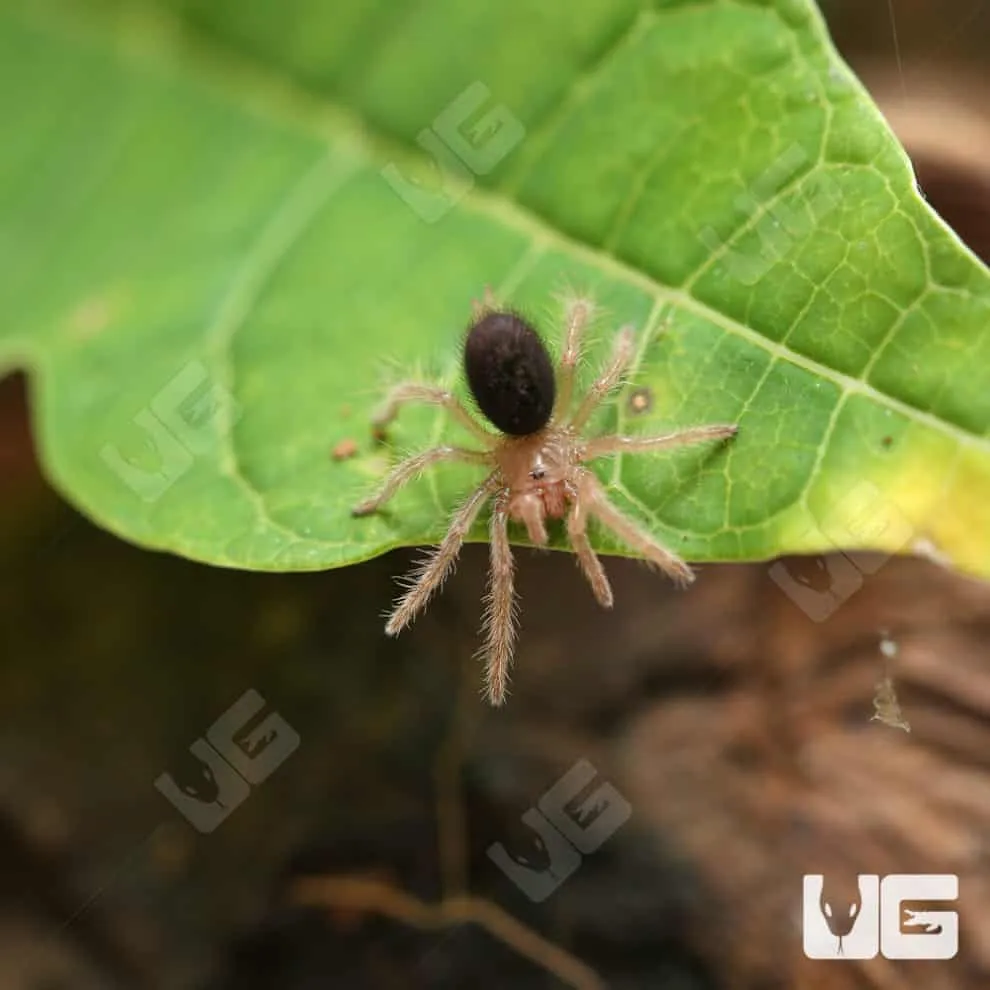
What is a Chacoana Tarantula (Grammostola pulchra)?
The Chacoana Tarantula, scientifically known as Grammostola pulchra, is a captivating and increasingly popular pet spider. Native to the grasslands of South America, particularly in Paraguay and Brazil, this tarantula is admired for its docile temperament and striking appearance. Its growing popularity stems from its relatively manageable size and gentle nature, making it an ideal choice for both novice and experienced tarantula keepers. In this article, we’ll explore everything you need to know about these fascinating creatures, from their physical characteristics and behavior to the essential aspects of their care.
Appearance and Characteristics
The Chacoana Tarantula is known for its beautiful, velvety black coloration, which is a defining feature of this species. As they mature, they often develop a slight iridescent sheen under certain lighting conditions, enhancing their appeal. Their bodies are covered in fine hairs, which give them a soft appearance. They have robust legs, typical of terrestrial tarantulas, which are used for both movement and gripping surfaces. The carapace, or the upper shell of the cephalothorax, is usually a darker shade of black, which further contrasts with the rest of their body. The combination of these features makes them a visually stunning species.
Size and Lifespan

The Chacoana Tarantula is a relatively large spider, with females typically reaching a leg span of 5 to 6 inches. Males are usually slightly smaller. Their size makes them impressive display animals without being overly intimidating. In terms of lifespan, these tarantulas can live for a considerable amount of time. Females often live for 15 to 20 years or even longer, making them a long-term commitment for pet owners. Males, however, have a shorter lifespan, typically living for 3 to 5 years after reaching maturity. This difference in longevity is a characteristic trait of many tarantula species.
Habitat and Distribution
The Chacoana Tarantula is native to the grasslands and savannahs of South America. They are primarily found in Paraguay and Brazil, where they have adapted to a warm, humid environment. Understanding their natural habitat is crucial for providing proper care in a captive setting. Replicating the conditions of their native environment is key to ensuring their health and well-being.
Where They Live
In their natural habitat, Chacoana Tarantulas are primarily terrestrial, meaning they live on the ground. They create burrows or utilize existing ground cover for shelter. These burrows provide protection from predators and extreme weather conditions. They are often found near the base of trees or under rocks, where the soil is suitable for burrowing. The ability to dig and hide is a fundamental part of their natural behavior and a key adaptation for survival in their environment.
Ideal Environment

The ideal environment for Chacoana Tarantulas is warm and humid. They thrive in temperatures between 75°F and 85°F (24°C and 29°C). Humidity levels should be maintained between 60% and 70%. This can be achieved by providing a substrate that retains moisture and misting the enclosure regularly. Adequate ventilation is also essential to prevent mold and maintain air quality. The goal is to create a stable microclimate that mimics their natural habitat as closely as possible.
5 Amazing Facts About the Chacoana Tarantula
Fact 1 Gentle Giants
Chacoana Tarantulas are known for their docile temperament. They are generally not aggressive and rarely bite unless provoked or feel threatened. This makes them a good choice for tarantula keepers of all experience levels. Their gentle nature is one of the reasons they are so popular as pets, allowing for relatively safe handling and observation. While handling should still be done with caution, the likelihood of a bite is significantly lower compared to some other tarantula species.
Fact 2 Their Diet

In the wild and in captivity, the diet of a Chacoana Tarantula mainly consists of insects. Crickets, roaches, and mealworms are staple food items. They are opportunistic hunters and will readily consume anything that moves and fits their size. Feeding frequency depends on their age and size, with juveniles needing more frequent meals than adults. A varied diet ensures they receive all necessary nutrients for healthy growth and development. It’s essential to remove any uneaten prey to prevent stress and maintain cleanliness in the enclosure.
Fact 3 Burrowing Behavior
Chacoana Tarantulas exhibit burrowing behavior, which is a natural instinct. In their natural habitat, they create burrows for shelter and protection. In captivity, they may dig into the substrate if it’s deep enough. Providing a deep layer of substrate, such as coconut fiber or peat moss, allows them to express this natural behavior, reducing stress and enhancing their well-being. The burrow also provides a microclimate that helps regulate temperature and humidity.
Fact 4 The Molting Process
Like all tarantulas, the Chacoana Tarantula molts to grow. Molting is the process of shedding their exoskeleton to allow for growth. This process can be stressful for the tarantula, and they will often hide and stop eating before molting. After molting, they are vulnerable and should be left undisturbed until their new exoskeleton hardens. The frequency of molting decreases as they mature. The molted exoskeleton provides insight into their overall health and development.
Fact 5 They are slow growing

Chacoana Tarantulas are known for their relatively slow growth rate. This is a characteristic of the species and contributes to their long lifespans. This slow growth means they mature slowly and require patience from their keepers. The slow growth also means that they require fewer feedings, especially as adults, which can make them easier to manage compared to faster-growing tarantulas. This slow development phase provides an extended opportunity to enjoy these incredible arachnids.
Caring for Your Chacoana Tarantula
Choosing the Right Enclosure
Selecting the right enclosure is crucial for the health and well-being of your Chacoana Tarantula. A glass or clear plastic terrarium is recommended, allowing for easy observation. The enclosure should be appropriately sized for the tarantula’s size; a juvenile can start in a smaller enclosure, which can be upgraded as it grows. Proper ventilation is vital to prevent mold growth and maintain air quality. The enclosure should have a secure lid to prevent escape. Ensure there are no gaps or potential escape routes.
Substrate and Decoration

The substrate is the bedding material at the bottom of the enclosure. For Chacoana Tarantulas, a substrate that holds moisture well is ideal. A mixture of coconut fiber, peat moss, and a little bit of vermiculite works well. The substrate should be deep enough to allow for burrowing if the tarantula chooses to do so, typically several inches deep. Decorations can include cork bark, artificial plants, and other non-toxic items to provide hiding places and enrich the environment. Make sure that decorations are securely placed and cannot fall and injure the tarantula.
Feeding Your Tarantula
Feeding your Chacoana Tarantula involves providing it with live insects. Crickets, roaches, and mealworms are all suitable options. Feed juveniles once or twice a week, and adults every one to two weeks. The size of the prey should be appropriate for the tarantula’s size; the prey should be no larger than the tarantula’s body. Remove any uneaten prey within 24 hours to prevent stress and potential harm to the tarantula. Ensure that the insects are gut-loaded with nutritious food prior to feeding to enhance the nutritional value for your tarantula.
Water and Humidity
Providing a source of clean water is essential. Use a shallow water dish that is easily accessible. The dish should be small enough to prevent the tarantula from drowning. Keep the humidity levels between 60% and 70% by misting the enclosure regularly and ensuring the substrate remains slightly moist. Avoid over-misting, as this can lead to mold growth. Regular monitoring of the humidity levels with a hygrometer is advisable. Fresh water should be available at all times.
Common Health Issues

Chacoana Tarantulas are generally hardy, but like all pets, they can be susceptible to certain health issues. One common issue is dehydration, which can be prevented by providing ample water. Another is mites, which can be introduced through contaminated substrate or prey. Regular enclosure cleaning and quarantine of new additions can help prevent mite infestations. Respiratory infections can occur if humidity levels are too high. Keeping a close eye on your tarantula’s behavior and appearance, and consulting with a vet experienced with arachnids if you notice any unusual signs, is vital for maintaining their health.
In conclusion, the Chacoana Tarantula is a captivating species that provides a rewarding experience for tarantula keepers. By understanding their needs and following the care guidelines, you can ensure your tarantula lives a long, healthy, and fulfilling life. The combination of their striking appearance, docile nature, and manageable care requirements makes them an excellent choice for both novice and experienced arachnid enthusiasts. Enjoy your journey into the world of Chacoana Tarantulas!