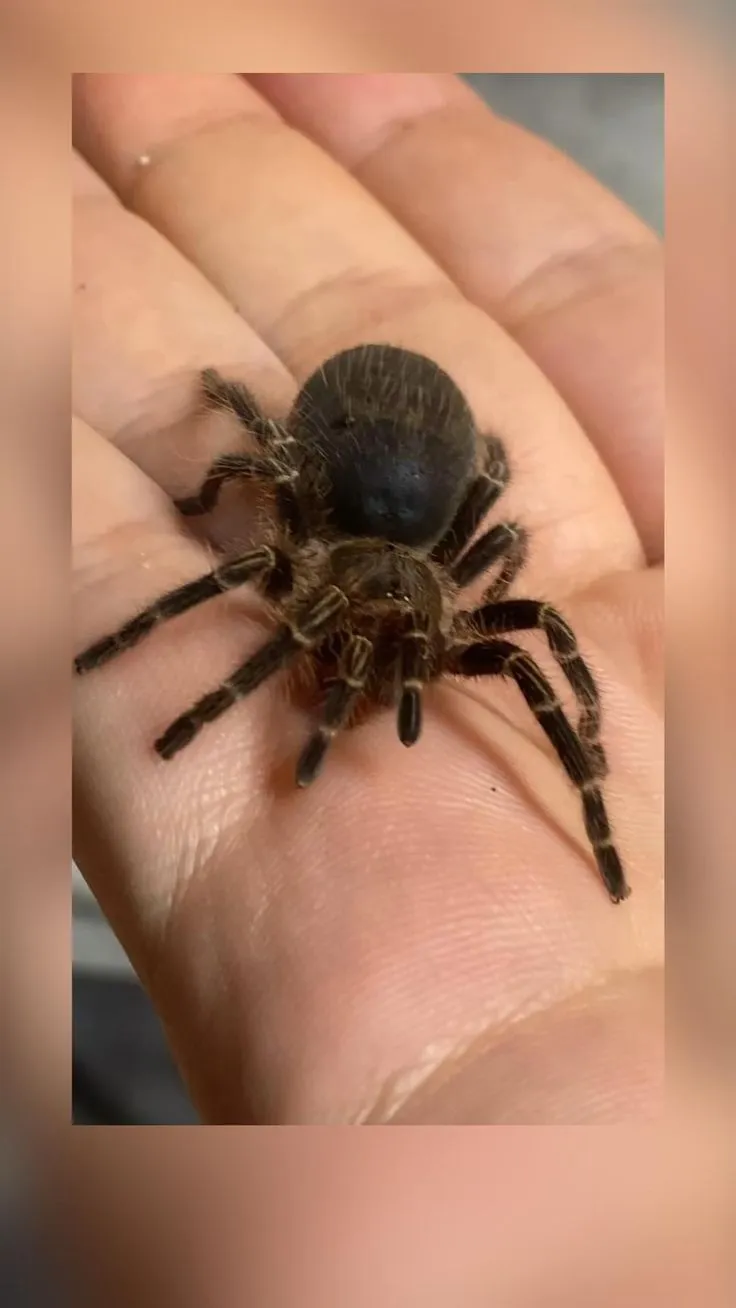
Chaco Tarantula Lifespan An Overview
The Chaco Golden Knee Tarantula (Grammostola pulchripes), a captivating species native to South America, has become a popular choice among tarantula enthusiasts. One of the most frequent questions asked by potential and current owners revolves around its lifespan. Understanding the factors that influence how long these fascinating creatures live is crucial for providing them with optimal care and appreciating their unique life cycle. This article delves into the secrets of the Chaco Tarantula’s lifespan, exploring genetics, diet, environment, and other key elements that contribute to their longevity. Knowing this information ensures you’re well-equipped to support your tarantula’s health and well-being, allowing you to enjoy their presence for as long as possible.
Factors Influencing Chaco Tarantula Lifespan
Several factors play a significant role in determining the lifespan of a Chaco Tarantula. These elements, ranging from genetics and diet to the environment in which they live, collectively shape their health and longevity. Careful consideration and management of these factors are essential for maximizing your tarantula’s lifespan and ensuring they live a healthy and fulfilling life. By understanding the impact of each of these aspects, owners can make informed decisions about their tarantula’s care and provide the best possible environment for their pet to thrive.
Genetics and Chaco Tarantula Lifespan
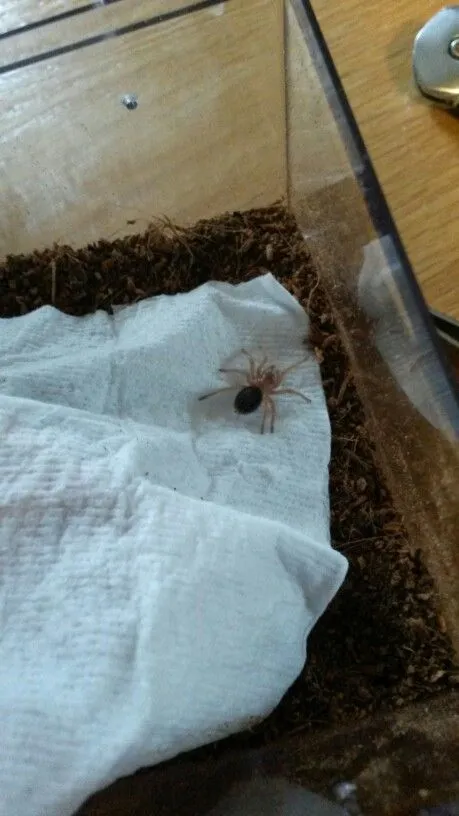
Genetics are fundamental to a tarantula’s lifespan. The genetic makeup inherited from their parents influences their overall health, susceptibility to diseases, and rate of growth. While it’s challenging to directly control genetics, understanding the lineage of your Chaco Tarantula can offer insights into potential health predispositions. Tarantulas from reputable breeders often have healthier genetics due to selective breeding practices. A tarantula with a strong genetic background is likely to have a longer and healthier life. Proper care from the start ensures that the genetic potential for longevity is fully realized. Always source your tarantula from a breeder who prioritizes the health and well-being of their specimens to ensure that you get the healthiest animal possible.
Impact of Diet on Chaco Tarantula Lifespan
Diet plays a pivotal role in the overall health and lifespan of a Chaco Tarantula. A balanced and nutritious diet is essential for their growth, molting, and overall well-being. Providing a variety of appropriate food items ensures that your tarantula receives all the necessary nutrients. Crickets, mealworms, and roaches are common food choices, but it’s important to vary their diet to provide a wider range of nutrients. Overfeeding can lead to health problems, such as obesity, while underfeeding can stunt their growth and weaken their immune system. Always ensure that food items are gut-loaded before feeding your tarantula to maximize nutritional value. Fresh water should always be available, as proper hydration is critical for their health. A well-nourished Chaco Tarantula is more likely to have a longer and healthier life.
The Role of Environment in Chaco Tarantula Lifespan
The environment in which a Chaco Tarantula lives significantly impacts its lifespan. The enclosure’s conditions, including temperature, humidity, and size, must be carefully maintained to ensure the tarantula’s health and well-being. An unsuitable environment can lead to stress, disease, and a shortened lifespan. Providing an optimal environment mimics their natural habitat and allows them to thrive. Regular monitoring and adjustments are essential to maintain the ideal conditions for your tarantula. By creating and maintaining an appropriate environment, you contribute significantly to your Chaco Tarantula’s longevity and overall quality of life.
Temperature and Humidity

Maintaining the correct temperature and humidity levels in your Chaco Tarantula’s enclosure is crucial. These tarantulas thrive in a warm and humid environment. The ideal temperature range is typically between 75-85°F (24-29°C), and humidity should be maintained between 60-70%. Consistent monitoring of these levels with a thermometer and hygrometer is essential. Incorrect levels can lead to health problems. If the environment is too dry, the tarantula may have difficulty molting. Too much humidity can foster mold and bacterial growth, posing a threat to the tarantula’s health. By providing the correct temperature and humidity, you replicate their natural habitat and support their health and longevity.
Enclosure Size and Its Effect
The size of the enclosure plays an important role in the Chaco Tarantula’s overall well-being. It should be large enough to allow the tarantula to move comfortably. A cramped enclosure can lead to stress and impact the tarantula’s ability to thrive. The size also needs to be appropriate for its age. A juvenile tarantula does not need a large enclosure, as it can make it more difficult for them to find food. As the tarantula grows, the enclosure should be upgraded accordingly. This ensures they have sufficient space to roam. The enclosure should include appropriate substrate for burrowing, along with hiding places like cork bark or artificial plants, providing a sense of security that supports their overall health and lifespan.
Molting and Its Connection to Lifespan
Molting is a crucial process in a tarantula’s life cycle, during which they shed their exoskeleton to allow for growth. The frequency of molting decreases as they age. Each molt can be a vulnerable time, so providing an optimal environment is essential. A successful molt is vital for the tarantula’s health. Difficulties during molting can lead to health issues or even death. Proper humidity is especially important during molting, as it helps the exoskeleton to split. After molting, the tarantula is more vulnerable until its new exoskeleton hardens. Providing a stress-free environment during this time is crucial. Supporting healthy molts contributes to the overall health and lifespan of your Chaco Tarantula.
Signs of a Healthy Chaco Tarantula

Recognizing the signs of a healthy Chaco Tarantula is essential for providing proper care and ensuring their long-term well-being. Observing their behavior, appearance, and feeding habits can provide valuable insights into their overall health. A healthy tarantula is more likely to live a longer, fulfilling life. Being attentive to these signs allows for early detection of potential problems and enables prompt intervention, leading to better health outcomes.
Appearance and Behavior
A healthy Chaco Tarantula will typically exhibit certain physical and behavioral characteristics. Their abdomen should be plump, indicating they are well-fed and hydrated. Their legs should be strong and move freely. Their fangs should be intact and in good condition. Healthy Chaco Tarantulas are active, exploring their enclosure and exhibiting natural behaviors like burrowing or web-building. They should also have a good appetite. Any unusual behavior, such as lethargy, loss of appetite, or a lack of coordination, could be a sign of illness. Regularly observe your tarantula to monitor their behavior and ensure they are healthy and thriving.
Feeding Habits and Molting Cycles
Healthy Chaco Tarantulas will typically have a consistent appetite. Juveniles often eat more frequently than adults. They should readily accept appropriately sized food items and actively hunt. The frequency of molting is another key indicator of health. Younger tarantulas molt more often, while adults molt less frequently. Healthy molts are a sign of good health. They should shed their entire exoskeleton without any difficulty. The old exoskeleton should be intact, with no remaining pieces. Any issues with feeding or molting can indicate underlying health issues. Paying attention to these details can help you ensure that your tarantula lives a long and healthy life.
Common Health Issues and Their Impact

Understanding the potential health issues that can affect Chaco Tarantulas is crucial for their care. Early detection and prompt treatment are essential for preventing serious complications and maximizing their lifespan. Various factors, including poor environmental conditions, improper diet, and parasites, can lead to health problems. By being aware of common health issues and implementing preventative measures, you can help ensure that your Chaco Tarantula remains healthy and lives a long and fulfilling life.
Parasites and Diseases
Parasites and diseases are potential threats to the health of Chaco Tarantulas. Mites are a common external parasite, which can cause irritation and weaken the tarantula. Other potential threats include fungal infections, bacterial infections, and viral infections. Symptoms can include lethargy, loss of appetite, and unusual behavior. Preventing these issues involves maintaining proper hygiene in the enclosure, quarantining new tarantulas to avoid introducing parasites, and providing a balanced diet to boost the immune system. Early diagnosis and treatment are essential, and it’s important to consult with a veterinarian or experienced arachnid keeper if you suspect a problem. Proper preventative care minimizes the risk of these health issues and supports a long, healthy life for your tarantula.
Preventative Measures
Implementing preventative measures is the most effective way to ensure your Chaco Tarantula remains healthy. Proper hygiene is essential. Clean the enclosure regularly. Remove any uneaten food and shed exoskeletons promptly. The water dish should always be clean and refilled with fresh water. The substrate should be appropriate and changed periodically to prevent mold. Providing a varied and nutritious diet strengthens the tarantula’s immune system and makes them more resistant to disease. Regular observation allows you to identify any potential health issues early on. Quarantining new tarantulas can prevent the introduction of parasites or diseases. These proactive measures significantly contribute to the health and longevity of your Chaco Tarantula.
Lifespan Comparison with Other Tarantulas

Comparing the Chaco Tarantula’s lifespan with other tarantula species provides a broader perspective on their longevity and care requirements. The Chaco Tarantula typically has a moderate lifespan compared to other species. Understanding these differences can help you to better care for your tarantula and appreciate its unique place in the tarantula world. Lifespan varies considerably across different species, influenced by factors such as size, habitat, and genetics.
Chaco Tarantula Lifespan in Captivity vs. Wild
The lifespan of a Chaco Tarantula can differ significantly between captivity and the wild. In the wild, tarantulas face numerous threats. These include predators, lack of food, and harsh environmental conditions. They also have a higher risk of parasites and diseases. Captive Chaco Tarantulas, however, often live longer due to a controlled environment. This allows for a consistent supply of food, protection from predators, and optimal environmental conditions. Captivity also provides easy access to veterinary care. With proper care, a Chaco Tarantula in captivity can live for 15-20 years or even longer, while their lifespan in the wild may be considerably shorter, often around 10-12 years. The longevity highlights the importance of responsible pet ownership and creating a suitable habitat to promote their health and lifespan.
Tips for Maximizing Your Chaco Tarantula’s Lifespan
Providing the best possible care is essential for maximizing your Chaco Tarantula’s lifespan. Implementing specific strategies related to enclosure setup, diet, and handling can significantly enhance their health, well-being, and longevity. These tips are designed to provide a holistic approach to care, ensuring your tarantula thrives and lives a long and fulfilling life. Incorporating these practices into your routine will give your pet tarantula the best chance at a long and healthy life.
Optimal Enclosure Setup

Creating an optimal enclosure setup is crucial for the health and longevity of your Chaco Tarantula. Select an appropriately sized enclosure to provide enough space for movement. Provide a suitable substrate, such as a mix of coconut fiber and peat moss, to allow the tarantula to burrow. Add hiding places, like cork bark or artificial plants, to give them a sense of security. Maintain the correct temperature and humidity levels using a thermometer and hygrometer. Ensure that the enclosure is well-ventilated to prevent the build-up of harmful gases. Secure the enclosure to prevent escape. The right setup replicates their natural habitat and helps them thrive, promoting their health and lifespan.
Feeding and Hydration Strategies
Proper feeding and hydration are critical components of a Chaco Tarantula’s care. Offer a varied diet of insects, such as crickets, mealworms, and roaches. Ensure that the insects are gut-loaded before feeding to provide maximum nutritional value. Feed juveniles more frequently than adults. Remove any uneaten food within 24 hours to prevent mold and contamination. Always provide a clean, shallow water dish filled with fresh water. Ensure it is easily accessible. Hydration is essential for their health. Make adjustments to the feeding and hydration strategies based on the tarantula’s age and molting cycle. A well-nourished and hydrated Chaco Tarantula is likely to have a longer and healthier life.
Handling and Stress Reduction
Minimizing stress is key to the well-being and longevity of your Chaco Tarantula. Handling should be kept to a minimum, as it can be stressful for them. Avoid handling unless absolutely necessary, such as for health checks or enclosure maintenance. Handle with extreme caution, as they can be skittish and may bite if they feel threatened. Provide a secure and stable environment. They should have plenty of hiding places to retreat to. Maintain consistent temperature and humidity. Avoid loud noises and sudden movements around the enclosure. Minimize any factors that can cause stress to help keep them healthy and extend their lifespan. A stress-free environment allows your tarantula to live a longer and healthier life.
Conclusion

Understanding the Chaco Tarantula’s lifespan is key to responsible pet ownership. With proper care, these fascinating creatures can thrive for many years. By providing the correct environment, diet, and minimizing stress, you are giving your Chaco Tarantula the best chance at a long and healthy life. Remember, the more you understand the factors influencing their lifespan, the better equipped you are to provide the care they need. This knowledge allows you to enjoy your tarantula’s presence for many years to come.