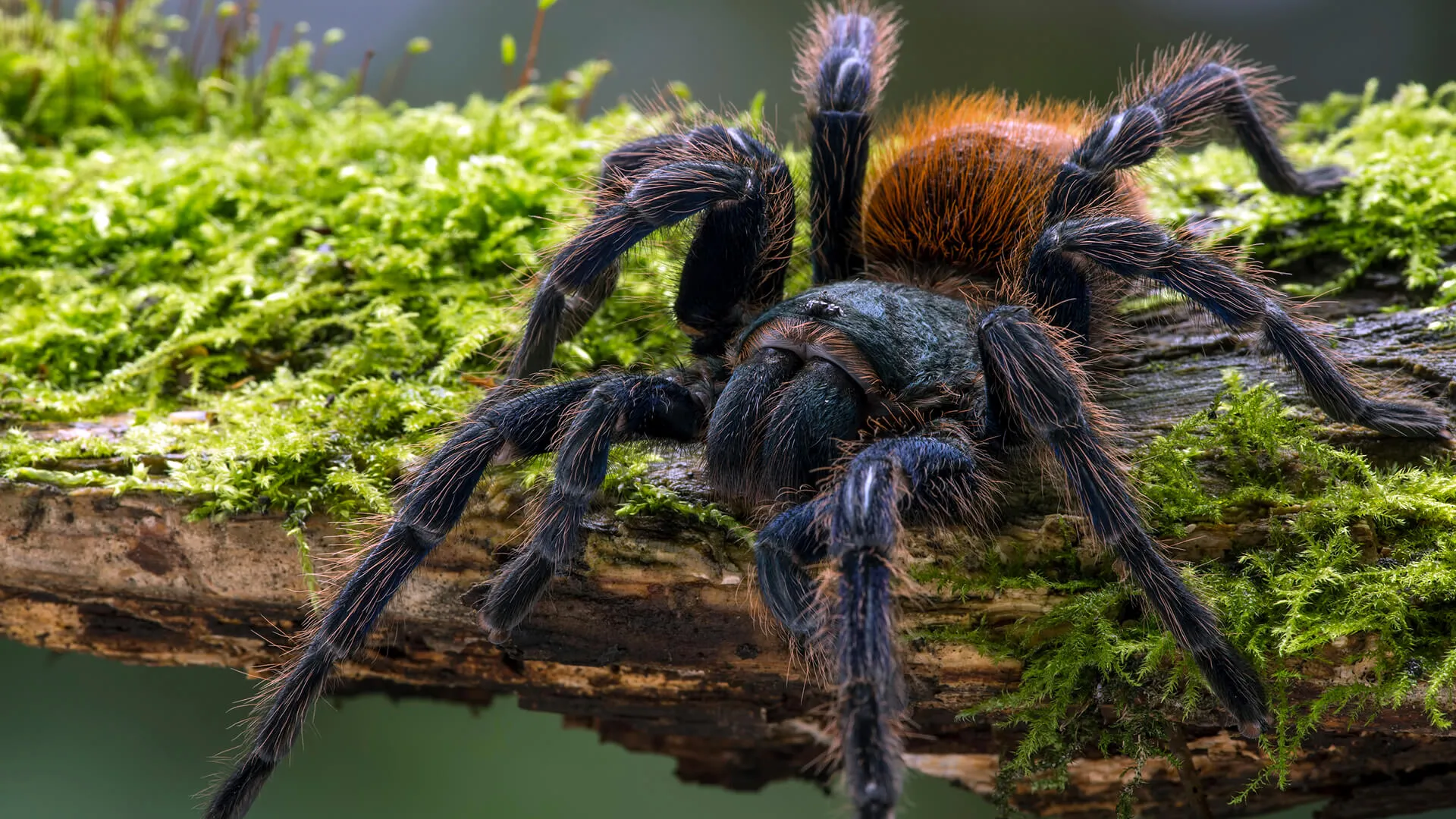
The Allure of Tarantulas in Australia
Tarantulas, with their intriguing appearances and relatively low-maintenance care, have captivated the hearts of many pet enthusiasts worldwide. In Australia, the fascination with these arachnids is no different. However, before you start dreaming of welcoming a hairy, eight-legged friend into your home, it’s essential to understand the legal landscape surrounding tarantula ownership in the country. This guide delves into the crucial aspects of owning a tarantula in Australia, from legality and permits to responsible care and where to find legal specimens. It aims to provide comprehensive information, ensuring that potential owners are well-informed and comply with all relevant regulations. The goal is to foster a safe and legal environment for both owners and the tarantulas themselves, emphasizing the importance of ethical pet ownership and conservation.
Australian Tarantula Ownership Legality
The laws governing tarantula ownership in Australia are complex and vary by state and territory. Generally, owning a tarantula is not as simple as buying one from a pet store. Regulations exist to protect native wildlife, prevent the introduction of invasive species, and ensure animal welfare. It’s crucial to research the specific regulations of your state or territory before considering tarantula ownership. Some states may have outright bans on tarantula ownership, while others may allow it under specific conditions, such as obtaining permits and owning approved species. Ignoring these regulations can lead to significant penalties, including hefty fines and the confiscation of your pet. Compliance with the law is the first and most critical step in becoming a responsible tarantula owner in Australia.
Understanding Permits and Regulations

Most Australian states and territories require permits for owning exotic animals, including tarantulas. These permits are issued by relevant government departments, such as the Department of Environment or primary industries. The permit application process usually involves providing information about the tarantula species you intend to keep, the intended housing setup, and your experience with animal care. Furthermore, permits often come with specific conditions, such as the need for secure housing, regular inspections, and restrictions on breeding or selling the tarantula. The permit fees can vary, and it’s essential to budget for these costs when planning to own a tarantula. Thoroughly understanding and adhering to all permit conditions is vital to maintaining legal ownership and ensuring the tarantula’s well-being. Failure to comply can result in permit revocation and legal repercussions.
Which Tarantula Species Are Allowed?
The list of tarantula species permitted for ownership in Australia varies significantly. Generally, native Australian tarantulas are subject to strict regulations or are entirely prohibited due to conservation concerns. However, certain exotic species may be allowed, depending on the state or territory. The permitted species are often those that are not considered invasive or a threat to the local ecosystem. Common species such as the Chilean Rose or the Mexican Red Knee may be allowed, but this needs to be verified based on the specific location. Before acquiring a tarantula, it’s critical to identify the species and confirm its legal status in your area. Checking with local wildlife authorities or reputable breeders is a good practice to avoid unknowingly acquiring a prohibited species. It is also important to understand that this information changes and it is the owners responsibility to stay informed.
Species Specifics and Their Requirements
Each tarantula species has unique requirements regarding habitat, temperature, humidity, and diet. Researching the specific needs of your chosen species is paramount to ensuring its health and longevity. For example, arboreal tarantulas require vertical space and branches for climbing, while terrestrial species prefer a burrowing environment. Humidity levels need to be carefully maintained, often requiring a substrate such as coconut fiber or peat moss. Feeding typically involves live insects such as crickets, mealworms, or roaches, depending on the size of the tarantula. Providing fresh water and suitable hiding places is also critical. Moreover, each species has different temperament and venom potency. Being well-prepared ensures you can offer the right environment for your pet to thrive and minimizes health risks to both the tarantula and its owner.
Consequences of Illegal Ownership

Owning a tarantula without the required permits or keeping a prohibited species can lead to severe consequences. Penalties vary depending on the state or territory but may include substantial fines, confiscation of the animal, and potential legal prosecution. Furthermore, illegal ownership can jeopardize conservation efforts and contribute to the illegal wildlife trade. Confiscated tarantulas are often euthanized or rehomed, which can be a distressing outcome for the owner and the animal. The legal and ethical responsibilities of pet ownership are paramount. Understanding and adhering to the regulations help to protect both the tarantulas and the natural environment. Prioritizing legal compliance is essential for anyone considering owning a tarantula in Australia. Ignorance of the law is not a defense; therefore, it’s always advisable to consult the relevant authorities before acquiring a tarantula.
Caring for a Tarantula in Australia
Providing proper care for a tarantula involves several essential factors, including creating a suitable habitat, ensuring an appropriate diet, and maintaining a safe environment. Tarantulas are relatively low-maintenance pets, but they still need dedicated care. Understanding the specific needs of your species is crucial. This includes the correct temperature, humidity levels, and the type of substrate. You’ll need to be aware of the importance of regular feeding and providing a clean water source. Handling the tarantula should be minimized, as it can be stressful for the animal and pose potential risks to the owner. By focusing on these elements, owners can ensure their tarantula lives a long, healthy, and enriched life.
Creating the Ideal Habitat
A well-designed habitat is critical for a tarantula’s well-being. The enclosure should be appropriately sized for the species, allowing ample space for movement and natural behaviors. Secure housing is important to prevent escapes and keep the tarantula safe from harm. The habitat must maintain optimal temperature and humidity levels, achieved through heating pads, appropriate substrate, and regular misting. Substrate, such as coco coir, peat moss, or a mix, should be deep enough for burrowing species to dig and hide. Providing hiding places, such as cork bark or artificial plants, is essential to reduce stress and allow the tarantula to feel secure. The habitat must also be well-ventilated to prevent mold growth and disease. A well-maintained habitat helps to create a thriving environment, supporting the tarantula’s physical and psychological health.
Feeding and Hydration Needs

Feeding a tarantula involves providing a diet that meets its nutritional needs. The most common food source is live insects, like crickets, mealworms, or roaches, chosen based on the tarantula’s size and preferences. It’s crucial to avoid feeding insects collected from the wild, as they may carry parasites or pesticides. Feeding frequency varies, but generally, juvenile tarantulas require more frequent feeding than adults. Excess food should be removed to prevent stress on the tarantula. Fresh, clean water should be available at all times, usually provided in a shallow dish. This dish should be small enough to prevent the tarantula from drowning. Regularly monitor the water source and replace it with fresh water to maintain cleanliness. This routine helps the tarantula stay hydrated, supports its health, and facilitates molting.
Health and Safety Precautions
Handling a tarantula should be done with caution and minimized, as it can stress the animal and expose the owner to potential risks. Always wash your hands before and after handling the tarantula or its enclosure. Tarantulas possess fangs and can bite, so it’s important to understand the risks associated with your species. The venom of most tarantulas is not considered highly toxic to humans, but the bite can be painful, and allergic reactions are possible. Avoid handling the tarantula when it’s molting, as it’s more vulnerable during this period. If you must handle it, do so carefully, and avoid sudden movements. Keep children and other pets away from the enclosure. Regular inspections of the tarantula for any signs of illness, such as loss of appetite, lethargy, or changes in appearance, should be performed. Seek professional advice from a veterinarian specializing in exotic animals if you have concerns.
Where to Acquire a Legal Tarantula
Obtaining a tarantula legally in Australia involves finding reputable sources that comply with all relevant regulations. This typically includes registered breeders and licensed pet stores. These sources should be able to provide you with the necessary information about the species, the required permits, and the proper care. Purchasing from these sources ensures that the tarantulas are healthy, well-cared for, and that the sale adheres to the legal requirements. Avoiding backyard breeders or sellers who cannot provide necessary documentation is critical. Support ethical practices and conservation efforts by choosing reputable sources. Due diligence is important before acquiring a tarantula. Verify the seller’s credentials, and always ask questions about the tarantula’s origin and care.
Reputable Breeders and Suppliers

Reputable breeders and suppliers are essential for obtaining legal and healthy tarantulas. Researching breeders in your area is important. Look for breeders with a strong reputation for ethical practices and knowledgeable advice. They should be willing to answer your questions and provide information about their breeding practices and the care of their tarantulas. They should also possess the proper permits and be able to provide documentation for the tarantulas they sell. Licensed pet stores that specialize in exotic pets can also be reliable sources. These stores will typically have knowledgeable staff who can provide guidance on care and permit requirements. Prioritize breeders and suppliers committed to the welfare of the tarantulas and the environment.
Avoiding Illegal Practices
Avoiding illegal practices is crucial when acquiring a tarantula. This involves refraining from purchasing tarantulas from sources that do not comply with local regulations, such as unregistered breeders or those who cannot provide the necessary permits. Never buy tarantulas that are advertised as ‘wild-caught’, as this practice is typically illegal and detrimental to wild populations. Furthermore, do not attempt to import tarantulas without proper permits, as this is strictly prohibited. Be wary of sellers who are evasive about the tarantula’s origin or the permits required for ownership. Report any suspected illegal activity to the relevant authorities. By avoiding these practices, you can ensure that you are not contributing to the illegal wildlife trade and support the ethical treatment of tarantulas.
Conclusion The Future of Tarantula Ownership in Australia
Owning a tarantula in Australia can be a rewarding experience, but it requires a thorough understanding of the legal and ethical responsibilities involved. By adhering to the laws, obtaining the required permits, and prioritizing the welfare of the animal, you can contribute to the long-term conservation of these fascinating creatures. The future of tarantula ownership in Australia depends on the commitment of owners to ethical practices. Responsible ownership helps prevent the introduction of invasive species. This approach supports the health and well-being of tarantulas and ensures their place in the Australian environment. Continue learning and staying informed about new regulations and best practices in the field. Promoting responsible ownership contributes to the sustainability of the tarantula hobby and benefits both the owners and the tarantulas themselves.