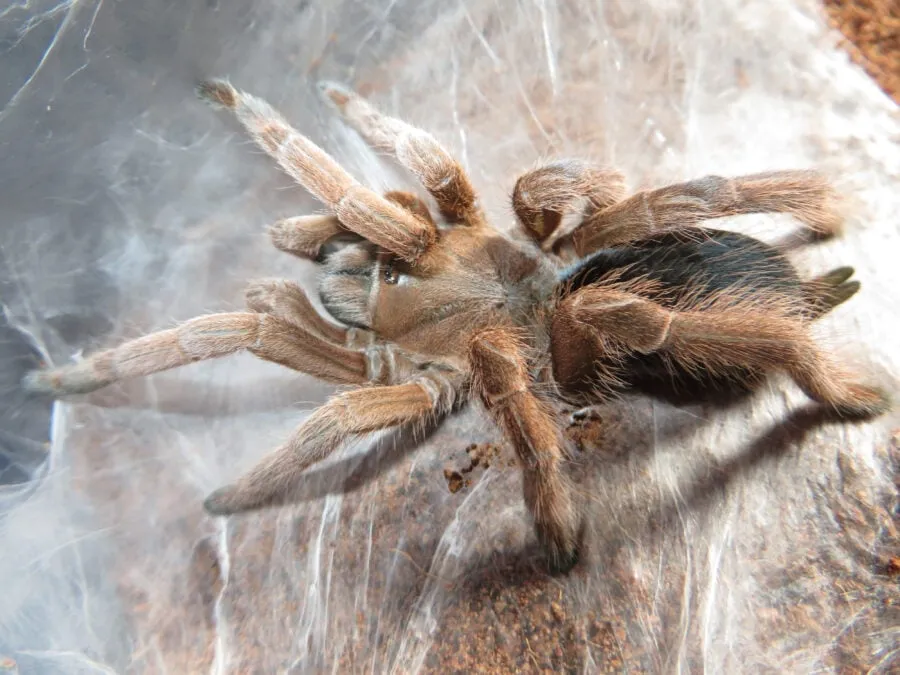
Why Buy a Tarantula in Australia
Australia’s unique ecosystem boasts a fascinating array of tarantula species, making it an attractive prospect for those looking to buy a tarantula. Owning a tarantula can be a rewarding experience for the dedicated pet owner, offering a captivating glimpse into the world of these often-misunderstood creatures. They can make an excellent pet for those looking for a low-maintenance, yet intriguing pet. However, buying a tarantula in Australia requires careful consideration and responsible ownership. This guide provides insights into the essential aspects of buying, caring for, and enjoying the experience of owning a tarantula in Australia.
Considerations Before You Buy
Before you decide to buy a tarantula, it’s crucial to consider whether you are prepared to meet its specific needs. Tarantulas require a dedicated habitat, regular feeding, and careful handling. They are not pets that can be easily neglected. You should also assess your lifestyle and living situation. Ensure you have the space and time to provide proper care. Research the species you are interested in, understanding its temperament, size, and lifespan. Remember, tarantulas can live for many years, so this is a long-term commitment. Are you ready for the commitment of owning a tarantula, including the costs associated with its care, such as enclosure, substrate, and food?
Tarantula Species in Australia

Australia is home to various tarantula species, each with unique characteristics. The most common ones include the Queensland Whistling Spider (Selenocosmia crassipes), known for the hissing sound it makes when threatened. There are also various species of tree-dwelling tarantulas. Understanding the different species will help you choose one that suits your experience level and preferences. Some are more docile, while others are more defensive. Research the specific needs of any species before you buy. Consider its size, venom potency (though most are not considered medically significant), and habitat requirements. Also, consider the rarity and conservation status of the species. Remember, the tarantula you select will shape your ownership experience.
Choosing the Right Tarantula
Choosing the right tarantula is essential for a positive experience. Beginners should start with a more docile species, such as the Chilean Rose Hair tarantula (Grammostola rosea), although they are not native to Australia. Focus on temperament, size, and care requirements. Larger tarantulas need larger enclosures, and some species have more specific humidity or temperature requirements. Consider your experience level. Don’t jump into owning an aggressive species without sufficient knowledge. Also, think about your budget. Prices vary greatly depending on the species, size, and rarity. Make sure you’re prepared for the long-term costs associated with feeding and maintaining its enclosure. Thoroughly research the species to fully understand what it needs.
Where to Buy Your Tarantula Safely
When you decide to buy a tarantula, the seller’s reputation is extremely important. Always buy from a reputable source to ensure the spider is healthy and ethically sourced. Look for breeders or pet stores that specialize in reptiles and arachnids. Check online reviews and ask for recommendations from experienced tarantula owners. Avoid buying from unknown sources or those offering extremely low prices. Ask questions about the spider’s origin, health, and any potential health issues. A good seller will be able to provide information about the species, its care, and offer advice for beginners. Also, ensure the seller complies with all local and national regulations regarding the sale and ownership of tarantulas.
Top 5 Tips for Buying Tarantulas

Research the Species
Before you buy, research the tarantula species you’re considering. Understand its lifespan, size, temperament, and care requirements. This will help you choose a species that matches your lifestyle and experience level. Different species have unique needs, so learn about their specific habitat, feeding, and handling preferences. Knowing what to expect will help ensure a positive experience for both you and your new pet.
Check for Health and Activity
When you buy a tarantula, carefully inspect its health. Look for signs of mites, parasites, or other health issues. The spider should be active and alert, not lethargic or sluggish. Check for any missing limbs or physical deformities. Make sure the abdomen is not shrunken or distended, as this could indicate dehydration or illness. A healthy tarantula should have a robust appearance and move with ease. If you have any concerns, ask the seller for more information or a health guarantee.
Understand Legal Requirements

Before you buy a tarantula in Australia, you must understand the legal requirements. Some species are protected or require specific permits. Check with your local government to determine any necessary permits or licenses. Some states and territories have restrictions on owning certain types of spiders. Failure to comply with these laws can result in fines or legal issues. Make sure you’re fully aware of any legal obligations before you bring your tarantula home to avoid any complications. Research the rules related to the specific tarantula species you intend to buy.
Prepare the Habitat
Before buying a tarantula, prepare its habitat. This includes an appropriate enclosure, substrate, hide, water dish, and decorations. The enclosure size should match the size of the tarantula, allowing enough space to move around. Choose a substrate that holds moisture and is suitable for burrowing. Provide a hide for the tarantula to retreat to, creating a secure environment. Ensure the enclosure is escape-proof and well-ventilated. Setting up the habitat beforehand minimizes stress when you bring your tarantula home. Before adding the tarantula, make sure that its environment is safe and secure.
Find a Reputable Seller
Buy your tarantula from a reputable seller. This ensures you get a healthy spider and reliable information. Look for breeders or pet stores with positive reviews and experience with tarantulas. Ask for recommendations from experienced owners. A good seller will be knowledgeable about the species and provide guidance on its care. Avoid buying from unverified sources. A responsible seller will also be transparent about the origin and health of the tarantula, offering advice and support. Purchasing from a reputable source helps guarantee that you are supporting ethical practices.
Caring for Your New Tarantula

Once you buy a tarantula in Australia, proper care is critical for its well-being. This includes providing a suitable habitat, regular feeding, and maintaining the correct environmental conditions. Understanding the specific needs of your tarantula’s species is essential. This includes knowing about temperature, humidity, and substrate preferences. Regular observation is also essential to ensure your tarantula is healthy and thriving. Providing the right care creates an enjoyable environment for both you and your tarantula.
Feeding and Hydration
Tarantulas are carnivorous and primarily eat insects. Feed your tarantula appropriately sized insects, such as crickets, roaches, or mealworms, depending on its size and species. The frequency of feeding depends on the age and growth stage of your tarantula, but typically adults are fed once or twice a week. Always provide a shallow dish of fresh water for hydration, and ensure the water is always accessible. Remove any uneaten food to prevent the growth of mold or mites. Remember that tarantulas can go for extended periods without food, so don’t panic if your tarantula doesn’t eat every time you offer food.
Habitat Maintenance
Maintaining a clean and suitable habitat is crucial for the health and well-being of your tarantula. Spot-clean the enclosure regularly, removing any uneaten food, molted skins, or waste. Replace the substrate periodically to prevent the build-up of bacteria and odors. Ensure that the enclosure is kept at the correct temperature and humidity levels for your species. Monitor the environment with a thermometer and hygrometer. Ventilation is also important to prevent mold growth and maintain air quality. By maintaining a clean and healthy habitat, you can help to ensure your tarantula thrives.
Handling and Safety

Handling tarantulas should be done with caution and respect for their natural behavior. Some tarantulas are more docile than others, but all can bite if they feel threatened. Avoid handling your tarantula unless necessary. If you need to handle it, do so close to the ground, as a fall can be fatal. Be aware of the tarantula’s posture and body language, and don’t try to handle it if it seems defensive or agitated. Wash your hands thoroughly before and after handling a tarantula. If bitten, wash the bite area with soap and water and seek medical attention if necessary, although tarantula bites are generally not considered medically significant.
Conclusion
Buying a tarantula in Australia can be an exciting experience, but it’s a responsibility that requires careful planning and commitment. By following these tips, you can ensure a positive experience for both you and your new pet. Remember to research the species, find a reputable seller, and provide the appropriate care. Owning a tarantula can be a fascinating and rewarding hobby. By prioritizing the well-being of the spider, you can enjoy the unique experience of owning one of these remarkable creatures.