Choosing Your Orange Baboon Tarantula (OBT)
The Orange Baboon Tarantula (OBT), scientifically known as Heteroscodra maculata, is a captivating species for tarantula enthusiasts in the Philippines. These spiders are known for their vibrant orange coloration and relatively aggressive temperament, making them a fascinating subject for experienced keepers. Before you decide to buy an OBT, it’s crucial to understand their specific needs, from habitat to diet, to ensure their well-being. This guide offers five essential tips to help you navigate the process of acquiring and caring for an OBT in the Philippines, ensuring a rewarding experience for both you and your new pet. Remember, responsible pet ownership is key to a successful tarantula-keeping journey. This means a commitment to providing the correct environment and understanding their unique behaviors. This helps to create a safe environment and promote their overall well-being.
Considerations Before Buying an OBT
Before purchasing an Orange Baboon Tarantula, potential owners must evaluate their lifestyle and resources. These tarantulas are not handleable pets, and their potent venom can cause painful bites. Assess whether you have the time, space, and financial resources to provide an appropriate enclosure, maintain the required temperature and humidity levels, and feed your tarantula a suitable diet. Research the legal aspects of keeping exotic pets in the Philippines, as there may be specific permits or restrictions. Furthermore, consider your experience level with tarantulas. The OBT’s temperament is known to be more aggressive than some other species, which may not be suitable for beginners. Carefully consider your own risk tolerance and preparedness to deal with a potentially defensive tarantula. It’s crucial to understand that, in case of bites, immediate medical attention is advised.
Health and Appearance

When selecting an OBT, observe its overall health. Look for a tarantula with a plump abdomen, indicating it is well-fed. Ensure its legs are intact and the tarantula moves with ease. Examine the carapace (the top of the cephalothorax) and abdomen for any signs of mites, parasites, or injuries. A healthy OBT will typically display vibrant orange coloration, a characteristic that makes them so sought after. Avoid spiders with dull colors, as this can sometimes indicate poor health or improper care. The tarantula’s fangs should be clean and undamaged. Also, be mindful of the molt cycle, as a tarantula preparing to molt may appear less active and eat less. Thoroughly examine your prospective pet before making a purchase.
Size and Age
The size of the OBT is another critical factor when buying. Consider the spider’s age, as younger tarantulas require smaller enclosures, while adults need more space. Young OBTs, or spiderlings, can be delicate, and their care requires extra attention to humidity and feeding. An adult OBT can have a leg span of up to 6 inches. It is helpful to inquire about the tarantula’s age from the seller, as this information helps in planning for its future needs. The tarantula’s current size will inform you as to how long it will need to grow. This will enable you to estimate the approximate enclosure sizes to accommodate your OBT’s growth. Knowing its age will help you understand the potential lifespan and the phases of its life cycle.
OBT Care Requirements
Enclosure Setup

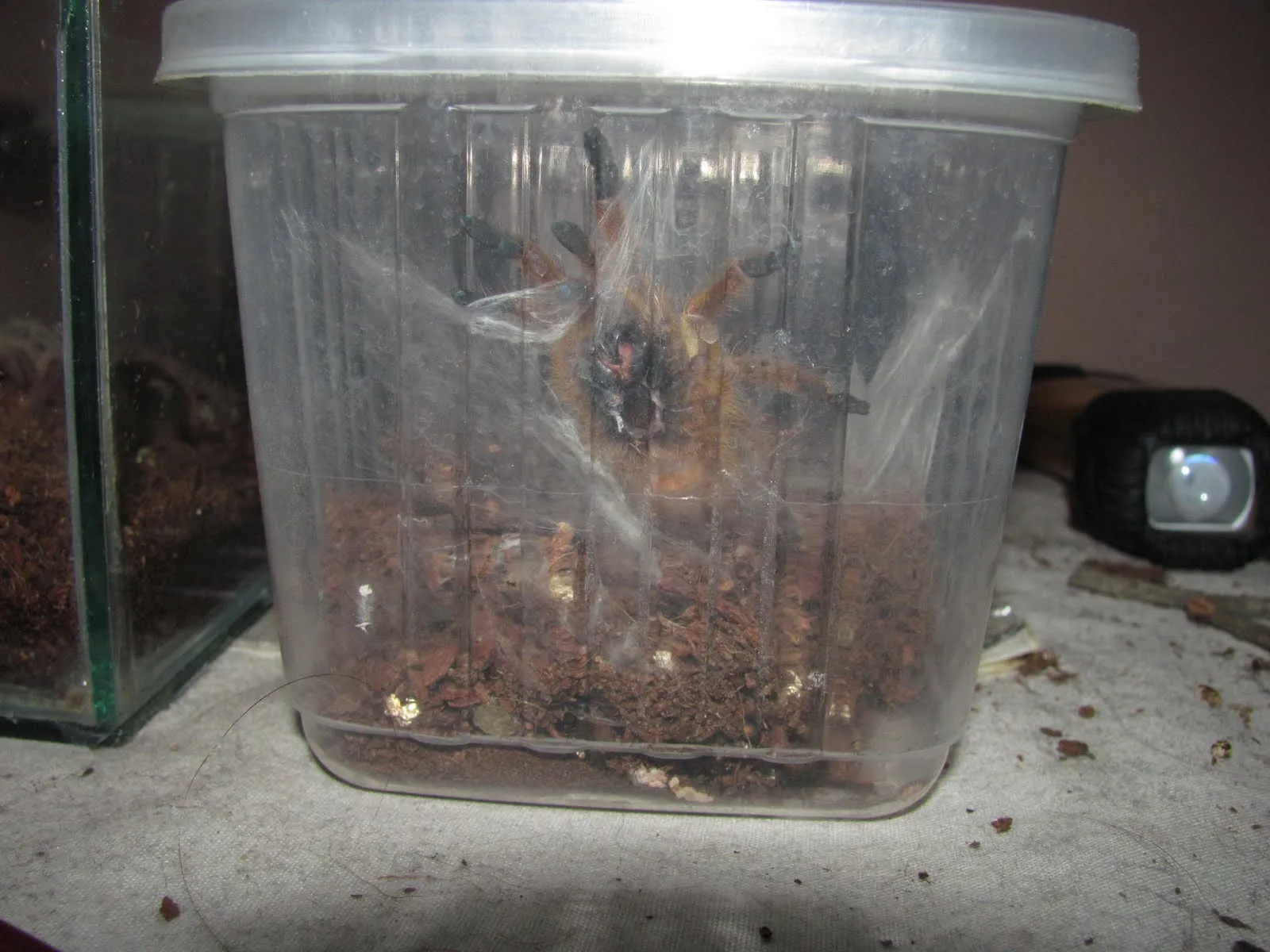
Setting up the right enclosure is crucial for the OBT’s well-being. A secure enclosure, with a well-fitting lid is necessary. Glass or acrylic enclosures work well, with adequate ventilation to prevent humidity buildup. The size of the enclosure should correspond with the size of the tarantula. A spiderling will do well in a smaller container, while a mature OBT needs more room. The enclosure should be at least three times the spider’s leg span in length and width, and about the same in height. Avoid using materials that can be toxic to the tarantula. Ensure all openings are small enough to prevent escape, especially when considering the OBT’s speed and climbing abilities.
Substrate and Furnishings
The substrate, which is the bedding material in the enclosure, is a critical element of the OBT’s habitat. A substrate that can retain some moisture is necessary to maintain humidity levels. Recommended substrate materials include a mixture of peat moss, coconut fiber, and a small amount of vermiculite. The substrate depth should be sufficient to allow the tarantula to burrow if it chooses. Provide some hiding places, such as cork bark or artificial caves, where the OBT can retreat. It is also beneficial to include a water dish, though it should be shallow to prevent the tarantula from drowning. Furnishings should be secured to prevent them from tipping over, which could potentially injure the tarantula.
Temperature and Humidity
Maintaining the correct temperature and humidity levels is essential for the OBT’s health. The ideal temperature range is typically between 75°F and 85°F (24°C to 29°C). A heating pad placed on the side of the enclosure can provide the necessary warmth. Use a thermometer to monitor the temperature. Humidity levels should be kept between 65% to 75%. Regularly misting the enclosure or using a water dish are great ways to achieve this. The Philippines can have fluctuating climate conditions, so monitoring the environmental factors and adjusting the care accordingly is necessary. Ensure there is adequate ventilation to prevent the buildup of mold or fungus. Both excess humidity and overly dry conditions can be detrimental to the tarantula.
Feeding Your Orange Baboon Tarantula

Type of Food
The diet of an OBT typically consists of insects. Crickets, roaches, and mealworms are all acceptable food choices. It’s important to ensure the insects are gut-loaded before feeding them to your tarantula. Gut-loading involves feeding the insects nutritious foods, which in turn enriches the nutritional value of the OBT’s meal. Avoid feeding your tarantula insects that have been exposed to pesticides. The size of the insects should be appropriate for the size of the tarantula. A general rule is to offer prey that is no larger than the tarantula’s body. Uneaten food should be removed from the enclosure after a short time to prevent mold or mites.
Feeding Schedule
The feeding frequency should be adjusted based on the tarantula’s age and size. Spiderlings can be fed more frequently, typically two to three times a week. Subadults and adults can be fed once a week or every other week. Observe the tarantula’s abdomen; a plump abdomen is usually a sign that it is well-fed. Overfeeding should be avoided, as this can lead to health problems. Before a molt, the tarantula may refuse food, which is a normal behavior. Always ensure fresh water is available in a shallow dish. Adjust the feeding schedule depending on the tarantula’s appetite and growth rate, while keeping a record can help track its eating habits and overall health.
Finding a Reputable Seller in Philippines

Online vs. Local Sellers
When looking to buy an OBT, it’s essential to locate a seller with a good reputation. There are several avenues to explore, including online marketplaces and local pet stores. Online sellers may offer a wider selection and competitive pricing. However, it’s crucial to thoroughly research the seller’s feedback and reviews from previous customers. Check for any complaints or negative experiences. Local pet stores can provide the advantage of inspecting the tarantula in person before purchasing, and allow you to build a rapport with the seller. In either case, inquire about the tarantula’s origin, health records, and feeding history. Choose a seller who can provide transparent and accurate information about the animal.
Checking for Health and Quality
Before finalizing the purchase, closely examine the tarantula. Look for signs of health, such as a well-filled abdomen, intact limbs, and an active demeanor. Avoid tarantulas that appear lethargic or have signs of illness, such as a shrunken abdomen or missing limbs. Assess the enclosure for cleanliness, including proper substrate, and humidity and temperature gauges. Ask the seller about the spider’s feeding habits and recent molts. A reputable seller will be happy to provide this information. If possible, ask for a health guarantee, which is a testament to the seller’s confidence in the quality of the tarantula. It is best to purchase from a seller with high standards.
Legality and Regulations

Before purchasing an OBT in the Philippines, it is essential to investigate the local laws and regulations regarding the ownership of exotic pets. Contact local wildlife authorities or environmental agencies to get precise information on any permits or licenses that may be required. Some areas may have specific restrictions or bans on certain species. Failure to comply with these regulations could result in penalties or the confiscation of your tarantula. Always ensure that you are acting within the law. Research the rules about importing animals into the Philippines, especially if you are planning to buy from an overseas seller. This will prevent legal complications and guarantee a secure and seamless acquisition process.
OBT in Philippines
The Orange Baboon Tarantula, while not native to the Philippines, can be acquired through legal channels. Confirm the legality of ownership within your specific region. There might be variations in regulations from one city or province to another. Look for sellers who can demonstrate compliance with all pertinent legislation, including proper documentation for the tarantula. Be aware of any limitations or obligations connected to the tarantula. This will include providing the suitable living conditions and necessary paperwork. Be sure to do research on both national and local levels. You should also be up to date on any changes in the law. This helps to make sure the purchase is handled with full compliance and responsibility.
Importation Laws
If you plan to import an OBT, you must comply with the importation regulations. This is usually handled through the Bureau of Customs and the Bureau of Animal Industry. You will likely need to acquire an import permit and provide health certificates for the tarantula. These documents must verify the tarantula’s health and origin. It’s crucial to begin this procedure well in advance, as obtaining permits can take time. Also, be aware of any restrictions on the species. It is important to select an experienced seller who is knowledgeable about the import process. They will assist in the preparation of necessary documents. This helps in averting delays or potential problems with customs. Verify all import and export requirements before completing the purchase.
Conservation Status

When buying an OBT, it’s useful to be aware of its conservation status. While the OBT is not typically considered endangered, some tarantula species are threatened by habitat destruction and overcollection. Learn about the conservation efforts for tarantulas. Support breeders who follow ethical practices and obtain their tarantulas from sustainable sources. This guarantees the long-term viability of the species. By acquiring your OBT from a reputable source and being aware of its conservation status, you are contributing to the preservation of this remarkable species. Always promote responsible and ethical tarantula ownership. This supports the health and well-being of the spiders. You’ll also aid in the long-term preservation of the species.
In conclusion, buying an Orange Baboon Tarantula in the Philippines can be a rewarding experience. By following the tips provided in this guide, you can ensure the safe and successful acquisition of your new pet. Always prioritize the tarantula’s well-being. Conduct thorough research, choose a reputable seller, and provide the appropriate care. This will lead to a rewarding experience with your Orange Baboon Tarantula.