What is the Gooty Sapphire Tarantula H Chilobrachys dyscolus
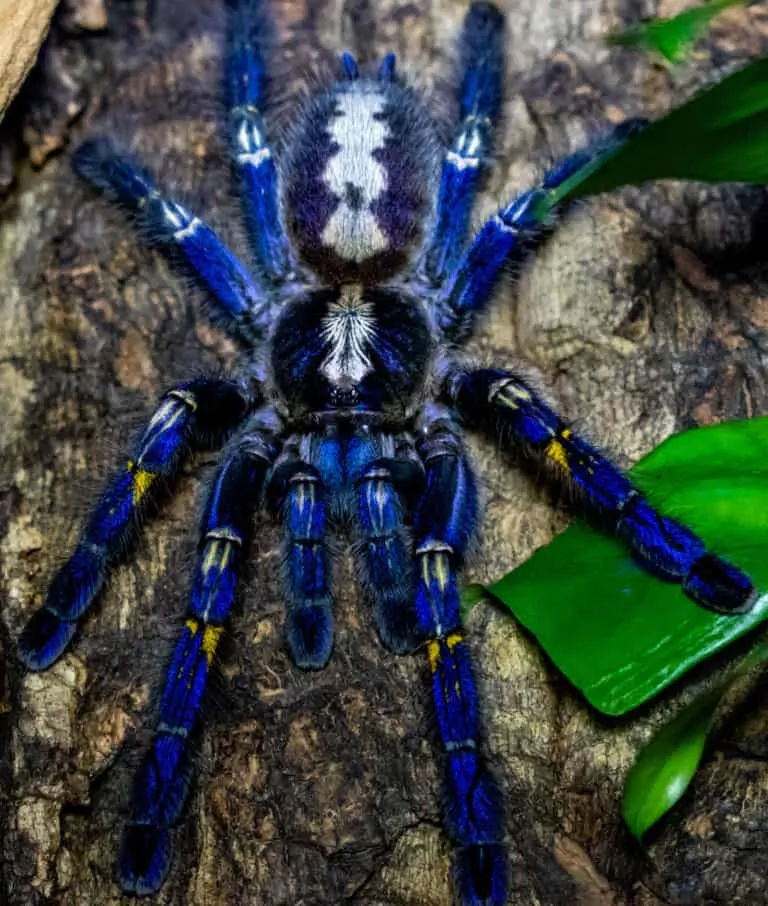
The Gooty Sapphire Tarantula, scientifically known as Chilobrachys dyscolus, is a captivating and highly sought-after tarantula species. Its striking appearance, characterized by iridescent blue and sapphire hues, has made it a favorite among tarantula enthusiasts. Native to the Gooty region of India, this spider presents a unique opportunity for those seeking an exotic pet. This article serves as a comprehensive guide for individuals interested in buying a Gooty Sapphire Tarantula, providing essential information on its care, habitat, and acquisition.
Habitat and Appearance
Origin and Natural Habitat

The Gooty Sapphire Tarantula originates from the Gooty region in Andhra Pradesh, India. In its natural habitat, these tarantulas are found in burrows, often under rocks or within the loose soil of dry, tropical environments. Understanding their natural environment is crucial for replicating suitable conditions in captivity, ensuring the well-being of your pet. The specific microclimates of their native habitat inform the ideal temperature, humidity, and substrate preferences needed for their survival and thriving.
Physical Characteristics
The physical appearance of the Gooty Sapphire Tarantula is one of its most distinctive features. They are medium-sized tarantulas, with adults typically reaching a leg span of 5 to 6 inches. The most striking aspect is the vibrant sapphire blue coloration of their legs and carapace, especially noticeable under certain lighting conditions. This coloration is the source of their common name and makes them a visually stunning species. Their bodies are covered in urticating hairs, which the tarantula can flick off as a defense mechanism. Additionally, they have a brownish abdomen, which contrasts beautifully with the blue legs.
Caring for Your Gooty Sapphire Tarantula
Enclosure Setup
Choosing the Right Enclosure
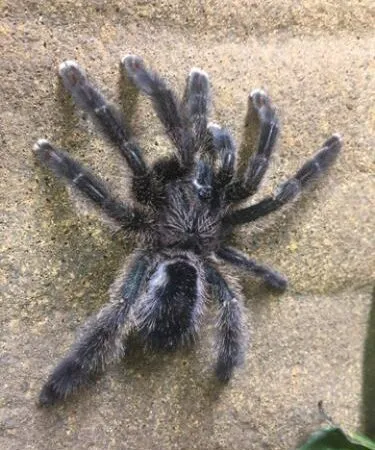
Selecting an appropriate enclosure is vital for the health and well-being of your Gooty Sapphire Tarantula. A good rule of thumb is to choose an enclosure that is at least three times the tarantula’s leg span in length and width, and at least twice its leg span in height. This provides ample space for burrowing and movement. Ensure the enclosure is escape-proof with a secure lid. Glass or acrylic enclosures are good choices, offering clear visibility of your pet.
Substrate and Decorations
The substrate should be several inches deep to allow the tarantula to burrow. A mixture of coco fiber, peat moss, and a bit of vermiculite works well. These materials retain moisture, helping to maintain appropriate humidity levels. Add decorations such as a piece of cork bark or a hide to provide the tarantula with a secure place to retreat. These additions enrich the environment and help your tarantula feel safe.
Temperature and Humidity

Gooty Sapphire Tarantulas thrive in a temperature range of 75-85°F (24-29°C). Use a heat mat or a low-wattage heat lamp if necessary to maintain this temperature. Humidity levels should be maintained between 60-70%. Monitor humidity with a hygrometer. You can increase humidity by lightly misting the enclosure with water every few days or by providing a water dish. Proper temperature and humidity levels are essential for the tarantula’s molting process and overall health. Too low humidity can lead to molting issues while too high can lead to mold growth.
Feeding Your Gooty Sapphire Tarantula
Prey Selection
Gooty Sapphire Tarantulas are primarily insectivores. Suitable prey includes crickets, mealworms, roaches, and other commercially available insects. The size of the prey should be appropriate for the tarantula’s size; the insects should be no larger than the tarantula’s body. Variety in the diet can provide better nutrition. It is important to gut-load insects before feeding them to the tarantula to increase the nutritional value. This can be done by feeding the insects nutritious food, such as vegetables and commercial insect food.
Feeding Frequency

Feeding frequency depends on the tarantula’s age. Spiderlings should be fed two to three times a week, while adults can be fed once or twice a week. Remove any uneaten prey within 24 hours to prevent stress and mold growth. Observe the tarantula’s abdomen; a well-fed tarantula will have a round abdomen. If the tarantula refuses food, it may be preparing to molt or is stressed, and you should adjust your feeding schedule accordingly.
Water and Hydration
Always provide a shallow water dish with fresh, clean water. The water dish should be small enough to prevent the tarantula from drowning. Ensure the water dish is easily accessible for the tarantula. Change the water regularly, at least twice a week, to prevent bacteria growth and ensure it is fresh. Hydration is essential for the tarantula’s health and molting process, allowing it to properly regulate its body functions.
Handling and Safety
When to Handle

While Gooty Sapphire Tarantulas are generally not aggressive, handling should be kept to a minimum. They are skittish, and excessive handling can cause stress. Handling is often not necessary if the enclosure is properly maintained. If you need to handle your tarantula (e.g., for enclosure maintenance), do so with caution and a calm demeanor. Always wash your hands thoroughly before and after handling to avoid transferring any substances or chemicals.
Safety Precautions
Be aware of the tarantula’s urticating hairs, which can cause skin irritation. Avoid touching your face or eyes after handling the tarantula or anything in its enclosure. If you get hairs on your skin, use tape to remove them. Have a safe place to put the tarantula while cleaning the enclosure. If bitten, seek medical attention if severe symptoms occur, although bites from this species are not usually life-threatening. Always supervise children when they are near the enclosure.
Health and Common Issues
Recognizing Signs of Illness

Observe your tarantula for any signs of illness. Common signs include lethargy, loss of appetite, and unusual posture. If the tarantula’s abdomen appears shrunken, it may be dehydrated. If you notice any of these signs, consult with an experienced tarantula keeper or veterinarian. These symptoms often indicate an underlying health problem. Early detection is key to providing effective treatment.
Preventative Care
Preventative care includes maintaining proper temperature, humidity, and hygiene in the enclosure. Provide a balanced diet, and always have clean water available. Regular cleaning of the enclosure can prevent the buildup of bacteria and mold, and ensure the habitat remains healthy. Regularly inspect the tarantula and the enclosure for any signs of parasites or other issues. By implementing these preventative measures, you can ensure your tarantula lives a long and healthy life.
Breeding Gooty Sapphire Tarantulas
Sexing Your Tarantula
Sexing your Gooty Sapphire Tarantula is necessary to determine if you have a breeding pair. This is typically done by examining the tarantula’s molt, looking for the presence of spermathecae (in females) or hooks on the front legs of the males. Another method is to look at the underside of the tarantula near the epigastric furrow. Females will have two spermathecae, while males will not. This can often be difficult, especially in younger specimens.
Breeding Process
Breeding Gooty Sapphire Tarantulas requires specific environmental conditions and careful management. Introduce the male into the female’s enclosure, monitoring their behavior closely. If the female is receptive, they will mate. After mating, the female will lay an egg sac containing hundreds of eggs. It is important to remove the male after mating to prevent him from being eaten. The egg sac is typically kept with the female until the spiderlings hatch. Raising spiderlings requires specialized care, including small prey and a carefully controlled environment.
Where to Buy a Gooty Sapphire Tarantula
Finding a Reputable Seller
When buying a Gooty Sapphire Tarantula, it is essential to find a reputable seller. Look for breeders or pet stores with a good reputation and positive reviews. Ensure that the seller can provide information about the tarantula’s origin, age, and any health guarantees. A good seller will be knowledgeable and willing to answer questions about the tarantula’s care and provide ongoing support. Verify the seller’s experience with tarantulas to avoid purchasing unhealthy specimens.
Avoiding Scams and Unhealthy Specimens
Be cautious of sellers offering very low prices, as this may indicate a problem with the tarantula’s health. Ask for clear photos and videos of the tarantula before making a purchase. Check for signs of a healthy tarantula, such as a plump abdomen, alert behavior, and no visible injuries. Always examine the enclosure for signs of poor care. Consider purchasing a tarantula locally, which allows you to inspect it in person. If buying online, make sure there is a clear return policy in case the tarantula arrives in poor condition.
Conclusion
Owning a Gooty Sapphire Tarantula can be a rewarding experience for any tarantula enthusiast. By following these care tips and guidelines, you can provide a safe, enriching environment for your pet. Always prioritize the well-being of your tarantula by creating a habitat that closely mimics its natural environment. Proper research and a responsible approach are key to a fulfilling experience of buying and caring for this remarkable species.