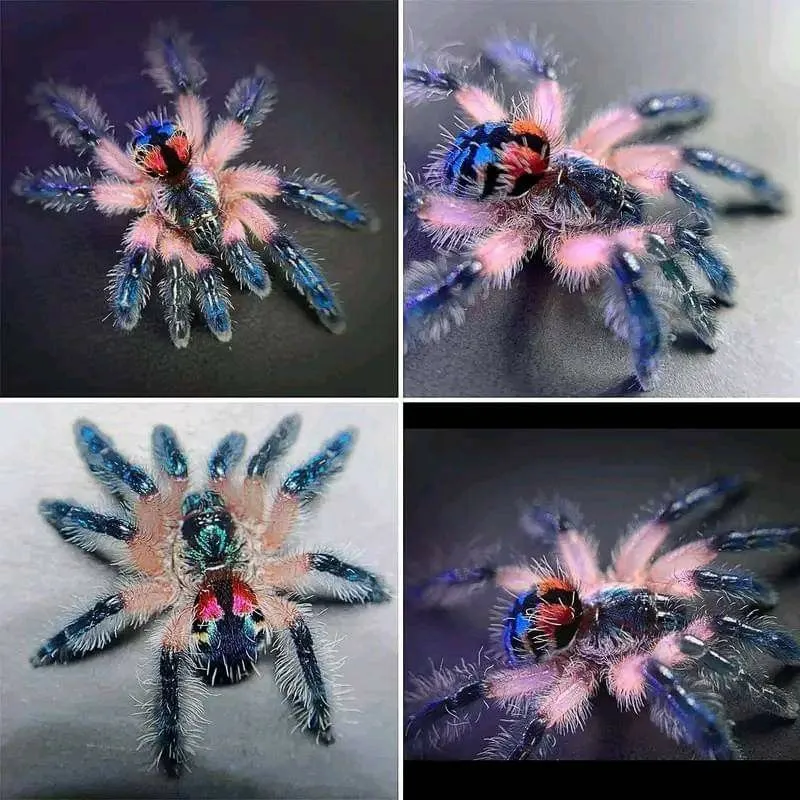
What is a Brazilian Jewel Tarantula (and Why Buy One)?
The Brazilian Jewel Tarantula, scientifically known as Typhochlaena seladonia, is a captivating and increasingly popular pet among arachnid enthusiasts. Its striking iridescent colors and relatively docile temperament make it a desirable addition to many collections. But what makes this particular species so special, and why would you want to buy a Brazilian Jewel Tarantula? This comprehensive guide will walk you through everything you need to know, from the initial decision of whether to buy one, to the ongoing care required to ensure a long and healthy life for your new pet. This guide aims to make the process easy for those looking to buy a Brazilian Jewel Tarantula.
Appearance and Characteristics
One of the primary reasons people want to buy a Brazilian Jewel Tarantula is its breathtaking appearance. The name is well-deserved, as this tarantula showcases vibrant, iridescent colors that shimmer under light. The base color is typically a deep, rich black, contrasted by metallic blue, green, and purple hues on the legs, carapace, and abdomen. This stunning coloration is not only visually appealing but also serves as a warning to potential predators in their natural habitat. The Brazilian Jewel Tarantula’s beauty is a major draw for hobbyists. These tarantulas also possess a unique characteristic, the ability to rapidly change their color depending on their mood, which is why many want to buy Brazilian Jewel Tarantulas.
Size and Lifespan

Understanding the size and lifespan of a Brazilian Jewel Tarantula is crucial before you buy one. These tarantulas are considered a medium-sized species, with females generally growing larger than males. A fully grown female Brazilian Jewel can reach a leg span of up to 5-6 inches, while males are typically slightly smaller. The lifespan of these tarantulas is also a factor to consider. Females have a significantly longer lifespan than males, typically living for 10-15 years, sometimes even longer with proper care. Males, on the other hand, have a shorter lifespan, often only surviving for 2-3 years after reaching maturity. This difference in lifespan is important if you are planning to buy a Brazilian Jewel Tarantula.
Temperament and Handling
The temperament of a tarantula is a critical consideration for anyone looking to buy a Brazilian Jewel Tarantula. Fortunately, this species is generally known for being relatively docile, making it a suitable choice for both novice and experienced keepers. While they are not typically aggressive, it’s important to remember that all tarantulas are venomous, and bites can be painful. Handling should be kept to a minimum and only done when absolutely necessary, as stress can be detrimental to their health. If you choose to handle your tarantula, do so with extreme care, slowly and gently. The use of a soft brush to gently nudge the tarantula onto your hand, and handling close to the ground is advised. Understanding and respecting their behavior is key when you buy a Brazilian Jewel Tarantula.
Where to Buy Your Brazilian Jewel Tarantula
Finding a healthy Brazilian Jewel Tarantula is the next step. The best approach is to buy a Brazilian Jewel Tarantula from reputable sources. This will increase the chances of acquiring a healthy specimen, as well as supporting ethical breeding practices. There are several options to consider.
Reputable Breeders vs. Pet Stores

When you buy a Brazilian Jewel Tarantula, consider the source. Reputable breeders often specialize in tarantulas and can provide valuable information about the spider’s lineage, health, and care requirements. They usually have a good understanding of the species and can offer support. Pet stores can be convenient, but the staff may not always be as knowledgeable about tarantulas, and the spiders may not always be handled with the same level of care. Verify the breeder’s reputation before you buy a Brazilian Jewel Tarantula.
Online vs. Local Options
Both online and local sources have their pros and cons when you buy a Brazilian Jewel Tarantula. Online vendors offer a wide selection and may have more specialized species. However, you cannot physically examine the tarantula before purchase. Local options allow for direct inspection of the spider and a chance to assess its health, but the selection may be limited. Consider shipping costs, guarantees, and the seller’s reputation when making your decision. It is vital that you pick a well-known and trusted seller when you buy a Brazilian Jewel Tarantula.
Essential Supplies for Your Tarantula
Before you buy a Brazilian Jewel Tarantula, you must prepare its enclosure. The right setup is key to its well-being. Here are the essential supplies.
The Right Enclosure

A properly sized enclosure is vital. For a juvenile Brazilian Jewel Tarantula, a small, secure container is fine. As the tarantula grows, it will need a larger enclosure. A good rule of thumb is to provide an enclosure that is at least twice the tarantula’s leg span in width and length, and the height should be sufficient to allow for substrate and decor without restricting the tarantula’s movement. Glass or clear plastic enclosures are ideal, as they allow you to observe your tarantula and maintain the necessary environmental conditions. Ensure the enclosure has a secure lid to prevent escape, and consider ventilation to maintain airflow without compromising humidity when you buy a Brazilian Jewel Tarantula.
Substrate and Decor
The substrate forms the base of the enclosure and provides a comfortable environment for your tarantula. A mixture of coco fiber, peat moss, and a small amount of vermiculite is a popular choice, as it holds moisture well and allows the tarantula to burrow. Avoid using substrates that are treated with chemicals or are prone to mold. Decorate the enclosure with items that provide shelter and enrichment for the tarantula. Cork bark, artificial plants, and sturdy decorations can provide hiding places and climbing opportunities. Ensure that all decorations are securely placed and will not collapse, potentially harming the tarantula. When you buy a Brazilian Jewel Tarantula, having the right enclosure is essential for its wellbeing.
Feeding and Watering
Proper feeding and watering are crucial aspects of caring for your Brazilian Jewel Tarantula. They have specific dietary and hydration requirements to thrive.
Proper Diet

Brazilian Jewel Tarantulas are carnivores and primarily feed on insects. Crickets, roaches, mealworms, and other commercially available insects are all suitable food sources. The size of the prey should be appropriate for the size of the tarantula; as a general rule, the insect should be no larger than the tarantula’s abdomen. Feed juveniles 2-3 times a week, and adults can be fed once a week or every other week, depending on their feeding response. Remove any uneaten prey within 24 hours to prevent stress and potential harm to the tarantula. Variety in the diet is important to keep your tarantula healthy when you buy a Brazilian Jewel Tarantula.
Watering Techniques
Providing fresh water is essential for your tarantula’s hydration. A shallow water dish should always be available, and the water should be changed regularly to prevent bacterial growth. In addition to the water dish, you can lightly mist the enclosure once or twice a week, especially in drier environments. This helps to maintain the appropriate humidity levels, which are crucial for successful molting. Monitor the humidity levels with a hygrometer to ensure they are within the recommended range (65-75%). Consistent watering and the right humidity are critical factors to consider when you buy a Brazilian Jewel Tarantula.
Caring for Your Brazilian Jewel Tarantula
Beyond feeding and watering, other aspects of care are essential to ensure a long and healthy life for your Brazilian Jewel Tarantula. This involves maintaining the correct temperature and humidity levels, regular cleaning, and being aware of potential health issues.
Temperature and Humidity

Brazilian Jewel Tarantulas thrive in a specific range of temperature and humidity. The ideal temperature range is between 75-85°F (24-29°C). Use a heat mat or a low-wattage heat lamp to maintain this temperature, ensuring that the heat source does not directly touch the enclosure. Humidity is equally important; aim for a range of 65-75%. This can be maintained by misting the enclosure, providing a water dish, and using a substrate that retains moisture. Use a thermometer and hygrometer to monitor the conditions. Maintaining the proper climate is very important when you buy a Brazilian Jewel Tarantula.
Cleaning and Maintenance
Regular cleaning is essential to maintain a healthy environment. Spot-clean the enclosure as needed, removing any uneaten food, molts, or waste. The substrate should be partially replaced every few months, or more frequently if it becomes soiled. Clean the water dish and replace the water regularly. Avoid using harsh chemicals or cleaners when cleaning the enclosure, as these can be harmful to your tarantula. A clean habitat is crucial for the health of your tarantula when you buy a Brazilian Jewel Tarantula.
Common Health Issues
Like all pets, Brazilian Jewel Tarantulas can be susceptible to certain health issues. Common problems include mites, fungal infections, and dehydration. Mites can be introduced through contaminated substrate or prey. If you suspect mites, isolate the tarantula and consult with a veterinarian. Fungal infections can occur if the enclosure is too humid or poorly ventilated. Dehydration can occur if the tarantula does not have access to fresh water. Observe your tarantula regularly for any signs of illness, such as lethargy, loss of appetite, or unusual behavior. Prompt identification and treatment are vital to ensure the health of your tarantula when you buy a Brazilian Jewel Tarantula.
Shedding and What to Expect
Shedding, or molting, is a natural process for tarantulas as they grow. It involves the tarantula shedding its exoskeleton to make way for a new, larger one. Understanding the molting process is crucial to avoid unnecessary stress and ensure the tarantula’s well-being. This section of the guide is especially important to read if you plan to buy a Brazilian Jewel Tarantula.
Molting Process
Before molting, your tarantula may exhibit several signs. They might stop eating, become less active, and appear dull in color. They may also construct a web mat to lay on or flip onto their backs. The actual molting process can take anywhere from a few hours to a day or two. During this time, it is crucial to avoid disturbing the tarantula. Do not offer food, and maintain the correct temperature and humidity levels. After molting, the tarantula will be vulnerable, as its new exoskeleton will be soft. Allow it to rest and harden for several days before offering food. This period of rest and the molting process are important when you buy a Brazilian Jewel Tarantula.
Breeding Brazilian Jewel Tarantulas (Optional)
Breeding Brazilian Jewel Tarantulas is an advanced topic. It requires specialized knowledge and resources, including the ability to sex tarantulas accurately. Due to the complexity, this section is optional.
Sexing Your Tarantula
Determining the sex of your tarantula is an important first step for breeding. The most reliable method is to examine the underside of the tarantula after molting, when the exoskeleton is shed. Males have a small, hook-like structure on their front legs (pedipalps) that they use to transfer sperm during mating. Females have a spermatheca, a structure used to store sperm, which can be seen on their epigastric furrow. There are guides online to help you learn how to sex your tarantula if you decide to buy a Brazilian Jewel Tarantula and breed.
Ethical Considerations
When considering breeding, ethical considerations are paramount. Ensure that you have the knowledge, resources, and time to provide proper care for the offspring. Be prepared for the possibility of not being able to find homes for all of the spiderlings. It’s crucial to prioritize the welfare of the tarantulas above all else. These are factors to consider if you buy a Brazilian Jewel Tarantula with breeding in mind.
Conclusion
Buying a Brazilian Jewel Tarantula can be a rewarding experience. Their stunning appearance and relatively docile nature make them a favorite for both novice and experienced keepers. By following the guidelines in this guide, you can provide your tarantula with a healthy and enriching environment, allowing it to thrive for years to come. Remember to prioritize research, responsible sourcing, and attentive care to ensure the well-being of your new pet. The beauty of these creatures makes the effort well worth it, and the joy of watching them grow and thrive is a unique and rewarding experience. We hope this guide has provided you with the knowledge and confidence to buy a Brazilian Jewel Tarantula and provide the proper care.