BTP Tarantula 10 Amazing Facts
The world of tarantulas is filled with fascinating creatures, and the BTP tarantula is no exception. These spiders, often kept as pets, possess a unique blend of beauty, resilience, and intriguing behaviors. This article delves into ten amazing facts about BTP tarantulas, offering a glimpse into their lives, habitats, and the wonders that make them so captivating. Whether you’re a seasoned arachnid enthusiast or simply curious about these eight-legged wonders, prepare to be amazed by the BTP tarantula!
What is a BTP Tarantula
The term BTP tarantula, in this context, refers to a specific species or group within the tarantula family. While it’s important to note that ‘BTP’ might be a typo or abbreviation, we’ll explore the general characteristics that apply to many tarantula species, focusing on their biology, behavior, and care. Tarantulas are large, hairy spiders belonging to the Theraphosidae family. They are known for their impressive size, often exceeding several inches in leg span, and their relatively docile nature, which makes them popular pets. These spiders are found in various habitats around the world, from deserts and grasslands to rainforests.
The Appearance of BTP Tarantulas

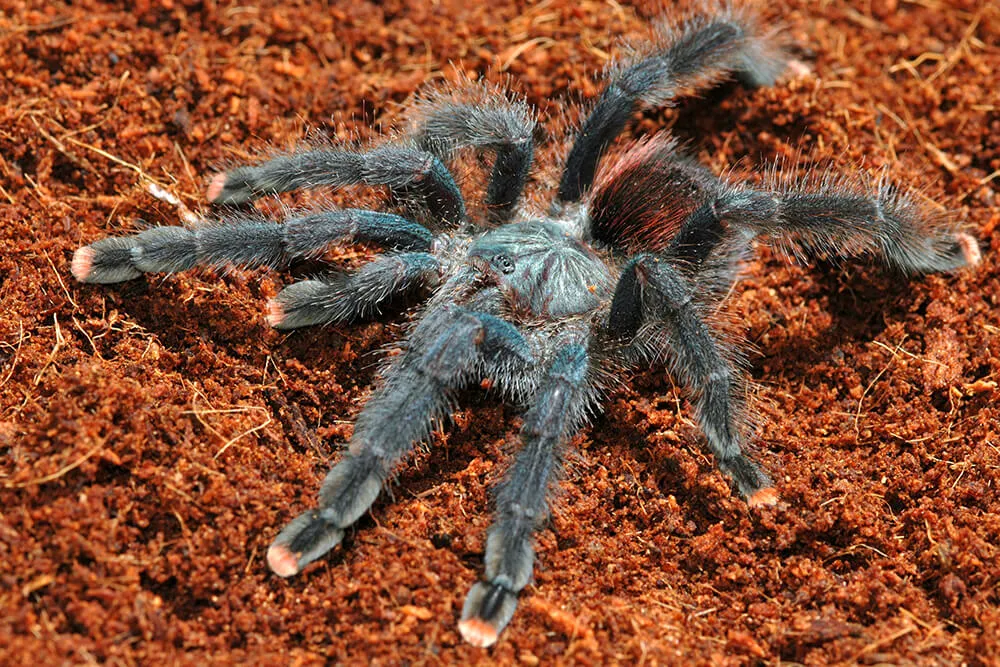
One of the most striking features of BTP tarantulas, and tarantulas in general, is their appearance. These spiders come in a wide array of colors and patterns, from earthy browns and blacks to vibrant blues, oranges, and yellows. Their bodies are covered in fine hairs, some of which can be urticating, meaning they can cause irritation if they come into contact with skin. This physical diversity contributes to their allure and makes each species unique.
Size and Coloration
The size of a BTP tarantula can vary greatly depending on the species and individual. Some species are relatively small, with leg spans of just a few inches, while others can grow to over 10 inches. Coloration is also highly variable, with many species displaying a combination of colors and patterns. The vibrancy and specific hues can depend on factors like the spider’s age, diet, and environmental conditions.
Unique Physical Features
Beyond their size and color, BTP tarantulas possess other unique physical features. They have eight eyes, which are generally poor at seeing detail but are excellent at detecting movement. Their chelicerae, or fangs, are used for injecting venom into prey. They also have pedipalps, small leg-like appendages near their mouth, which they use to manipulate food and sense their environment.
Where BTP Tarantulas Live

Understanding the natural habitat of BTP tarantulas provides valuable insights into their behavior and care requirements. These spiders have adapted to a wide range of environments, from arid deserts to humid rainforests. Their habitat preferences greatly influence their needs in captivity.
Natural Habitat
Most tarantula species are terrestrial, meaning they live on the ground, while some are arboreal, inhabiting trees. Their natural habitats include burrows, under rocks, and within the leaf litter of forests. These environments provide them with shelter from predators, regulate temperature, and offer a supply of food. The specific habitat of a BTP tarantula will vary depending on the species.
Geographic Distribution
Tarantulas are found on nearly every continent except Antarctica. Different species are native to specific regions, like North and South America, Africa, Asia, and Australia. Their geographic distribution is influenced by factors such as climate, food availability, and the presence of predators. Knowing the origin of a BTP tarantula can help determine its specific care needs.
Behavior and Lifestyle of BTP Tarantulas

The behavior and lifestyle of BTP tarantulas are fascinating. Their hunting strategies, defense mechanisms, and overall life cycle contribute to their survival in the wild. These behaviors are essential to understand when caring for them in captivity.
Hunting and Feeding Habits
BTP tarantulas are primarily ambush predators. They typically wait for prey to come within striking distance before launching a quick attack. Their diet consists mainly of insects, but they may also consume small vertebrates like lizards and mice. They use their fangs to inject venom, which paralyzes or kills their prey, and then they use digestive enzymes to liquefy the food for consumption.
Defense Mechanisms
Tarantulas have several defense mechanisms to protect themselves from predators. One common method is to flick urticating hairs from their abdomen, which can cause skin irritation and deter attackers. They may also bite, although this is usually a last resort. Some species also possess aposematic coloration, bright colors that warn predators of their toxicity.
Lifespan and Lifecycle

Tarantulas are known for their relatively long lifespans, especially the females. Understanding their lifecycle, including growth stages and reproduction, is essential for proper care and breeding.
Growth Stages
Tarantulas grow by molting, shedding their exoskeleton to allow for growth. They undergo several molts throughout their lives. The frequency of molting decreases as they mature. During the molting process, the spider is vulnerable, so it seeks a safe place and may stop eating beforehand. The discarded exoskeleton provides a record of the spider’s growth.
Reproduction
Reproduction in tarantulas involves the male transferring sperm to the female. The female lays eggs, which are protected in an egg sac. The young tarantulas, called spiderlings, emerge from the egg sac and begin their independent lives. Breeding tarantulas requires careful management of environmental conditions and the sexes’ interaction.
BTP Tarantulas as Pets

BTP tarantulas are popular pets, but owning one requires careful consideration and commitment. They are not cuddly pets, but their unique characteristics and relatively low maintenance requirements make them attractive to many. Proper care is crucial for their well-being and the owner’s safety.
Considerations Before Owning a BTP Tarantula
Before getting a BTP tarantula, research the specific species’ needs. Consider factors like lifespan, adult size, and temperament. Ensure you can provide a suitable environment, including a proper enclosure, temperature, humidity, and diet. Also, be aware of the potential for allergic reactions to the urticating hairs and the need for responsible handling.
Proper Enclosure and Setup
A well-designed enclosure is crucial for a BTP tarantula’s health and well-being. The enclosure should be appropriately sized for the species and stage of life. It should provide adequate ventilation and be escape-proof. Substrate, such as coconut fiber or peat moss, should be provided to allow the spider to burrow and maintain humidity. A water dish and a hide, like a piece of bark or a cave, are also essential.
Feeding and Care

Feeding BTP tarantulas typically involves providing insects such as crickets, roaches, or mealworms. The frequency of feeding depends on the spider’s size and age, with juveniles needing to be fed more often. Fresh water should always be available. Maintaining the appropriate temperature and humidity levels is also essential for their health and molting process.
Conclusion
BTP tarantulas, and tarantulas in general, are remarkable creatures, with an array of amazing facts to discover. Their unique appearance, fascinating behaviors, and relatively long lifespans make them intriguing pets. Understanding their habitat, care requirements, and life cycle will allow you to appreciate and care for these amazing arachnids properly. Whether you are interested in owning a tarantula or simply fascinated by them, these ten facts will hopefully give you a greater appreciation for these captivating creatures.