Brazilian Cobalt Blue Tarantula Overview
The Brazilian Cobalt Blue Tarantula (Cyaneopubescens) is a striking and sought-after species in the tarantula world, prized for its vibrant blue coloration and relatively manageable care requirements. Originating from the tropical rainforests of Myanmar and Thailand, this tarantula presents a fascinating glimpse into the diverse world of arachnids. Understanding the specifics of its environment, physical attributes, behavior, and care are crucial for both potential owners and enthusiasts. Known for its striking appearance and captivating behavior, the Cobalt Blue tarantula can be a rewarding pet for experienced arachnid keepers. This guide will delve into the key aspects of this beautiful creature, providing insights into its care, behavior, and what makes it so unique.
Habitat and Natural Range
Cobalt Blue Tarantulas are native to the tropical regions of Southeast Asia, specifically found in the rainforests of Myanmar and Thailand. These environments are characterized by high humidity and warm temperatures, which are essential for the tarantula’s survival and well-being. Understanding its natural habitat is critical for replicating the ideal conditions in captivity. In the wild, they typically inhabit burrows in the ground or utilize existing spaces under rocks and fallen logs. They are an opportunistic species, adapting to their environment and finding shelter where they can. The dense foliage and humid conditions of their natural habitat provide the necessary cover and moisture for them to thrive.
Ideal Environment

In captivity, replicating the tarantula’s natural environment is key. This includes providing a terrarium with a substrate that retains moisture, such as a mix of coco fiber, peat moss, and vermiculite. A hide or burrow should also be provided to allow the tarantula to feel secure. The temperature should be maintained between 75-85°F (24-29°C) with a humidity level of 70-80%. Regular misting and a shallow water dish are essential to maintain the required humidity levels. Proper ventilation is also vital to prevent the buildup of mold and maintain air quality. The enclosure should be appropriately sized, ensuring enough space for the tarantula to move around and exhibit natural behaviors.
Physical Characteristics
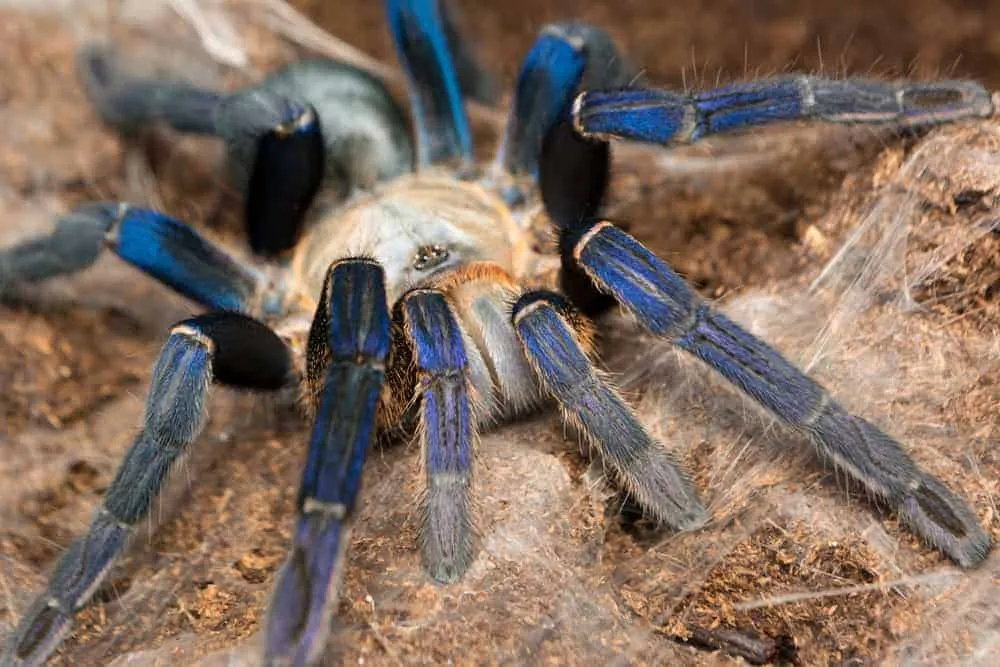
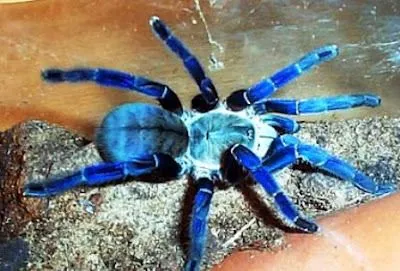
The Brazilian Cobalt Blue Tarantula’s most distinctive feature is its brilliant blue coloration, which gives it its common name. This coloration is a result of pigment and structural colors interacting on the exoskeleton, giving the spider an iridescent sheen. Beyond its striking color, understanding its size and appearance is crucial for identification and care. The spider’s overall structure and features offer insights into its behavior and health. The vibrant blues make it a captivating creature to observe, and the way the color shifts with lighting is a spectacle to behold. Their physical attributes also provide clues to their behavior and defensive capabilities.
Distinctive Cobalt Blue Coloration
The intensity and shade of the blue can vary depending on the spider’s age, health, and lighting conditions. Juveniles often start with a more muted coloration, which intensifies as they mature. The blue color is not a result of pigment alone; structural colors contribute to the iridescent appearance, creating a stunning visual effect. This unique coloration makes them highly sought after by enthusiasts. The shimmering effect is particularly striking under certain light conditions, making them a visually appealing addition to any collection. The blue coloration serves as a form of camouflage, helping them blend with their surroundings in their natural habitat.
Size and Appearance

Adult Cobalt Blue Tarantulas typically reach a leg span of up to 5-6 inches (12-15 cm). They have a robust build with a relatively large carapace and long, sturdy legs. The body is covered in fine hairs, adding to their overall appearance. Males and females often exhibit slight differences in size and appearance. Males are usually smaller and have longer legs, while females are generally larger and more heavily built. The overall appearance of the Cobalt Blue is one of grace and power. The contrast between the blue legs and the darker body creates a mesmerizing aesthetic.
Temperament and Behavior
The Brazilian Cobalt Blue Tarantula is known for its nervous disposition and can be skittish. Understanding their temperament and behaviors is crucial for safe handling and proper care. They are a defensive species and may exhibit certain behaviors if they feel threatened. Observing their actions can provide valuable insights into their needs and well-being. Their behavior is influenced by a combination of factors, including their environment, age, and individual personality. Paying close attention to their signals can help in forming a positive relationship with these fascinating creatures.
Defensive Mechanisms
When threatened, the Cobalt Blue Tarantula may exhibit a variety of defensive mechanisms. They are known to flick urticating hairs from their abdomen, which can cause skin irritation if they come into contact with skin. They may also display a threat posture, raising their front legs and fangs in a display of aggression. Despite their defensive nature, Cobalt Blues rarely bite, and usually only when provoked. It’s crucial to avoid actions that could be perceived as threatening, such as sudden movements or direct handling, to minimize stress and potential defensive reactions. Always use appropriate tools and precautions when handling or interacting with them.
Feeding and Diet

The Brazilian Cobalt Blue Tarantula is a carnivore, and its diet in captivity typically consists of insects. Providing a balanced diet that meets their nutritional needs is essential for their health and longevity. Understanding their feeding habits, preferences, and requirements ensures they thrive. They have specific preferences and requirements that must be met to maintain their health and promote healthy growth. A well-balanced diet is critical to ensuring the vibrant coloration and overall well-being of the tarantula. Careful management of diet and feeding frequency are also important for their overall health and well-being.
Optimal Diet
A varied diet is crucial for the Cobalt Blue Tarantula. Common food items include crickets, roaches, mealworms, and other commercially available insects. The size of the food should be appropriate for the size of the tarantula; juveniles require smaller prey. Feeding frequency depends on the age and size of the tarantula, but generally, adults are fed once or twice a week. Ensure the insects are gut-loaded with nutritious food before feeding to provide the tarantula with the essential nutrients. A shallow dish of fresh water should always be available. Removing uneaten food promptly helps maintain a clean and healthy environment.
Unique Behaviors
Cobalt Blue Tarantulas exhibit interesting behaviors that are fascinating to observe. They are burrowing tarantulas and spend a significant amount of time constructing and maintaining their burrows. They often display a skittish temperament, and their activity levels can vary depending on the time of day and their overall environment. Understanding these behaviors helps in providing proper care and recognizing signs of stress or illness. Learning about their routines and habits enhances the enjoyment of keeping these remarkable creatures. The unique aspects of their routines and activities offer an intriguing glimpse into their fascinating life cycle.
Molting Process

Molting is a natural process for tarantulas, allowing them to grow and replace their exoskeleton. Cobalt Blues typically molt several times during their lifespan, with juveniles molting more frequently than adults. During the molting process, the tarantula will usually stop eating and may lie on its back. It’s important not to disturb the tarantula during molting. After molting, the tarantula’s new exoskeleton is soft, and it is vulnerable. It is recommended to wait a week or two before feeding the tarantula again to allow its new exoskeleton to harden. Monitoring the molting process is essential for ensuring a healthy lifecycle and growth.
Lifespan and Conservation
The longevity and conservation status of the Brazilian Cobalt Blue Tarantula are essential aspects to consider for prospective keepers. Understanding how long they live and the factors influencing their survival can help in the long-term care and responsible pet ownership. The current conservation status of the species helps in understanding the impact of human activities and the significance of conservation efforts. This understanding enhances appreciation for the species and the necessity of protecting its survival.
Lifespan in Captivity
Female Cobalt Blue Tarantulas can live for up to 12-15 years in captivity, while males typically have a shorter lifespan, living for around 3-5 years. The lifespan can be influenced by various factors such as care, diet, and environmental conditions. Proper care, a balanced diet, and a stress-free environment contribute to a longer and healthier life. Providing optimal conditions, including appropriate temperature, humidity, and a safe enclosure, will help to maximize their lifespan and well-being.
Conservation Status
The Brazilian Cobalt Blue Tarantula is not currently listed as threatened, but it is essential to ensure that any specimens are sourced responsibly. Supporting ethical breeders and avoiding the purchase of wild-caught tarantulas is crucial for the conservation of the species. Responsible pet ownership practices, including proper habitat maintenance and a balanced diet, contribute to the overall well-being and preservation of these beautiful creatures. Protecting their natural habitats and supporting sustainable practices are also important for long-term conservation efforts.