Understanding the Brazilian Black Tarantula
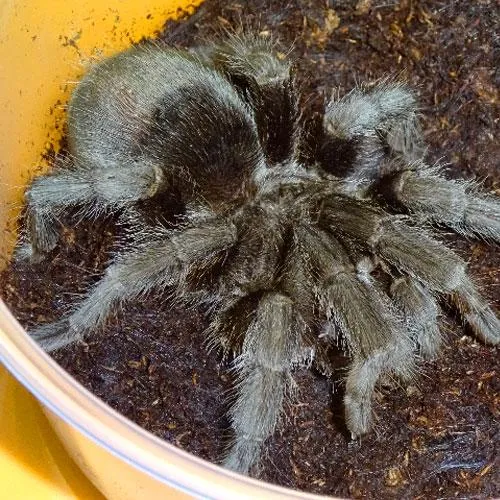
The Brazilian Black Tarantula (Grammostola pulchra) is a captivating arachnid that has gained popularity among tarantula enthusiasts. Known for its striking, all-black appearance and relatively docile temperament, this species is often recommended for beginners. This comprehensive guide will walk you through everything you need to know about caring for a 1-inch Brazilian Black Tarantula, from setting up its habitat to understanding its needs and behaviors. Owning a tarantula is a rewarding experience, and with the right knowledge, you can provide a healthy and fulfilling life for your eight-legged friend. This guide aims to equip you with the necessary information to ensure the well-being of your Brazilian Black Tarantula.
Characteristics of the 1-Inch Brazilian Black Tarantula
Appearance and Size

The Brazilian Black Tarantula is aptly named, boasting a velvety black coloration that covers its entire body. At the 1-inch size, your tarantula is still a juvenile, with its mature size ranging from 5 to 7 inches in leg span. The spider’s striking appearance is a major draw for hobbyists, and its sleek, dark presence adds an exotic touch to any collection. As they grow, their coloration will become even more pronounced, making them a truly stunning addition to your home. The initial size of 1 inch is crucial in understanding their dietary needs and appropriate enclosure size.
Temperament and Behavior
Brazilian Black Tarantulas are generally known for their docile nature, making them a good choice for those new to tarantula ownership. While they are not typically aggressive, it’s important to remember that they are still wild animals and should be treated with respect. They are not prone to biting, but can flick urticating hairs (small, irritating hairs) from their abdomen as a defense mechanism. Observing your tarantula’s behavior will help you understand its needs and ensure it is thriving. Providing a stress-free environment is essential for their overall well-being, which contributes to their peaceful temperament.
Setting Up a Suitable Habitat
Creating the right environment is crucial for the health and happiness of your Brazilian Black Tarantula. A well-designed habitat mimics their natural environment and provides the necessary elements for them to thrive. This includes an appropriate enclosure, substrate, hiding places, and controlled temperature and humidity levels. A proper setup reduces stress and promotes natural behaviors, allowing you to enjoy your tarantula for years to come. Investing time in the initial setup will greatly benefit your tarantula’s overall well-being.
Choosing the Right Enclosure
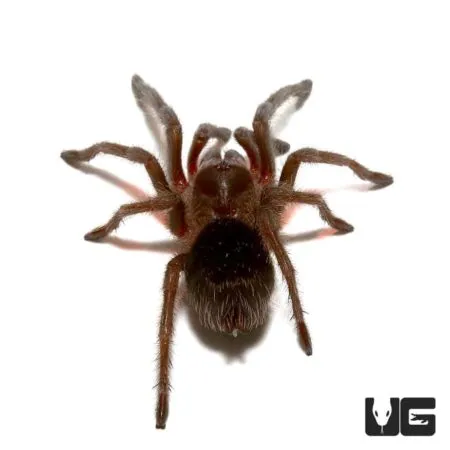
For a 1-inch Brazilian Black Tarantula, a small, secure enclosure is sufficient. A clear plastic container with a secure lid is ideal, allowing for easy viewing and maintenance. The enclosure should be approximately 5-10 times the tarantula’s leg span in width and length. Ensure the enclosure has ventilation holes to allow for airflow, but make sure they are small enough to prevent escape. As your tarantula grows, you will need to upgrade to a larger enclosure, but at this stage, a smaller setup will make it easier for your tarantula to find food and feel secure.
Substrate and Decor
The substrate provides a comfortable surface for your tarantula and helps maintain humidity levels. A mix of peat moss, coconut fiber, and vermiculite is a good choice. This combination holds moisture well and allows your tarantula to burrow if it chooses. Provide a hide, such as a piece of cork bark or a half-log, where your tarantula can retreat and feel secure. Decorate the enclosure with a few artificial plants or leaves to add visual appeal and offer additional hiding spots. Remember that the substrate should be deep enough to allow for burrowing, which is a natural behavior for this species. Image: brazilian-black-tarantula-substrate
Temperature and Humidity
Brazilian Black Tarantulas thrive in temperatures between 75-85°F (24-29°C). Use a heat mat placed on the side of the enclosure to provide a consistent heat source, but avoid placing it directly under the enclosure, as this could cause the substrate to dry out too quickly. Humidity levels should be maintained between 65-75%. You can achieve this by misting the enclosure lightly with water every few days, being careful not to over saturate the substrate. A hygrometer will help you monitor humidity levels. Proper temperature and humidity are essential for healthy molting and overall well-being. Image: brazilian-black-tarantula-habitat
Feeding Your Brazilian Black Tarantula

Proper feeding is crucial for the growth and health of your Brazilian Black Tarantula. They are opportunistic feeders and will readily consume a variety of insects. Providing the right food in appropriate quantities ensures that your tarantula gets the necessary nutrients. Monitor your tarantula’s feeding habits and adjust the diet as needed. Observing their eating behavior is also a great way to understand their health and well-being. It’s also important to remember that overfeeding can be as detrimental as underfeeding, so moderation is key.
What to Feed
At the 1-inch size, your Brazilian Black Tarantula will primarily eat small insects. Good choices include pinhead crickets, small mealworms, and flightless fruit flies. Ensure the insects you offer are gut-loaded (fed nutritious food) before feeding them to your tarantula. This ensures your tarantula receives essential vitamins and minerals. Avoid feeding wild-caught insects, as they may carry parasites or pesticides. The size of the prey should be appropriate for the tarantula, with the insects being no larger than the tarantula’s body.
Feeding Frequency
Juvenile Brazilian Black Tarantulas should be fed 2-3 times per week. Monitor your tarantula’s abdomen; if it appears plump, you can reduce feeding frequency. Refusal to eat can indicate that your tarantula is preparing to molt. Remove any uneaten food within 24 hours to prevent mold or mites from forming. Adjust the feeding schedule based on your tarantula’s growth and appetite. Always provide fresh water, and adjust as needed, depending on environmental conditions.
Watering and Hydration

Provide a shallow water dish with fresh, clean water at all times. Use a small, shallow dish to prevent the tarantula from drowning. You can also mist the enclosure lightly every few days to increase humidity and provide a secondary water source. Always use dechlorinated water to avoid harming your tarantula. Regularly check the water dish and replace the water to keep it clean. Hydration is key to ensuring healthy molting and overall vitality. Image: brazilian-black-tarantula-water
Handling and Interaction
While Brazilian Black Tarantulas are generally docile, handling should be done with caution. These spiders are not designed for handling and can be stressed easily. Avoid handling whenever possible, and observe your tarantula’s behavior. If you must handle your tarantula, be extremely gentle and move slowly to avoid startling it. Always wash your hands before and after handling and be aware of the potential for a bite or the release of urticating hairs.
Safety Precautions
Always supervise children when they are near your tarantula’s enclosure. Keep the enclosure secure to prevent escapes. If your tarantula does escape, remain calm and try to locate it without sudden movements. When cleaning the enclosure, always handle the tarantula with extreme care. Avoid any situations that might scare the tarantula, such as loud noises or vibrations. Remember that tarantulas are delicate creatures, and their safety is paramount.
Signs of Stress or Discomfort

If your tarantula is stressed, it may exhibit certain behaviors. These can include flicking urticating hairs, raising its front legs in a defensive posture, or fleeing. If your tarantula is showing these signs, it’s best to leave it alone and ensure its habitat is appropriate. Stress can lead to health problems, so it’s important to address any issues promptly. Be aware of the environmental factors that may stress your tarantula, such as excessive noise, handling, or a poorly maintained habitat.
Health and Common Issues
Like all living creatures, Brazilian Black Tarantulas can experience health issues. Proper care can prevent most problems, but it’s essential to be aware of potential issues. Regularly inspect your tarantula for any signs of illness or injury. Early detection can often lead to successful treatment. Consult a veterinarian experienced in treating exotic animals if you notice anything out of the ordinary.
Shedding
Tarantulas shed their exoskeletons as they grow. This process, called molting, is essential for their development. Before molting, your tarantula may stop eating, become less active, and its abdomen may darken. Provide a slightly higher humidity level during this time. After molting, the tarantula will be soft and vulnerable for a few days. Do not feed it until its new exoskeleton has hardened. Shedding is a natural and important process, so avoid disturbing your tarantula during this time. Image: brazilian-black-tarantula-shedding
Parasites and Diseases

While rare, Brazilian Black Tarantulas can be susceptible to parasites and diseases. Mites are a common issue, and they can often be spotted as small, moving dots. If you notice mites, quarantine your tarantula and thoroughly clean its enclosure. Other diseases can be caused by poor hygiene or improper environmental conditions. Always ensure your tarantula’s enclosure is clean and that you are providing the correct environmental parameters. Consult a vet with experience in exotic animals to identify and treat any diseases.
Breeding
Breeding Brazilian Black Tarantulas is a challenging process that requires significant knowledge and experience. It’s important to understand the complexities involved before attempting to breed these spiders. Breeding tarantulas involves careful planning and execution, as well as a thorough understanding of the species’ needs and behaviors. If you’re considering breeding, be sure to educate yourself thoroughly and be prepared for the challenges.
Finding a Breeder
If you are interested in breeding Brazilian Black Tarantulas, it’s best to start by finding a reputable breeder. Look for breeders with experience and a good reputation in the tarantula community. They can provide you with valuable information and guidance. A reliable breeder can provide healthy, well-cared-for tarantulas, as well as advice and support. Make sure to conduct your research carefully and ask the breeder about their breeding practices and the health of their tarantulas.
The Breeding Process
Breeding Brazilian Black Tarantulas involves introducing a mature male to a mature female. This process should be done under careful observation, as the female may attack the male. If successful, the female will lay an egg sac, which the breeder will incubate. The spiderlings will then hatch and require specialized care. It’s a long and complex process, so it’s important to be well-prepared. Be sure to set up a separate enclosure for the offspring and keep them away from other creatures.
Conclusion
Caring for a 1-inch Brazilian Black Tarantula can be a rewarding experience. By providing the right habitat, proper feeding, and handling with care, you can ensure that your tarantula thrives. Remember to always prioritize the well-being of your pet, and don’t hesitate to seek advice from experienced keepers or a qualified veterinarian. With patience and dedication, you’ll enjoy the unique companionship of this fascinating creature. Enjoy the wonderful world of arachnids!