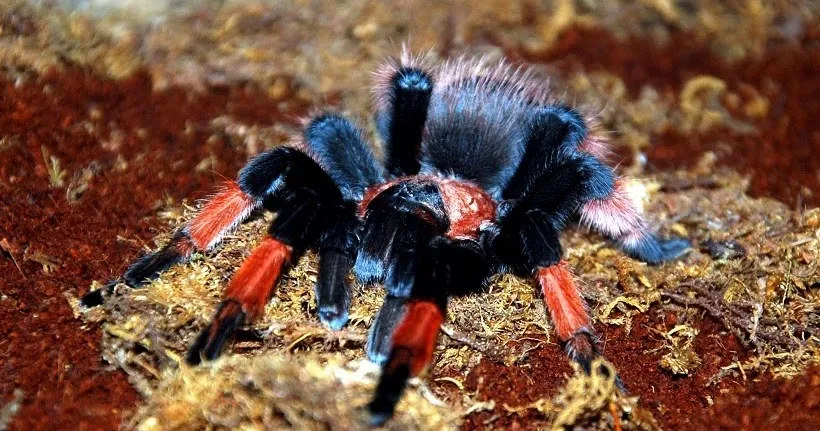
Brachypelma Emilia Tarantula: An Introduction
The Brachypelma emilia, a stunning species of tarantula, is a popular choice for both novice and experienced arachnid enthusiasts. Known for its docile temperament and striking appearance, this tarantula offers a fascinating glimpse into the world of exotic pets. This comprehensive care guide will provide you with all the necessary information to ensure your Brachypelma emilia thrives in captivity. From setting up the perfect enclosure to understanding their specific needs, this guide will cover everything you need to know to become a successful tarantula keeper. The Brachypelma emilia is not just a pet; it’s an opportunity to observe the incredible intricacies of nature, right in your home. With proper care and attention, your Brachypelma emilia can become a captivating and rewarding companion.
What is a Brachypelma Emilia Tarantula
The Brachypelma emilia is a species of tarantula native to Mexico, particularly found in the arid regions. This species is celebrated for its beautiful coloration, featuring a mix of black, orange, and red hues, making it an eye-catching invertebrate. They are relatively slow-growing tarantulas, reaching a mature size over several years, and are characterized by their calm nature, which contributes to their suitability as pets. They belong to the family Theraphosidae and are known for their thick, robust bodies and impressive leg spans. Their lifespan can extend for many years, especially for females, making them a long-term commitment. Understanding their specific needs is crucial to providing a comfortable and healthy environment, allowing you to enjoy their unique characteristics and behaviors.
Origin and Habitat

In their natural habitat, Brachypelma emilia tarantulas are found in the scrublands and dry forests of Mexico. They prefer to live in burrows or under rocks and logs, providing them with a safe haven from predators and the harsh elements. The native environment significantly influences their behaviors and care requirements in captivity. Mimicking their natural habitat is crucial for their well-being. This includes providing the appropriate temperature, humidity levels, and hiding places. The importance of their origin lies not only in understanding their needs but also in appreciating their natural instincts. By understanding the environment they evolved in, you can better cater to their needs and observe their natural behaviors.
Appearance and Characteristics
The Brachypelma emilia is known for its striking appearance. The body is usually a dark black or brown color, while the legs are adorned with vibrant orange and red hairs. This coloration offers a stunning contrast and makes them one of the more visually appealing tarantula species. Mature females can have a leg span of up to 6 inches. They also have a relatively calm temperament, making them easier to handle compared to some other species. Their docile nature, combined with their beautiful appearance, makes them highly sought-after pets. The urticating hairs, which they can flick as a defense mechanism, should be treated with respect, but their overall disposition is generally gentle.
Setting Up the Perfect Enclosure
Creating the ideal environment for your Brachypelma emilia is essential for their health and well-being. The enclosure should mimic their natural habitat as closely as possible. This means providing suitable temperature, humidity, and hiding places. A well-designed enclosure not only ensures the tarantula’s physical health but also reduces stress, allowing them to display their natural behaviors. The setup should be carefully planned and maintained regularly, which will help to contribute to their long and healthy life. Remember that a happy tarantula is a healthy tarantula, and the environment you provide directly affects their quality of life. Proper planning is key to a successful and enjoyable tarantula-keeping experience.
Enclosure Size and Type

The size of the enclosure for your Brachypelma emilia will depend on the tarantula’s size. A juvenile tarantula can start in a smaller enclosure, such as a 5-gallon tank. As they grow, the enclosure size should increase, with adults often requiring a 10-20 gallon tank or larger. The enclosure should be escape-proof, with a secure lid to prevent the tarantula from escaping. The type of enclosure can vary, but glass or acrylic tanks are commonly used. Ventilation is vital to prevent the buildup of humidity and mold growth. Consider using a cross-ventilation system to ensure airflow. Make sure the enclosure provides ample floor space and enough height to accommodate the tarantula’s activities and burrowing needs.
Substrate and Decor
The substrate in the enclosure plays a crucial role in maintaining humidity levels and providing a natural environment. A mix of coconut fiber, peat moss, and vermiculite is a good choice, as it holds moisture well and allows the tarantula to burrow. The substrate should be deep enough to allow for burrowing. Decorating the enclosure with cork bark, artificial plants, and a water dish provides hiding places and enriches the environment. Avoid using sharp or abrasive materials that could injure the tarantula. Clean the enclosure regularly and replace the substrate when necessary to maintain a healthy environment. This will help your tarantula feel safe and secure.
Temperature and Humidity
Brachypelma emilia thrives in a temperature range of 75-85°F (24-29°C). Using a heat mat or a low-wattage heat lamp can help maintain the temperature. Avoid placing the heat source directly under the enclosure, as this can cause the substrate to dry out too quickly. Humidity levels should be kept between 60-70%. Regular misting of the enclosure and the use of a water dish can help maintain humidity. Use a hygrometer to monitor humidity levels. Ventilation is vital to prevent the buildup of excess moisture and mold growth. Monitoring the temperature and humidity will help maintain a healthy environment and encourage proper molting. Adjust the temperature and humidity as needed to ensure the comfort of your tarantula.
Feeding Your Brachypelma Emilia

Proper nutrition is critical to the health and growth of your Brachypelma emilia. Providing a balanced diet of appropriate food items at suitable intervals will support their overall well-being. Their diet should be composed of insects, with occasional treats to keep them healthy and thriving. Understanding what to feed, how often to feed, and the importance of fresh water will contribute to the tarantula’s longevity. Careful attention to their feeding habits and preferences can enhance your ability to provide the best care. This aspect of care is key to their health and happiness, and a well-fed tarantula is a happy one.
What to Feed
The Brachypelma emilia is an insectivore, and its diet should primarily consist of insects. Crickets, mealworms, and dubia roaches are excellent choices. The size of the prey should be appropriate for the size of the tarantula; the prey should be no larger than the tarantula’s abdomen. You can vary the diet to provide a balanced nutritional intake. Before feeding, gut-load insects by feeding them nutritious food like vegetables and commercial insect food. This will ensure that the tarantula receives essential nutrients. Always remove any uneaten prey after 24 hours to prevent the build-up of mites and to prevent stressing your tarantula.
Feeding Frequency
Feeding frequency depends on the age and size of the tarantula. Spiderlings can be fed every other day, while juveniles can be fed every 3-4 days. Adults can be fed once a week or every other week. Observe your tarantula’s feeding habits and adjust the frequency accordingly. If the tarantula refuses to eat, it may be in premolt or stressed, and it is important to check the environment. Provide fresh water at all times, even if the tarantula isn’t eating, for essential hydration. Avoid overfeeding, as this can lead to health issues. Monitor the abdomen size to make sure the tarantula is at a healthy weight. Adjust feeding frequency based on their behavior.
Watering and Hydration

Water is essential for the health of your Brachypelma emilia. Always provide a shallow water dish with fresh, clean water. The dish should be shallow to prevent the tarantula from drowning. Regularly clean and refill the water dish to prevent bacteria growth. In addition to the water dish, misting the enclosure periodically can help to maintain humidity levels, especially during molting. The water dish helps maintain humidity and provides the tarantula with the hydration it needs. Always make sure the water is readily available, especially in dry environments. Proper hydration is critical for their overall well-being.
Handling and Safety
Handling a Brachypelma emilia should be approached with caution, as it can pose a risk to both the tarantula and the handler. While they are generally docile, handling is not always necessary and should be limited. Knowing when and how to handle your tarantula safely ensures your pet remains stress-free. Being informed on the correct practices minimizes the risk of bites and allows you to build a positive relationship with your tarantula. Remember, handling should be done with respect for the tarantula’s natural behavior.
When to Handle
It is best to avoid handling your Brachypelma emilia unless necessary, such as for enclosure maintenance or health checks. Avoid handling the tarantula after feeding, during the premolt stage, or shortly after molting, as they are more vulnerable. If handling is required, do so slowly and gently, never surprising or startling the tarantula. If the tarantula displays defensive behaviors, such as raising its front legs or showing its fangs, it’s a sign that it does not want to be handled. Respect their space and avoid handling at that time.
Safe Handling Practices

If you choose to handle your Brachypelma emilia, do so carefully and deliberately. Handle the tarantula close to the ground or a soft surface, to minimize the risk of injury if it falls. Always supervise children when they interact with the tarantula. Wash your hands thoroughly before and after handling to prevent the spread of germs. Be aware of the tarantula’s urticating hairs and avoid contact with the skin. Use a soft brush to gently remove any hairs that may come into contact with your skin. Observe the tarantula’s behavior during handling and return it to its enclosure immediately if it shows signs of stress.
Understanding Molting
Molting is a natural process for tarantulas, where they shed their exoskeleton to grow. This process can be stressful for the tarantula, so it is important to know the signs and what to do. Providing a safe and comfortable environment during this period will help ensure a successful molt and allow the tarantula to thrive. Understanding the process and how to support them is vital to their health. Careful observation and attention to detail will contribute to a healthy outcome and a happy tarantula.
Signs of Molting
Several signs indicate that your Brachypelma emilia is preparing to molt. These include a loss of appetite, lethargy, and a change in behavior. The tarantula may also become more reclusive and hide in its burrow. You may notice that the abdomen appears darker, or the exoskeleton may look dull. The tarantula may also spin a web mat in preparation for molting. Keep an eye on your tarantula and familiarize yourself with its typical behavior, as this will make recognizing the signs easier. This awareness will allow you to prepare for the molting process.
What to Do During Molting

During molting, it is essential to provide a calm and undisturbed environment. Do not handle or disturb the tarantula. Keep the enclosure at the appropriate temperature and humidity levels. Ensure that the tarantula has access to fresh water. Avoid feeding the tarantula until its new exoskeleton has hardened, which can take several days. Once the tarantula has molted, and the exoskeleton has hardened, you can begin feeding again. Do not remove the old exoskeleton until the tarantula is ready to move and has fully hardened. Observe the tarantula’s behavior to make sure it is back to its normal self.
Common Health Issues and Prevention
Like any pet, Brachypelma emilia tarantulas can be susceptible to health issues. Understanding the common health problems and knowing preventative measures will assist in maintaining the health and well-being of your tarantula. Preventative measures contribute to a healthy and thriving tarantula. Recognizing and addressing potential health issues promptly will help ensure your tarantula enjoys a long and healthy life. Routine observation and proper care are vital for a healthy tarantula.
Parasites and Diseases
Brachypelma emilia tarantulas are generally hardy, but they can be susceptible to parasites and diseases. Mites are a common problem, often introduced through contaminated substrate or prey. These tiny parasites can cause irritation and distress. Fungal infections can occur if the enclosure is too humid or has poor ventilation. Bacterial infections can also develop, often due to improper hygiene. If you notice any signs of illness, such as lethargy, loss of appetite, or unusual behavior, seek advice from an experienced tarantula keeper or a veterinarian who specializes in exotic pets.
Preventative Measures

Preventing health issues involves several key steps. Maintaining proper hygiene is critical. Regularly clean the enclosure, remove uneaten prey, and replace the substrate. Quarantine new tarantulas for several weeks to ensure they are free from parasites or diseases. Only purchase insects from reputable sources to reduce the risk of introducing parasites. Provide a balanced diet and ensure the enclosure has appropriate temperature and humidity levels. Monitor the tarantula’s behavior and appearance, and seek expert advice if you notice anything unusual. Preventative measures are the best approach to ensuring a long and healthy life for your tarantula. With this knowledge, you can help keep your tarantula healthy and thriving.
Breeding Brachypelma Emilia Tarantulas
Breeding Brachypelma emilia tarantulas can be a rewarding experience for those with experience in tarantula care. It’s essential to understand the process and its implications. This involves preparing a breeding pair and taking care of them. If you are considering breeding your tarantulas, careful research and planning are key to success. Knowing the various steps will help you to understand this fascinating process.
Sexing Your Tarantula
Sexing a tarantula is the first step in breeding. The most reliable method is to examine the molt. The female tarantula has a spermatheca, which is a small sac used to store sperm. The male tarantula has sperm webs, which are used to transfer sperm to the female. Determining the sex accurately is crucial for successful breeding. Another method is to examine the underside of the tarantula, near the book lungs. Male tarantulas have a small bump called a palpal bulb on the tips of their pedipalps.
Mating and Egg Sacs
Once you have a confirmed male and female, you can introduce them. The female may be more receptive to mating after molting. Introduce the male into the female’s enclosure, and supervise the mating process. If the female accepts the male, they will mate. After mating, the female will create an egg sac, which she will guard. It is crucial to keep the female in a comfortable environment. The egg sac will need to be carefully incubated, with the correct temperature and humidity levels, to allow the eggs to hatch. Be prepared to care for the spiderlings. This process is very rewarding, and requires dedication and skill.
Final Thoughts on Caring for Brachypelma Emilia Tarantulas
Caring for a Brachypelma emilia tarantula can be a rewarding experience. They are fascinating creatures that require specific care to thrive. By following this guide, you can provide your tarantula with a healthy and fulfilling life. Always continue to learn and research. The more knowledge you have, the better you will be equipped to care for your tarantula. Observe your tarantula and learn to recognize its behaviors. Take the time to enjoy the unique qualities of your tarantula. Remember that responsible ownership is key. With proper care, your Brachypelma emilia can be a captivating and cherished companion for years to come. Enjoy the journey of tarantula keeping!