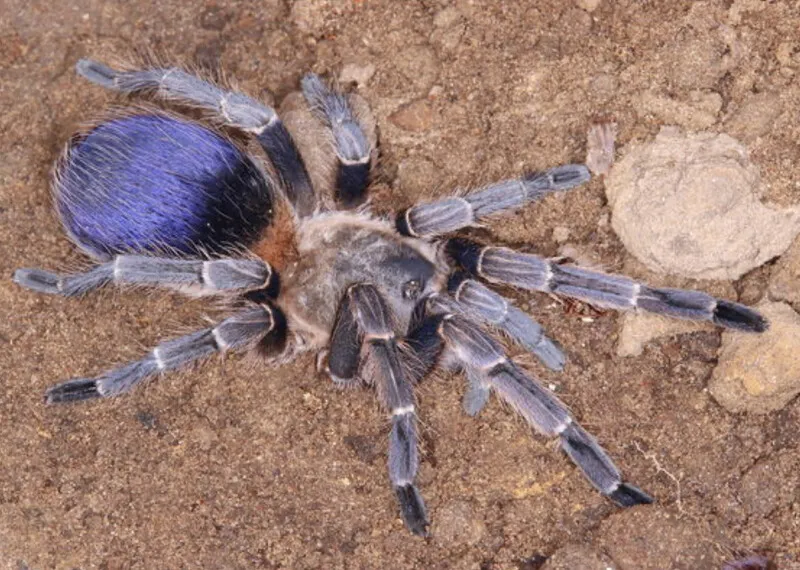
What is a Blue Wolf Tarantula?
The Blue Wolf Tarantula, scientifically known as Aphonopelma chalcodes, is a species of tarantula native to the southwestern United States, particularly in Arizona. While their common name might suggest a vibrant blue hue, this tarantula’s coloration is more of a subtle mix of browns and tans, with a slight bluish sheen under certain lighting conditions. They are a fascinating species, popular among arachnid enthusiasts due to their relatively docile temperament and manageable size. Unlike some other tarantula species, the Blue Wolf Tarantula is not considered highly venomous, although a bite can still be painful. Their life cycle, habitat preferences, and unique behaviors make them an interesting subject for study and observation, providing a glimpse into the diverse world of arachnids.
Appearance and Characteristics
Blue Wolf Tarantulas typically exhibit a body length of around 1 to 2.5 inches, with a leg span that can reach up to 4 to 5 inches. Their bodies are covered in a dense layer of fine hairs, which give them a velvety appearance. The coloration is predominantly brown and tan, often with a subtle blueish iridescence, especially noticeable on their legs and carapace under specific lighting. The females are generally larger and more robust than the males. They also have a longer lifespan, which can be up to 20 years in captivity. Their pedipalps, used for sensory input and food manipulation, are quite prominent. Overall, their appearance is a blend of earthy tones and subtle beauty, making them appealing to many tarantula keepers.
Habitat and Natural Environment

The Blue Wolf Tarantula thrives in the arid and semi-arid environments of the southwestern United States and parts of northern Mexico. Their habitat consists of deserts, grasslands, and scrublands. They are well-adapted to the extreme temperatures and scarce rainfall of these regions. These tarantulas are terrestrial, meaning they spend most of their time on the ground. They often construct burrows in the soil, which provide shelter from the sun and a stable microclimate. These burrows can be quite deep, sometimes extending several inches underground. Their natural environment is characterized by rocky terrain, sparse vegetation, and a diversity of insect life, which forms a significant part of their diet. They are a vital part of the local ecosystem, preying on various invertebrates and serving as prey for larger animals such as birds and reptiles.
Where Do They Live?
They primarily inhabit the arid regions of the southwestern United States, including Arizona, New Mexico, and parts of California, as well as northern Mexico. They prefer areas with loose soil, which allows them to easily burrow and create their habitat. They are often found in grasslands, deserts, and scrublands, seeking shelter under rocks, among the roots of plants, or within their self-dug burrows. Their distribution is closely tied to the availability of prey, suitable soil conditions, and the presence of sufficient moisture. This species tends to avoid densely populated areas, preferring the seclusion offered by the open landscapes of the southwest.
What is Their Natural Habitat?
Their natural habitat typically consists of sandy or loamy soils, which are crucial for burrowing. The presence of rocks and sparse vegetation also contributes to their environment, providing cover and shelter. The climate is characterized by hot summers and mild winters, with low humidity levels. The ecosystem supports a variety of insect life, including crickets, beetles, and other invertebrates, which serve as a food source. Blue Wolf Tarantulas are well-adapted to these environmental conditions, possessing physiological and behavioral adaptations that allow them to survive in the challenging desert and semi-arid climates.
Unique Behaviors and Traits

Blue Wolf Tarantulas are known for their relatively docile nature compared to some other tarantula species. They are not generally aggressive and prefer to retreat into their burrows when threatened. They are primarily nocturnal, active mostly during the night when they come out to hunt. A unique behavior includes the flicking of urticating hairs from their abdomen as a defense mechanism, which can irritate potential predators. They are also solitary creatures, interacting mostly during the mating season. Their burrowing behavior is another distinctive trait, as they meticulously excavate tunnels in the ground, providing shelter and a stable temperature for themselves. Their behavior is heavily influenced by environmental conditions, particularly temperature and humidity, and their actions are very predictable in these conditions.
Predatory Nature and Diet
As predators, Blue Wolf Tarantulas are opportunistic hunters. Their diet primarily consists of insects, such as crickets, grasshoppers, beetles, and other invertebrates. They ambush their prey, waiting patiently near the entrance of their burrows or on the ground. They inject venom into their prey, which paralyzes them and begins the process of digestion. Once the prey is subdued, the tarantula uses its chelicerae (mouthparts) to crush and consume the insect. Juvenile tarantulas will feed more frequently, while adults can go for extended periods without eating. Their predatory behavior is finely tuned, reflecting the adaptations necessary for survival in their challenging desert habitat. They are a key component in controlling insect populations within their ecosystems.
What Do Blue Wolf Tarantulas Eat?
The diet of Blue Wolf Tarantulas is mainly composed of insects. Crickets, grasshoppers, mealworms, and beetles make up the bulk of their food intake. Larger individuals may also consume small vertebrates like small lizards or even mice. They primarily hunt at night, ambushing their prey and using their venom to subdue it. The frequency of feeding varies with age and size, with juveniles requiring more frequent meals than adults. In captivity, they can be fed a variety of commercially available insects, such as crickets and roaches, ensuring they receive the necessary nutrients for healthy development.
Lifespan and Life Cycle

The Blue Wolf Tarantula has a relatively long lifespan compared to many other arachnids. Females can live up to 20 years in captivity, while males typically have a shorter lifespan, usually around 5-7 years. The life cycle includes several stages, starting from eggs laid in an egg sac, which hatch into spiderlings. These spiderlings molt multiple times as they grow, shedding their exoskeletons. During molting, the tarantula is particularly vulnerable. Males reach maturity and develop the characteristic tibial hooks on their front legs, which are used during mating. The entire life cycle, from egg to adult, is influenced by environmental factors, particularly temperature and humidity. The long lifespan of the females is a testament to their ability to adapt to their environment and persevere throughout their lives.
How Long Do They Live?
Female Blue Wolf Tarantulas can live for an impressive length of time, often reaching up to 20 years in captivity under the right conditions. Males, on the other hand, typically have a much shorter life expectancy, usually around 5 to 7 years. The lifespan is impacted by various factors, including their environment, diet, and the stress they experience. Female tarantulas typically outlive males due to their more significant role in reproduction and their ability to avoid the dangers associated with mating. The lifespan of these creatures makes them popular pets for many arachnid enthusiasts, as they can be enjoyed for many years.
Conservation Status and Threats
The Blue Wolf Tarantula is currently not listed as endangered by the International Union for Conservation of Nature (IUCN). However, their populations are affected by habitat loss due to human development and agricultural practices. Wildfires and the use of pesticides also pose threats to their survival. The pet trade can impact wild populations if not managed properly through responsible collection practices. While they are not yet considered to be facing a severe threat, conservation efforts are still essential to protect their habitats and maintain the population. Conservation often involves habitat preservation, responsible pet trade regulation, and public education initiatives to increase awareness of their conservation needs.
Are They Endangered?

Currently, the Blue Wolf Tarantula is not listed as an endangered species. Their populations are considered stable, and they are not facing immediate threats of extinction. However, it is crucial to monitor their populations and habitats closely to ensure their long-term survival. Although they are not yet endangered, habitat destruction and the impact of the pet trade can create problems for this species. Continued research and conservation efforts are essential to protect their future. Being aware of their status and supporting conservation initiatives is important to maintaining their place in the ecosystem.
Interesting Facts About Blue Wolf Tarantulas
Here are some interesting facts about these fascinating creatures. Their venom is generally not considered harmful to humans, although a bite can be painful. They can flick urticating hairs as a defense mechanism, which can cause skin irritation. Blue Wolf Tarantulas are known to live for many years, especially females, and their docile temperament makes them a popular pet choice for many arachnid enthusiasts. They exhibit unique behaviors, such as constructing burrows in the ground for shelter. They play an essential role in the ecosystem by controlling insect populations, helping maintain the balance of their environment. Their ability to adapt to harsh conditions makes them resilient, allowing them to flourish in the arid regions they call home. They also have a subtle blue iridescence that can be seen under certain lighting conditions, adding to their beauty.
Unusual Facts
Here are some unusual facts. They can survive for extended periods without food, which is a survival adaptation. Their urticating hairs have microscopic barbs that cause intense itching when they come into contact with the skin. They do not possess ears and rely on vibrations to detect prey and potential threats. They molt their exoskeletons, shedding their outer layer as they grow. They will eat their own eggs if resources are scarce. The males develop tibial hooks on their front legs that are used during mating. Their venom is relatively mild. They can survive in temperatures of 100 degrees Fahrenheit in their habitats, which is amazing.
Conclusion

The Blue Wolf Tarantula is a captivating creature that offers a unique glimpse into the world of arachnids. Their relatively docile nature, coupled with their manageable size and intriguing behaviors, make them a popular choice among tarantula enthusiasts. Understanding their habitat, diet, and life cycle is essential for both conservation efforts and responsible pet ownership. While they are not currently facing severe threats, continuous monitoring and habitat protection are essential to ensure their survival for future generations. By appreciating their beauty, understanding their needs, and supporting conservation, we can help protect these fascinating spiders and preserve the biodiversity of their natural environments.