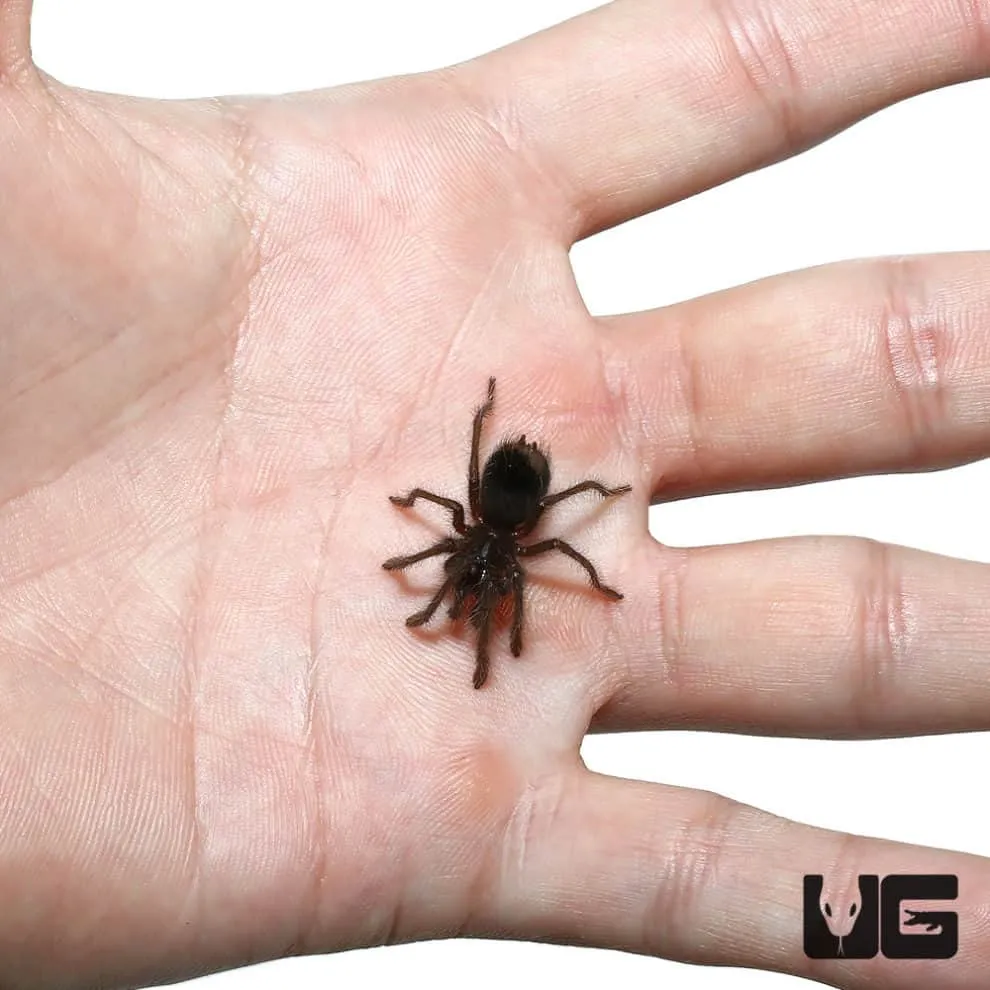
What is a Blue Tarantula
The Blue Tarantula is a captivating species, often sought after by arachnid enthusiasts. Its striking blue coloration, which varies in intensity depending on the species and the lighting, makes it a highly desirable pet. These tarantulas are native to specific regions, primarily in Southeast Asia, and have gained popularity due to their unique appearance and manageable size. It is essential to understand that despite their beauty, they are still wild animals and require careful handling and responsible care. The following facts will give you insights into this remarkable species.
Appearance and Characteristics
The most distinguishing feature of the Blue Tarantula is, of course, its vibrant blue coloration. This color is not a pigment, but rather a structural color, created by the way light interacts with the microscopic structures on the tarantula’s hairs and exoskeleton. The intensity of the blue can vary, with some individuals displaying a deep, electric blue, while others have a more subtle, iridescent hue. In addition to their color, these tarantulas have a typical tarantula body structure, consisting of two main body sections: the cephalothorax (fused head and thorax) and the abdomen. They possess eight legs and two pedipalps, which are used for sensing and manipulating their surroundings.
Habitat and Distribution
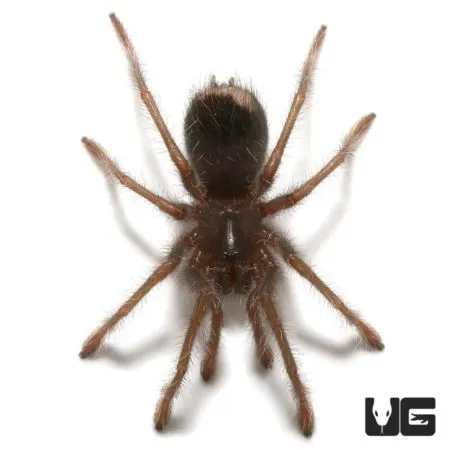
Blue Tarantulas are primarily found in the tropical rainforests of Southeast Asia, including countries like Thailand, Myanmar, and Malaysia. They are terrestrial spiders, meaning they live on the ground, often burrowing or creating silk retreats under leaf litter, logs, or in the soil. These spiders thrive in humid environments with moderate temperatures, mimicking the conditions of their natural habitats. The specific distribution of different Blue Tarantula species can vary, with some being more localized than others. Understanding their natural habitat is crucial for providing the appropriate environment in captivity.
Behavior and Temperament
Blue Tarantulas are generally considered to be skittish and defensive, though their temperament can vary between individuals and species. They are not typically aggressive, but they will readily defend themselves if they feel threatened. This may involve raising their front legs, flicking urticating hairs (tiny hairs that cause irritation), or biting. They are nocturnal creatures, being most active during the night when they hunt for prey. In captivity, they tend to hide during the day and come out to explore and feed at night. Careful observation of their behavior is essential to understanding their needs and ensuring their well-being.
Diet and Feeding Habits
Blue Tarantulas are carnivores, and their diet in the wild consists mainly of insects, such as crickets, cockroaches, and other invertebrates. In captivity, they can be fed a variety of commercially available insects, supplemented with occasional treats like small mealworms or even pinkie mice for larger specimens. The frequency of feeding depends on the age and size of the tarantula, with juveniles needing to be fed more often than adults. It is important to provide a varied diet and avoid overfeeding to maintain their health and prevent obesity. Always ensure that prey items are appropriately sized and free from pesticides.
How to Care for a Blue Tarantula

Caring for a Blue Tarantula requires providing a suitable environment that mimics its natural habitat and meets its specific needs. This includes proper housing, temperature and humidity control, feeding, and safety precautions. By following these guidelines, you can create a comfortable and healthy environment for your tarantula, allowing you to enjoy its beauty and observe its fascinating behavior.
Creating the Right Environment
Creating the right environment for a Blue Tarantula is essential for its health and well-being. They thrive in a habitat that closely resembles their natural environment. This includes providing a secure and appropriately sized enclosure, maintaining the correct temperature and humidity levels, and offering appropriate substrate and hiding places. The key is to create an environment that allows the tarantula to feel safe, secure, and able to carry out its natural behaviors.
Proper Housing Setup
The enclosure should be appropriately sized for the tarantula’s size, with juveniles needing smaller enclosures than adults. A glass or plastic terrarium with good ventilation is ideal. The enclosure should be escape-proof, with a secure lid. The substrate should be a mix of coconut fiber, peat moss, and a bit of sphagnum moss. Provide a hide, such as a cork bark, a piece of driftwood, or an artificial hide, to allow the tarantula to feel secure. Include a shallow water dish with fresh water.
Temperature and Humidity Control

Blue Tarantulas require a specific temperature and humidity range to thrive. The ideal temperature is generally between 75-85°F (24-29°C). A heat lamp or a heat mat can be used to maintain this temperature, but it’s crucial to avoid overheating the enclosure. Humidity levels should be maintained between 70-80%. This can be achieved by misting the enclosure with water a few times a week and ensuring the substrate is kept slightly moist but not waterlogged. Use a hygrometer to monitor humidity levels.
Feeding and Watering
Feeding your Blue Tarantula involves providing a varied diet of appropriately sized insects. Crickets, cockroaches, and mealworms are common choices. The frequency of feeding depends on the tarantula’s age and size. Juveniles should be fed every few days, while adults can be fed once or twice a week. Remove any uneaten prey after 24 hours to prevent stress and mold growth. Always provide a shallow water dish with fresh, clean water. The water should be changed regularly to prevent contamination.
Handling and Safety Precautions
While Blue Tarantulas are not typically aggressive, it is important to handle them with care and caution. Avoid handling them unless necessary, as it can stress the tarantula. If you must handle them, do so close to the ground or a soft surface to prevent injury if they fall. Be aware of their potential to bite and/or flick urticating hairs, which can cause irritation. Wash your hands thoroughly after handling and avoid touching your eyes or face. Always supervise children when they are near the tarantula enclosure.
Interesting Facts about Blue Tarantulas

The Blue Tarantula is a fascinating creature with many interesting aspects beyond its striking color. These spiders possess unique adaptations and behaviors that make them a captivating subject of study and observation. Learning these facts will enhance your appreciation for this remarkable species.
The Blue Coloration Explained
As previously mentioned, the blue color of these tarantulas is not due to pigments, but a structural coloration. This means the color is created by the way light interacts with the microscopic structures on their hairs and exoskeleton. These structures scatter and reflect light in a way that produces the blue hue. The intensity of the blue can be affected by factors such as lighting, age, and even the tarantula’s overall health. The phenomenon of structural coloration is a fascinating example of how nature utilizes physical structures to create vibrant colors.
Lifespan and Growth
The lifespan of a Blue Tarantula varies depending on the sex of the spider. Females generally live significantly longer than males. Females can live for up to 12 years or more in captivity, while males typically live for only 2-3 years. During their lives, tarantulas grow by molting, shedding their exoskeleton. This process allows them to grow larger and replace damaged limbs. The frequency of molting decreases as the tarantula ages.
Conservation Status

The conservation status of Blue Tarantulas varies depending on the specific species and the region they inhabit. Some species may be more threatened than others due to habitat loss, over-collection for the pet trade, and other environmental factors. It is important to be aware of the conservation status of the species you are interested in keeping and to source your tarantula from a reputable breeder who practices ethical breeding and conservation. Supporting responsible breeders helps to protect these amazing creatures in the wild.
Conclusion
The Blue Tarantula is a remarkable species that combines stunning beauty with fascinating behaviors. By understanding its needs and providing the appropriate care, you can enjoy the unique experience of keeping this captivating creature. Responsible ownership includes providing a suitable environment, proper feeding, and handling with care. Remember to prioritize the well-being of your Blue Tarantula, appreciating its beauty, and respecting its place in the natural world.