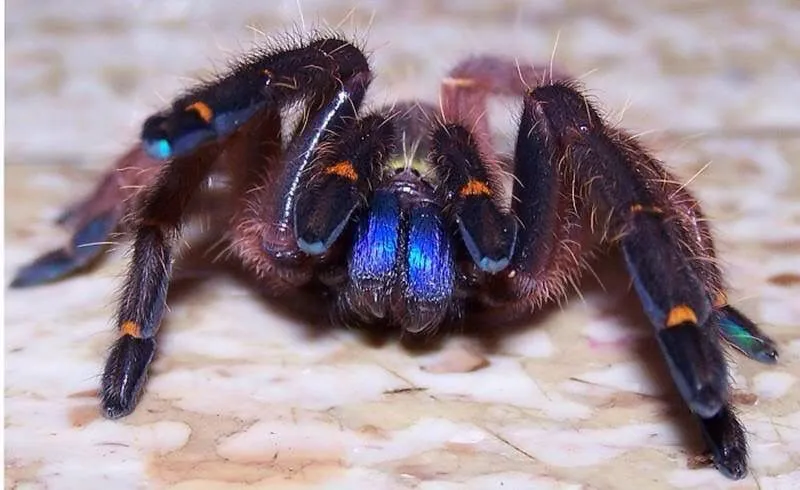
Understanding the Blue Fang Tarantula Sling
The Blue Fang Tarantula sling, a captivating creature in its juvenile stage, offers a unique opportunity for arachnid enthusiasts. These miniature versions of the larger Blue Fang Tarantula are delicate but rewarding pets. Proper care at this early stage is crucial for their survival and healthy development. This guide provides essential insights into the specific needs of Blue Fang Tarantula slings, ensuring that you can provide the best possible environment for them to thrive. Understanding their requirements is the first step towards successful tarantula keeping, paving the way for a rewarding journey into the world of these fascinating invertebrates. Their care is quite different compared to adult Blue Fangs, particularly in their susceptibility to environmental changes and the need for specialized feeding routines.
What is a Blue Fang Tarantula Sling?
A Blue Fang Tarantula sling is essentially a baby Blue Fang Tarantula. Slings are typically defined as the juvenile stage, from when they hatch or emerge from their egg sac until they reach a certain size or have molted several times. During this time, they are significantly smaller and more vulnerable than adult tarantulas. The term ‘sling’ refers to their tiny size and the need for specialized care. They are characterized by their small size, delicate exoskeletons, and a voracious appetite for small insects. These young tarantulas are often more colorful than their adult counterparts, displaying vibrant hues that may fade as they mature. Their care necessitates a careful balance of environmental factors, including humidity, temperature, and a diet tailored to their size and growth stage. Understanding the definition of a sling is the cornerstone to providing the correct care.
Why Choose a Blue Fang Tarantula Sling?

Choosing a Blue Fang Tarantula sling can be a rewarding experience for both novice and experienced tarantula keepers. One of the primary reasons to choose a sling is the opportunity to observe and participate in the entire lifecycle of the tarantula. Witnessing their growth, molting process, and development can be an incredibly fascinating and educational experience. Another advantage is the relatively lower cost compared to purchasing a fully grown adult. Slings are generally more affordable, making them an accessible entry point for aspiring tarantula keepers. Additionally, caring for a sling allows you to create a personalized environment from the very beginning, tailoring their enclosure and care routine to their specific needs. This hands-on approach fosters a deeper understanding of these unique creatures and strengthens the bond between the keeper and the pet. The ability to influence their development, from feeding to enclosure design, is a unique and rewarding aspect of keeping slings.
Essential Equipment for Your Sling
Setting up the right environment is crucial for the health and wellbeing of your Blue Fang Tarantula sling. Unlike adult tarantulas, slings are very susceptible to environmental changes. They require a carefully managed setup to ensure their survival. The appropriate enclosure size, substrate, and humidity levels are vital for their growth and molting process. Investing in high-quality equipment can prevent health issues and create a stress-free environment. Proper equipment also makes it easier to monitor and maintain optimal conditions, contributing significantly to the success of keeping a Blue Fang Tarantula sling. The correct equipment is the foundation of successful sling care.
Enclosure Size and Setup
The enclosure for a Blue Fang Tarantula sling should be appropriately sized to prevent stress and make it easier to find food. A small, clear plastic container with a secure lid is generally recommended. The size should be roughly five times the tarantula’s leg span; as the sling grows, so should the enclosure. Proper ventilation is crucial to prevent the buildup of excessive humidity, which can lead to mold and health issues. Small ventilation holes or a mesh top are usually sufficient. The enclosure should also include a few essential elements. A small water dish or bottle cap filled with fresh water provides a source of hydration. A hide, such as a piece of cork bark or a half-buried plastic plant pot, offers a safe retreat. The setup should be simple and uncluttered to minimize stress on the sling, yet enriching enough to promote normal behavior. Keep in mind that the enclosure’s environment should be easily monitored and maintained to make care a straightforward process.
Substrate Selection

The substrate forms the base of the enclosure and plays a vital role in maintaining humidity and providing a comfortable environment for your Blue Fang Tarantula sling. The ideal substrate for slings typically consists of a mix that retains moisture but also allows for proper air circulation. A good choice is a blend of coco fiber, peat moss, and a small amount of vermiculite. This mix helps to hold humidity without becoming waterlogged. The substrate layer should be deep enough to allow the sling to burrow and create a hide. It also provides a suitable surface for molting. Avoid substrates that are dusty or contain chemicals, as these can be harmful to the delicate sling. Regularly check the substrate for cleanliness and replace it when necessary to prevent the buildup of waste and mold. A clean, moisture-retaining substrate is a key component of a healthy environment.
Water and Humidity Management
Maintaining the correct humidity level is critical for the health of your Blue Fang Tarantula sling, particularly during the molting process. The ideal humidity range usually falls between 70% and 80%. This can be achieved by regularly misting the enclosure with dechlorinated water, usually every other day, being careful not to oversaturate the substrate. A hygrometer is essential to monitor humidity levels accurately. In addition to misting, ensure the enclosure has good ventilation to prevent mold growth. A small water dish, filled with fresh water, also helps maintain humidity. Regularly check the water source and replace it to prevent contamination. Consistent humidity management supports healthy molting and overall well-being. By consistently monitoring humidity, you can provide a safe and comfortable environment for your sling.
Top 5 Care Tips for Your Blue Fang Tarantula Sling
Caring for a Blue Fang Tarantula sling requires a combination of attention to detail and consistent practice. These top 5 tips summarize the essential care guidelines to ensure your sling thrives. From feeding and humidity management to providing a safe environment, these tips will guide you through the key aspects of sling care. Always be patient and observe your tarantula closely, because each individual will have its own unique needs. These tips will help ensure a long and fulfilling life for your Blue Fang Tarantula sling.
Feeding Your Sling

Feeding your Blue Fang Tarantula sling is a crucial aspect of its care. Slings require a diet of appropriately sized insects, such as flightless fruit flies or pinhead crickets. The insects should be no larger than the tarantula’s body size to prevent the sling from being overwhelmed. Feed the sling one to two times a week, and remove any uneaten food within 24 hours to prevent mold growth. Observe the sling’s abdomen for signs of fullness. A well-fed sling will have a plump abdomen. Offering a variety of insects can also ensure that the sling receives a balanced diet. Always ensure the insects are gut-loaded with nutritious food before offering them to the sling. This will improve the nutritional value of the prey. Regularly monitor the sling’s feeding behavior to ensure it is eating properly.
Maintaining Humidity and Temperature
Humidity and temperature are two crucial environmental factors that affect the well-being of your Blue Fang Tarantula sling. Maintaining the correct humidity levels, as discussed, is essential for healthy molting. Regular misting of the enclosure helps maintain the desired humidity range. Temperature also plays a significant role. A temperature between 75 and 80 degrees Fahrenheit (24-27 degrees Celsius) is generally ideal for slings. Avoid placing the enclosure in direct sunlight or near heat sources, as this can cause overheating. Use a thermometer to monitor the temperature. In colder environments, you may need to use a low-wattage heat source, such as a heat mat placed on the side of the enclosure. Maintaining the right temperature and humidity, in addition to providing a safe hide and the proper substrate, is fundamental to creating the ideal environment for your sling.
Providing Hiding Places
Blue Fang Tarantula slings are naturally shy creatures, and providing them with secure hiding places is essential for their well-being. A hide offers a sense of security and reduces stress. Suitable hiding options include a piece of cork bark, a half-buried plastic plant pot, or a commercially available tarantula hide. The hide should be small enough to provide a snug fit, but large enough for the sling to comfortably move around inside. Place the hide on top of the substrate and ensure it’s stable. Regularly check the hide for cleanliness, and replace it if it becomes soiled. The presence of a secure hide allows the sling to feel safe and retreat from the environment. This helps them to regulate their stress levels. A secure hiding place is important for the overall health of the sling.
Handling Considerations

Handling a Blue Fang Tarantula sling is generally not recommended due to their small size and fragility. Slings are delicate, and even a short drop can cause serious injury or death. Instead of handling, observe your sling through the enclosure walls. This will let you enjoy their behaviors while also keeping them safe. If you must move the sling, use a soft brush or gently coax it into a small container for transport. Always be patient and gentle when interacting with your sling. Remember, slings are more susceptible to environmental changes. Therefore, minimizing stress is key to their care. Handling should be avoided unless absolutely necessary for their safety or health. Always prioritize the well-being and safety of your Blue Fang Tarantula sling.
Recognizing and Addressing Problems
Keeping a close eye on your Blue Fang Tarantula sling allows you to identify and address potential health issues. Understanding the signs of illness or distress is key to providing prompt care. Early detection can often lead to successful intervention. Regularly monitor the sling’s behavior, feeding habits, and overall appearance. Any changes in these aspects can signal a problem. This section will address some common issues that may arise and how to resolve them.
Common Health Issues
Several health issues can affect Blue Fang Tarantula slings, and it’s important to be aware of them. Dehydration is a common issue, especially if humidity levels are not maintained. Signs of dehydration include a shrunken abdomen and lethargy. You should ensure a constant supply of water to combat dehydration. Another potential problem is mold, which can arise from high humidity and poor ventilation. Prevent this by monitoring the enclosure for mold growth and providing proper ventilation. Injury during molting is also a risk, as slings are most vulnerable during this process. Ensure the sling has a stable environment and plenty of moisture before molting. If you notice a problem, identify the cause and take appropriate action to prevent it from worsening. Quick recognition and action are often key to preventing serious health problems.
Dealing with Molting

Molting is a natural and essential process for tarantula slings, during which they shed their exoskeleton to grow. It is a vulnerable time for the sling, so it’s important to provide a safe and stable environment. Before molting, the sling may become inactive and may refuse food. It may also flip onto its back. Ensure the sling is undisturbed during this process, and avoid handling or agitating the enclosure. Maintain consistent humidity levels and avoid any sudden changes in temperature. The molting process can take several hours or even days. After molting, the sling will have a soft new exoskeleton and should be given time to harden. Do not feed the sling for a few days after molting to allow its fangs to harden. Observing the molting process from afar is both an exciting and crucial aspect of sling care. It shows how the animal is growing and developing.
Final Thoughts on Blue Fang Tarantula Slings
Caring for a Blue Fang Tarantula sling can be a rewarding experience, providing a fascinating insight into the life of these incredible creatures. From the initial setup to the careful feeding and maintenance, each aspect of their care contributes to their health. This care guide has provided detailed instructions and essential tips to set you on the path for success. Remember that patience, consistency, and observation are key. By providing the appropriate environment and attention to detail, you can increase the chances of your sling thriving and growing into a beautiful adult tarantula. Always continue learning and adapting to the needs of your Blue Fang Tarantula sling, and enjoy the journey of keeping these fascinating pets.