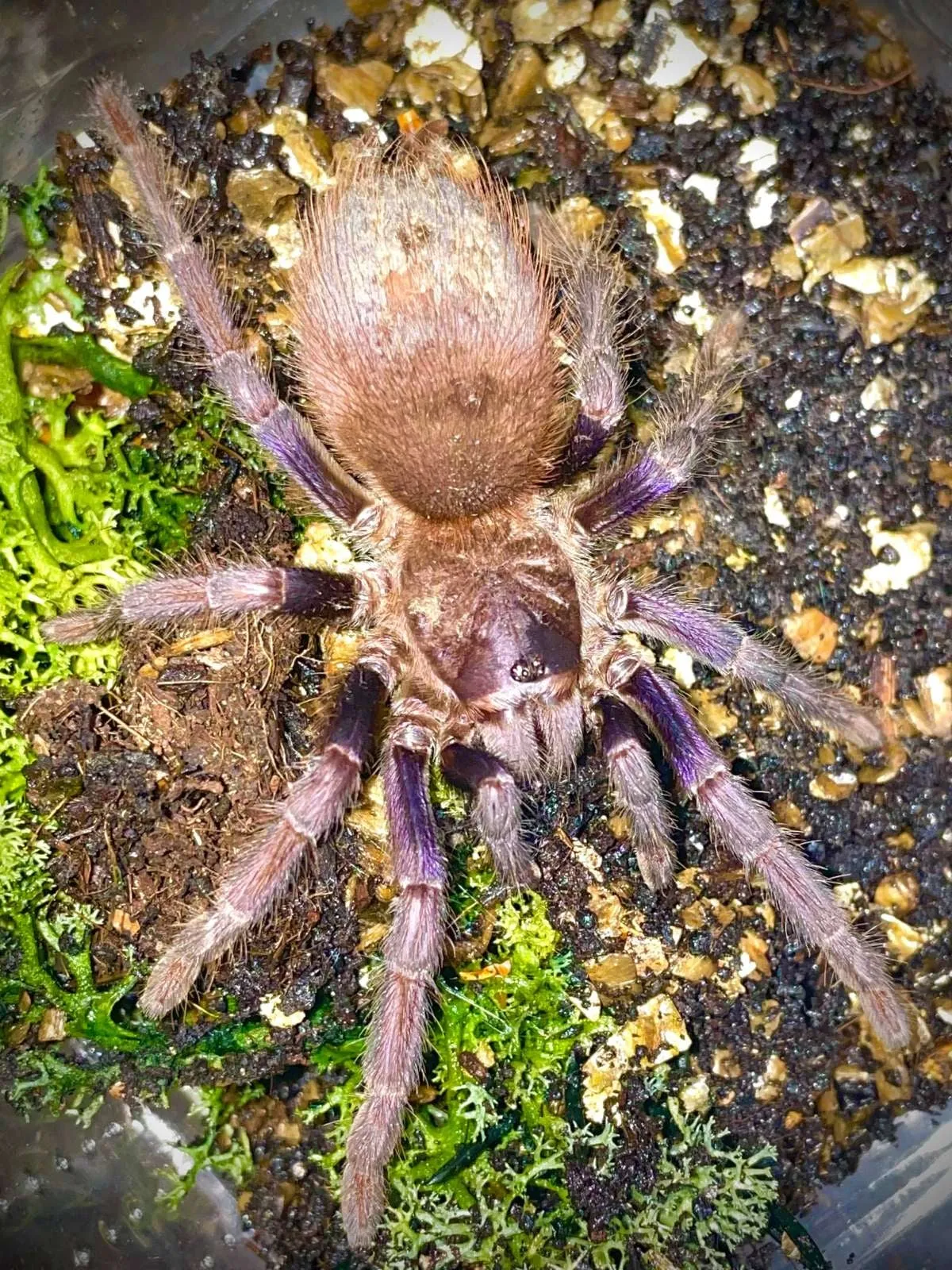
What is a Blue Brazilian Tarantula?
The Blue Brazilian Tarantula, scientifically known as Chromatopelma cyaneopubescens, is a stunning species of tarantula highly sought after by arachnid enthusiasts. Originating from the dry coastal regions of Venezuela, this spider is celebrated for its vibrant coloration and relatively docile temperament, making it a popular choice for both novice and experienced keepers. Their striking blue legs and a fiery orange abdomen create a visually captivating contrast, setting them apart from many other tarantula species. Understanding the key aspects of these fascinating creatures, from their appearance and habitat to their care requirements and conservation status, is crucial for anyone interested in owning or simply learning more about these remarkable animals.
Appearance and Characteristics
Coloration and Size

The Blue Brazilian Tarantula is renowned for its striking appearance. Adults typically exhibit a deep blue coloration on their legs and carapace, complemented by a vibrant orange abdomen. This striking contrast makes them one of the most visually appealing tarantulas. Size-wise, they are considered medium-sized tarantulas, with a leg span that can reach up to 6 inches (15 cm) when fully grown. The males and females can have different characteristics; for instance, males are generally smaller and have a shorter lifespan than females, which can live for over a decade in captivity.
Habitat and Distribution
Native Environment
In the wild, Blue Brazilian Tarantulas are native to the dry coastal regions of Venezuela. Their natural habitat is characterized by arid conditions, with scrubby vegetation and sparse trees. They are terrestrial tarantulas, meaning they live primarily on the ground, often creating burrows or utilizing existing shelters like crevices in rocks or under logs. Their ability to thrive in these relatively harsh environments showcases their adaptability and resilience as a species. The understanding of their native environment is key in replicating conditions for them in captivity.
Brazilian Rainforests

Contrary to the name, the Blue Brazilian Tarantula does not originate from the Brazilian rainforests; it comes from Venezuela. They thrive in a climate with well-defined wet and dry seasons. They are not typically found in the dense, humid environments of the rainforests, instead preferring drier climates. The misconception of their origin underscores the importance of accurate information when discussing and caring for these fascinating creatures. Their geographic distribution highlights the specific environmental factors that contribute to their survival and unique characteristics.
Behavior and Temperament
Handling and Interaction
Blue Brazilian Tarantulas are generally considered to be relatively docile tarantulas, which makes them a good option for people with some experience. However, it’s important to remember that all tarantulas are venomous, and handling them should be approached with caution. While their venom is not considered medically significant to humans, bites can still be painful. It’s generally recommended to avoid handling them unless absolutely necessary, such as for enclosure maintenance. If handling is required, doing so close to the ground, and with a soft surface underneath, can minimize the risk of injury should the tarantula fall.
Defensive Mechanisms

Like all tarantulas, Blue Brazilian Tarantulas possess defensive mechanisms to protect themselves from perceived threats. Their primary defense is their urticating hairs, which they can flick off their abdomen towards potential predators. These hairs cause irritation upon contact with skin and eyes. They may also exhibit a threat posture, raising their front legs and fangs in a warning display. They might also try to flee rather than fight. Understanding these defensive behaviors is key to safe interaction and responsible care.
Diet and Feeding
What They Eat
In their natural habitat and in captivity, Blue Brazilian Tarantulas are carnivores, primarily feeding on insects. Their diet consists of a variety of insects, including crickets, roaches, and mealworms. They are opportunistic hunters and will also consume other small invertebrates that they can overpower. Feeding them a diverse diet helps ensure they receive all the necessary nutrients for optimal health and growth. The size of the prey should be appropriate for the tarantula’s size, with juveniles requiring smaller insects and adults being able to handle larger prey.
Feeding Frequency

Feeding frequency depends on the tarantula’s age and size. Spiderlings and juveniles need to be fed more frequently, usually every other day or every two days, to support their rapid growth. As they mature, the feeding frequency can be reduced to once or twice a week. Adult tarantulas can often be fed once every one to two weeks. It’s important to monitor the tarantula’s abdomen; a well-fed tarantula will have a plump abdomen, while a skinny abdomen indicates it may need to be fed more often. Always remove any uneaten prey within 24 hours to maintain a clean enclosure.
Lifespan and Breeding
Lifespan in Captivity
The lifespan of a Blue Brazilian Tarantula varies depending on its sex. Females typically live much longer than males. Females can live for up to 12-15 years or even longer with proper care, while males typically only live for 2-3 years after reaching maturity. Proper care, including appropriate temperature, humidity, and diet, is crucial for maximizing their lifespan. The duration of their life is one of the factors to consider when deciding to keep them.
Breeding Habits

Breeding Blue Brazilian Tarantulas in captivity is possible, but it requires careful planning and environmental control. Breeding typically involves introducing a mature male to a mature female’s enclosure. If the female accepts the male, mating will occur. The female will then lay an egg sac containing hundreds of spiderlings. Raising spiderlings requires a separate setup, and careful management of environmental conditions and feeding. The process is a rewarding but challenging endeavor for experienced keepers.
Conservation Status
Threats to Survival
The Blue Brazilian Tarantula is not currently listed as a threatened species. However, like all tarantulas, they can be vulnerable to habitat loss due to deforestation and other environmental changes. The pet trade, while a common source of these spiders, can pose a risk if not managed sustainably. Understanding and addressing these threats is vital to the conservation of this beautiful tarantula and its environment.
Conservation Efforts

Conservation efforts are not specific to this species. However, responsible pet ownership practices contribute to the overall well-being of tarantula populations. This includes purchasing tarantulas from reputable breeders, providing proper care to ensure their survival, and supporting habitat conservation efforts. Awareness and education about tarantulas and their habitats are essential to long-term conservation efforts. These practices help maintain healthy populations in both wild and captive environments.