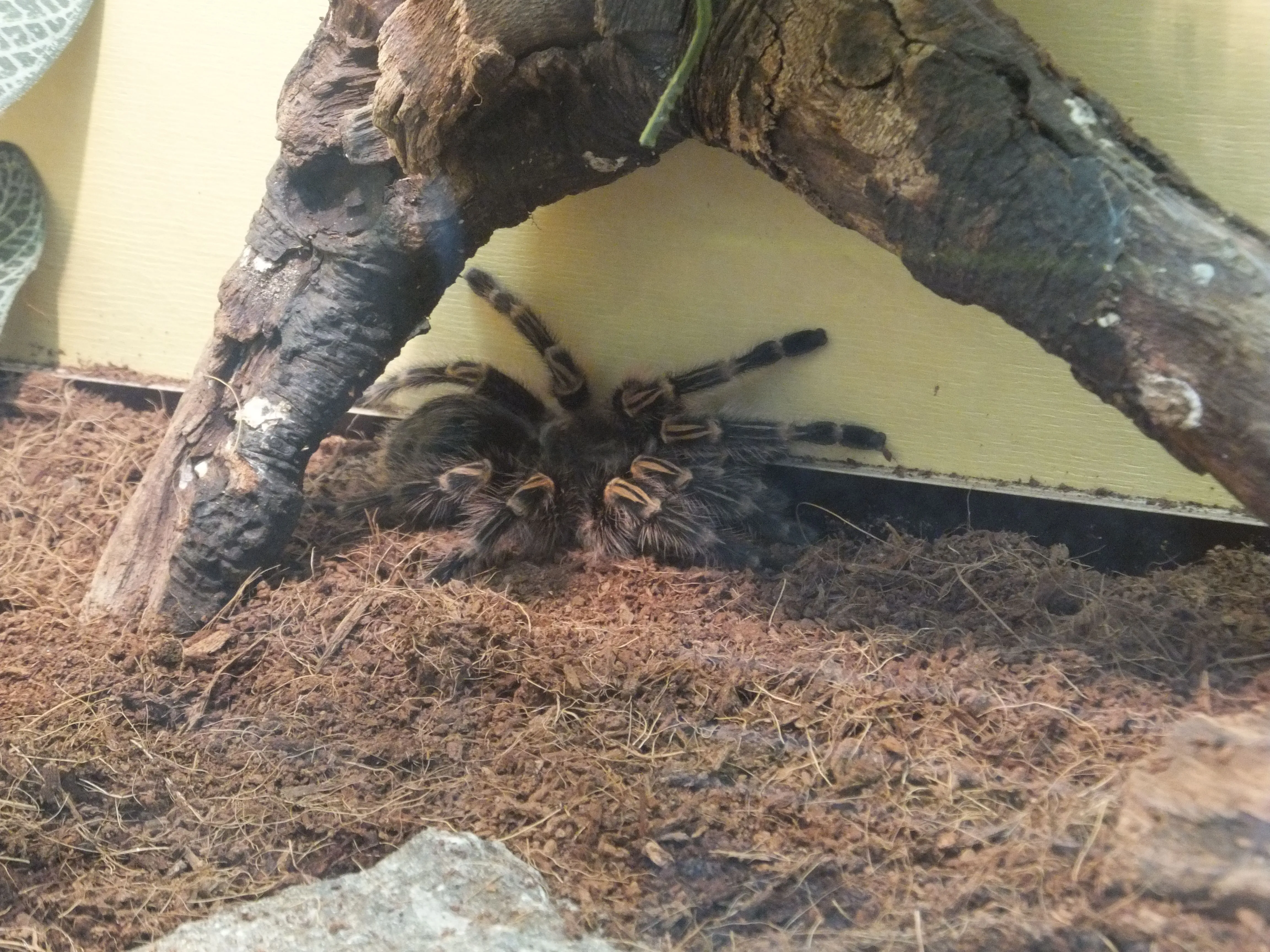
Tarantulas, with their captivating appearance and relatively low-maintenance needs, have become increasingly popular pets. Their unique personalities and fascinating behaviors offer a rewarding experience for arachnid enthusiasts. However, choosing the best tarantula as a pet requires careful consideration. This guide provides five essential facts to help you make an informed decision and ensure a happy, healthy life for your eight-legged companion. Remember to always research the specific needs of any species you are considering, as individual requirements can vary.
Fact 1 Choosing the Right Tarantula Species
The first step in becoming a successful tarantula owner is selecting the right species. Not all tarantulas are created equal when it comes to their suitability as pets. Some species are known for their docile temperament, making them ideal for beginners, while others can be more defensive or require specific environmental conditions. Researching the different species available is crucial. Consider factors such as size, temperament, venom potency, and care requirements before making a purchase. Consulting with experienced tarantula keepers or breeders can provide invaluable insights into which species best aligns with your experience level and lifestyle.
Considerations Before Getting a Tarantula
Before acquiring a tarantula, assess your ability to provide the appropriate environment and care. Tarantulas require specific temperature, humidity, and enclosure setups to thrive. Consider your living situation, available space, and commitment level. Tarantulas can live for many years, so you must be prepared for a long-term commitment. Also, consider that these creatures need specialized diets, which requires sourcing suitable food items regularly. Do you have the time and resources to dedicate to regular feeding, cleaning, and maintenance of their habitat?
Temperament and Handling

Understanding a tarantula’s temperament is paramount, especially if you plan to handle it. Some species are known to be more docile and less prone to biting or flicking urticating hairs (tiny, irritating hairs used for defense). Others can be quite defensive and may bite if provoked. Handling tarantulas is generally not recommended unless absolutely necessary, as it can be stressful for the spider and potentially lead to injury for both the tarantula and the handler. Always research the specific temperament of the species you are considering and prioritize the tarantula’s well-being.
Fact 2 Habitat Setup for Your Tarantula Pet
Creating a suitable habitat is fundamental to a tarantula’s health and happiness. The enclosure must provide a secure and comfortable environment that mimics the spider’s natural habitat. This includes appropriate temperature, humidity, substrate, and hiding places. The right setup not only ensures the tarantula’s physical well-being but also allows it to exhibit its natural behaviors. A well-designed enclosure can also be a beautiful addition to your home, offering a fascinating glimpse into the world of these incredible creatures. Ignoring environmental requirements leads to premature death, or poor overall health for your pet. This is another reason to be certain you can meet the needs of the animal.
Enclosure Size and Type
The size of the enclosure should be appropriate for the tarantula’s size. Generally, the enclosure should be at least two to three times the tarantula’s leg span in width. The height depends on the species; terrestrial species require more floor space, while arboreal species need more height for climbing. The enclosure type can vary from glass tanks to plastic containers, but it must be escape-proof, with a secure lid. Good ventilation is also crucial to prevent the build-up of moisture and mold. A properly sized and designed enclosure provides your tarantula with adequate space to move, hunt, and display natural behaviors.
Substrate and Decor

The substrate is the bedding material that covers the bottom of the enclosure and serves several crucial functions, including absorbing waste, providing a surface for the tarantula to grip, and helping to maintain humidity. Suitable substrate options include coconut fiber, peat moss, and a mix of these materials. Avoid using cedar or pine shavings, which can be toxic to tarantulas. The depth of the substrate should be sufficient for the tarantula to burrow, if it’s a burrowing species. Decorating the enclosure with elements like cork bark, artificial plants, and hides provides enrichment and mimics the tarantula’s natural environment, allowing it to feel safe and secure. Remember to clean and replace the substrate regularly to maintain hygiene.
Fact 3 Feeding Your Tarantula
Feeding your tarantula properly is essential for its health and growth. Tarantulas are carnivores and primarily eat insects. The type and size of the food you provide should match the size and age of your tarantula. Overfeeding can be just as harmful as underfeeding, so it is important to establish a regular feeding schedule and monitor your tarantula’s condition. Also, it is important to have access to a reliable supply of insects. Keeping a colony of feeder insects at home can be very convenient and help to guarantee you never run out of food for your tarantula.
Appropriate Food Choices
The most common and readily available food source for tarantulas is insects. Crickets, mealworms, and dubia roaches are popular choices. The size of the insect should be appropriate for the tarantula; generally, the prey should be no larger than the tarantula’s body. It’s important to gut-load the insects before feeding them to your tarantula by providing them with nutritious food, ensuring your tarantula receives essential vitamins and minerals. Avoid feeding wild-caught insects, as they may carry parasites or pesticides that could harm your tarantula. Also, provide a shallow dish of clean water for your tarantula to drink from.
Feeding Frequency and Amounts

The feeding frequency varies depending on the tarantula’s age, species, and metabolism. Younger tarantulas need to be fed more frequently, often two to three times a week, while adults can be fed once or twice a week. The amount of food should be appropriate for the tarantula’s size and appetite. It is important to remove any uneaten food within 24 hours to prevent the growth of mold and mites. Overfeeding can lead to obesity and potentially shorten the tarantula’s lifespan. Observe your tarantula’s behavior and adjust the feeding schedule accordingly. A healthy tarantula will have a rounded abdomen, but it shouldn’t appear excessively large or swollen.
Fact 4 Health and Common Issues
Tarantulas, like any pet, can be susceptible to health problems. Recognizing the signs of illness or injury is crucial for providing timely care. Maintaining a clean and properly maintained enclosure, providing a balanced diet, and controlling environmental factors such as temperature and humidity can help prevent many health issues. However, it is also important to understand the common health problems that can affect tarantulas and know when to seek veterinary assistance.
Identifying Common Health Problems
Some common health problems in tarantulas include mites, fungal infections, parasites, and injuries. Mites can infest the tarantula and its enclosure and are usually visible as tiny, moving specks. Fungal infections often result from poor ventilation or excessive humidity, while parasites are less common but still possible. Injuries can occur during molting or handling. Watch out for lethargy, loss of appetite, unusual behavior, or any physical abnormalities, such as discoloration, swelling, or lesions. Any signs of illness should be addressed promptly to prevent further complications. Proper substrate and enclosure cleaning will keep the tarantula in a much healthier environment.
Preventative Care and Veterinary Visits

Preventative care includes maintaining the proper environmental conditions, providing a balanced diet, and regular cleaning of the enclosure. Quarantine new tarantulas before introducing them to your collection to prevent the spread of disease. While specialized veterinary care for tarantulas can be challenging to find, it’s important to have a veterinarian in mind who has experience with exotic animals. A vet may be able to provide advice or help treat health issues. If your tarantula shows signs of illness, it is always best to consult with a veterinarian experienced in exotic animals as quickly as possible to ensure the best possible outcome. Prompt and professional attention can make a significant difference in your tarantula’s recovery.
Fact 5 Enjoying Your Tarantula Pet
Owning a tarantula can be a rewarding experience, offering a unique opportunity to observe and learn about these fascinating creatures. Their relatively low-maintenance nature makes them an appealing choice for people with busy lives, and their intriguing behaviors offer a window into the natural world. By understanding their needs and providing proper care, you can create a thriving and enriching environment for your tarantula, fostering a deep appreciation for these amazing arachnids. It is important to find joy in the responsibility.
Benefits of Tarantula Ownership
Tarantulas offer several benefits for pet owners. They are relatively quiet and do not require a lot of space, making them suitable pets for apartments or smaller homes. They are also low-odor and do not need to be walked or taken outside. Observing the behaviors of a tarantula, such as hunting, molting, and web-building, can be both educational and entertaining. Many people also find the care and maintenance of tarantulas to be a relaxing and therapeutic hobby. Caring for these unique pets gives people a sense of responsibility and a connection to nature.
Building a Bond with Your Tarantula

While tarantulas are not typically cuddly pets, it is possible to build a bond with them through consistent care and observation. Spend time observing your tarantula’s behavior, learn its individual quirks, and create a consistent routine. Although handling is often discouraged, some tarantulas may become more accustomed to your presence over time. This connection may strengthen with patience and understanding. Providing a stimulating and enriching environment can also encourage a more active and engaging relationship with your tarantula. By providing the right care, you can develop a deep appreciation for your tarantula and gain a unique perspective on these amazing creatures.
In conclusion, choosing the best tarantula as a pet is a significant decision requiring careful consideration of species, habitat, feeding, health, and the joys of ownership. By understanding these five key facts, you can make an informed decision, provide the appropriate care, and embark on a rewarding journey with your eight-legged companion. Remember, responsible pet ownership includes continuous learning and a commitment to the well-being of your tarantula, ensuring a happy and healthy life for your unique pet.