Choosing the Right Tarantula Enclosure
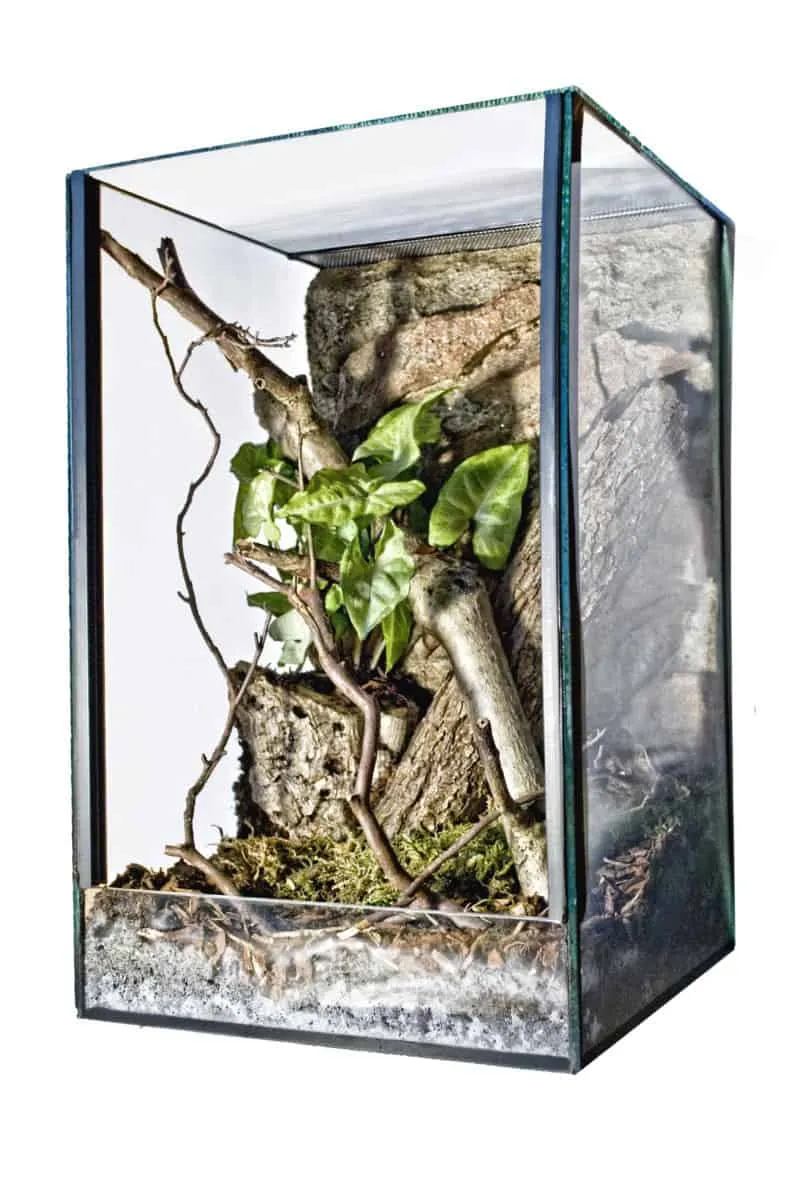
Selecting the ideal enclosure for your tarantula is crucial for its health, happiness, and overall well-being. A well-chosen enclosure provides a secure and comfortable environment, mimicking the tarantula’s natural habitat as closely as possible. This section will delve into the essential factors to consider when choosing a tarantula enclosure, ensuring you create a thriving habitat for your eight-legged friend. Proper enclosure selection is about more than just aesthetics it’s about providing the right conditions for your tarantula to thrive and exhibit its natural behaviors.
Enclosure Size Considerations
The size of the enclosure is one of the most important factors. The enclosure should be large enough to allow your tarantula to move around comfortably but not so large that it feels overwhelmed or has difficulty finding its prey. A general rule of thumb is to provide an enclosure that is at least twice the tarantula’s leg span in width and length, and at least one and a half times its leg span in height. For terrestrial species, focus on floor space; for arboreal species, height is more critical. Overly large enclosures can make it harder for juveniles to hunt and can stress them out. Always consider the adult size of the tarantula when selecting an enclosure for a juvenile, as you don’t want to have to upgrade too soon. Remember to plan for future growth when making your choice.
Tarantula Species and Enclosure Needs

Different tarantula species have varying enclosure needs. Terrestrial species, which live on the ground, generally require more floor space and a substrate suitable for burrowing. Arboreal species, which live in trees, need taller enclosures with branches or cork bark for climbing. Some species are more prone to webbing, and their enclosures should accommodate this. Research the specific requirements of your tarantula species before setting up its habitat. This includes understanding their natural habitat, preferred temperature, humidity levels, and the type of substrate they need. For example, desert species require less humidity and a drier substrate, while tropical species need higher humidity and a substrate that retains moisture.
Ventilation and Humidity Control
Proper ventilation is vital to prevent mold and maintain air quality in the enclosure. Enclosures should have adequate ventilation, often in the form of cross-ventilation, to allow for air exchange. Mesh tops are common, but ensure the mesh is fine enough to prevent escapes. Humidity control is equally important, and the level needed varies depending on the tarantula species. Use a hygrometer to monitor humidity levels accurately. To increase humidity, you can mist the enclosure, provide a water dish, and use moisture-retaining substrate. To reduce humidity, increase ventilation. Avoid stagnant conditions, as they can be harmful to your tarantula.
Substrate Selection for Tarantulas
The substrate serves as the tarantula’s flooring and plays a crucial role in humidity regulation and burrowing behavior. Common substrate options include coco fiber, peat moss, vermiculite, and a mixture of these. The best choice depends on your tarantula’s species. Terrestrial species often prefer a substrate that allows for burrowing, such as a mix of coco fiber and peat moss. Arboreal species may benefit from a substrate that helps maintain humidity, such as sphagnum moss. Avoid substrates that can be toxic if ingested, such as cedar or pine shavings. Always ensure the substrate is clean and free of any harmful chemicals. The depth of the substrate is also important, especially for burrowing species.
Top 5 Cities for Tarantula Enclosures
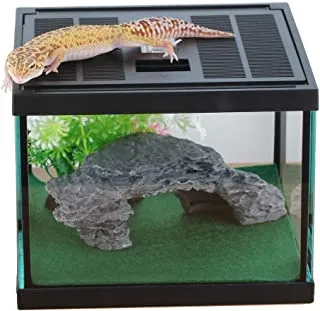
Finding the right tarantula enclosure can sometimes be a challenge, depending on your location. However, certain cities are known for having a better selection of pet stores and online retailers that specialize in exotic pets. Here’s a look at some of the top cities where you are most likely to find a diverse range of tarantula enclosures and related supplies.
City 1 Best Tarantula Enclosure Options
City 1 boasts a vibrant pet community with several specialty stores catering to exotic pets. These stores typically offer a wide variety of enclosures, from basic starter kits to custom-built habitats. Local breeders and experienced keepers are often a great resource for advice and recommendations. You will find everything here, from glass terrariums to acrylic enclosures and custom-built setups, which is essential for creating an ideal tarantula habitat. You can also find a diverse range of substrates, decorations, and other essential supplies. Exploring local pet expos and reptile shows can also be a great way to find unique enclosure options and connect with experienced keepers.
City 2 Shopping for Tarantula Enclosures
City 2 offers a robust online presence for tarantula enclosure shopping. Many online retailers specializing in reptile and exotic pet supplies have distribution centers or warehouses in this city, making it easy to find a wide range of enclosures at competitive prices. Local pet stores also tend to carry a good selection due to the high demand in the area. The availability of various enclosure materials like glass, acrylic, and even custom-built enclosures sets this city apart. Furthermore, local reptile shows and swap meets often provide opportunities to find unique and specialized enclosure options. The city’s pet community is active, ensuring a steady supply of new products and innovative enclosure designs.
City 3 Enclosure Suppliers and Stores
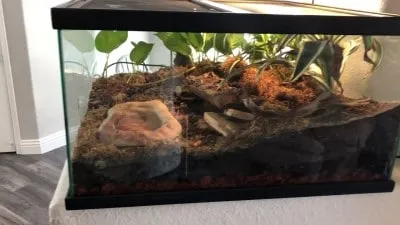
City 3 is a hub for both brick-and-mortar pet stores and online suppliers. You can find a diverse selection of tarantula enclosures, ranging from basic starter kits to more sophisticated setups. Specialty stores often offer expert advice on enclosure types, sizes, and the best materials for various tarantula species. They often provide a hands-on experience where you can compare different enclosures and get personalized recommendations. Online retailers also play a significant role, offering a wide variety of enclosure options, competitive pricing, and convenient shipping options. Many of these online suppliers are based in or near the city, ensuring fast and reliable delivery. This mix makes City 3 a prime location for tarantula keepers.
City 4 Online Tarantula Enclosure Retailers
City 4 has a strong online retail presence, making it easy to find and purchase tarantula enclosures from the comfort of your home. Numerous online stores specialize in reptile and exotic pet supplies and often have a vast selection of enclosure options. These retailers typically offer detailed product descriptions, customer reviews, and comparison tools to help you choose the best enclosure for your needs. Many online retailers provide fast shipping and excellent customer service, making the shopping experience convenient and efficient. Exploring online marketplaces and comparing prices across different retailers ensures you get the best deal and the right enclosure for your tarantula. The convenience of online shopping, combined with a wide selection, makes City 4 a top choice for tarantula keepers.
City 5 Finding the Right Enclosure
City 5 is a vibrant location with a thriving reptile community, providing ample opportunities to find the ideal tarantula enclosure. Local pet stores often carry a diverse range of enclosures, from basic starter kits to specialized habitats. Many stores have knowledgeable staff who can provide valuable guidance on enclosure selection, setup, and maintenance. Reptile expos and local pet shows are also a great place to find enclosure options and connect with local breeders and experts. This offers a unique chance to see different enclosure setups in person and get tailored advice. Local breeders also frequently offer custom enclosure solutions. The city’s community-focused environment fosters an environment where tarantula keepers can find and create the perfect habitat for their pets.
Maintaining Your Tarantula Enclosure

Once you’ve chosen the perfect enclosure, maintaining it is key to ensuring your tarantula’s health and happiness. Regular cleaning, proper humidity control, and a well-maintained environment are crucial for your tarantula to thrive. It’s essential to develop a maintenance schedule that suits your tarantula’s species and the specific requirements of its enclosure setup.
Cleaning and Maintenance Tips
Regular cleaning is essential to prevent the build-up of waste and maintain a healthy environment. Spot-clean the enclosure weekly, removing any uneaten food, molted exoskeletons, and waste. Replace the substrate periodically, depending on the type and your tarantula’s species. Thoroughly clean and disinfect the enclosure when needed, typically every few months. Avoid using harsh chemicals; opt for reptile-safe cleaners. Also, ensure that you have the right tools for easy cleaning, like tongs for removing debris and a small scoop. A clean enclosure is a happy and healthy enclosure.
Ensuring Optimal Living Conditions
Besides cleaning, other factors ensure your tarantula’s optimal living conditions. Monitor temperature and humidity levels regularly using a thermometer and hygrometer. Adjust the environment as needed to maintain the ideal range for your tarantula’s species. Provide fresh water in a shallow dish, and ensure the water is always available. Offer a varied diet appropriate for your tarantula’s size and species. Keep the enclosure away from direct sunlight and drafts. By diligently monitoring and maintaining your tarantula’s enclosure, you provide a secure and thriving habitat, allowing your pet to live a long and happy life.