What Makes a Great Tarantula Enclosure?
Creating the best tarantula enclosures is crucial for the well-being of your eight-legged friend. A well-designed enclosure provides a safe, secure, and enriching environment that mimics their natural habitat. Factors such as size, ventilation, substrate, humidity, and decor all play a vital role in ensuring your tarantula thrives. Understanding these elements will help you create the perfect home for your pet tarantula, promoting its health and longevity. Before you even consider the specific type of enclosure, it’s essential to understand the basic needs of a tarantula. These creatures are sensitive to environmental changes and require specific conditions to survive and flourish. A good enclosure isn’t just a cage; it’s a carefully constructed ecosystem.
Size Matters Choosing the Right Enclosure
Choosing the right size enclosure is paramount for your tarantula’s comfort and well-being. A space that’s too small can restrict movement and lead to stress, while an enclosure that’s excessively large can make it difficult for the tarantula to find food and feel secure. The general rule of thumb is to provide a space that is at least twice the tarantula’s leg span in width and length, and the height should be sufficient to prevent falls, especially for arboreal species. Consider the adult size of the species you are keeping; a young tarantula will need to be moved to a larger enclosure as it grows. It’s always better to err on the side of slightly too large than too small, as it provides ample space for the tarantula to move and explore, encouraging natural behaviors.
Enclosure Size for Specific Tarantula Species

Different tarantula species have different requirements, and this extends to enclosure size. Terrestrial tarantulas, which spend most of their time on the ground, require a wider enclosure, while arboreal species, which are adapted to living in trees, need a taller one. Burrowing tarantulas will require a deeper substrate for digging and a slightly different enclosure altogether. Research the specific needs of your tarantula species to ensure you provide the appropriate environment. This includes not only the dimensions of the enclosure but also the type of substrate, the amount of clutter, and the provision of hides. Correct sizing contributes significantly to the psychological well-being of the tarantula and ensures that it can thrive in its new home.
Terrestrial Tarantulas
Terrestrial tarantulas, such as the Chilean rose hair or the Mexican red knee, generally need more floor space than height. A good enclosure for an adult terrestrial tarantula should be at least 10 to 20 gallons, or even larger depending on the size of the individual. The key is to provide ample surface area for them to move around and explore. They will also appreciate a deep layer of substrate for burrowing, which adds to their sense of security. Ensure the enclosure is escape-proof, with a secure lid and ventilation that doesn’t compromise humidity. Substrate depth should be at least equal to the tarantula’s leg span.
Arboreal Tarantulas
Arboreal tarantulas, such as the Pinktoe or the Greenbottle Blue, thrive in taller enclosures. They need space to climb and often create webs high up in their environment. The enclosure should be tall enough to allow them to move freely without feeling cramped. Vertical height is crucial, and the width should still accommodate their leg span. Include branches, cork bark, or other climbing structures. These tarantulas are often more active and visually appealing, so the enclosure should be designed to showcase their natural behaviors, such as web-building and climbing.
Burrowing Tarantulas

Burrowing tarantulas, like the Brazilian black, have unique needs. Their primary activity involves digging and creating elaborate underground burrows. The best tarantula enclosures for these spiders should be deep, with a substrate depth that’s at least twice their leg span, ideally more. A well-packed substrate is essential, and the enclosure should be designed to retain moisture and support their burrowing behavior. Consider using a mix of substrate materials like peat moss, coco fiber, and vermiculite to provide both structural integrity and moisture retention.
Essential Enclosure Features
Beyond size, several essential features contribute to a successful tarantula enclosure. These include proper ventilation, substrate, humidity control, and heating/lighting. Each element must be carefully managed to create an environment that supports the tarantula’s health. Failure to consider these aspects can lead to stress, molting problems, and even premature death. Therefore, understanding and implementing these features is a critical part of responsible tarantula ownership. They work together to maintain the specific microclimate that tarantulas require.
Ventilation
Ventilation is crucial for preventing mold, mildew, and stagnant air within the enclosure. It’s a balancing act between airflow and humidity retention. A good enclosure should have adequate ventilation without drying out the habitat excessively. This can be achieved through a combination of cross-ventilation, often achieved through vents on opposite sides of the enclosure, and ensuring that the lid is secure but not airtight. Poor ventilation can lead to respiratory issues and bacterial growth, posing serious threats to your tarantula’s health. Monitor the enclosure regularly to ensure there is no condensation build-up, which is a sign of insufficient ventilation.
Substrate Selection

The substrate is the material that covers the bottom of the enclosure and serves multiple purposes: it provides a surface for the tarantula to walk on, allows it to burrow, helps maintain humidity, and absorbs waste. The best substrates are those that hold moisture without becoming waterlogged, are non-toxic, and are suitable for the tarantula’s species. Commonly used options include coco fiber, peat moss, vermiculite, and a mix of these materials. Avoid substrates with sharp edges or anything that could harm your tarantula. Consider the natural habitat of your tarantula when choosing a substrate. Some species require a drier substrate, while others need a higher humidity level, so select accordingly.
Humidity Control
Humidity is a critical factor in tarantula care, particularly during molting. The correct humidity level varies depending on the species, but most tarantulas require a specific range to molt successfully. The enclosure should be misted regularly with dechlorinated water to maintain appropriate humidity levels. Use a hygrometer to monitor the humidity. Ensure good air circulation to prevent the growth of mold. Adjust the misting schedule according to the species’ needs and the enclosure’s ventilation. Maintaining proper humidity helps the tarantula shed its exoskeleton correctly and stay healthy. Insufficient humidity often leads to molting problems and other health issues.
Heating and Lighting Considerations
Tarantulas are ectothermic, meaning they rely on external heat sources to regulate their body temperature. While they do not require specialized lighting, maintaining a consistent temperature is essential. Avoid direct sunlight, as this can overheat the enclosure. A heat mat placed on the side or back of the enclosure can provide gentle, consistent warmth. Ensure the heat mat is connected to a thermostat to prevent overheating. For most species, a temperature gradient within the enclosure is beneficial, allowing the tarantula to choose its preferred temperature. Provide a day/night cycle with ambient room lighting or a low-wattage bulb. Avoid using colored bulbs as it can impact their behavior.
Best Enclosure Materials
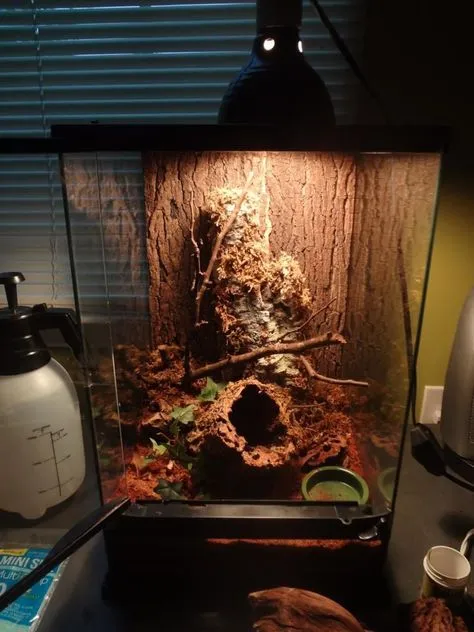
The material of the enclosure significantly impacts its suitability for housing tarantulas. The choice depends on factors like durability, visibility, ease of maintenance, and cost. There are several popular options available, each with pros and cons. The best material will provide a safe, secure, and visually appealing environment for your tarantula, offering clear visibility and easy access for care.
Glass Enclosures
Glass enclosures are a popular choice for several reasons: They provide excellent visibility, allowing you to observe your tarantula easily. They are also relatively easy to clean and maintain. Glass retains heat well and can be aesthetically pleasing. However, glass enclosures can be heavy and fragile. They may require extra care to secure properly. Make sure the ventilation is adequate since glass enclosures often have limited airflow. They also tend to be more expensive. Be careful when handling to avoid breakage and potential harm to the tarantula or yourself. Overall, the advantages often outweigh the disadvantages for many tarantula keepers.
Acrylic Enclosures
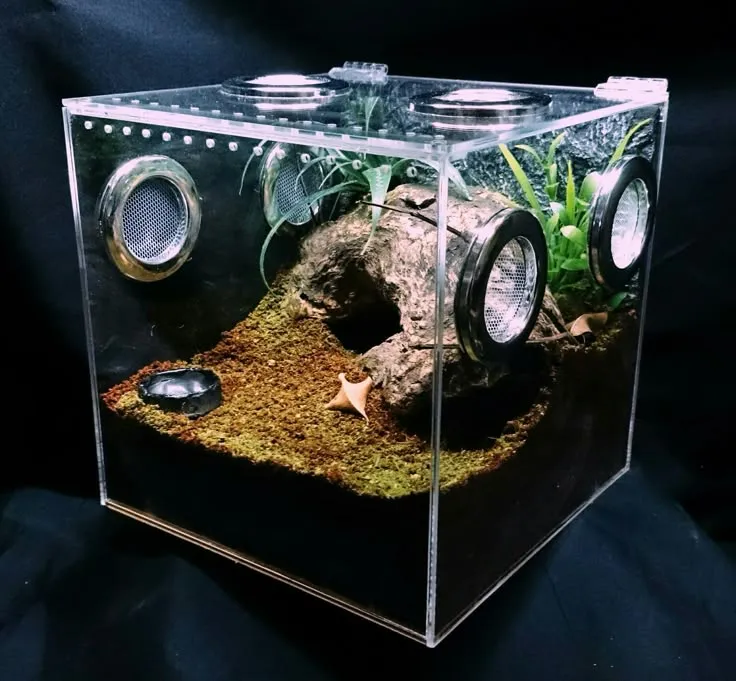
Acrylic enclosures are another excellent option. They are lighter and more durable than glass, reducing the risk of breakage. Acrylic offers excellent clarity, similar to glass, and provides great visibility. They often come in various sizes and shapes. They are easier to drill, allowing for custom ventilation and decor options. Acrylic can scratch more easily than glass, so be cautious when cleaning. They can be more expensive than glass. Despite the higher price point, their durability and ease of handling make them a great choice for beginners and experienced keepers alike. Always use appropriate cleaning agents to avoid damaging the surface.
Plastic Enclosures

Plastic enclosures, such as those made from modified clear plastic, are generally the most budget-friendly option. They are lightweight, durable, and come in a wide variety of sizes. They can be easily modified for ventilation and decor. Some plastic enclosures may not offer the same clarity as glass or acrylic. They may also be less aesthetically pleasing. Look for enclosures made from high-quality, non-toxic plastics, as some cheaper options can leach chemicals. Plastic is a practical and often cost-effective choice for tarantula housing, especially for juveniles or for keepers on a budget. They offer a good balance of functionality and affordability.
Decorating Your Tarantula Enclosure
Decorating a tarantula enclosure is about more than just aesthetics; it’s about creating a stimulating and enriching environment. Providing hides, climbing structures, and other elements that mimic the tarantula’s natural habitat can greatly enhance its well-being. Careful planning and the use of appropriate materials are key. Decor also helps to break up the open space of the enclosure, providing the tarantula with a sense of security. The decor should also be easy to clean and maintain to prevent the build-up of bacteria.
Hides and Retreats
Hides are essential for all tarantulas. They provide a sense of security and allow the tarantula to retreat when feeling threatened or during molting. Appropriate hides include cork bark, half logs, or commercially available hide structures. The hide should be appropriately sized, allowing the tarantula to comfortably fit inside. Ensure the hide is stable and doesn’t pose a risk of falling on the tarantula. Place the hide in a location where the tarantula can easily access it. This helps the tarantula feel less stressed and more at home, encouraging natural behaviors.
Water Dishes and Feeding

A shallow water dish is essential to provide your tarantula with a constant source of fresh water. The dish should be shallow enough that the tarantula can easily access it but deep enough to provide sufficient water. Use a non-toxic material, such as plastic or ceramic. For arboreal species, consider placing the water dish higher up in the enclosure. The water should be changed regularly, at least once a week, to prevent bacterial growth. When feeding your tarantula, offer appropriately sized insects or prey items. Remove uneaten food promptly to prevent mold and maintain a clean enclosure environment.
Live Plants vs Artificial Decor
The choice between live plants and artificial decor depends on your preference and the specific needs of your tarantula. Live plants can help maintain humidity and provide natural enrichment but require more maintenance and may need special lighting. They add a natural touch and can enhance the visual appeal of the enclosure. Artificial decor, such as silk plants, is easier to maintain, doesn’t require special lighting or care, and is often safer. They are easier to clean and offer a low-maintenance alternative. When choosing artificial decor, ensure the materials are non-toxic and safe for the tarantula. Choose decor that does not have sharp edges or small parts to minimize hazards.
Maintaining Your Tarantula Enclosure
Regular maintenance is essential for the health and well-being of your tarantula. This involves cleaning the enclosure, monitoring environmental conditions, and making any necessary adjustments. Proper maintenance helps to prevent disease and ensures that the tarantula’s living space remains clean, safe, and comfortable. Establishing a routine is essential, ensuring that all aspects of the enclosure are in top condition and that the tarantula thrives.
Cleaning and Waste Removal
Regular cleaning is vital to maintain a healthy environment. Spot-clean the enclosure regularly, removing any uneaten food, molted exoskeletons, and waste. Perform a complete substrate change every few months, or more frequently if needed. Use a safe, non-toxic cleaner to wipe down the enclosure walls and decor. Ensure that the enclosure is completely dry before reintroducing your tarantula. Proper cleaning reduces the risk of bacterial and fungal infections. The frequency of cleaning will vary based on the species and the size of the enclosure.
Monitoring Humidity and Temperature
Regularly monitor the humidity and temperature levels within the enclosure using a hygrometer and a thermometer. Adjust the misting schedule and the heat source as needed to maintain the correct environmental conditions for your tarantula. Keep a log of the readings to track trends and identify any potential issues. Check the temperature at various points in the enclosure to ensure a gradient. Accurate monitoring helps in preventing both overheating and excessive dryness, ensuring that your tarantula remains healthy and happy.
Common Enclosure Mistakes to Avoid
Avoiding common mistakes is crucial for successful tarantula keeping. Understanding the potential pitfalls can help you provide the best possible environment for your pet. Many problems that keepers encounter can be traced back to preventable errors. By learning from these mistakes, you can significantly improve your tarantula’s quality of life and minimize health risks. Paying close attention to detail and consistently monitoring the enclosure is vital for ensuring that these common problems do not affect your tarantula.
Choosing the Wrong Size
One of the most common mistakes is selecting an enclosure that’s either too small or too large for the tarantula. An enclosure that is too small can cause stress and hinder movement, while an enclosure that is too large can make it difficult for the tarantula to find food and feel secure. Always research the adult size of your tarantula species and select an enclosure that provides enough space. The enclosure should be appropriately sized for the species. Always remember that a young tarantula will outgrow its enclosure. Regular monitoring of the tarantula’s growth will prevent potential issues caused by enclosure size.
Poor Ventilation
Insufficient ventilation can lead to a build-up of humidity, encouraging mold and bacterial growth. Ensure that the enclosure has adequate airflow through vents. Poor ventilation can lead to respiratory problems and other health issues. Always check for signs of condensation on the enclosure walls. Regular inspection and proper enclosure design are necessary. Proper ventilation is often a balancing act between achieving adequate airflow and maintaining the correct humidity levels for the species.
Inadequate Humidity
Maintaining the correct humidity level is vital for healthy molting. Low humidity can lead to molting problems, such as the tarantula getting stuck in its old exoskeleton, which can be fatal. Use a hygrometer to monitor humidity levels and mist the enclosure regularly as needed. The frequency of misting will vary based on the species. Insufficient humidity is a common problem, especially in drier climates. Providing the correct humidity is essential for the tarantula’s ability to shed its exoskeleton.
Conclusion
Creating the best tarantula enclosures is an ongoing learning process. By understanding the basic needs of your tarantula, paying close attention to detail, and providing the right environment, you can ensure that your pet thrives. From the size of the enclosure to the substrate, humidity, and decor, every element contributes to the tarantula’s well-being. Remember that each species has its own specific requirements, so research is essential. With the right knowledge and care, you can enjoy the unique beauty and fascinating behaviors of these amazing creatures for many years to come. Happy tarantula keeping!