Why Choose a Tarantula as a Pet?
Tarantulas have surged in popularity as pets, captivating enthusiasts with their unique appearance and relatively low-maintenance care. Unlike many other pets, tarantulas offer a fascinating glimpse into a world of invertebrates, providing a distinct and engaging experience for owners. Their quiet nature and self-sufficiency make them ideal companions for individuals with busy lifestyles or those seeking a pet that doesn’t demand constant attention. Furthermore, the diverse range of species available presents an opportunity to learn about different ecosystems and the remarkable adaptations of these arachnids. Owning a tarantula can be a rewarding and educational journey, fostering a deeper appreciation for the natural world.
The Appeal of Tarantulas
The allure of tarantulas lies in their exotic beauty and intriguing behaviors. Their impressive size, coupled with their intricate patterns and vibrant colors, makes them visually captivating creatures. Many people find the process of observing tarantulas during feeding, molting, and general activity to be immensely fascinating. Moreover, tarantulas are relatively clean and odorless pets, a significant advantage for those sensitive to pet-related smells. The opportunity to own a creature that is so different from conventional pets adds an element of novelty and excitement to pet ownership. Finally, the growing community of tarantula enthusiasts offers a supportive environment for sharing knowledge and experiences, making the hobby even more enjoyable.
What to Consider Before Getting a Tarantula

Before bringing a tarantula into your home, it’s crucial to understand the commitment involved. Tarantulas, while low-maintenance in some respects, require specific care to thrive. Researching the particular species you are interested in is vital, as different tarantulas have varying needs. This includes their temperament, habitat requirements, and dietary preferences. Consider the lifespan of the tarantula, which can range from several years to over two decades, and ensure you are prepared to provide long-term care. Furthermore, consider the potential for allergies and the safety of other household members, especially small children. Finally, ensure you have a secure and appropriate enclosure to prevent escapes and provide a safe environment for both the tarantula and your family.
Temperament and Handling
Tarantula temperaments vary widely. While some species are docile and tolerant of handling, others are skittish or defensive. Beginner tarantulas are generally known for their calmer dispositions. It’s essential to research the specific species’ temperament before acquiring it. Handling tarantulas is generally discouraged, as it can stress the spider and potentially lead to bites. Tarantula bites, while not usually life-threatening, can be painful and cause local reactions. If you choose to handle your tarantula, do so cautiously and gently, and never force the spider to interact with you. Always wash your hands thoroughly after handling or interacting with your tarantula or its enclosure. Observe your tarantula’s behavior, as certain behaviors are an indication of stress.
Habitat Requirements
Creating a suitable habitat is crucial for a tarantula’s well-being. The enclosure should be appropriately sized for the species, allowing ample space for movement and burrowing. A secure lid is essential to prevent escapes. Substrate, such as coconut fiber or peat moss, should be provided to maintain humidity and allow for burrowing. The specific humidity and temperature needs vary depending on the species. A water dish should always be available, and the enclosure should be kept clean and free of uneaten food. The enclosure should also include a hide, such as a piece of cork bark or a small cave, to provide a sense of security for the tarantula. Monitoring and maintaining these environmental parameters is fundamental to your tarantula’s health and happiness.
Feeding and Care

Tarantulas are primarily insectivores, meaning they feed on insects. The size and frequency of feeding depend on the tarantula’s size and age. Crickets, mealworms, and roaches are common food sources, and they should be dusted with a calcium supplement to provide essential nutrients. Remove uneaten food within 24 hours to prevent mold and mites. Fresh water should always be available in a shallow dish. Regular monitoring of the enclosure is important to maintain proper humidity and temperature levels. Molting is a natural process in which the tarantula sheds its exoskeleton. During this time, it’s crucial not to disturb the tarantula and to avoid feeding it. After molting, the tarantula will be vulnerable and may be hesitant to eat for a few days.
Top 5 Beginner-Friendly Tarantulas
Choosing the right tarantula as a beginner is important. Here are some of the most popular and suitable tarantula species for those new to the hobby:
The Chilean Rose Hair Tarantula
The Chilean Rose Hair (Grammostola rosea) is one of the most popular beginner tarantulas due to its docile temperament and relatively simple care requirements. They are known for their beautiful rose-colored hairs and are generally slow-moving and easy to handle.
Appearance and Temperament

Chilean Rose Hairs are typically brown with pinkish hairs on their carapace and legs. They are known for their gentle nature and are not prone to biting. They tend to be calmer and less defensive compared to other tarantula species, making them a good choice for beginner. They move relatively slowly.
Habitat and Care
These tarantulas thrive in a terrestrial setup with a substrate of coconut fiber or peat moss. The enclosure should be kept at room temperature, and humidity levels should be maintained around 60-70%. A water dish should always be available. Feeding can consist of crickets or roaches, and feeding frequency should be adjusted based on the tarantula’s size and appetite. They don’t require a very large enclosure.
The Curly Hair Tarantula
The Curly Hair tarantula (Tliltocatl albopilosus) is another excellent choice for beginners, appreciated for its unique appearance and manageable care requirements. These tarantulas are characterized by their distinctive curly hairs and generally docile nature.
Appearance and Temperament

The Curly Hair tarantula features a dark body covered in long, curly hairs. Their temperament is generally calm and docile, which contributes to their popularity among beginner tarantula keepers. They are less likely to be defensive or bite compared to more aggressive species, and their slower movements make them easier to observe and handle.
Habitat and Care
A simple terrestrial setup with coconut fiber or peat moss substrate is ideal. Maintaining a moderate humidity level is essential. A water dish is a must. Provide a hide, such as a piece of cork bark, to help the tarantula feel secure. Feeding consists of appropriately sized insects, like crickets or roaches, once or twice a week, depending on the tarantula’s size and appetite. Their enclosure doesn’t require much space, making it a great option for smaller homes or apartments.
The Mexican Red Knee Tarantula
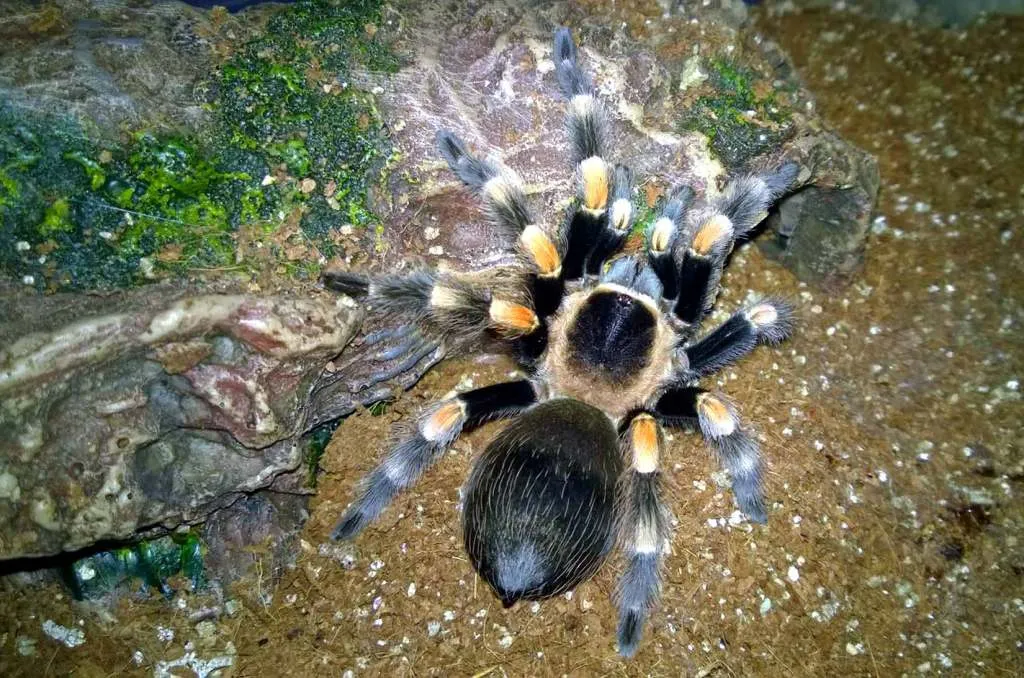
The Mexican Red Knee (Brachypelma hamorii) is a classic choice, known for its striking appearance and relatively docile temperament. This tarantula’s vibrant colors and engaging behavior have made it a beloved pet for many years.
Appearance and Temperament

This tarantula is easily recognized by its black body and distinctive orange or red markings on its leg joints, giving it the “red knee” name. They are generally calm and slow-moving, although they can flick urticating hairs (irritating hairs) as a defense mechanism. Handle them with caution.
Habitat and Care
The Mexican Red Knee requires a terrestrial setup with a substrate of coconut fiber or peat moss. Maintaining a moderate humidity level is important, along with a water dish. Provide a hide, such as cork bark, to provide security. Feed them a diet of crickets, roaches, or mealworms a few times a week, adjusting the amount based on the spider’s size. The enclosure needs a secure lid to prevent escapes.
The Pinktoe Tarantula
The Pinktoe tarantula (Avicularia avicularia) is a tree-dwelling species known for its arboreal lifestyle and unique appearance. This tarantula is a wonderful choice for beginners who want a pet with striking colors and interesting behaviors.
Appearance and Temperament

The Pinktoe Tarantula is easily recognizable by its dark body and vibrant pink or red toe tips. Their temperament is generally docile, but they can be skittish and may flick hairs when feeling threatened. They are arboreal, meaning they are adapted to living in trees.
Habitat and Care
Pinktoe tarantulas thrive in an arboreal setup. They require a vertical enclosure with plenty of climbing space, such as branches or cork bark. Maintaining higher humidity levels is essential, and a water dish should always be available. The enclosure must be misted regularly. Feed them appropriately sized insects, such as crickets or roaches, a few times a week. Provide good ventilation to prevent the build-up of mold and maintain the correct humidity levels.
The Trinidad Olive Tarantula
The Trinidad Olive tarantula (Psalmopoeus irminia) is a beautiful and relatively docile species, popular for its striking appearance. They are great choices for beginners who appreciate a unique and colorful tarantula.
Appearance and Temperament

The Trinidad Olive Tarantula is known for its olive-green or brown body and vibrant orange markings on its legs. They are typically more defensive, but they can be handled carefully. They are fast and can be prone to bolting.
Habitat and Care
This species benefits from an arboreal setup, including vertical space and hiding places like cork bark. High humidity is essential, so misting is necessary. A water dish must be available. The feeding schedule mirrors the pinktoe’s schedule, with crickets and roaches making up the main diet. Regular cleaning of the enclosure is a must, alongside a secure lid.
Essential Supplies for Tarantula Care
To properly care for a tarantula, several essential supplies are needed. Having these items readily available ensures the health and happiness of the spider. Investing in high-quality supplies right from the start can make the process easier and more enjoyable.
Enclosure and Substrate
The enclosure, or terrarium, should be appropriately sized for the tarantula’s species and size, with a secure lid to prevent escape. The substrate should be chosen based on the tarantula’s needs. Coconut fiber is a versatile option, as it retains humidity and allows for burrowing. Other suitable options include peat moss or a mix of both. The substrate should be deep enough to accommodate burrowing and should be replaced periodically to maintain hygiene.
Water and Humidity
A shallow water dish is a crucial supply, and it should always be filled with fresh water. The size of the water dish should be appropriate for the tarantula’s size, preventing the risk of drowning. Humidity levels should be monitored regularly, as different tarantula species have different humidity needs. A hygrometer can be used to measure humidity, and a spray bottle can be used to increase humidity by misting the enclosure. The correct humidity is critical for molting and overall health.
Food and Feeding Schedule
Appropriate food items, such as crickets, mealworms, or roaches, are essential for feeding. The insects should be of a size appropriate for the tarantula. Calcium and vitamin supplements can be dusted onto the insects to provide essential nutrients. Feeding frequency depends on the tarantula’s size and age, but it’s generally recommended to feed juveniles more often than adults. Uneaten food should be removed within 24 hours to prevent mold and mites. Always handle the insects carefully to ensure the safety of your tarantula.
Conclusion
Choosing the right tarantula for beginners involves careful consideration of temperament, care requirements, and personal preferences. The Chilean Rose Hair, Curly Hair, Mexican Red Knee, Pinktoe, and Trinidad Olive tarantulas are among the most popular choices due to their manageable care needs and generally docile temperaments. By providing a suitable habitat, proper feeding, and responsible handling, beginners can enjoy the unique experience of owning these fascinating creatures.
Recap of the Best Beginner Tarantulas
- Chilean Rose Hair Tarantula
- Curly Hair Tarantula
- Mexican Red Knee Tarantula
- Pinktoe Tarantula
- Trinidad Olive Tarantula
Final Thoughts on Tarantula Ownership
Owning a tarantula can be a rewarding experience, providing a unique and educational insight into the world of invertebrates. Research is key when it comes to owning a tarantula. By understanding the specific needs of the chosen species, providing a suitable habitat, and practicing responsible care, beginners can enjoy the fascinating world of tarantulas while ensuring their health and well-being. Remember to always prioritize safety and handle your tarantula with care and respect.