Banana Spider vs Tarantula Top 5 Differences
The world of arachnids is vast and diverse, home to creatures that both fascinate and frighten us. Among the most talked-about spiders are the banana spider and the tarantula, each with unique characteristics and behaviors. While both belong to the spider family, significant differences set them apart. This article delves into the top 5 differences between these two remarkable arachnids, helping you understand their distinct features, habitats, and the potential risks they pose. From appearance and size to venom and temperament, let’s explore the key distinctions between the banana spider and the tarantula.
Appearance & Size
One of the most immediate differences between a banana spider and a tarantula is their physical appearance. Their size, shape, and overall look offer clear clues for identification. This section focuses on the visual aspects, helping you distinguish between these two spiders at a glance.
Banana Spider Appearance

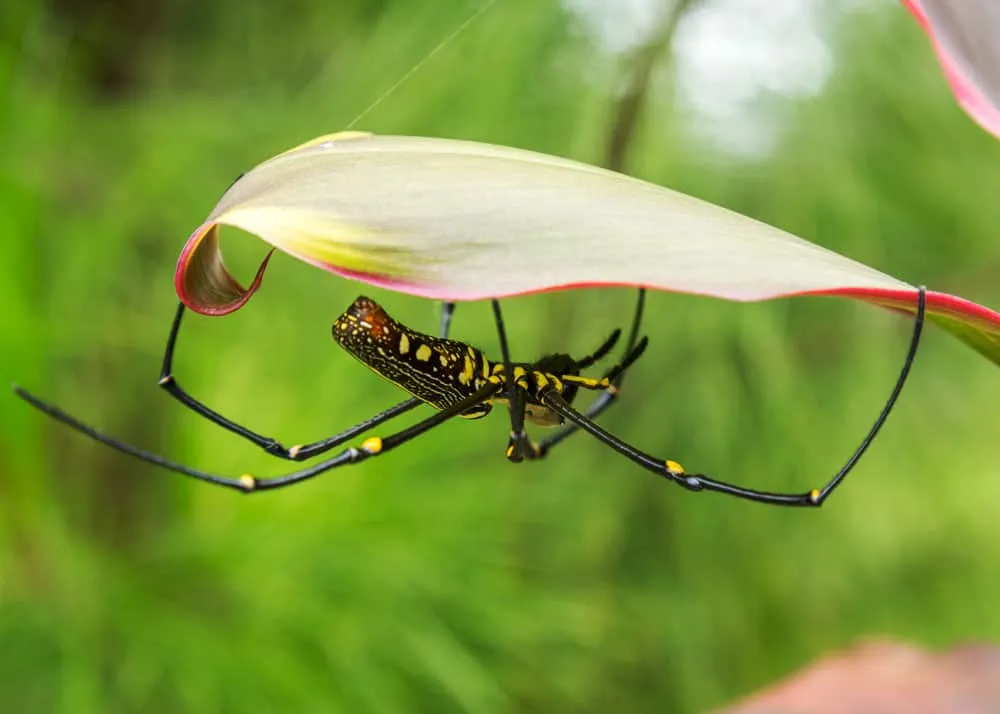
Banana spiders, often referred to as golden silk orb-weavers, are known for their long, slender bodies and vibrant colors. They typically have a yellow or golden abdomen, with long, dark legs. Their body shape is more elongated, and their legs are typically positioned in an X shape when at rest on their webs. This distinctive appearance, combined with the shimmering golden webs they create, makes them relatively easy to identify in the wild. The bright colors serve as a warning signal to potential predators and camouflage to attract potential prey.
Tarantula Appearance
Tarantulas, on the other hand, are generally larger and more robust. They are covered in hairs, which can range in color from brown to black, and sometimes have vibrant patterns. Their bodies are more compact, with a wider abdomen and shorter, thicker legs. The hairy appearance is a key characteristic, distinguishing them from many other spider species. Tarantulas are also known for their fangs, which they use to inject venom into their prey. The size and the presence of hairs are crucial visual indicators.
Size Comparison
In terms of size, tarantulas typically have the upper hand. While banana spiders can reach a considerable size, with females often being larger than males, tarantulas can grow to have a leg span of up to 10 inches or more, making them significantly larger than most banana spiders. This size difference is a critical factor in differentiating between the two. When encountering these spiders, the overall size and build are crucial factors in correct identification. The difference in size and shape is usually quite noticeable.
Habitat & Geographic Range

The habitats and geographic ranges of banana spiders and tarantulas also differ significantly. These differences are crucial when determining where you might encounter these spiders and the environments they prefer.
Banana Spider Habitat
Banana spiders are typically found in warm, tropical, and subtropical regions around the world. They are commonly seen in the Americas, Australia, Asia, and Africa. They prefer to build their large, golden webs in open areas, such as forests, gardens, and along trails, where they can catch flying insects. These webs are often quite extensive, spanning several feet in diameter. The presence of these webs is a key indicator of their habitat. They thrive in environments with plentiful insect populations and a relatively stable climate.
Tarantula Habitat
Tarantulas, on the other hand, have a more diverse range of habitats. They can be found in various environments, including deserts, grasslands, and tropical forests. Their distribution is widespread, with species found in North and South America, Africa, Asia, and Australia. Unlike banana spiders, tarantulas are often ground-dwelling, living in burrows they dig themselves or occupy existing ones. They are also found under rocks or logs. They prefer environments with moderate humidity and a steady food supply of insects and small animals.
Venom Potency

The venom potency of banana spiders and tarantulas is another key difference. While both spiders possess venom, the effects and potential risks vary considerably.
Banana Spider Venom
Banana spiders have venom that is generally not considered dangerous to humans. Their venom is potent enough to paralyze their prey, but the effects on humans are usually mild. A bite from a banana spider may cause localized pain, redness, and swelling, but serious medical complications are rare. They are not considered a significant threat, and the symptoms typically subside within a few hours. The venom is primarily used to subdue insects and other small creatures, which make up their diet.
Tarantula Venom
Tarantulas also have venom, but it is typically not considered highly dangerous to humans. Tarantula venom is primarily designed to subdue prey. Bites can cause pain and localized symptoms such as swelling, redness, and itching. The severity of the reaction can vary depending on the species of tarantula and the individual bitten. Some people may experience more significant symptoms. While tarantula bites are not usually life-threatening, it’s essential to seek medical attention if severe symptoms such as difficulty breathing or allergic reactions occur.
Behavior & Temperament

The behavior and temperament of banana spiders and tarantulas also vary. Understanding their behavior is essential for safely interacting with these spiders, particularly in their natural habitats.
Banana Spider Behavior
Banana spiders are generally not aggressive. They tend to remain in their webs and wait for prey to come to them. They are known to be relatively docile and are not likely to bite unless provoked or feel threatened. When disturbed, they may retreat to a safe location within their web or drop to the ground to escape. Their behavior is focused on web-building and capturing insects, making them less prone to conflict with humans. They typically build new webs at night and consume the old ones.
Tarantula Behavior
Tarantulas can be more defensive, but their behavior varies among species. Some tarantulas are docile and prefer to flee if threatened, while others may exhibit defensive behaviors, such as raising their front legs, flicking hairs from their abdomen (a defense mechanism), or attempting to bite. They are generally nocturnal hunters, actively seeking out prey at night. Their reactions can depend on their species and individual personality. Handling should be done with extreme caution, and it is often best to observe them from a distance.
Lifespan

The lifespan of banana spiders and tarantulas also showcases a significant difference. Longevity varies considerably between the two species.
Banana Spider Lifespan
Banana spiders typically have a shorter lifespan than tarantulas. Their lives usually last for about a year, with females sometimes living a bit longer than males. The entire lifecycle, from egg to adult, is often completed within a single season. This relatively short lifespan is typical for many spider species that have a high rate of reproduction and a focus on web-building for their survival.
Tarantula Lifespan
Tarantulas, in contrast, are known for their long lifespans. Females can live for 20-30 years in the wild or in captivity, while males typically live shorter lives, often only a few years. This extended lifespan is a significant characteristic of tarantulas, making them popular pets for enthusiasts. The long life of a tarantula is related to their slower metabolism and slower growth rates. They molt periodically throughout their lives to grow. These spiders can become part of a long-term commitment, especially when kept as pets.
In conclusion, while both banana spiders and tarantulas are fascinating arachnids, they exhibit several key differences. From their appearance and size to their habitats, venom, behavior, and lifespans, these spiders are distinct creatures. Understanding these differences is crucial for identification and appreciating the unique characteristics each spider brings to its ecosystem. Whether you encounter a banana spider’s golden web or a tarantula in its burrow, knowing these differences helps you appreciate the diversity and wonder of the spider world. The next time you see one of these spiders, you’ll be better equipped to identify and understand the differences between these amazing creatures.