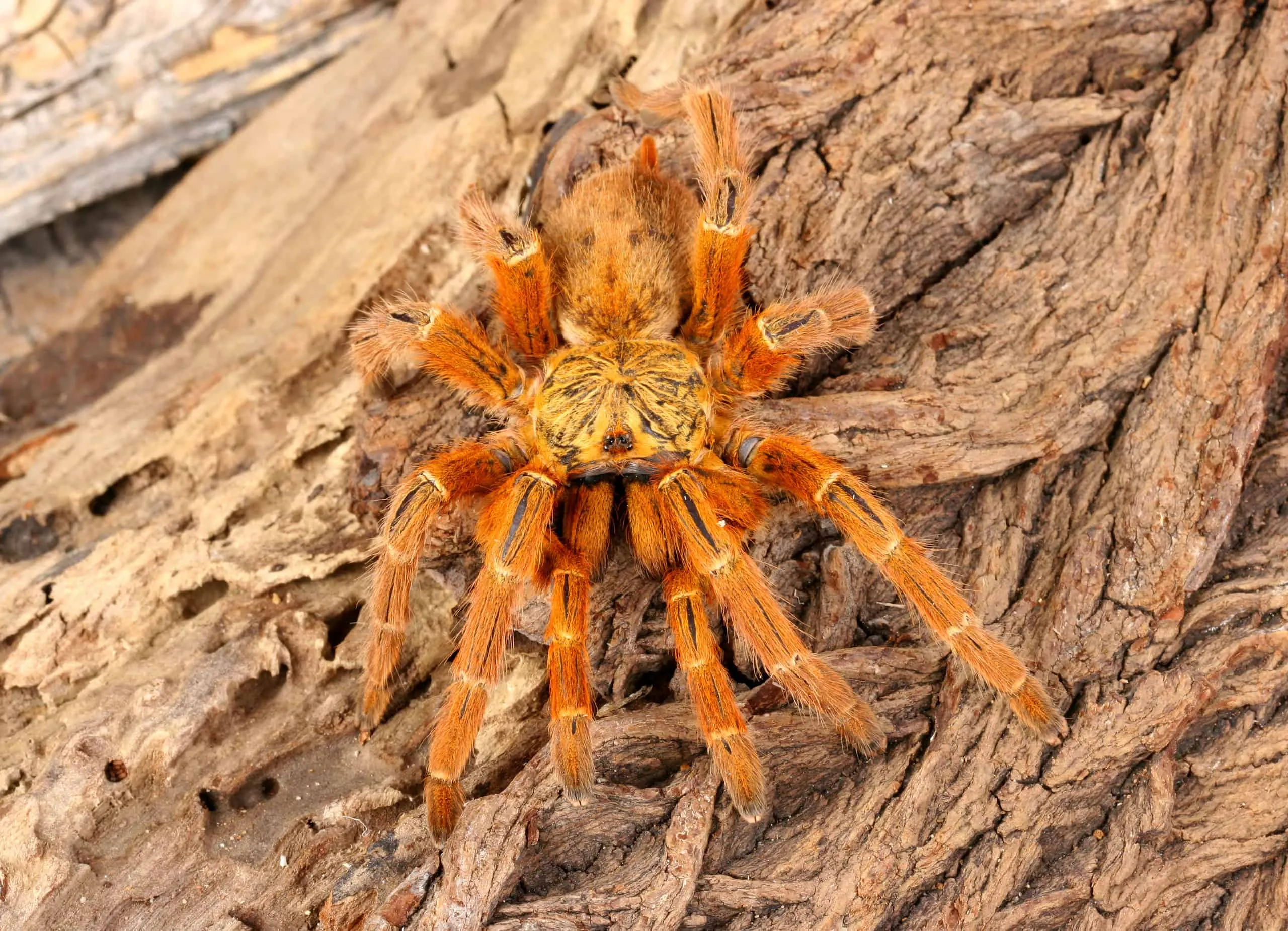
What is a Baboon Tarantula
The Baboon Tarantula, a captivating and somewhat intimidating member of the Theraphosidae family, is a terrestrial spider native to Africa. Known for its robust build and often aggressive temperament, this tarantula species presents a fascinating subject for both arachnid enthusiasts and those curious about the natural world. Their name is derived from their hairy legs, which some observers have likened to the fur of a baboon. These spiders are not for the faint of heart; their venom, while not typically lethal to humans, can cause significant pain and discomfort. Despite their potentially challenging nature, Baboon Tarantulas are popular in the exotic pet trade, offering a unique glimpse into the lives of these remarkable creatures. Understanding their characteristics and needs is crucial for anyone considering keeping one as a pet, ensuring both the spider’s well-being and the safety of its keeper.
Appearance and Characteristics
Baboon Tarantulas exhibit a range of characteristics that set them apart. They are typically large spiders, with leg spans that can reach up to 8 inches or more, depending on the species. Their bodies are covered in dense hairs, which contribute to their name and give them a distinct appearance. Coloration varies, with shades of brown, tan, and sometimes even reddish hues. These spiders possess powerful fangs, used for both predation and defense. Their temperament can range from relatively docile to highly defensive, and they are known for their quick movements and tendency to burrow or hide. Observing their behavior is key to understanding their needs and ensuring safe interaction. Their impressive size and striking appearance make them a captivating sight.
Varieties of Baboon Tarantula

Within the Baboon Tarantula family, there is a diverse range of species, each with unique characteristics and habitats. The most common species kept in captivity include the Pterinochilus murinus, often referred to as the Orange Baboon Tarantula due to its vibrant orange coloration. Others include the Harpactira guttata (Guttata Baboon) and the Ceratogyrus species, which are also popular among enthusiasts. Each species has variations in color, size, and temperament. Understanding the specific needs of each species is critical for providing proper care, as some may require different environmental conditions or handling precautions. Their diverse adaptations to various African habitats make them a fascinating group to study and observe.
Lifespan Overview
The lifespan of a Baboon Tarantula is a significant factor for potential owners. These spiders have relatively long lifespans compared to many other invertebrates, making them a long-term commitment. Several factors, including species, sex, and environmental conditions, can influence how long they live. Knowing the typical lifespan of these creatures helps owners provide proper care throughout their pet’s life cycle. Providing the right environment and diet is crucial for a long and healthy life. Furthermore, these spiders undergo a molting process, which is a critical part of their growth, and can influence their overall longevity. Understanding these aspects contributes to the successful keeping of a Baboon Tarantula.
Average Lifespan of Baboon Tarantulas
In general, female Baboon Tarantulas tend to live longer than males. Female Baboon Tarantulas can live for 10 to 15 years or more, given the right care. Male Baboon Tarantulas have a shorter lifespan, typically living for 3 to 5 years after reaching maturity. The difference in lifespan is primarily due to the female’s reproductive role and slower metabolism. Factors such as species, diet, and environmental conditions also impact the duration of their lives. Therefore, potential owners should be prepared for a long-term commitment, especially when acquiring a female. Creating an optimal environment for the spider to thrive will encourage a healthy and long life.
Factors Influencing Lifespan

Several factors play a crucial role in determining the lifespan of a Baboon Tarantula. The most significant include environmental conditions, diet and nutrition, and the health of the spider. Proper care and attention to these factors will ensure your pet’s well-being and longevity. Any deviations from optimal conditions can lead to stress, illness, and a shortened lifespan. Therefore, a comprehensive understanding of these factors is paramount for the proper care of a Baboon Tarantula.
Environmental Conditions
Maintaining the correct environmental conditions is essential for a Baboon Tarantula’s health and lifespan. These spiders thrive in environments that mimic their natural habitat. This includes maintaining the right temperature and humidity levels, and providing an enclosure that supports their needs. The ideal conditions will reduce stress, support molting, and ensure that your pet is happy and healthy. Failure to keep these parameters at an optimum level can lead to several health concerns.
Temperature and Humidity
Temperature and humidity are critical elements in a Baboon Tarantula’s environment. The ideal temperature range for these spiders is generally between 75-85°F (24-29°C). A heat source like a heat mat or ceramic heat emitter may be necessary to maintain these temperatures, especially in cooler climates. Humidity levels should typically be between 60-70%, which can be achieved by misting the enclosure regularly and providing a water dish. Monitoring these factors with a thermometer and hygrometer is essential for ensuring the well-being of your spider. Extreme fluctuations in temperature or humidity can lead to stress and health problems, impacting the spider’s lifespan.
Enclosure Size and Setup

The enclosure size and setup significantly impact the quality of life for a Baboon Tarantula. The enclosure should be large enough to accommodate the spider’s size and allow for proper burrowing behavior. A good rule of thumb is to provide an enclosure that is at least twice the spider’s leg span in length and width, and at least as tall as the spider’s leg span. Substrate, such as peat moss, coconut fiber, or a mixture of both, should be deep enough to allow for burrowing, typically 4-6 inches. Hiding places, like cork bark or artificial caves, provide security and reduce stress. Proper ventilation is important to prevent mold and maintain air quality. A well-designed and appropriately sized enclosure is key to ensuring a healthy environment for your Baboon Tarantula.
Diet and Nutrition
A balanced and appropriate diet is another crucial aspect of caring for a Baboon Tarantula and directly impacts its lifespan. These spiders are carnivores and require a diet rich in protein and nutrients. Providing the correct types and amounts of food is essential for their growth, molting, and overall health. Underfeeding can lead to nutritional deficiencies and a weakened immune system, while overfeeding can lead to obesity and health problems. Maintaining a consistent and varied diet will support a long and healthy life.
Feeding Habits
Baboon Tarantulas are opportunistic feeders and typically eat once or twice a week, depending on their age and size. Spiderlings and juveniles require more frequent feeding, while adults can go longer periods between meals. The feeding schedule should be adjusted based on the spider’s appetite and growth rate. It’s important to remove any uneaten food within 24 hours to prevent mold and mites. Feeding can also be influenced by the molting cycle; spiders typically eat less or stop eating altogether as they prepare to molt. Careful observation of the spider’s behavior is key to determining its feeding needs.
Types of Food

A variety of insects should make up a Baboon Tarantula’s diet. Suitable food items include crickets, mealworms, dubia roaches, and other commercially available insects. The insects should be gut-loaded with nutritious food prior to feeding to ensure the spider receives the necessary vitamins and minerals. The size of the prey should be appropriate for the spider’s size; generally, the prey should be no larger than the spider’s abdomen. Providing a diverse diet helps ensure the spider receives a wide range of nutrients, contributing to its overall health and lifespan. It is important to avoid feeding wild-caught insects, which may carry parasites or pesticides.
Molting and Growth
Molting is a natural process for Baboon Tarantulas, crucial for their growth and development. The frequency of molting decreases as they mature. The process involves shedding their exoskeleton, which allows them to grow larger and repair any injuries. Understanding the molting cycle is essential for providing proper care and minimizing stress during this vulnerable period. Improper handling or disturbances during molting can be detrimental to the spider’s health.
Molting Process
Before molting, a Baboon Tarantula will typically stop eating and may become more reclusive. The spider may also appear sluggish or lethargic. During the molting process, the spider will lie on its back, and the exoskeleton will split open. The spider will then slowly emerge from its old skin. The new exoskeleton is initially soft and vulnerable, taking several days to harden. It is crucial to avoid disturbing the spider during this time. Providing a humid environment and avoiding handling during and immediately after molting will help ensure a successful molt.
Growth Stages

Baboon Tarantulas go through various growth stages, and the frequency of molting depends on their age and growth rate. Spiderlings molt frequently, sometimes every few weeks. As they mature, the molting frequency decreases, with adult tarantulas molting once or twice a year. Each molt allows the spider to grow, and it is a vulnerable time. The spider’s size and coloration change with each molt. Monitoring the growth of the spider is an indication of its overall health and well-being. Careful observation and attention to their environmental needs will help ensure successful molts and a healthy life.
Health and Common Problems
Like all animals, Baboon Tarantulas can be susceptible to certain health problems. Common issues include parasites, fungal infections, and injuries. Early detection and prompt treatment are vital for maintaining a spider’s health and maximizing its lifespan. Knowing the signs of illness and taking preventative measures can help ensure your pet lives a long and healthy life.
Identifying Signs of Illness
Several signs can indicate that a Baboon Tarantula is unwell. These include lethargy, loss of appetite, unusual behavior, and physical abnormalities. A spider that is consistently sluggish or refuses to eat for an extended period may be ill. Other signs include a swollen abdomen, discolored areas on the body, or difficulty molting. If you notice any of these signs, it is important to consult with a veterinarian specializing in exotic pets. Early intervention can often prevent serious complications and improve the spider’s chances of recovery.
Preventative Measures

Several preventative measures can help keep a Baboon Tarantula healthy. Maintaining optimal environmental conditions is the first line of defense against illness. A clean enclosure with proper ventilation and appropriate temperature and humidity levels will minimize the risk of infections. Providing a varied diet of properly gut-loaded insects will ensure the spider gets the necessary nutrients. Regular monitoring of the spider’s behavior and appearance can help detect any potential problems early on. Quarantine new spiders before introducing them to your collection to prevent the spread of diseases. A proactive approach to care will significantly improve the likelihood of a long and healthy life for your Baboon Tarantula.
Comparison with Other Tarantulas
Compared to other tarantula species, Baboon Tarantulas have a unique lifespan. They can live for a considerable time, especially females. Comparing them with other well-known species helps to understand their longevity and characteristics. Lifespan variations among tarantulas are influenced by various factors, including their size, species, and environmental conditions. The Baboon Tarantula’s lifespan places it among the longer-lived tarantulas, which adds to its appeal for experienced keepers.
Lifespan Compared
Baboon Tarantulas typically live longer than some other popular tarantula species, such as the Chilean Rose. While Chilean Roses often live up to 10 years for females, Baboon Tarantulas can live up to 15 years or more. The Gooty Sapphire Ornamental, for instance, is also known for its long lifespan. However, other species, such as the Greenbottle Blue Tarantula, tend to have a shorter lifespan. Comparing the lifespans helps potential owners choose the right species based on their commitment. Different tarantula species have varied lifespans, making it crucial to research before bringing one home.
Unique Aspects of Baboon Tarantulas

Baboon Tarantulas have several unique aspects that influence their lifespan and care requirements. Their aggressive temperament and the powerful venom they possess make them less suitable for beginners. They are fast and can be defensive. In terms of longevity, the female’s longer lifespan is also a significant factor. Their burrowing habits, unlike those of some other tarantula species, require a deep substrate. Their adaptability to captivity, despite their challenging nature, makes them a fascinating choice for the experienced keeper. These unique aspects must be taken into account to ensure that they get the care needed.
How to Care for a Baboon Tarantula to Maximize Lifespan
Providing proper care is crucial for ensuring that a Baboon Tarantula lives a long and healthy life. This involves creating an appropriate environment, feeding the spider a balanced diet, and monitoring its health. Consistent attention to these factors will significantly enhance the spider’s well-being and increase its longevity. Furthermore, safe handling and a keen awareness of the spider’s behavior are essential for both the owner’s and the spider’s safety.
Essential Care Tips
Essential care tips include maintaining the correct temperature and humidity levels, providing a suitable enclosure with ample substrate for burrowing, and feeding a varied diet of appropriate-sized insects. Ensure the spider has a consistent water source and that the enclosure is kept clean. Regular observation is also critical. Look out for any signs of illness or distress. Keeping the enclosure free of hazards, such as sharp objects, is also a crucial consideration. These careful practices directly contribute to the spider’s health and length of life. Careful monitoring of the environmental conditions and consistent feeding practices will provide the best possible conditions.
Handling and Safety Precautions
Handling Baboon Tarantulas should be approached with caution due to their defensive nature and potent venom. It is generally best to avoid handling them unless absolutely necessary, such as for enclosure maintenance or health inspections. If handling is required, it should be done slowly and carefully, with the spider’s movements observed closely. Always be prepared for a bite, as the spider may bite if it feels threatened. If bitten, seek medical attention, as their bite can be painful. Children should be supervised around these spiders. Always wash hands thoroughly after handling the enclosure or any of its contents.
In conclusion, the Baboon Tarantula is a captivating species with a fascinating lifespan. By understanding their needs, from environmental conditions to dietary requirements, and by following essential care tips, you can help maximize their longevity. Whether you’re a seasoned arachnid enthusiast or a curious beginner, these creatures offer a unique glimpse into the wonders of the natural world. With the right knowledge and dedication, you can ensure that your Baboon Tarantula lives a long, healthy, and fulfilling life.