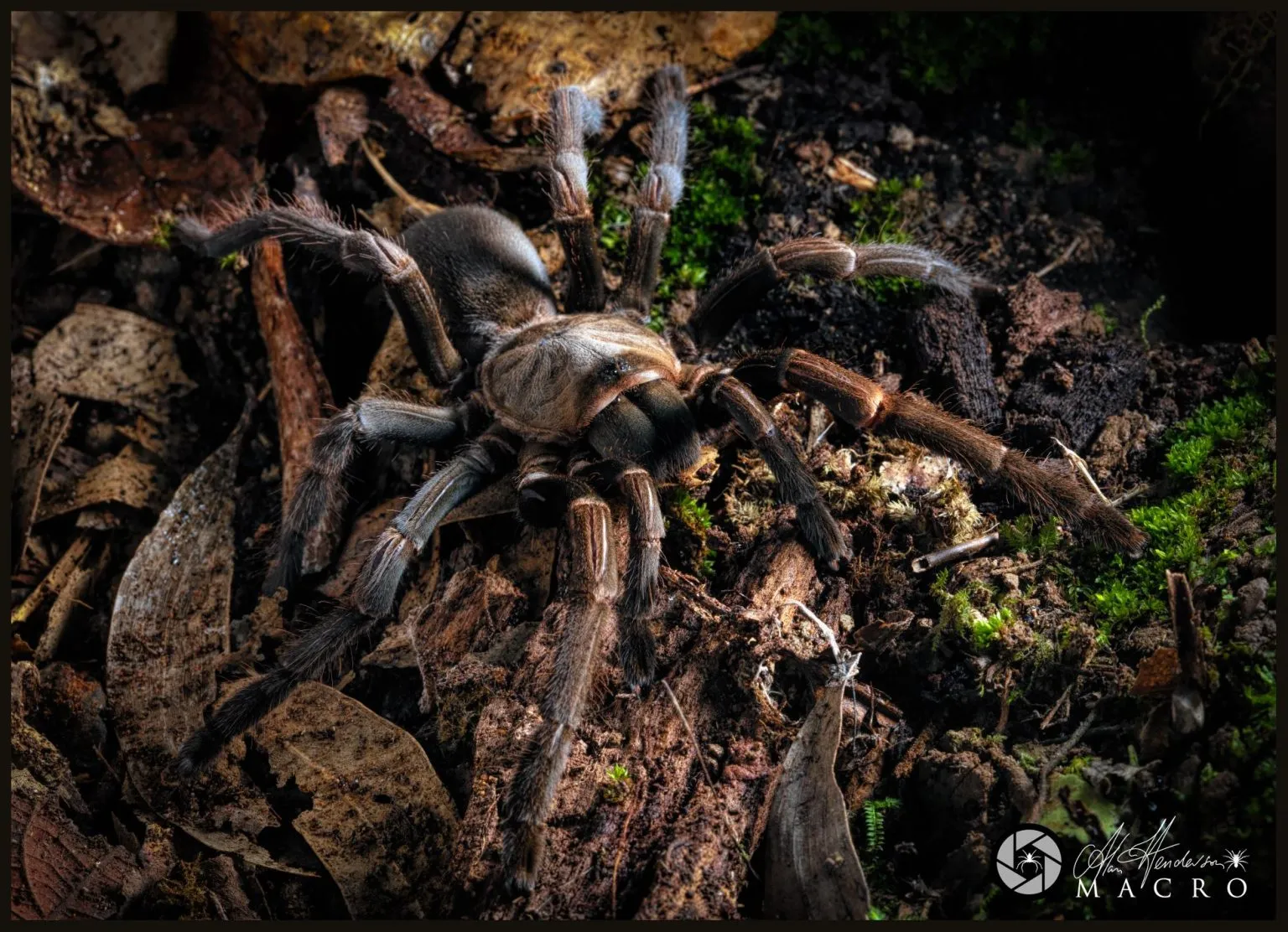
What is a Pet Tarantula?
A pet tarantula is a fascinating and increasingly popular choice for animal lovers in Australia. These large, hairy spiders belong to the Theraphosidae family and are known for their impressive size, varied colors, and relatively docile nature, making them a captivating addition to any home. While they may appear intimidating, tarantulas are generally not aggressive and can be kept as pets with proper care and handling. Their unique characteristics, such as the ability to molt and the diverse range of species available, add to their appeal. Understanding the basics of what makes a tarantula a tarantula is the first step in considering one as a pet. These creatures are a long-term commitment, and potential owners should be prepared to provide the necessary environment and care to ensure their tarantula thrives.
Types of Pet Tarantulas for Sale in Australia
Australia offers a diverse range of tarantula species for sale, catering to both novice and experienced arachnid enthusiasts. When considering a pet tarantula, understanding the different types available is crucial. The selection includes both native Australian species and exotic varieties, each with unique characteristics, care requirements, and temperaments. Researching each species will help potential owners make an informed decision about which tarantula best suits their lifestyle and experience level. Some popular choices include the Australian Barking Spider, known for its distinctive behavior, and various New World tarantulas prized for their vibrant colors and docile nature. Always ensure that the species you choose is legal to own in your specific region within Australia, as regulations can vary.
Australian Native Tarantulas

Australian native tarantulas are a unique and fascinating option for pet owners within Australia. These spiders have adapted to the local environment, displaying behaviors and characteristics specific to the Australian landscape. While some species, like the Australian Barking Spider, are relatively common, others are rarer, and ownership often requires specific permits and knowledge of their particular needs. Keeping a native species can be a rewarding experience, offering a connection to the local ecosystem. However, it is vital to source these tarantulas responsibly from licensed breeders or wildlife organizations that adhere to ethical practices and ensure the sustainability of wild populations. Careful attention to their habitat requirements, including temperature, humidity, and substrate, is essential for their well-being. This will ensure a thriving pet and the preservation of the wild population.
Exotic Tarantula Species
Exotic tarantula species, originating from various parts of the world, provide a stunning array of colors, sizes, and behaviors. The availability of these species in Australia depends on import regulations and ethical sourcing practices. Many exotic tarantulas are popular due to their striking appearance and relatively docile temperaments. However, these species often have specific care requirements, including precise temperature and humidity levels, which must be meticulously maintained. Potential owners should research the specific needs of each species, such as diet, substrate, and enclosure size, before acquiring an exotic tarantula. Sourcing from reputable breeders who prioritize animal welfare and adhere to ethical breeding practices is essential to ensure the health and well-being of the tarantula. This is important, as well as ensuring the legality of owning exotic species in your area.
Where to Buy a Pet Tarantula in Australia
Finding a pet tarantula for sale in Australia requires careful consideration of where and how to source your new pet. The best places to look include reputable breeders, pet shops specializing in exotic animals, and online marketplaces. Each option has its advantages and disadvantages, so it is crucial to weigh them carefully. When choosing a source, prioritize the health and welfare of the tarantula. This includes verifying the breeder’s or seller’s reputation, inspecting the tarantula’s condition, and confirming that they adhere to ethical practices. It’s essential to understand the species’ specific needs and ensure you can provide the appropriate environment before making a purchase. Always consider the legal implications of owning a tarantula in your region before committing to a purchase.
Reputable Breeders and Pet Shops

Reputable breeders and pet shops specializing in exotic animals are often the best places to buy a pet tarantula. These sources typically have experience and knowledge about tarantulas, ensuring that the animals are healthy and well-cared for. A reputable breeder or pet shop can provide valuable advice on tarantula care, habitat setup, and species-specific needs. They often have a good understanding of the species they sell, and may provide documentation of the tarantula’s origin and health. When choosing a breeder or shop, check online reviews, ask for recommendations from other tarantula owners, and inspect the conditions in which the tarantulas are kept. This will help assure that you are purchasing a healthy, well-cared-for pet.
Online Marketplaces
Online marketplaces offer a convenient way to find pet tarantulas for sale. However, buying online requires more caution and due diligence. Verify the seller’s reputation by reading reviews and checking their selling history. Always ask for clear photos of the tarantula, including images of its enclosure and health. Ensure that the seller is willing to answer your questions and provide detailed information about the tarantula’s care. Before making a purchase, research the seller’s policies on shipping, health guarantees, and returns. When buying online, consider the potential risks, such as shipping stress and the inability to inspect the tarantula in person before purchase. Prioritize sellers who are committed to the well-being of their animals and prioritize the safe transport of the tarantula.
Caring for Your Pet Tarantula in Australia
Caring for a pet tarantula in Australia involves providing a suitable habitat, proper feeding and watering, and understanding their health and safety needs. With the right approach, tarantulas are relatively low-maintenance pets, but they still need specific care to thrive. Creating a comfortable and secure environment is essential for their well-being. The habitat must provide the correct temperature, humidity, and substrate to mimic their natural environment. Regular feeding, including appropriate insects and occasional supplements, ensures that the tarantula receives adequate nutrition. Understanding common health issues and implementing safety precautions protects both the tarantula and the owner. Successfully caring for a tarantula demands attention to detail and a commitment to their well-being.
Creating the Perfect Habitat

Creating the perfect habitat for your pet tarantula is a crucial aspect of their care. The enclosure should be large enough for the tarantula to move around comfortably and should be escape-proof. The choice of enclosure material varies depending on the species, but a secure glass or plastic terrarium is usually a good option. The substrate should be appropriate for the species and can include a mix of peat moss, coconut fiber, and vermiculite, which help maintain humidity. The enclosure should have a water dish, appropriate for the tarantula’s size, and hiding places such as cork bark or artificial plants, which provide a sense of security. Regular monitoring of temperature and humidity levels is essential to ensure the tarantula’s well-being. Always ensure that the enclosure is in a location away from direct sunlight and drafts.
Feeding and Watering Your Tarantula
Feeding and watering are essential aspects of caring for your pet tarantula. The diet of a tarantula typically consists of live insects, such as crickets, mealworms, and roaches. The size of the prey should be appropriate for the tarantula’s size. It’s best to feed juvenile tarantulas more frequently, and adults can be fed once or twice a week. Remove any uneaten prey within 24 hours to prevent stress and potential harm to the tarantula. Provide a shallow water dish with fresh water to keep the tarantula hydrated. The water should be changed regularly to prevent contamination. Some tarantulas may also benefit from occasional misting of their enclosure to maintain proper humidity levels. Overfeeding should be avoided as it can lead to health issues, and the specific dietary requirements may vary slightly depending on the species.
Health and Safety
Prioritizing the health and safety of your pet tarantula is essential to ensuring its long life. It involves monitoring for common health issues and implementing safety precautions during handling and interaction. Keeping a close eye on the tarantula’s behavior, such as eating habits, activity levels, and molting cycles, helps detect any potential health problems early. Handling should be kept to a minimum, but if necessary, handle the tarantula gently and over a soft surface. Proper hygiene practices, such as washing hands before and after handling the tarantula and its enclosure, help prevent the spread of diseases. Always ensure that the enclosure is secure to prevent escapes, and keep the tarantula away from children and other pets.
Common Health Issues

While generally hardy, pet tarantulas can be affected by several health issues. Dehydration is a common problem, often caused by inadequate access to water or low humidity levels. Mites can infest tarantulas, causing irritation and potentially leading to health problems. Infections can also occur if the enclosure is not kept clean, or if a tarantula sustains an injury. Recognizing the signs of illness, such as lethargy, loss of appetite, or unusual behavior, allows for prompt intervention. It’s essential to research common tarantula diseases and potential treatments, and to consult with a veterinarian specializing in exotic animals when necessary. Preventative measures, such as providing proper care, maintaining a clean enclosure, and quarantining new tarantulas, can help to minimize the risk of health issues.
Safety Precautions
Safety precautions are critical when owning a pet tarantula, to protect both the owner and the tarantula. Tarantulas can bite, and while their venom is generally not life-threatening to humans, it can cause discomfort and localized pain. When handling a tarantula, always do so carefully, avoiding sudden movements. It’s best to handle them over a soft surface, in case they fall. Ensure that the enclosure is secure and escape-proof. Avoid exposing the tarantula to extreme temperatures or direct sunlight. Keep the enclosure out of reach of children and other pets. Always wash your hands thoroughly after handling the tarantula or its enclosure. Regularly monitor the tarantula for signs of illness or injury, and seek professional veterinary advice if needed. This is to help ensure your safety and the health of your pet.
Legal Considerations for Pet Tarantula Ownership in Australia
Before acquiring a pet tarantula in Australia, understanding the legal requirements is crucial. The regulations surrounding tarantula ownership vary significantly between states and territories. Some species may be restricted or prohibited, while others require permits or licenses. Thorough research into the specific regulations of your local area is essential to avoid legal issues and ensure compliance. Restrictions may depend on factors such as the tarantula’s origin, the species, and the potential risk it poses to the environment or human health. Penalties for non-compliance can include fines or the confiscation of the animal. Checking with your local wildlife authorities or the relevant government departments is important to stay informed and comply with all legal obligations. This will help keep you in compliance with the local and federal laws.
Regulations and Permits

Regulations concerning pet tarantulas in Australia often involve permits and licenses, depending on the species and the location. Some states and territories require permits for keeping any tarantula, while others may only regulate certain species. The permits can vary in terms of requirements, such as proof of experience, suitable housing, and knowledge of the species’ specific needs. The purpose of these regulations is to protect both the tarantulas and the environment. It is also meant to ensure that owners are capable of providing proper care and prevent the accidental or intentional release of non-native species into the wild. The process of obtaining a permit typically involves submitting an application, providing information about the tarantula, and potentially undergoing an inspection of the enclosure. It is essential to follow all permit requirements to avoid penalties and maintain legal ownership of your pet.
Ethical Considerations
Ethical considerations are paramount when considering pet tarantulas in Australia. Responsible pet ownership extends beyond legal compliance. This involves sourcing tarantulas from reputable breeders who prioritize animal welfare. These breeders adhere to ethical breeding practices and promote the long-term health of the species. It is important to avoid supporting breeders involved in the illegal capture or trade of tarantulas. Providing the tarantula with a suitable environment, appropriate care, and enrichment is also a fundamental ethical responsibility. This includes respecting the tarantula’s natural behaviors and providing a stimulating environment, where possible. Ethical owners are also prepared to provide care for the tarantula for its entire lifespan. They should be aware of the environmental impact of their pet ownership choices, such as responsible disposal of substrate and waste.