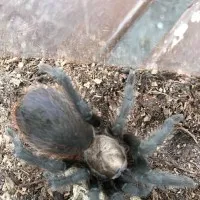
What is the Arkansas Chocolate Tarantula?
The Arkansas Chocolate Tarantula, scientifically known as Aphonopelma hentzi, is a captivating arachnid native to the United States. Despite its common name, it is not exclusive to Arkansas, but can be found in various states across the southern and southwestern regions. These spiders are popular among tarantula enthusiasts due to their relatively docile temperament and striking appearance. They belong to the Theraphosidae family, which comprises a vast array of tarantula species found worldwide. Their presence in the pet trade has led to a growing interest in their care and conservation, highlighting the need for responsible pet ownership and habitat preservation. Understanding the Arkansas Chocolate Tarantula is the initial stage to determine how great they are as pets.
Appearance and Characteristics
One of the most recognizable features of the Arkansas Chocolate Tarantula is its distinct coloration. As their name suggests, they often exhibit a rich, chocolate-brown hue, although the exact shade can vary. This coloration can range from a lighter, milk-chocolate shade to a deep, almost black-brown. Their bodies are covered in fine hairs, which contribute to their velvety appearance. Adult females are typically larger than males, with a leg span that can reach up to 5-6 inches. Males, on the other hand, tend to be smaller and more slender. Their eight legs are sturdy and covered in sensory hairs, enabling them to navigate their surroundings effectively. Their chelicerae, or fangs, are strong enough to capture and subdue prey.
Unique Coloration

The unique coloration of the Arkansas Chocolate Tarantula isn’t just for aesthetics; it also serves a purpose. The dark brown color can help them absorb heat from their environment, which aids in their metabolism and activity levels. The specific shade can vary depending on the individual spider and its environment. Some tarantulas may exhibit a slightly reddish tint, while others may appear almost black. These variations often depend on factors such as age, diet, and genetics. The hairs covering their bodies add to the overall appearance, making them visually appealing to those interested in keeping tarantulas. Overall, the dark chocolate coloring is one of the most striking features that people notice when looking at this tarantula.
Size and Lifespan
The size and lifespan of the Arkansas Chocolate Tarantula vary depending on their sex and living conditions. As mentioned previously, females are typically larger than males, with a leg span reaching up to six inches. Males are usually smaller, with a leg span of about four to five inches. The lifespan of these tarantulas is quite impressive. Females can live for up to 20 years or more, making them a long-term commitment for pet owners. Males, however, have a much shorter lifespan, typically living only a few years after reaching maturity. This difference in lifespan is a common characteristic of tarantula species, influenced by their role in reproduction. If kept in captivity, their lifespan may vary depending on their care and well-being.
Where Do They Live?
The Arkansas Chocolate Tarantula is not exclusively found in Arkansas, despite its common name. Their natural habitat spans across various states in the southern and southwestern United States, including Texas, Oklahoma, and parts of Kansas. They are terrestrial spiders, meaning they spend most of their time on the ground. Understanding their habitat provides a good indication to what conditions the tarantula might need in captivity. They prefer arid and semi-arid environments, which are characterized by warm temperatures and relatively low humidity. They are well-adapted to these conditions, burrowing in the ground or seeking shelter under rocks, logs, and in other natural crevices. The distribution of the Arkansas Chocolate Tarantula is influenced by the availability of suitable habitat and prey.
Habitat and Distribution

The habitat and distribution of the Arkansas Chocolate Tarantula are key to their survival. They are often found in grasslands, open woodlands, and scrublands. These environments provide the necessary conditions for them to thrive, including suitable temperatures, humidity levels, and prey availability. The range of the Arkansas Chocolate Tarantula has been impacted by habitat loss and human development. Conservation efforts are underway to monitor populations and to protect their natural habitats. Understanding their distribution and habitat requirements is important for conservation, responsible pet ownership, and maintaining a balance in the ecosystem.
Natural Environment
The natural environment of the Arkansas Chocolate Tarantula is essential to understand for proper care and conservation efforts. In the wild, these spiders are typically found in areas with well-drained soil. They create burrows or take advantage of existing shelters for protection from predators and extreme weather conditions. The natural environment is also rich with insects, which serve as their primary food source. Maintaining this environment is critical for their survival and reproduction. These spiders contribute to the ecosystem by controlling insect populations, playing a vital role in maintaining the ecological balance of their habitats. When keeping them in captivity, recreating the natural environment will assist in a healthy lifestyle.
Behavior and Temperament
The Arkansas Chocolate Tarantula is known for its generally docile temperament, making it a popular choice for novice tarantula keepers. They are typically not aggressive and are less likely to bite or exhibit defensive behaviors compared to some other tarantula species. However, they can still display defensive behaviors such as flicking urticating hairs from their abdomen as a deterrent. When threatened, they may also raise their front legs or retreat into their burrow. Understanding their behavior is crucial for safe handling and interacting with these spiders. The personality of an Arkansas Chocolate Tarantula can also vary from individual to individual, with some being more active and others more reclusive.
Feeding Habits

The Arkansas Chocolate Tarantula is a carnivore, primarily feeding on insects in the wild. Their diet consists of crickets, grasshoppers, beetles, and other invertebrates they can capture. They are ambush predators, meaning they wait for their prey to come within striking distance. Their strong chelicerae, or fangs, are used to inject venom, which paralyzes their prey. They then use their mouthparts to break down the prey into a liquid form, which they ingest. In captivity, tarantulas are usually fed a diet of commercially raised insects. Meal frequency depends on the spider’s age and size. Young tarantulas may need to be fed more often than adults. Overall, providing the right diet is critical to their health and well-being.
Predators and Defense Mechanisms
In the wild, the Arkansas Chocolate Tarantula faces various predators. Birds, snakes, lizards, and other large arachnids can pose a threat. To protect themselves, they have developed several defense mechanisms. Their primary defense is their ability to burrow and seek shelter. They create burrows in the ground or seek refuge under rocks, logs, or other structures. The urticating hairs on their abdomen provide a secondary defense mechanism. When threatened, they flick these hairs, which are irritating to potential predators. Some individuals may bite, although this is rare for this species. Their ability to blend into their environment by using camouflage and staying still further increases their chances of survival.
Are Arkansas Chocolate Tarantulas Good Pets?
The Arkansas Chocolate Tarantula can make rewarding pets. They are generally docile and easy to care for, making them suitable for both novice and experienced tarantula keepers. However, it’s important to consider both the pros and cons before deciding to keep one. Their relatively low maintenance needs and interesting behavior make them an engaging pet. Their long lifespans also mean they can be companions for many years. However, it’s essential to research and understand their care requirements before acquiring one. Ethical considerations, such as responsible sourcing and habitat preservation, are crucial. Ultimately, the decision of whether or not to keep an Arkansas Chocolate Tarantula as a pet is a personal one.
Pros and Cons of Keeping Them

There are pros and cons to keeping an Arkansas Chocolate Tarantula as a pet. On the positive side, they are relatively low-maintenance pets, needing only a suitable enclosure, proper feeding, and occasional water. Their long lifespan can make them a lasting companion. They also provide an excellent opportunity to observe and learn about the fascinating world of arachnids. The downsides include potential risks. Tarantulas are venomous, although their venom is generally not life-threatening to humans. They can also be delicate, and improper handling or care can lead to injury or illness. There is also the ethical concern of obtaining them from a responsible source to ensure their conservation and well-being. Weighing these factors is essential before keeping an Arkansas Chocolate Tarantula.
Care Requirements
Caring for an Arkansas Chocolate Tarantula involves several key elements. A suitable enclosure is essential, and the environment should be maintained at the appropriate temperature and humidity levels. Proper feeding is also crucial, providing them with a diet of appropriately sized insects. Regular cleaning and maintenance of the enclosure are necessary to maintain a healthy environment for the spider. Understanding the care requirements is essential for keeping an Arkansas Chocolate Tarantula. This also includes providing the proper substrate, which allows them to burrow and feel secure. Proper hydration is also necessary, which can be accomplished through a water dish or misting the enclosure. Finally, knowing the care requirements assists in handling and interacting with them safely.
Enclosure Setup
The enclosure setup is a crucial aspect of caring for an Arkansas Chocolate Tarantula. The enclosure should be appropriate for their size, allowing for adequate space to move around and burrow. A secure lid is essential to prevent escape. The substrate should consist of a suitable material such as peat moss, coconut fiber, or a mixture of both. This allows them to dig burrows and provides a comfortable environment. A hide or shelter should be provided to allow them to retreat and feel secure. The enclosure must be kept at the correct temperature and humidity levels. This can be achieved by using a heat source and by misting the enclosure regularly. A water dish with fresh water should always be available.
Diet and Feeding
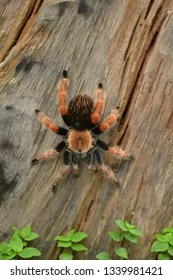
A proper diet is essential for an Arkansas Chocolate Tarantula’s health. The diet should primarily consist of insects, such as crickets, mealworms, and roaches. The size of the prey should be appropriate for the size of the spider. Juvenile tarantulas should be fed more frequently than adults. It is important to remove any uneaten prey items from the enclosure to prevent them from stressing the tarantula. Supplements are usually unnecessary if you are feeding a balanced diet. You should always ensure the insects you feed them are gut-loaded. Gut-loading involves feeding the prey items with a nutritious diet prior to feeding them to the tarantula, ensuring that your spider receives the vitamins and minerals they need.
Handling and Interaction
Handling an Arkansas Chocolate Tarantula should be approached with caution. While generally docile, these spiders can still bite if they feel threatened. It is usually recommended to avoid handling them unless necessary, such as for enclosure cleaning or health checks. If handling is necessary, approach the spider slowly and gently. Avoid sudden movements. Always handle the spider over a soft surface. Never attempt to grab or restrain the spider. Be aware of their urticating hairs, which can cause irritation. Always wash your hands thoroughly before and after handling the spider. Handling is not a requirement to keep an Arkansas Chocolate Tarantula as a pet.
Health and Common Issues
Like all living creatures, Arkansas Chocolate Tarantulas can experience health issues. Common issues include dehydration, molting problems, and injuries. Dehydration can be caused by low humidity levels, and it is usually easy to remedy by ensuring that water is available. Molting problems can arise when the tarantula has difficulty shedding its exoskeleton. Injuries can occur from handling, enclosure hazards, or from attacking prey. Knowing the signs of illness can help you address issues promptly. Other potential issues include parasites and fungal infections. Seeking professional advice from a veterinarian experienced with arachnids is crucial if any health concerns arise. Always monitor your tarantula’s well-being.
Molting Process

The molting process is a vital part of an Arkansas Chocolate Tarantula’s life cycle. As tarantulas grow, they shed their exoskeleton. The process involves the tarantula creating a new, larger exoskeleton underneath the old one. Prior to molting, the spider will typically become less active, stop eating, and may even flip onto its back. The molting process can take several hours or even days, depending on the size and age of the spider. After molting, the tarantula’s new exoskeleton is soft and vulnerable, so it’s best not to disturb it. Provide a humid environment during this time to assist the process. Avoid feeding the spider until its fangs have hardened, which can take several days. Molting is a sign of a healthy and growing tarantula, essential for its development.
Signs of Illness
Knowing the signs of illness can help you detect health problems early. Some signs to watch for include lack of appetite, lethargy, and changes in behavior. If your tarantula is not eating, this can indicate a problem. Lethargy, or a lack of activity, can also signal illness. Changes in behavior, such as a loss of coordination or difficulty moving, are cause for concern. Also, watch out for external signs such as lesions, parasites, or a swollen abdomen. If you notice any of these signs, it is important to consult with a veterinarian. Early intervention can make a difference in ensuring the health of your Arkansas Chocolate Tarantula.
Conservation Status and Threats
The conservation status of the Arkansas Chocolate Tarantula is important. It is important to understand the threats these spiders face. The species is not currently listed as endangered, but its populations can be affected by habitat loss, human development, and the pet trade. Responsible sourcing is essential for helping with conservation efforts. Habitat loss due to deforestation, urbanization, and agriculture, is a significant threat to the species. Understanding the threats allows us to take measures for their conservation. Supporting conservation efforts and responsible pet ownership is essential. This includes purchasing from reputable breeders and ensuring that the spiders are acquired ethically.