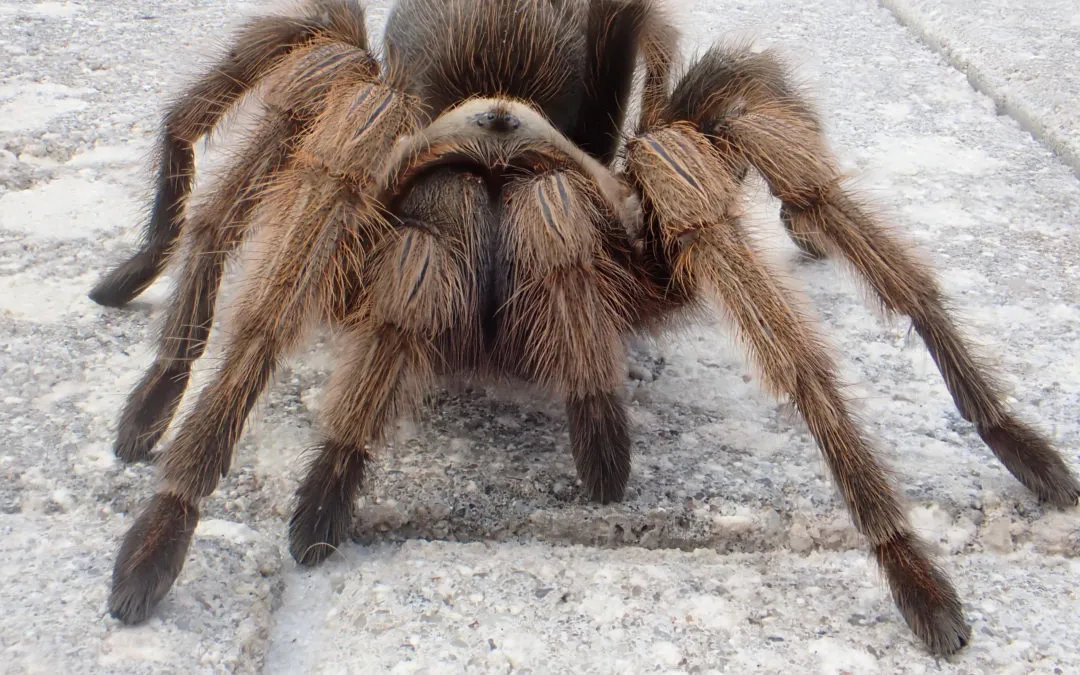
Understanding the Arizona Blonde Tarantula Sling
The Arizona Blonde Tarantula (Aphonopelma chalcodes), particularly in its sling (juvenile) stage, is a captivating creature for many arachnid enthusiasts. These small, delicate spiders require specific care to thrive. This comprehensive guide will provide you with all the information you need to successfully care for your Arizona Blonde Tarantula sling, from habitat setup to feeding and health management. Understanding the basics is the first step to providing a healthy and enriching life for your tarantula.
What is an Arizona Blonde Tarantula Sling
An Arizona Blonde Tarantula sling is a juvenile tarantula, typically under one inch in leg span. They are in a vulnerable stage of their life, requiring careful attention to their environment and diet. Slings are smaller versions of the adult tarantulas and are often more fragile. Their care differs slightly from adult tarantulas because of their size. These juveniles undergo several molts as they grow, shedding their exoskeleton to increase in size. The sling stage is a critical period for proper development.
Appearance and Characteristics

Arizona Blonde Tarantula slings are generally a light tan or golden color, which gives them their common name. The coloration can become more pronounced as they mature. Slings have a fuzzy appearance, and their body parts are proportionately smaller compared to their adult form. Observe the small fangs and pedipalps as well. They have eight legs and two body parts, the cephalothorax (head and thorax combined) and the abdomen. The appearance changes slightly after each molt. Their appearance also becomes more defined as they grow into adults.
Why Choose an Arizona Blonde Tarantula Sling
Arizona Blonde Tarantula slings are popular choices for beginners. Their docile nature and relatively low-maintenance requirements make them an ideal introduction to tarantula keeping. These tarantulas are not known to be aggressive and are typically slow-moving. They are also relatively long-lived, providing many years of enjoyment. Slings are also a good choice for those who enjoy watching their tarantula grow and develop. Their less-demanding environment helps keepers get used to taking care of a tarantula before upgrading to another species.
Setting Up the Perfect Habitat
A well-designed habitat is essential for the health and well-being of your Arizona Blonde Tarantula sling. The enclosure should provide a safe and comfortable environment that mimics their natural habitat. The right setup helps regulate the temperature and humidity levels and also offers enrichment opportunities. Incorrect setup can lead to stress or health issues. Understanding the best enclosure, substrate, humidity, and enrichment is key to their well-being.
Choosing the Right Enclosure

For an Arizona Blonde Tarantula sling, a small, secure enclosure is best. A clear plastic container, such as a deli cup or a small terrarium, is ideal. The enclosure should be escape-proof, with a secure lid. Ventilation is crucial; however, it must not be so large that it compromises the humidity. The enclosure should be appropriately sized for the tarantula’s current size. As the tarantula grows, you will need to upgrade the enclosure. A good rule of thumb is to have an enclosure about three times the tarantula’s leg span.
Substrate Selection and Depth
The substrate is the bedding material at the bottom of the enclosure. For Arizona Blonde Tarantula slings, a substrate that retains moisture is ideal. A mix of peat moss, vermiculite, and a small amount of soil works well. The substrate should be about 2–3 inches deep to allow the tarantula to burrow. The depth of the substrate is essential because it provides a space for your tarantula to hide and to maintain humidity. Cleanliness is vital; soiled substrate should be replaced regularly to prevent mold and bacterial growth. Ensure the substrate is safe and does not contain pesticides or other harmful chemicals.
Humidity and Temperature Control
Arizona Blonde Tarantulas thrive in a low to moderate humidity environment, typically around 60–70%. Regularly misting the enclosure one or two times a week, or adding a small water dish, helps maintain the right level of humidity. Monitoring the humidity with a hygrometer is recommended. The temperature should be maintained between 75–85°F (24–29°C). Avoid placing the enclosure in direct sunlight or near heat sources. A stable temperature is crucial for their health and molting process. Proper ventilation also helps regulate humidity and prevents mold.
Providing Hiding Places and Enrichment

Provide your Arizona Blonde Tarantula sling with a safe hiding place. A small piece of cork bark or a hollowed-out half-log provides a secure retreat. This helps the tarantula feel safe and reduces stress. In addition to a hiding place, you can add a few silk plants or other decorations to enrich the environment. Make sure any decorations are non-toxic and do not have sharp edges. Enrichment is important because it gives the tarantula the chance to explore and exhibit natural behaviors. Be sure to position decorations so they do not impede the tarantula’s movement.
Feeding Your Arizona Blonde Tarantula Sling
Proper feeding is crucial for the health and growth of your Arizona Blonde Tarantula sling. They have specific dietary needs, and providing the right food and amount is essential. Understanding the prey items, the correct frequency, and portion sizes helps ensure your tarantula stays healthy and grows properly. The right feeding schedule also allows you to monitor their health and address any issues promptly. Overfeeding can be as detrimental as underfeeding, so it is essential to strike the right balance.
Appropriate Prey Items
For Arizona Blonde Tarantula slings, small, live prey items are best. Flightless fruit flies, pinhead crickets, and small mealworms are appropriate choices. The size of the prey should be smaller than the tarantula’s body. Offering a variety of food items helps ensure your tarantula receives a balanced diet. Always remove uneaten prey within 24 hours to prevent stress or mold in the enclosure. Be sure that any prey you offer is free of pesticides or other harmful chemicals. It’s important to vary the diet to ensure that they get the needed nutrients.
Feeding Frequency and Portion Sizes

Young tarantula slings should be fed more frequently than older tarantulas. Feed them two to three times a week. Offer one to two appropriately sized prey items per feeding. Observe your tarantula’s feeding behavior. A well-fed tarantula will have a plump abdomen. If the abdomen is too large, reduce the feeding frequency. Monitor the tarantula carefully to know whether it is eating. Make sure you do not overfeed, as this can lead to health issues. It is also crucial to note that tarantulas will sometimes refuse food when they are preparing to molt.
Watering and Hydration
Provide your Arizona Blonde Tarantula sling with a shallow water dish. The water dish should be small enough that the tarantula cannot drown. Use a cotton ball or sponge in the water dish, as a smaller option, to provide additional hydration and to prevent drowning. Slings require fresh water, so replace the water every other day or more often. You can also lightly mist the enclosure once or twice a week to provide extra hydration. Always use dechlorinated water to ensure the tarantula’s health. Proper hydration is essential for the molting process and overall well-being.
Essential Care Practices
Besides habitat and feeding, there are several essential care practices you should follow to ensure the health and well-being of your Arizona Blonde Tarantula sling. This includes maintaining a clean enclosure, safe handling, and recognizing and addressing any health issues. These practices help prevent disease, promote a healthy growth cycle, and provide a long and enriching life. Paying close attention to these details will significantly improve your tarantula’s quality of life.
Maintaining a Clean Enclosure

Regularly clean the enclosure to maintain a healthy environment. Remove any uneaten prey items promptly. Spot-clean the enclosure by removing any feces or discarded exoskeleton (molt). Replace the substrate every few months, or more frequently if it becomes soiled. Use a mild disinfectant to clean the enclosure when necessary. Avoid using harsh chemicals or soaps. Maintain good hygiene practices to prevent the growth of bacteria and mold, and reduce any odors.
Handling and Safety Precautions
Handle your Arizona Blonde Tarantula sling with care. Tarantulas can be fragile, especially slings. Avoid handling them unless necessary. If you must handle your tarantula, do so close to the ground or a soft surface. Always wash your hands before and after handling the tarantula. Arizona Blonde Tarantulas are not known for aggression, but their bite can be painful. Do not handle your tarantula if you are unsure or uncomfortable. Respect their space and avoid startling them to prevent defensive behaviors.
Recognizing and Addressing Health Issues
Learn to recognize common health issues in Arizona Blonde Tarantula slings. Look for signs of illness such as lethargy, loss of appetite, or unusual behavior. Check for mites or other parasites. If you notice any signs of illness, isolate the tarantula and consult with an experienced tarantula keeper or veterinarian. Maintain a clean environment and provide proper care. Prevention is crucial, so proper diet and environment can go a long way in keeping your tarantula healthy. Be sure to act quickly if there are any issues.
Common Problems and Solutions

Several common problems can occur when caring for an Arizona Blonde Tarantula sling, such as dehydration, molting issues, and parasites. Dehydration can be caused by low humidity or lack of access to water. Ensure you maintain proper humidity levels and provide a water dish. If your tarantula has molting issues, like not being able to shed its skin properly, it can be caused by humidity or environmental problems. Providing the right humidity and temperature is key. Addressing parasites like mites, is crucial for maintaining health. Consult with an expert to identify the cause of the problem and implement appropriate solutions.
Lifespan and Growth of an Arizona Blonde Tarantula Sling
Understanding the lifespan and growth of your Arizona Blonde Tarantula sling is essential for proper care. They grow through a series of molts, shedding their exoskeleton to increase in size. Each molt brings changes and challenges, and knowing what to expect will help you support your tarantula through this crucial stage of their life. Provide the right care and nutrition so that the tarantula can reach adulthood, living a long and healthy life.
Growth Stages and Molting
Arizona Blonde Tarantula slings grow through a process called molting. Molting is where the tarantula sheds its exoskeleton to grow larger. Slings molt frequently, sometimes every few weeks, while adults molt less often, typically once a year. During molting, the tarantula will become inactive, and the colors fade. It will often flip onto its back before molting. Do not disturb your tarantula during the molting process. It will take some time to harden after molting. Provide the right environment to support the molt.
What to Expect as They Grow

As your Arizona Blonde Tarantula sling grows, you will need to upgrade its enclosure. Keep the enclosure appropriately sized for the tarantula. The tarantula will become more robust and their coloration will become more vibrant. The feeding frequency will decrease as they mature. The tarantula will also become less fragile. As they mature, their behavior may change slightly. They may become more confident as they grow. By following these guidelines, you can provide a healthy, safe, and engaging environment for your Arizona Blonde Tarantula sling.