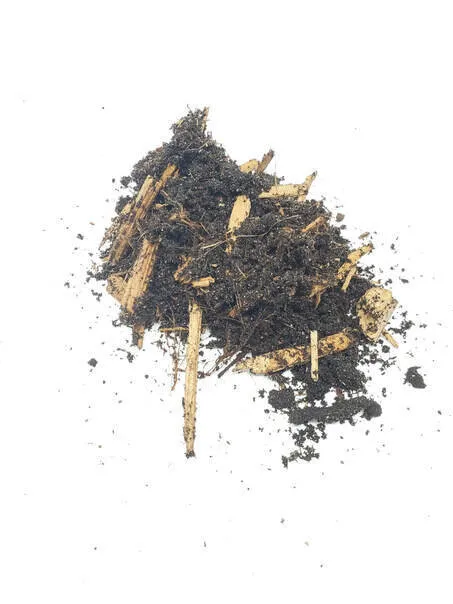
What is Albo Tarantula Substrate
Albo tarantula substrate refers to the material used as the bedding in a tarantula’s enclosure. It is crucial for the health and well-being of your Albo tarantula, providing a comfortable environment and aiding in essential functions such as molting and burrowing. The substrate also helps regulate humidity and acts as a buffer against temperature fluctuations. Choosing the right substrate and maintaining it properly is a key aspect of successful tarantula care, directly impacting the spider’s lifespan and overall health. It acts as a base layer that mimics the tarantula’s natural habitat, allowing them to exhibit natural behaviors.
Importance of Substrate for Albo Tarantulas
The substrate is more than just bedding; it is a vital component of the Albo tarantula’s habitat. It allows the tarantula to burrow, which is a natural behavior providing security and regulating body temperature. A suitable substrate helps to maintain the correct humidity levels, which is essential for successful molting. Without proper humidity, the tarantula may struggle to shed its exoskeleton, leading to health issues and even death. Furthermore, the substrate absorbs waste and helps keep the enclosure clean, minimizing the risk of bacterial or fungal growth that could harm your pet. A well-chosen substrate also provides a surface for the tarantula to grip and climb, enhancing its quality of life.
Humidity Regulation

Maintaining proper humidity is critical for Albo tarantulas, as it directly impacts their ability to molt and their overall well-being. The substrate plays a primary role in achieving and sustaining the correct humidity levels within the enclosure. The type of substrate you choose, its moisture content, and the ventilation of the enclosure all work together to create the ideal environment for your tarantula. Monitoring and adjusting humidity levels based on the spider’s needs and the environmental conditions are essential aspects of responsible tarantula keeping. High humidity is critical for successful molting, while too much humidity can lead to health problems. Understanding this balance is key to the tarantula’s survival.
Maintaining Optimal Humidity
To maintain optimal humidity, the substrate should be kept slightly moist, but not saturated. The exact humidity level needed will vary depending on the tarantula’s age and species, but generally, Albo tarantulas thrive in humidity levels between 60% and 70%. Achieving this requires a balance between the substrate’s moisture content, ventilation, and the ambient environment. Misting the enclosure lightly with dechlorinated water, providing a water dish, and choosing a substrate that retains moisture effectively are all strategies for maintaining the right humidity levels. Regularly monitoring the humidity and adjusting your methods as needed is essential for your tarantula’s health and happiness.
Monitoring Humidity Levels
Monitoring humidity is just as important as maintaining it. Use a hygrometer to measure the humidity levels inside the enclosure regularly. Place the hygrometer away from the water dish and substrate surface for accurate readings. If humidity levels are too low, mist the enclosure lightly with water, but avoid over-misting, which can lead to mold or fungal growth. If the humidity is too high, increase ventilation by adding more air holes to the enclosure or adjusting the lid. Observing your tarantula’s behavior can also provide clues about the humidity levels. A tarantula that is sluggish or struggling to molt may indicate low humidity, while one that avoids certain areas of the enclosure might be trying to escape high humidity.
Substrate Types

Several substrate options are available for Albo tarantulas, each with its advantages and disadvantages. The best choice depends on factors such as the tarantula’s size, your personal preferences, and the environmental conditions in your home. Understanding the characteristics of each type will help you make an informed decision that supports your tarantula’s needs. The chosen substrate should be non-toxic, free of chemicals, and capable of retaining moisture without becoming overly saturated. Moreover, it must allow the spider to burrow or create a comfortable environment. Common substrate types include coconut fiber, sphagnum moss, and topsoil.
Coconut Fiber
Coconut fiber, also known as coco coir, is a popular choice for Albo tarantulas. It’s made from the husks of coconuts and is widely available in compressed bricks or loose form. Coconut fiber is excellent at retaining moisture, which helps to maintain the desired humidity levels in the enclosure. It also provides a natural-looking substrate that allows tarantulas to burrow and create comfortable shelters. Before use, it’s essential to rehydrate the compressed bricks with water and ensure the coco coir is thoroughly rinsed to remove any dust or debris. Coconut fiber is a versatile and readily available option that supports a healthy environment for your tarantula. It is relatively affordable and easy to work with.
Pros and Cons
- Pros: Excellent moisture retention, natural look, allows burrowing, readily available, relatively inexpensive.
- Cons: Can sometimes harbor mold if over-saturated, may require rinsing to remove dust, some tarantulas may eat it accidentally.
Sphagnum Moss
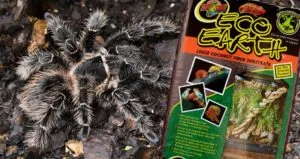
Sphagnum moss is another substrate option that can be used, either alone or mixed with other substrates. This type of moss is excellent at retaining moisture and is naturally antimicrobial, which can help prevent the growth of mold and bacteria. While sphagnum moss can be beneficial in raising humidity levels, it is often used as a top layer or in a hide rather than as a primary substrate because it can be quite dense. It provides a soft, natural environment that Albo tarantulas may appreciate, but care must be taken to avoid overwatering, which can cause it to become too damp and potentially harmful. Choose quality sphagnum moss from reputable suppliers to ensure it is free of pesticides or other contaminants.
Pros and Cons
- Pros: Excellent moisture retention, natural antimicrobial properties, soft for burrowing or hiding.
- Cons: Can become overly saturated, may require careful monitoring, can be expensive, not suitable as a sole substrate for all species.
Topsoil
Topsoil, especially a mix designed for reptile use, can also be used as a substrate. It provides a naturalistic environment, allowing tarantulas to burrow and create elaborate tunnels. Topsoil typically has good moisture retention properties and can help maintain humidity, though it may not be as efficient as coco fiber or sphagnum moss in this regard. It is often mixed with other substrates like coco fiber or vermiculite to improve drainage and aeration. Make sure to use topsoil that is free of fertilizers, pesticides, and other harmful chemicals. The soil should be sterilized to avoid introducing pests or pathogens to the enclosure.
Pros and Cons

- Pros: Allows for natural burrowing, provides a naturalistic environment, good drainage when mixed with other substrates.
- Cons: Can compact over time, may require sterilization, potential for introducing pests if not properly sourced.
Substrate Depth and Layering
The depth of the substrate is another crucial factor in creating a suitable environment for your Albo tarantula. The depth should allow the spider to burrow and create a secure space. Layering different substrate materials can also enhance the enclosure’s functionality and aesthetics. A well-layered substrate can improve drainage, regulate humidity, and provide the tarantula with a more diverse and enriched habitat. Proper depth and layering are fundamental for the tarantula’s overall well-being and offer a safer environment.
Ideal Depth for Albo Tarantulas
The ideal substrate depth for Albo tarantulas varies depending on the size of the spider and its preference for burrowing. As a general rule, the substrate should be at least as deep as the tarantula’s leg span, allowing them to burrow comfortably. For juveniles, 2–3 inches of substrate may be sufficient. For adult Albo tarantulas, a depth of 4–6 inches or more is recommended to allow for extensive burrowing and creating secure hiding spots. Ensure the substrate isn’t packed too tightly, as this can make burrowing difficult.
Layering for Drainage and Stability

Layering the substrate can improve drainage and provide greater stability to the enclosure. A common layering method involves placing a layer of gravel or clay pebbles at the bottom for drainage, followed by a layer of substrate like coco fiber or topsoil. This base layer allows excess water to drain away, preventing the substrate from becoming waterlogged. On top of this, you can add a layer of sphagnum moss or coco fiber for additional moisture retention. Layering also helps maintain the structural integrity of the burrows and provides the tarantula with different textures and moisture levels within the habitat.
Cleaning and Maintenance
Regular cleaning and maintenance of the substrate are essential for maintaining a healthy environment for your Albo tarantula. This includes spot cleaning to remove waste and uneaten food and, periodically, replacing the entire substrate. Proper substrate maintenance helps prevent the build-up of harmful bacteria, molds, and odors, ensuring the longevity and well-being of your pet. It is a crucial aspect of responsible tarantula care, keeping your tarantula healthy and happy.
Spot Cleaning
Spot cleaning should be done regularly, ideally once or twice a week. This involves removing any visible waste, such as uneaten prey items, molted exoskeletons, and fecal matter. Use a pair of tongs or tweezers to remove the waste carefully without disturbing the tarantula or its burrow. Check for any mold growth or unusual odors during spot cleaning, as these may indicate a problem with the substrate or the enclosure’s overall conditions. Regular spot cleaning helps maintain the cleanliness and hygiene of the enclosure and helps prevent the spread of potential pathogens.
Complete Substrate Changes

Complete substrate changes should be performed periodically, usually every 6 to 12 months, depending on the type of substrate and the tarantula’s activity level. Signs that it’s time for a complete substrate change include excessive odors, the presence of mold or fungus, or a noticeable decrease in humidity regulation. Remove the tarantula safely to a temporary container while replacing the substrate. Thoroughly clean and disinfect the enclosure before adding the new substrate. This helps to eliminate any potential pathogens or contaminants. Always replace the substrate with fresh, clean, and appropriately moistened material.
Signs of Contamination
Be vigilant in monitoring the substrate for signs of contamination. These may include unusual odors, the presence of mold or fungus, or the appearance of tiny insects or mites. If you notice any of these signs, it’s essential to act promptly. Remove and replace the contaminated substrate immediately, thoroughly clean the enclosure, and ensure the humidity and ventilation levels are correct. Contamination can lead to health issues for your tarantula, so early detection and intervention are crucial for their well-being. Regularly inspect the substrate during your maintenance routine to ensure the health of your tarantula.
Choosing the Right Substrate
Choosing the right substrate is essential for creating a healthy and comfortable environment for your Albo tarantula. Consider the tarantula’s specific needs, the humidity and temperature requirements, and your personal preferences. Start with research and consider the different substrate options and their properties. Ensure that whatever you choose is non-toxic and free from chemicals or pesticides. Remember, the substrate should allow your tarantula to burrow, maintain humidity, and feel secure in its enclosure. Experimenting and observing how your tarantula interacts with different substrate types can help you find the perfect match.
Considerations for Beginners
For beginners, coco coir is an excellent choice. It’s readily available, easy to work with, and provides a good balance of moisture retention and drainage. Avoid substrates that are too dry, as these can lead to humidity problems. Start with a shallow layer of substrate and gradually increase the depth as you become more experienced. Keep an eye on the humidity levels using a hygrometer and adjust your misting schedule accordingly. Don’t be afraid to experiment and learn from experience. With proper care, your Albo tarantula will thrive in its new home.
Long-Term Benefits of Proper Substrate
Choosing and maintaining the right substrate offers long-term benefits for your Albo tarantula, including better overall health and a longer lifespan. A well-maintained substrate ensures optimal humidity levels, which is essential for successful molting. It also provides a cleaner and healthier environment, reducing the risk of illness. Providing a secure and comfortable habitat with a good substrate allows your tarantula to exhibit natural behaviors, reducing stress and improving its quality of life. Investing time and effort in choosing and maintaining the correct substrate is a worthwhile endeavor that contributes to the well-being and longevity of your cherished pet.