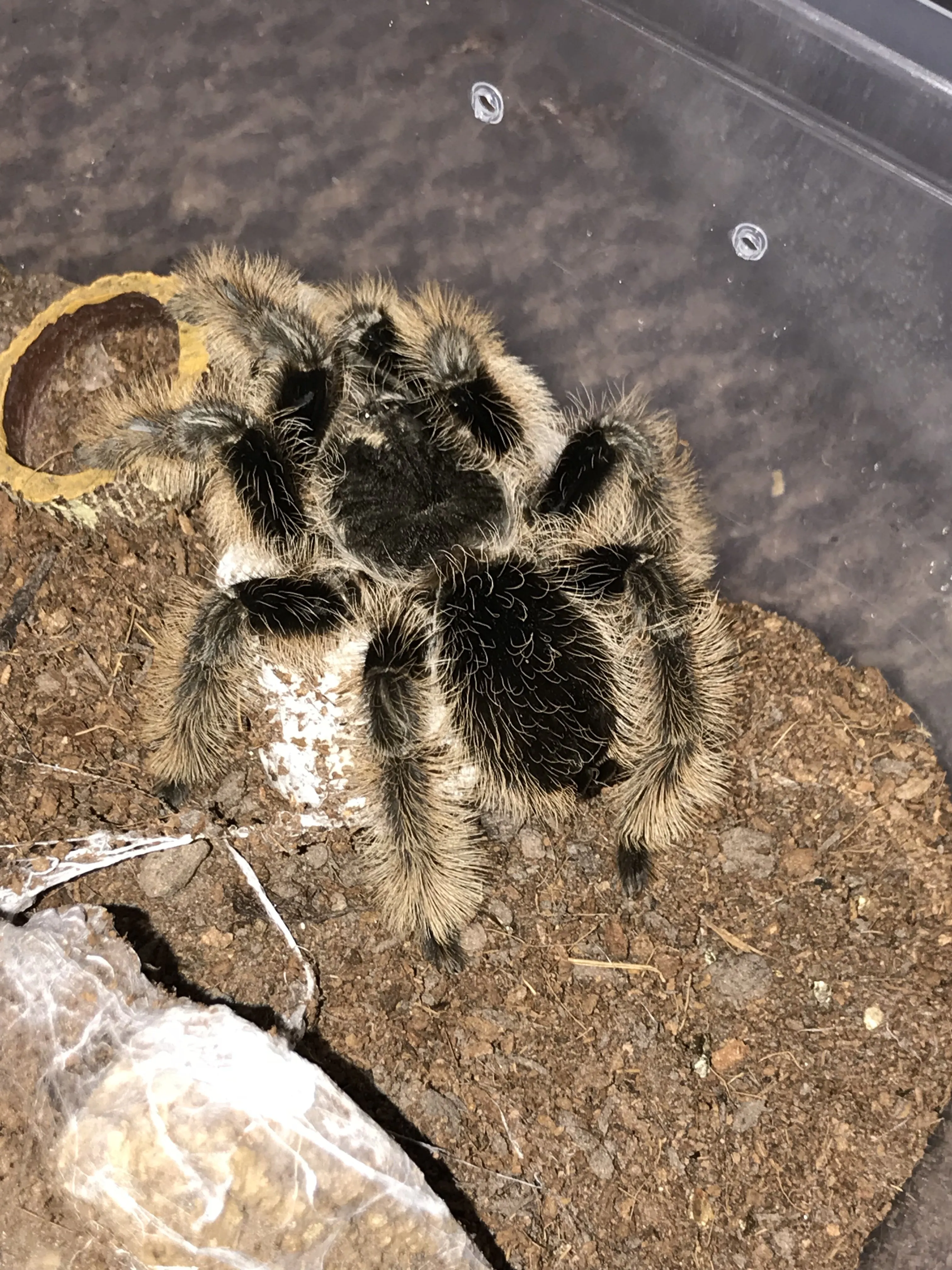
The Albo Tarantula What You Need to Know
The Albo Tarantula, scientifically known as Aphonopelma seemanni, is a captivating and increasingly popular pet tarantula. This guide delves into the essential facts about the Albo Tarantula, providing a comprehensive understanding of its characteristics, care requirements, and potential hazards. Known for its striking appearance and relatively docile temperament, the Albo Tarantula is a favorite among both novice and experienced arachnid enthusiasts. This guide will explore the key aspects of owning an Albo Tarantula, from its physical traits and natural habitat to important safety considerations and how to ensure a safe and enriching environment. Understanding these details is crucial for responsible pet ownership and will help you appreciate the unique qualities of this fascinating species.
Understanding the Albo Tarantula
Physical Characteristics

The Albo Tarantula is easily recognizable due to its striking appearance. Adults typically display a dark body, often black or dark brown, contrasted by distinctive white or cream-colored stripes on their legs. These contrasting colors contribute to its common name, ‘zebra tarantula’. The size of an adult Albo Tarantula can vary, with females generally being larger than males, reaching a leg span of up to 5-6 inches. The carapace, or the top of the cephalothorax, is usually darker, and the abdomen is covered with urticating hairs, which the tarantula uses for defense. These hairs can be irritating if they come into contact with human skin or eyes, so careful handling is essential. The overall robust build and vibrant markings make the Albo Tarantula a visually appealing species for tarantula keepers.
Origin and Habitat
Native to the tropical dry forests of Costa Rica and Nicaragua, the Albo Tarantula thrives in warm, humid environments. In its natural habitat, this tarantula species spends its time in burrows, often under rocks, logs, or within the root systems of plants. The climate in these regions is characterized by distinct wet and dry seasons, which influence the tarantula’s behavior and breeding cycles. When kept in captivity, it is essential to replicate these environmental conditions to ensure the tarantula’s health and well-being. This includes providing a substrate that allows for burrowing, maintaining the correct temperature and humidity levels, and providing access to fresh water. Understanding its natural environment helps in creating an appropriate and comfortable habitat for your Albo Tarantula, enabling it to exhibit its natural behaviors and live a long, healthy life.
Is the Albo Tarantula Poisonous
One of the most common questions regarding tarantulas is whether they are poisonous. The correct term to use is venomous, not poisonous. Albo Tarantulas, like all tarantulas, are venomous, meaning they inject venom through fangs. However, the venom of the Albo Tarantula is not considered medically significant to humans. A bite from an Albo Tarantula can be painful, similar to a bee sting, but it is not life-threatening. The severity of a bite can vary depending on factors such as the amount of venom injected, the individual’s sensitivity, and the location of the bite. It’s essential to understand the difference between venomous and poisonous creatures to correctly assess the risks associated with these spiders.
The Nature of Tarantula Venom

Tarantula venom is a complex mixture of proteins and enzymes designed to immobilize prey. The venom of the Albo Tarantula is primarily used to subdue insects and other small invertebrates. While the venom is effective against its prey, it is not particularly potent to humans. The composition of the venom varies between different tarantula species, influencing the potential effects of a bite. The Albo Tarantula’s venom is not considered highly toxic, but it can still cause localized symptoms. These symptoms may include pain, redness, swelling, and itching at the bite site. Understanding the nature of tarantula venom provides a realistic perspective on the potential health risks associated with these arachnids.
Effects of a Bite on Humans
A bite from an Albo Tarantula is generally not considered dangerous, but it can still be an unpleasant experience. The primary effects of a bite include localized pain, similar to a bee sting or a wasp sting, along with redness and swelling around the bite area. The intensity of these symptoms can vary. Some individuals may experience more severe reactions due to individual sensitivities. In rare cases, some people may experience allergic reactions. However, serious systemic effects are very uncommon with Albo Tarantula bites. Because of the urticating hairs on the abdomen, the spider may also flick these hairs at a perceived threat. The hairs can cause severe irritation to the skin and, if they get into the eyes, may cause temporary blindness.
Symptoms and Severity
The symptoms following an Albo Tarantula bite typically include immediate pain at the bite location. This can be followed by localized swelling and redness. Some individuals might experience itching, burning, and mild discomfort. In most cases, these symptoms will subside within a few hours or days. The severity of the symptoms can vary, influenced by factors such as the individual’s sensitivity, the amount of venom injected, and the location of the bite. Although rare, some individuals might experience more severe allergic reactions. These can include symptoms such as difficulty breathing, hives, or more severe swelling. If any of these symptoms arise, it is important to seek medical attention immediately.
First Aid and Treatment

If bitten by an Albo Tarantula, immediate first aid measures are essential. The first step is to clean the bite area thoroughly with mild soap and water to prevent infection. Applying a cold compress to the bite site can help reduce pain and swelling. Over-the-counter pain relievers, such as ibuprofen or acetaminophen, can be used to manage the pain. It is also helpful to keep the bite site clean and dry and to avoid scratching the area. In most cases, the symptoms will resolve within a few days with these basic treatments. However, if you experience severe symptoms, such as difficulty breathing, excessive swelling, or signs of an allergic reaction, seek medical attention immediately.
Albo Tarantula Care and Safety
Owning an Albo Tarantula can be a rewarding experience. However, it is essential to prioritize safety both for the owner and the spider. Responsible handling, proper enclosure maintenance, and a good understanding of the tarantula’s behavior are critical for preventing bites and ensuring the well-being of the tarantula. Implementing preventative measures and creating a safe environment are key aspects of responsible Albo Tarantula ownership. The care of an Albo Tarantula involves more than just understanding if it is poisonous. It also requires an appreciation for its habitat, behavior, and needs to prevent accidental bites and promote a healthy living environment.
Safe Handling Practices
Handling an Albo Tarantula should be kept to a minimum to reduce stress to the spider and minimize the risk of a bite. If handling is necessary, do so only when the tarantula is calm and moving slowly. Always handle the tarantula over a soft surface, such as a bed or carpet, to minimize the risk of injury if it falls. Gently coax the tarantula onto your hand, using a soft brush or by gently touching its legs. Avoid sudden movements, which can startle the tarantula. Always wash your hands thoroughly before and after handling your Albo Tarantula. Remember, observing the tarantula from its enclosure is often the best way to enjoy your pet without unnecessary risks.
Preventing Bites

Preventing bites from an Albo Tarantula involves several key practices. The most important is to avoid handling the tarantula unless necessary. When handling, move slowly and deliberately, and never make sudden movements that could startle the spider. Always approach the tarantula calmly and never try to grab or corner it. Regular enclosure maintenance helps maintain a healthy environment and reduces the need for handling. This includes regular cleaning and ensuring that the tarantula has a suitable habitat. Understanding the tarantula’s behavior is also important. Be aware of signs of stress, such as defensive postures or rapid movements, and avoid interacting with the tarantula during these times. By practicing caution and understanding the tarantula’s needs, the risk of bites can be minimized.
Creating a Safe Environment
Creating a safe environment for your Albo Tarantula is essential for both the tarantula’s well-being and the safety of its handler. This starts with an appropriate enclosure, typically a glass or plastic terrarium with good ventilation. The enclosure should be large enough to provide the tarantula with ample space to move around and exhibit natural behaviors. The enclosure should have a secure lid to prevent escapes. Provide a substrate, such as coco fiber or peat moss, that allows the tarantula to burrow. The temperature and humidity levels within the enclosure should mimic the tarantula’s natural habitat, with temperatures ranging from 75°F to 85°F (24°C to 29°C) and humidity levels between 60% and 70%. Regularly inspect the enclosure and remove any uneaten food, shed exoskeletons, or other waste to maintain a clean and healthy environment. Always have an escape plan in place if the spider somehow gets out of its enclosure.
Conclusion
In conclusion, the Albo Tarantula is a fascinating and rewarding pet for those who are prepared to provide proper care. While not poisonous, understanding the nature of their venom and practicing safe handling are crucial for responsible ownership. By following the guidelines presented in this guide, enthusiasts can create a safe and enriching environment for their Albo Tarantulas, allowing them to thrive and providing years of enjoyment. Remember to prioritize the tarantula’s well-being and to always handle it with respect and caution, to fully appreciate this beautiful species.