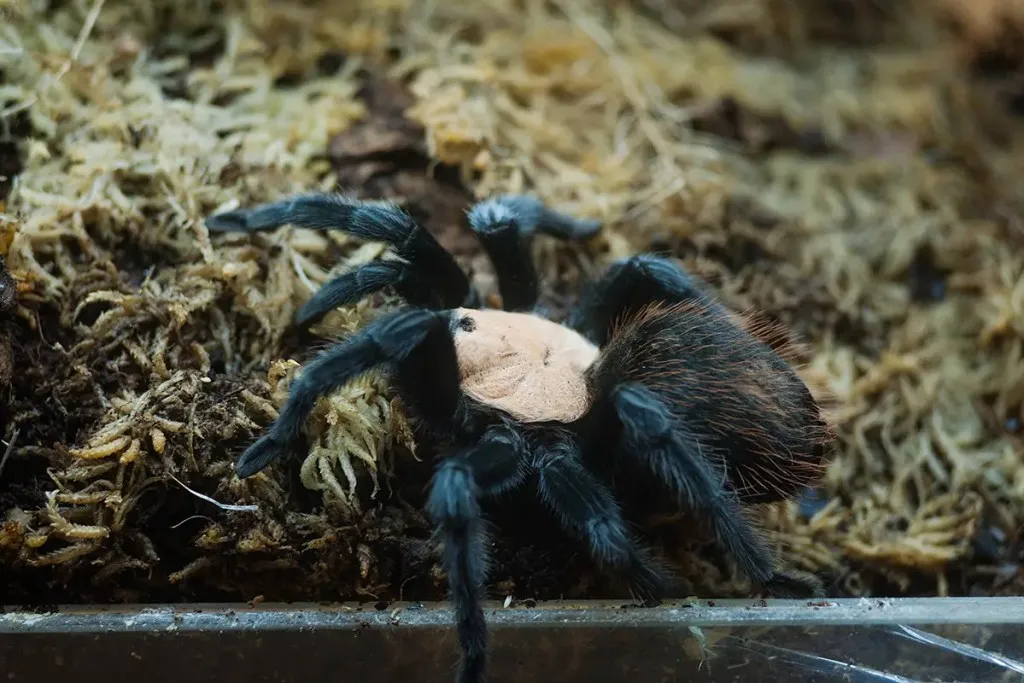
Albiceps Tarantula Habitat Overview
The albiceps tarantula, a captivating species, thrives in a well-designed habitat that mimics its natural environment. Providing the right conditions is crucial for their health, longevity, and overall well-being. This guide will delve into the essential aspects of creating the perfect albiceps tarantula habitat, ensuring your arachnid companion lives a comfortable and fulfilling life. Understanding their needs is the first step. Proper habitat design is not just about aesthetics it’s about replicating the environmental factors that this species has evolved to depend on, thus promoting a thriving environment.
Understanding Albiceps Tarantula’s Natural Habitat
In their natural habitat, albiceps tarantulas are typically found in the tropical regions. They often inhabit burrows or shelters they create under logs, rocks, and within the leaf litter of the forest floor. The environment is characterized by relatively high humidity and moderate temperatures. These spiders are well-adapted to a specific climate and environment. Replicating these conditions in captivity is key to the tarantula’s health. Understanding these specifics provides a crucial foundation for building an appropriate and comfortable habitat.
The Importance of Habitat in Tarantula Care

The habitat is more than just a container it is the entire world of your albiceps tarantula. It provides shelter, regulates temperature and humidity, and influences the tarantula’s behavior and health. A poorly designed habitat can lead to stress, dehydration, molting problems, and even premature death. A properly set-up habitat helps the tarantula to thrive. Investing time and resources in creating an optimal environment is one of the most important aspects of tarantula care. The correct setup ensures a long and healthy life for your spider.
Top 5 Albiceps Tarantula Habitat Secrets
Substrate Selection
The substrate is the foundation of your tarantula’s habitat. It serves as a bedding material and plays a crucial role in humidity regulation and providing a burrowing medium. The best substrate choices for albiceps tarantulas include a mix of coco fiber, peat moss, and a small amount of vermiculite. This combination provides excellent moisture retention, allows for burrowing, and creates a naturalistic environment. Avoid substrates that can be harmful to the tarantula.
Choosing the Right Substrate for Your Albiceps Tarantula

When choosing a substrate, consider the moisture-retaining properties, the ability to support burrowing, and the overall safety for your tarantula. Coco fiber is an excellent base due to its moisture-holding capabilities and resistance to mold growth. Peat moss adds to the moisture retention and provides a slightly acidic environment, which can be beneficial. Vermiculite can be added in small amounts to improve drainage. Ensure the substrate is free of pesticides or other harmful chemicals. These combinations work best.
Maintaining Substrate Humidity
Proper humidity is essential for the health of your albiceps tarantula. The substrate should be kept slightly moist, but not waterlogged. You can achieve this by misting the enclosure regularly, usually every few days, depending on your local climate and the ventilation in your enclosure. Monitor the substrate and adjust the misting schedule accordingly. The goal is to maintain a consistent humidity level within the ideal range. Too much humidity can lead to mold growth, and too little can cause dehydration.
Temperature and Heating
Temperature is another critical factor in maintaining a healthy albiceps tarantula habitat. Tarantulas are ectothermic, meaning they rely on external sources for heat. Providing the correct temperature range is vital for their metabolism, digestion, and overall well-being. A stable and appropriate temperature is essential for the tarantula’s well-being and proper function.
Optimal Temperature Range for Albiceps Tarantulas

The ideal temperature range for albiceps tarantulas is generally between 75-85°F (24-29°C). It’s important to maintain a consistent temperature within this range. Use a thermometer to monitor the temperature in the enclosure. Avoid placing the enclosure in direct sunlight or near drafts, as these can cause fluctuations in temperature. Ensure a consistent temperature is vital for the tarantula to thrive.
Heating Methods
There are several ways to provide heat for your tarantula. A heat mat placed on the side or back of the enclosure is a common and safe method. Avoid placing the heat mat directly under the enclosure, as this can cause the substrate to dry out too quickly. You can also use a ceramic heat emitter (CHE) with a thermostat to regulate the temperature. Always use a thermostat to ensure the heat source does not overheat the enclosure. Proper heating methods will keep the spider comfortable.
Enclosure Size and Setup
The size and design of the enclosure are fundamental to the tarantula’s well-being. The enclosure should be large enough for the tarantula to move around comfortably but not so large that it feels overwhelmed. A well-designed enclosure should include appropriate substrate, hiding places, and other essential elements to replicate the tarantula’s natural habitat. A secure and appropriately sized enclosure is the key to safety and comfort.
Appropriate Enclosure Dimensions

The enclosure size should be based on the tarantula’s size. As a general guideline, the enclosure should be at least twice as wide as the tarantula’s leg span and long enough to allow for burrowing. A terrestrial species like the albiceps tarantula doesn’t need a tall enclosure, but the width and depth are important for movement and burrowing. Make sure that the enclosure has a secure lid to prevent escapes, and proper ventilation to promote air circulation and prevent the build-up of condensation.
Decorating the Habitat
Decorating the habitat provides enrichment and helps the tarantula feel secure. Add a hide, such as a piece of cork bark or a hollow log, to provide a safe space. Live or artificial plants can also be used to add to the aesthetic appeal and provide additional hiding places. Ensure that all decorations are safe and non-toxic. The décor helps to make the tarantula feel secure.
Humidity and Ventilation
Humidity and ventilation work together to create a healthy environment for your albiceps tarantula. Proper humidity levels are essential for molting, while adequate ventilation prevents the build-up of harmful gases and mold growth. Balance is critical to provide the right conditions.
Monitoring Humidity Levels

Use a hygrometer to monitor the humidity levels in the enclosure. The humidity should generally be kept between 60-70%. If the humidity is too low, mist the enclosure with water. If it’s too high, increase ventilation. Regularly checking the humidity and adjusting the environment is key to maintaining a healthy environment. Regular monitoring allows you to fine-tune the environment.
Ensuring Proper Ventilation
Proper ventilation is essential to prevent the build-up of condensation and mold. Ensure the enclosure has sufficient ventilation, such as small air vents or a partially screened lid. Avoid completely sealing the enclosure. Good ventilation also helps to prevent the build-up of ammonia from the tarantula’s waste. Proper ventilation ensures a healthy habitat.
Feeding and Water
Providing the right food and water is vital for the albiceps tarantula’s health and well-being. The diet of the tarantula should consist of insects and an adequate supply of fresh water. The tarantula relies on its keeper for food and water.
Providing Fresh Water

Always provide a shallow water dish filled with fresh, clean water. The water dish should be shallow enough to prevent the tarantula from drowning. Replace the water regularly, at least once a week, and more frequently if the tarantula’s waste contaminates the water. Providing clean water is essential for preventing dehydration. Regularly cleaning the water dish is essential for their well-being.
Choosing Appropriate Food
Albiceps tarantulas are primarily insectivores. Suitable food items include crickets, roaches, mealworms, and other feeder insects. The size of the food should be appropriate for the size of the tarantula; generally, the food should be no larger than the tarantula’s body. Avoid feeding wild-caught insects, as they may contain pesticides or parasites. Provide a varied diet for optimal health. Proper feeding is vital for the tarantula’s growth.
Albiceps Tarantula Habitat FAQs
Common Mistakes to Avoid
Several common mistakes can lead to a poor habitat and affect the health of your albiceps tarantula. Avoid using unsuitable substrates, such as sand or gravel, which can be difficult to burrow in and may retain too much moisture. Overfeeding can lead to obesity and health problems. Avoid handling the tarantula unnecessarily, as this can stress them. Learn from these mistakes to make the right habitat.
Signs of a Poor Habitat
There are several signs that indicate a poor habitat. These include a lack of burrowing behavior, which may indicate an unsuitable substrate or incorrect humidity. Lethargy or lack of appetite can be a sign of stress or illness. Molting problems, such as a tarantula failing to shed its exoskeleton completely, can be due to low humidity. Act quickly if any of these signs are present. Watch for these issues to maintain a proper habitat.